-
 [email protected]
-
 +86 15857619833
-
+86-18989628252
[email protected]
+86 15857619833
+86-18989628252

Farm machinery does not always work under the same conditions as factory equipment. A water pump may operate beside a storage tank, a ventilation fan may run inside a livestock building, and a feed mi...
Farm water systems often work in conditions that are quite different from indoor equipment. Dust can settle around the pump area, moisture may remain after irrigation, and soil or plant material can c...
A motor rarely works under exactly the same mechanical condition throughout its working time. A conveyor may carry different materials, a pump may face changing resistance, and a small machine may exp...
A single‑phase motor may need different electrical support during starting and normal operation. A dual capacitor arrangement separates part of that work, allowing the motor to respond differently whe...
A water pump may stay running for a long period while moving water between tanks, supplying a building, circulating liquid, or supporting another piece of equipment. Motor behavior during a short star...
Water pumps show up everywhere — homes, farms, factories, commercial buildings — and their job is always the same: move water along a defined path. The pump itself does the hydraulic work, but it can'...
Grain moisture can change the way kernels behave once they enter a grinding chamber. A kernel that breaks readily under pressure may respond quite differently when it contains more water, since moistu...
Grinding sits in a genuinely different spot in the manufacturing sequence than most other material removal processes. Turning, milling, drilling — these generally take metal off in fairly large quanti...
Grain processing tends to involve more than simply breaking large particles into smaller pieces. Different grains contain different structures, textures, moisture levels, and internal compositions, wh...
Grain grinding equipment often works in places where dust, residue, and repeated operation are just part of the daily routine. Once the machine starts running, several sections tend to work at more or...
Before grain enters a grinding system, its size already starts shaping the way the machine will behave. Pieces with different sizes do not move through the working area in exactly the same way, and th...
In grain processing work, grinding condition often shapes how smoothly materials move into later steps. A change in particle size can alter texture, mixing behavior, and overall handling, so stable ou...
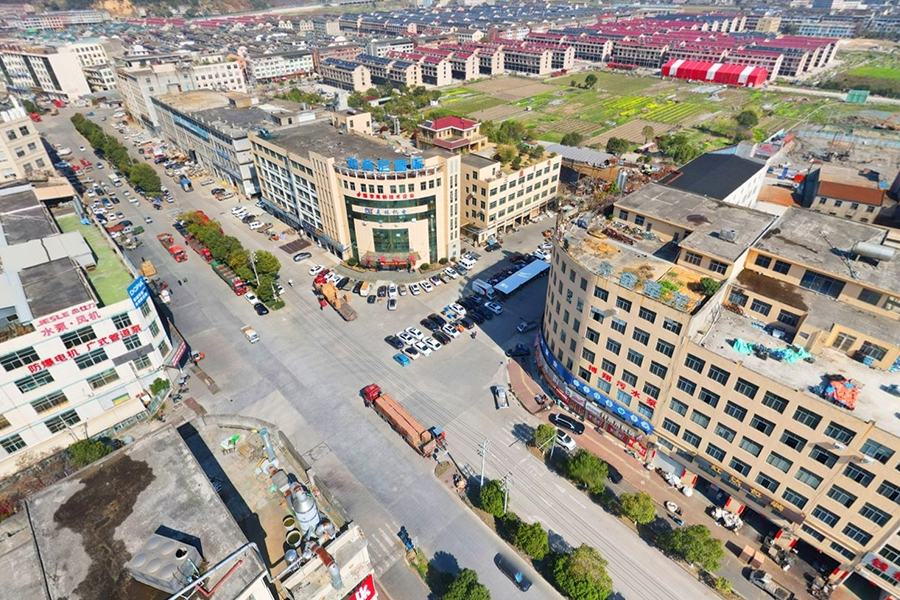
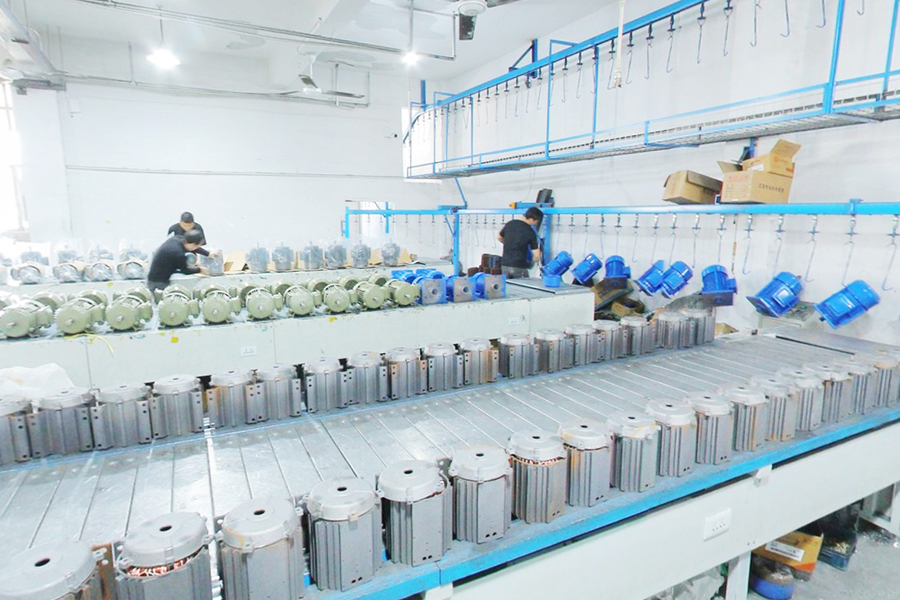
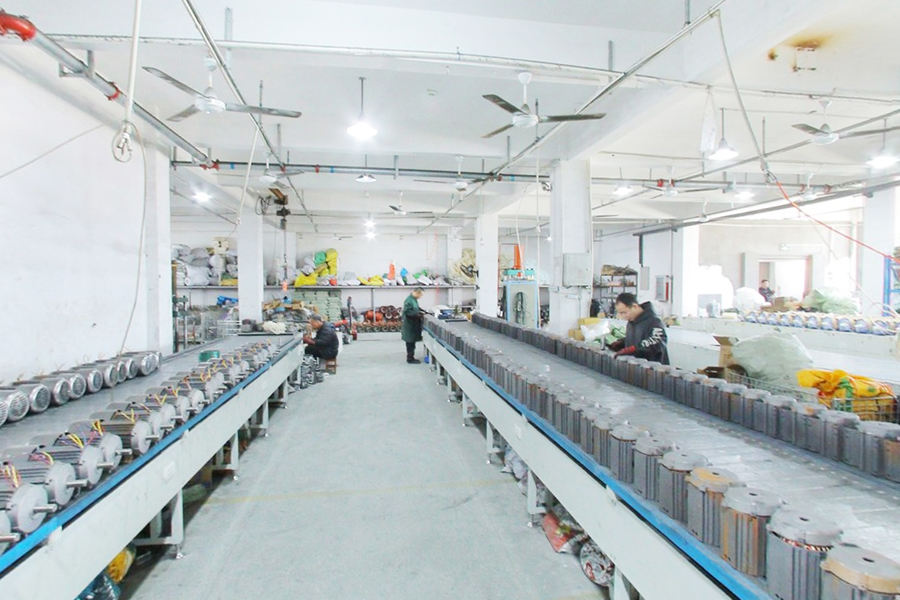
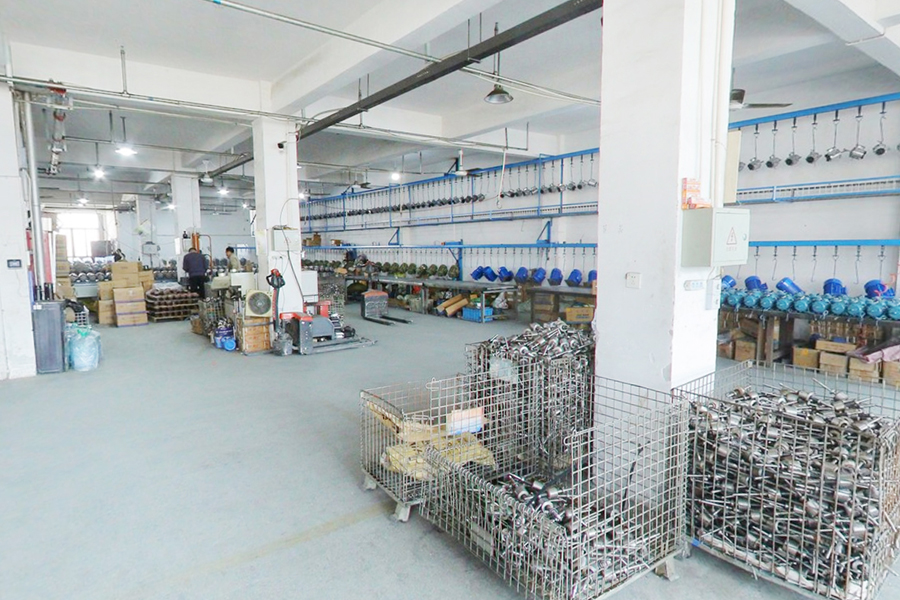
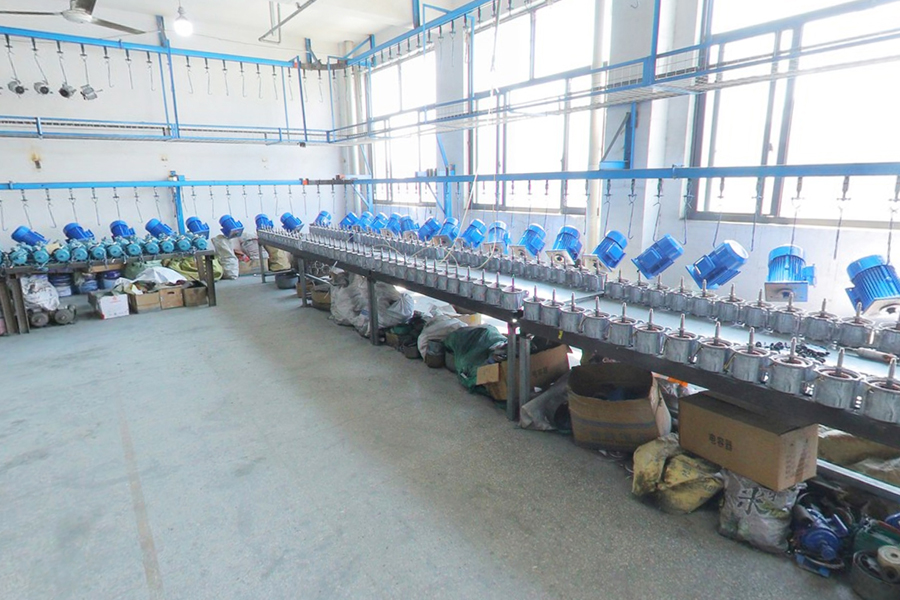
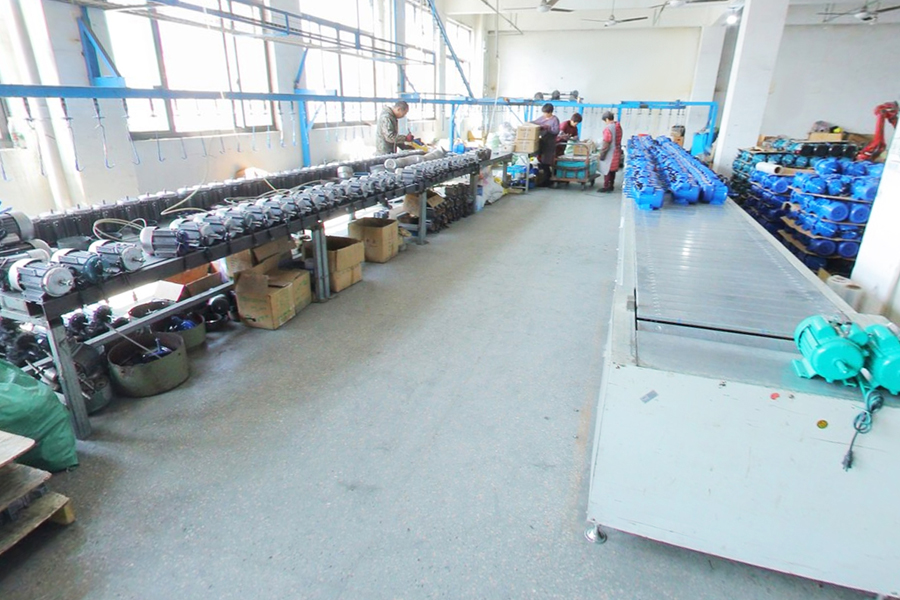
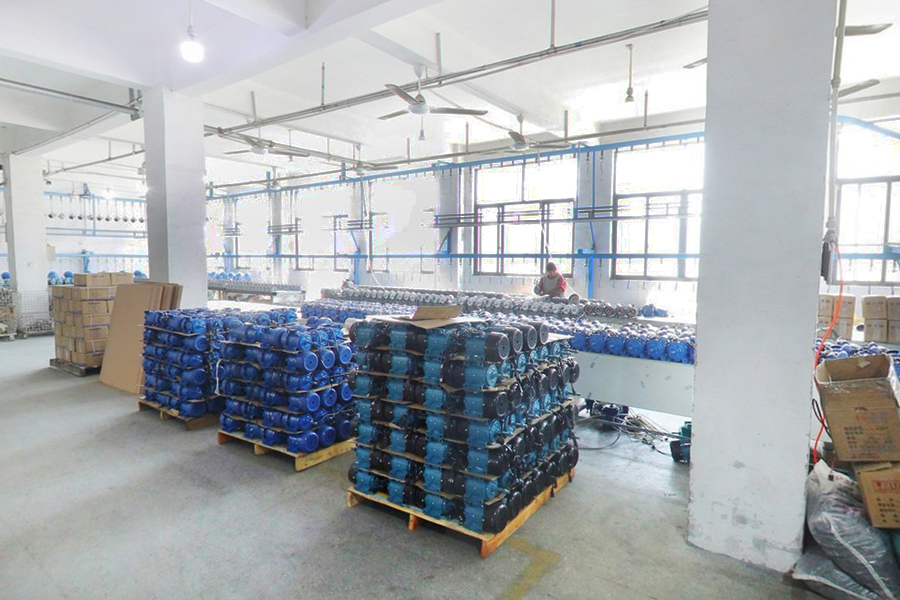
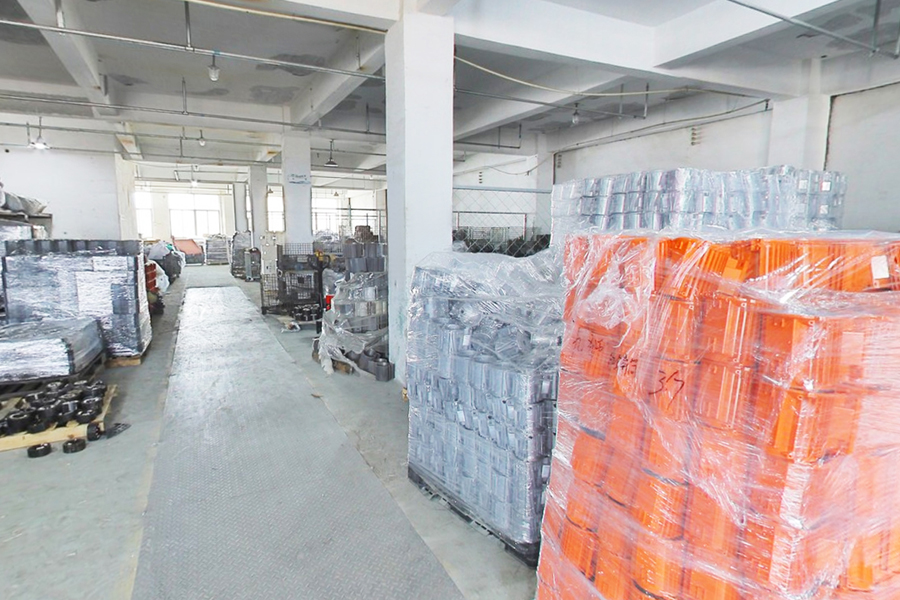
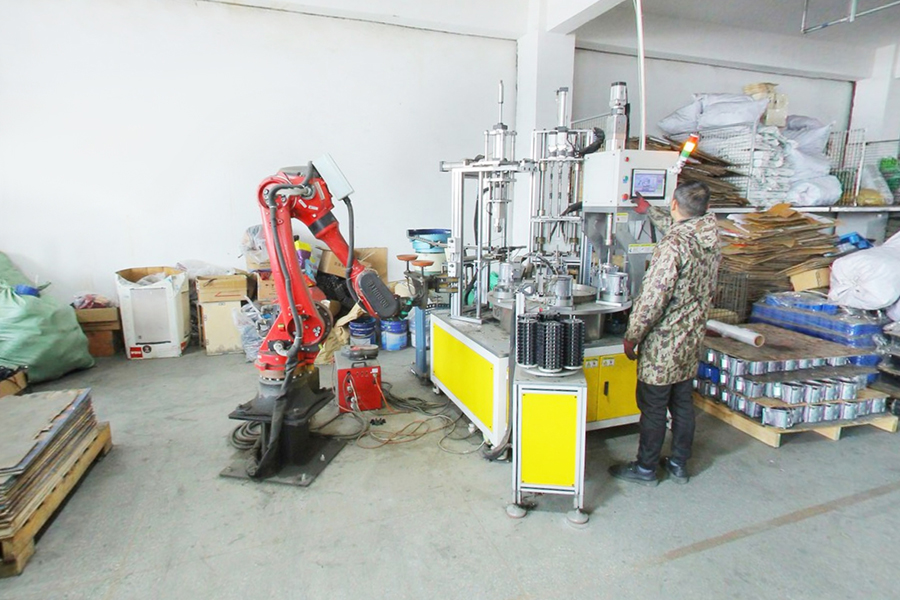
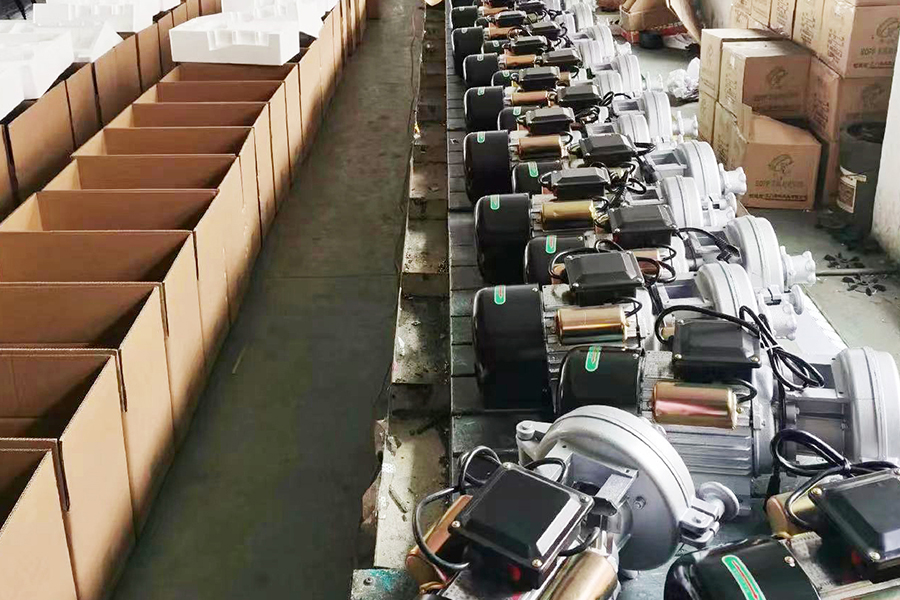
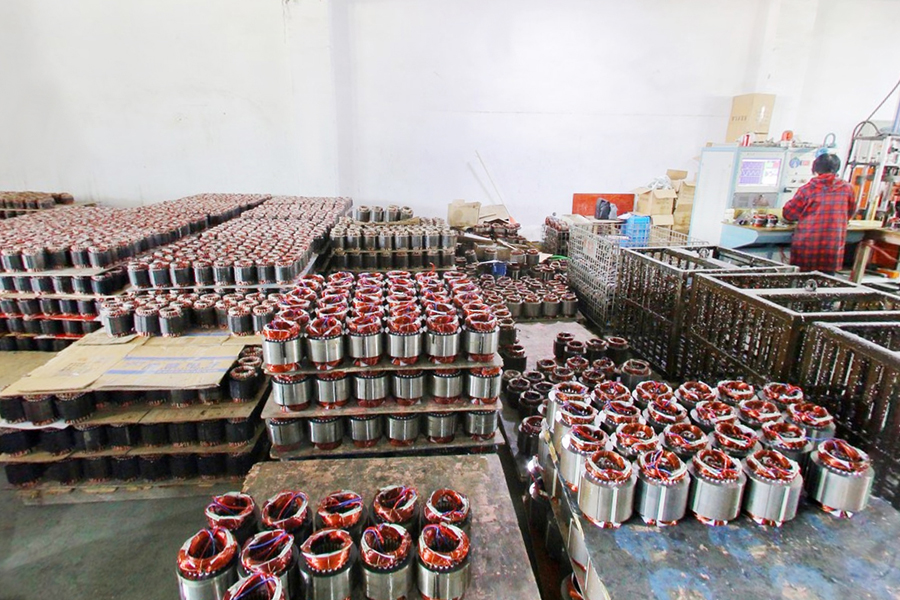
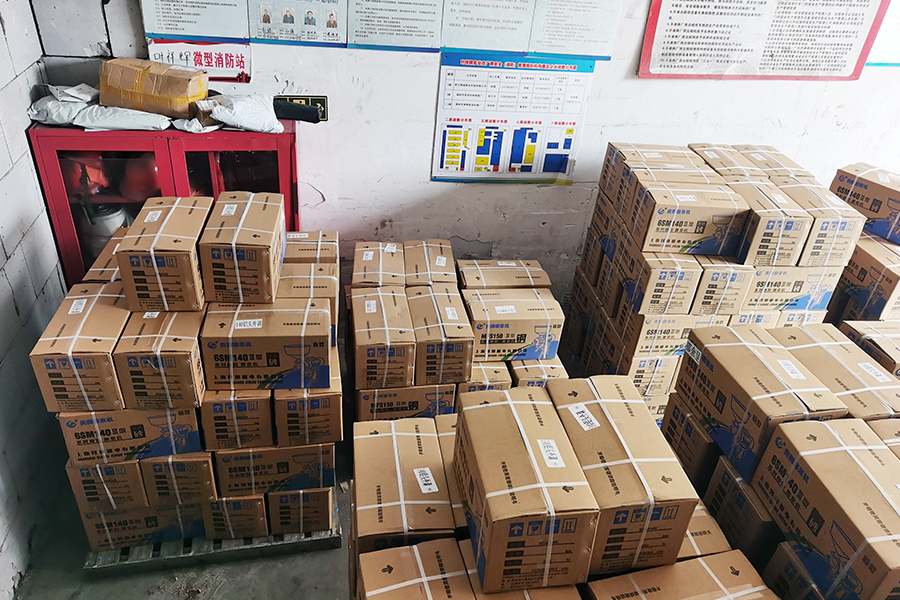

Asynchronous Motor Manufacturer



 English
 中文简体
中文简体
