-
 [email protected]
-
 +86 15857619833
-
+86-18989628252
[email protected]
+86 15857619833
+86-18989628252

Farm machinery does not always work under the same conditions as factory equipment. A water pump may operate beside a storage tank, a ventilation fan may run inside a livestock building, and a feed mixer may be used only during certain feeding periods. The electrical arrangement has to fit the machine as well as the place where it operates.
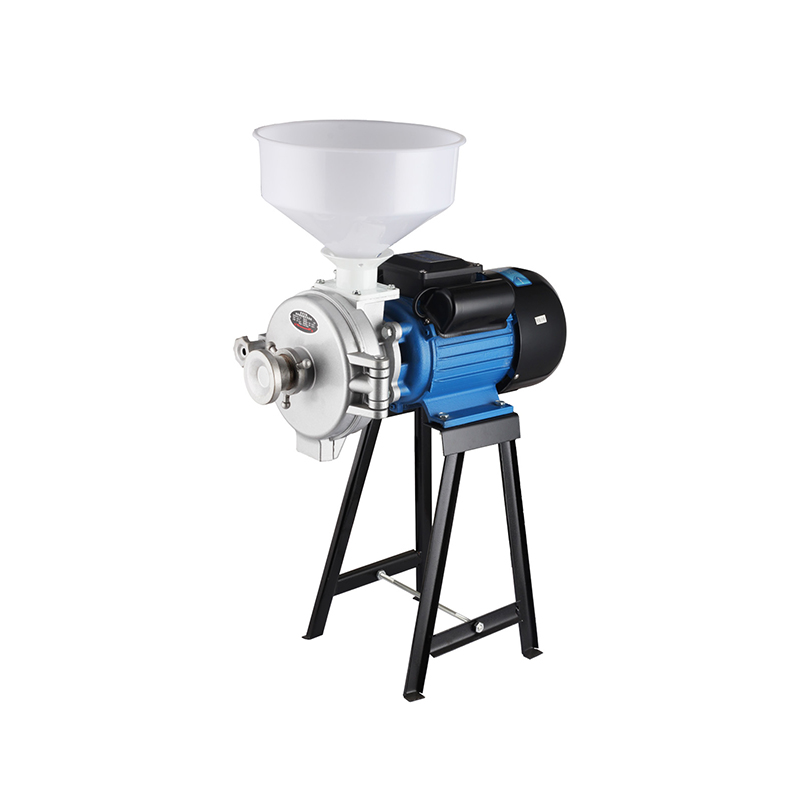
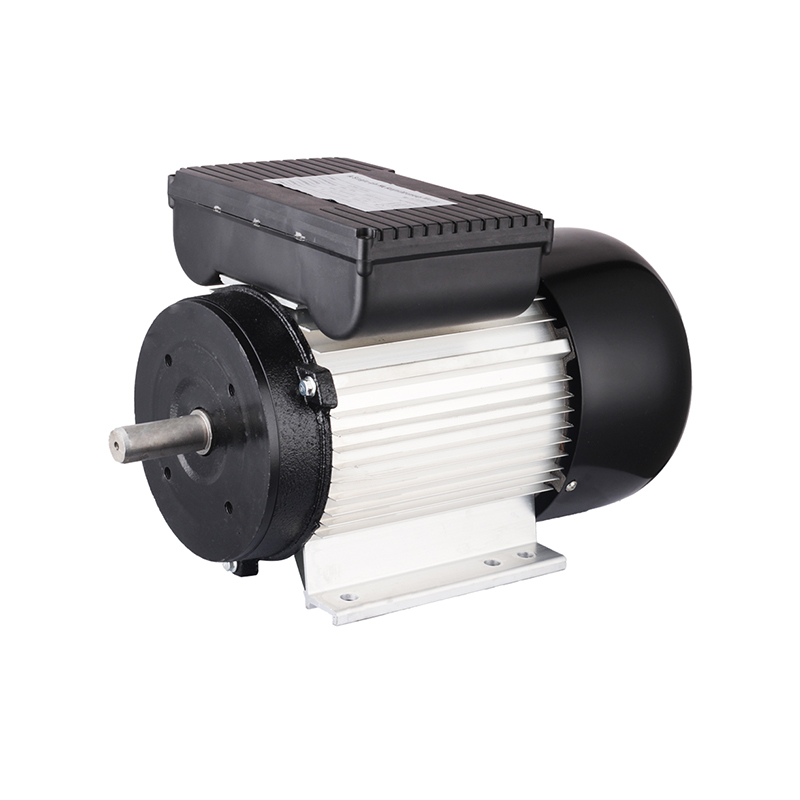
A Single Phase Motor for Agriculture is used in agricultural equipment where the available power supply and mechanical load are suitable for this type of motor. Its basic task is straightforward: electrical energy produces rotary movement, which is then transferred to a pump, fan, conveyor, mixer, or another working part.
The motor itself is only one part of the selection process. Several practical questions need attention:
A small farm may also have several machines using different operating patterns. A pump might be used for water transfer, while a fan operates for long periods and a feed machine works in shorter cycles. Treating all of them as the same type of application can result in an unsuitable motor arrangement.
Mechanical resistance matters as well. A motor connected to a clean and freely moving shaft faces different conditions from one connected to a component affected by worn bearings, a tight belt, or material buildup. When a machine seems to be struggling, replacing the motor is not always the appropriate response. The driven components should also be checked.
Water movement is one of the clearest examples of motor‑driven work on a farm. Water may need to move from a storage container to an irrigation area, away from a flooded section, or through a circulation system around an agricultural building.
A pump converts rotary movement into water movement, so the motor and pump need to be treated as a working pair. A Single Phase Motor for Agriculture may be suitable for selected pumping equipment when the electrical supply, pump load, and installation conditions are compatible.
The type of water task makes a difference. A transfer pump may move water between nearby locations, while a drainage pump may encounter changing water levels and debris. Irrigation equipment can also create a different operating pattern because water demand may change between working areas.
Installation conditions deserve close attention. An electric motor placed near water is exposed to a different environment from one installed inside a dry machinery room. Splashing, condensation, mud, and cleaning water may reach surrounding components if the installation is poorly arranged.
Before putting a pump into regular use, practical checks can include:
Water pumps can also experience additional resistance when filters become blocked or pipes contain accumulated material. A motor that previously operated normally may appear to lose working ability even though the underlying issue is somewhere in the water path.
Routine inspection is particularly useful for equipment that sits unused between irrigation or drainage tasks. A machine that has been idle can still collect dust, moisture, or debris. Checking the surrounding components before restarting reduces the chance of putting unnecessary mechanical stress on the drive system.
Feed preparation involves more than simply moving material from one place to another. Mixing, conveying, grinding, and related handling tasks place different forms of resistance on rotating machinery.
A feed mixer, for example, has to move material inside a container. The resistance changes according to the amount and condition of the material being processed. A conveyor has a different pattern because the motor drives movement along a defined path, while a fan‑based system deals with air rather than solid material.
That difference affects motor selection. The important question is not simply whether the motor can rotate the machine. Starting conditions, working resistance, operating duration, and changes in material load all influence the practical match.
A useful inspection approach is to look at the complete drive system rather than the motor alone:
Dust is another practical concern. Feed‑processing areas often contain loose particles that settle on machinery. When deposits build up around ventilation areas, heat may not leave the motor as easily as intended. Cleaning should follow the equipment manufacturer's maintenance requirements rather than relying on a fixed routine for every machine.
The working pattern also matters. A mixer used for short preparation cycles is not exposed to the same operating conditions as a machine that runs continuously. Frequent starting places additional demands on the complete drive system, making the starting condition part of equipment selection.
Grain handling covers several different jobs. Material may need to move from a harvesting area into storage, pass through a cleaning stage, or be transferred between containers. Conveyors, fans, lifting equipment, and other machines provide the movement required at each stage.
A Single Phase Motor for Agriculture can be used with selected grain‑handling equipment when the machine's load and electrical arrangement are compatible. The motor application changes according to the type of movement involved.
A conveyor carrying grain horizontally faces a different mechanical load from equipment that lifts material upward. Air‑moving equipment also operates differently because its working resistance comes from airflow rather than the weight of solid material.
Dust is a significant consideration around grain‑handling machinery. Fine particles can settle on motor surfaces and nearby components. They may also collect around ventilation openings, making regular cleaning part of normal equipment care.
| Equipment Type | Motor Function | Practical Point to Check |
|---|---|---|
| Water Pump | Drives the pump mechanism | Water exposure and blockage |
| Feed Mixer | Produces mixing movement | Material load and shaft movement |
| Feed Conveyor | Moves feed through the system | Belt condition and material buildup |
| Grain Conveyor | Transfers stored grain | Dust and changing load |
| Ventilation Fan | Produces air movement | Airflow and operating duration |
The condition of the grain itself can affect machine behavior. Material that is damp, compacted, or unevenly fed may create more resistance than expected. A sudden change in motor sound or movement can be a useful indication that the material path or a mechanical component needs inspection.
Storage conditions deserve attention when grain‑handling equipment is not used continuously. Dust can remain around the machine, while humidity may affect exposed components. Before restarting equipment after a period of inactivity, checking the drive area, ventilation openings, connections, and moving parts provides a practical way to identify visible problems.
Good motor selection begins with the actual job being performed. Water movement, feed handling, and grain transfer may all require rotary power, yet the load, environment, and operating pattern can differ considerably. Matching those conditions with the machine's electrical arrangement makes the motor part of a workable agricultural system rather than treating it as a separate component.
Livestock buildings contain several machines that rely on rotary movement. Feed conveyors move material toward feeding areas, ventilation fans circulate air, and small pumping systems handle water or cleaning tasks. Although the equipment serves different purposes, the motor remains closely connected with the working load and the surrounding conditions.
A Single Phase Motor for Agriculture may be used in selected livestock equipment where the available electrical supply matches the machine's requirements. The suitability of the motor depends on the complete setup rather than on the motor alone.
Feed handling provides a good example. A conveyor may run with a relatively light load for part of a working cycle and face greater resistance when feed accumulates along the conveying path. Material buildup around moving components can also increase resistance. Regular cleaning helps keep the mechanical load closer to the intended operating condition.
Water‑related equipment faces a different set of concerns. Washing areas and animal drinking systems may expose nearby machinery to moisture. Motor placement should keep electrical parts away from unnecessary water contact, while surrounding surfaces should allow drainage rather than allowing water to collect around the equipment.
Livestock buildings can also contain dust, bedding material, and organic residue. These materials may settle around ventilation openings or mechanical components. Routine inspection is useful for identifying:
Operating schedules matter as well. A ventilation fan may remain active for extended periods, whereas a feed conveyor may operate only during feeding tasks. A motor arrangement suitable for one operating pattern may not be appropriate for another.
The surrounding environment should also be considered during maintenance. Cleaning methods used inside livestock buildings need to account for nearby electrical components. Direct spraying around a motor can create avoidable risks, particularly when water is used for routine building cleaning.
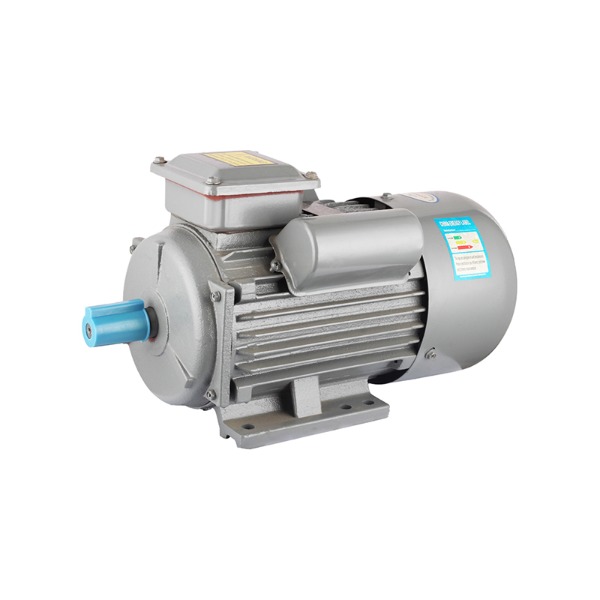
Air movement is an important part of many agricultural buildings. Livestock housing, storage areas, and enclosed growing spaces may require fans to move stale or warm air away from the working area. The motor provides the rotary movement that turns the fan and maintains airflow.
Unlike a pump, a ventilation fan does not move a liquid or solid material. Its working condition is closely connected with air resistance, fan cleanliness, and the condition of the surrounding ventilation path. Dust accumulation on fan blades can gradually change the way the system operates.
A Single Phase Motor for Agriculture can be applied to selected ventilation equipment when the motor characteristics and electrical supply suit the fan system. The operating environment becomes particularly important when the fan is expected to run for extended periods.
Several simple maintenance points can help keep the system in usable condition:
Temperature also affects the working environment. An enclosed agricultural building may become warm during operation, while an outdoor fan can face moisture and changing weather conditions. The motor enclosure, installation position, and surrounding airflow all influence how heat is handled.
Fan maintenance should not focus only on the motor. A dirty blade, blocked opening, or damaged guard can affect the entire system. If airflow changes while the motor continues to sound normal, the issue may lie in the ventilation path rather than the electrical drive.
Cooling systems used around stored agricultural materials require similar attention. Airflow may be needed to reduce heat and moisture accumulation, but the fan has to operate within the conditions created by the storage area. Dust, humidity, and restricted air passages can gradually change the working load.
Motor selection becomes easier when the machine is considered as a complete working system. The electrical supply is only one part of the decision. The driven component, load pattern, installation environment, and maintenance requirements also influence whether a particular motor arrangement is appropriate.
The following points provide a practical starting point:
| Selection Factor | What to Check | Why It Matters |
|---|---|---|
| Electrical Supply | Available power arrangement | Determines basic compatibility |
| Mechanical Load | Resistance during operation | Affects motor workload |
| Starting Condition | Load present during startup | Influences starting behavior |
| Operating Pattern | Short or extended operation | Affects heat and maintenance |
| Installation Area | Dust, moisture, and heat | Influences protection needs |
| Maintenance Access | Space around the motor | Makes inspection easier |
The driven machine deserves careful attention. A pump with a partially blocked flow path, a conveyor carrying accumulated material, or a fan with heavy dust deposits may place unusual resistance on the motor. Selecting a larger motor without correcting the mechanical issue does not necessarily solve the underlying problem.
Starting conditions are another consideration. Some machines begin with little resistance, while others start while material remains inside the working area. A motor arrangement should account for the condition present at startup rather than only the load during normal running.
Operating duration also changes the maintenance picture. A machine that works intermittently has periods in which the motor can cool, while equipment used for longer cycles remains under continuous thermal and mechanical stress. Ventilation around the motor becomes more important in enclosed locations.
Installation access is often overlooked. Agricultural machinery may be positioned against a wall, beside storage equipment, or inside a compact working area. Limited access can make cleaning and inspection difficult. A practical installation leaves enough room for routine checks and maintenance activities.
The surrounding environment deserves equal attention. Agricultural buildings can contain dust, moisture, fibers, feed particles, or other material that gradually settles on machinery. Outdoor equipment faces additional exposure to rain and changing temperatures. Motor selection and installation should reflect those conditions.
Agricultural equipment does not follow one uniform operating pattern. Water pumps move liquid, conveyors transfer solid material, mixers process feed, and fans move air. Each application places a different type of mechanical demand on the motor.
A Single Phase Motor for Agriculture may therefore appear in several equipment categories, but the reason for using it changes with the task. A pump needs rotational movement to drive water handling, while a fan requires rotation to maintain airflow. A conveyor depends on controlled movement through a belt or similar mechanism, and a mixer must handle resistance created by material inside the working chamber.
| Farm Task | Common Equipment | Main Condition to Consider |
|---|---|---|
| Water Management | Pumping equipment | Moisture and flow resistance |
| Feed Handling | Mixer or conveyor | Material load |
| Grain Handling | Conveyor or air‑moving equipment | Dust and material flow |
| Livestock Care | Feed and water equipment | Cleaning and moisture |
| Building Ventilation | Fans | Airflow and operating duration |
The differences become clearer when operating conditions are considered alongside the equipment type. A pump installed near a water source needs attention to moisture and blockage. A grain conveyor requires regular attention to dust and material buildup. A livestock fan may operate for longer periods and therefore needs adequate airflow around the motor.
Routine observation can also help identify changes before a machine stops working. A new vibration, unusual sound, slower movement, or repeated overheating may point toward a mechanical or electrical issue. Checking the complete system is more useful than focusing on the motor in isolation.
Farm equipment also changes with the work season and daily routine. Some machines remain inactive for extended periods and then return to regular operation. Others work repeatedly throughout the day. Storage, cleaning, inspection, and operating frequency all affect how the motor performs within the machine.
Matching a motor with agricultural equipment is consequently a practical process rather than a simple choice based on motor size. Electrical conditions, mechanical resistance, operating duration, installation environment, and maintenance access all contribute to the suitability of the arrangement. The same type of motor may serve different farm tasks, while each application still requires its own assessment.
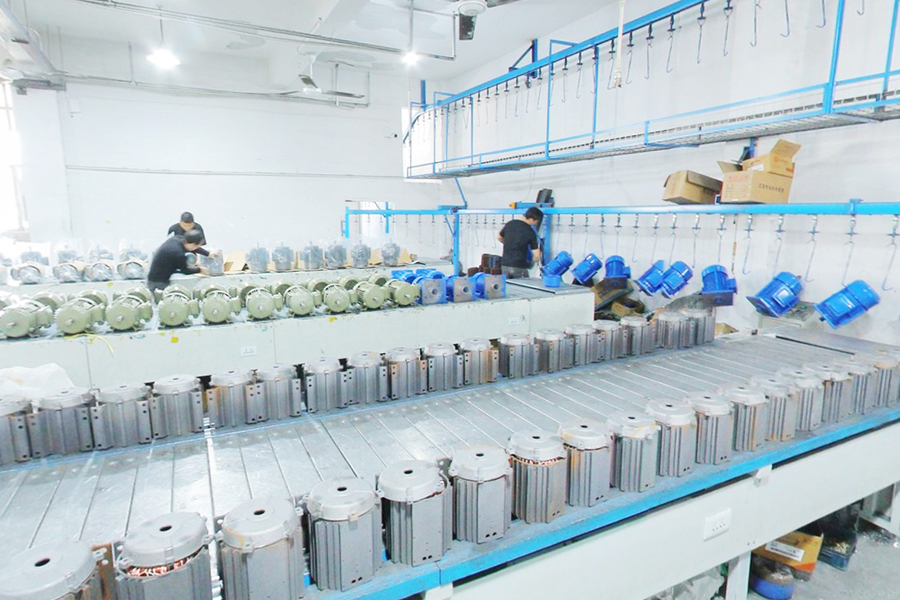
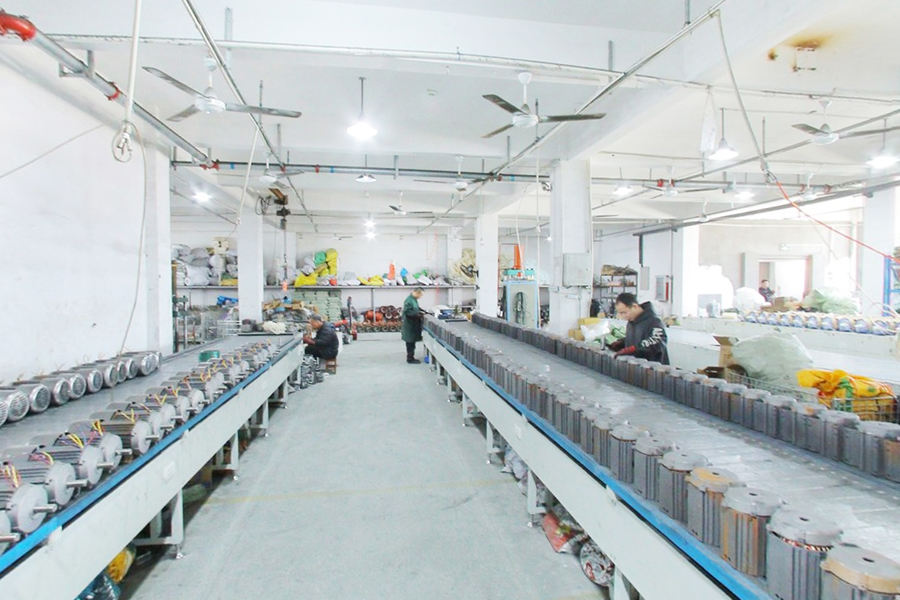
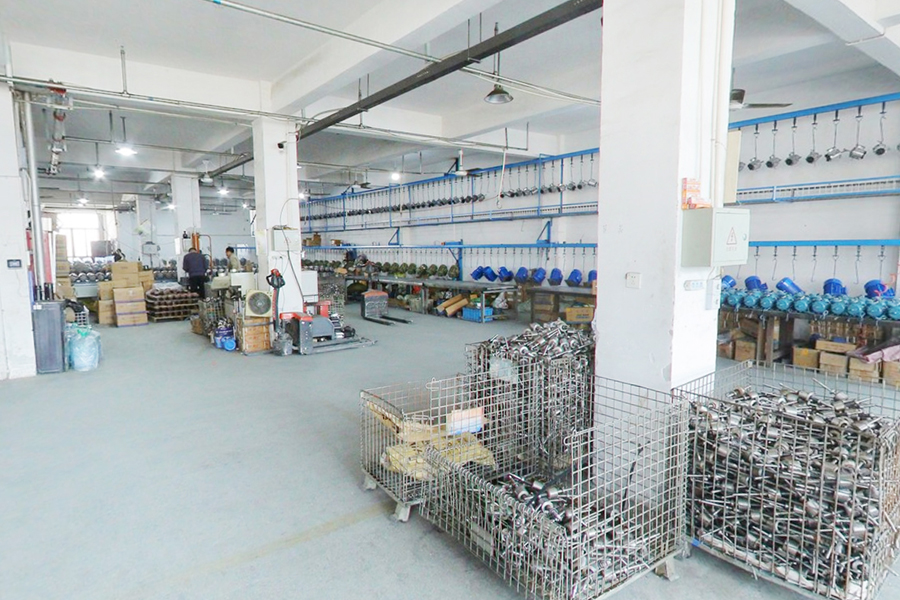
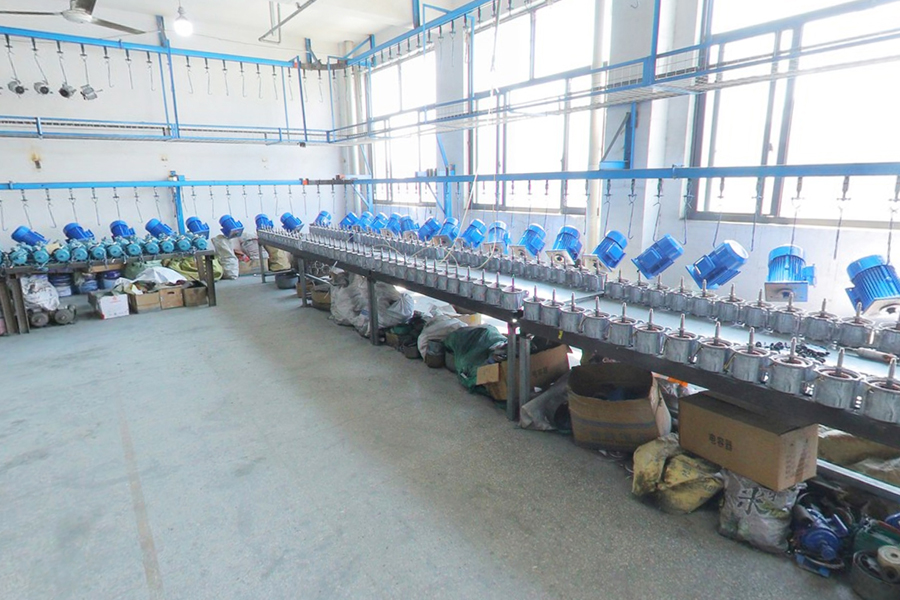
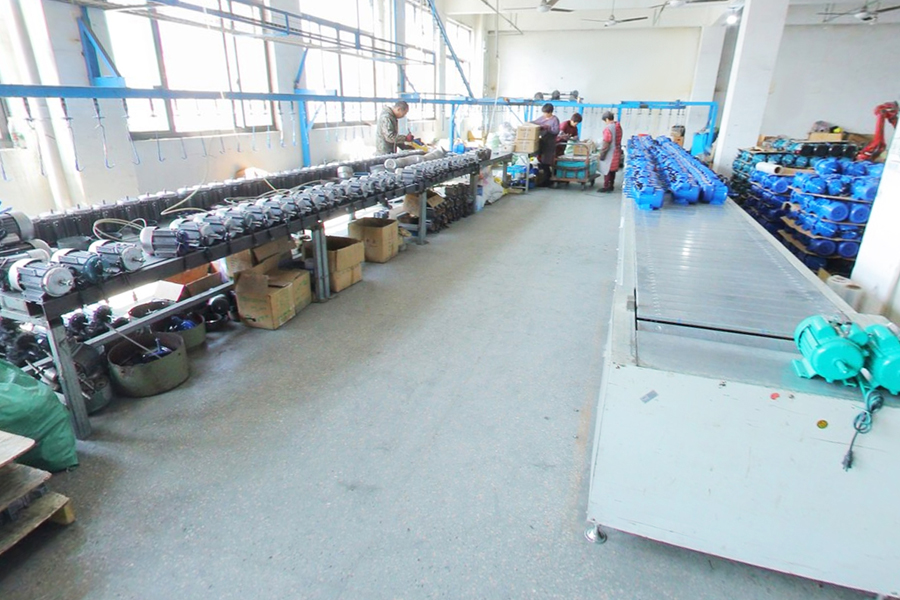
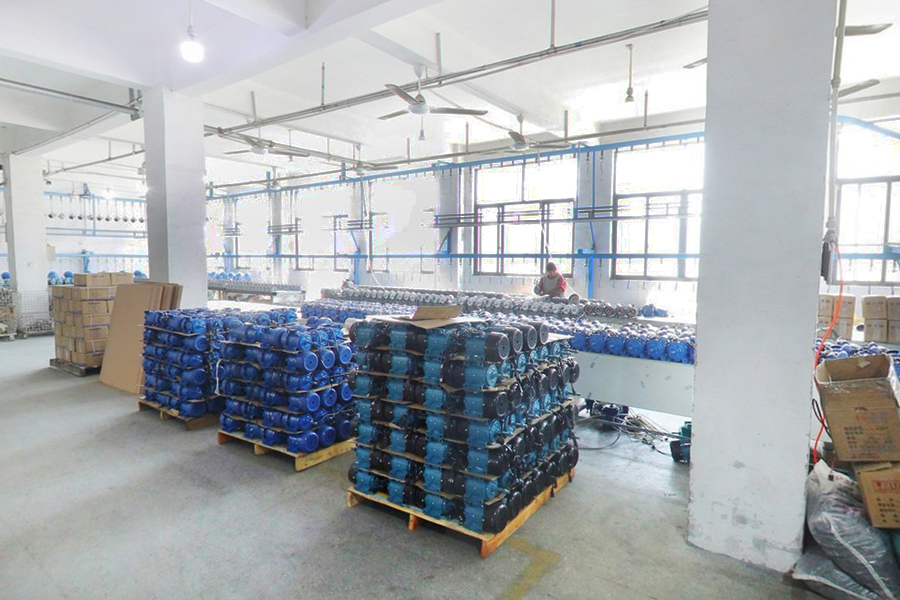
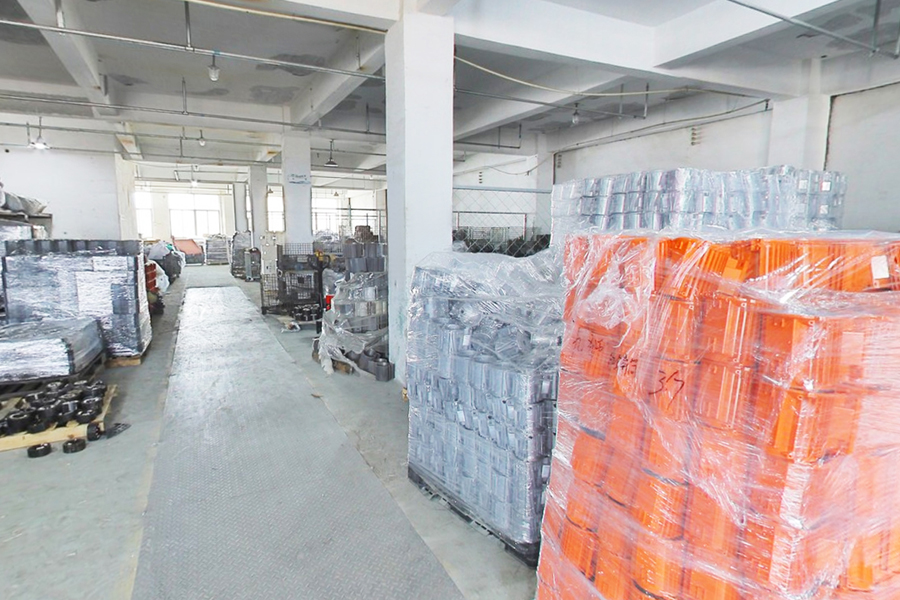
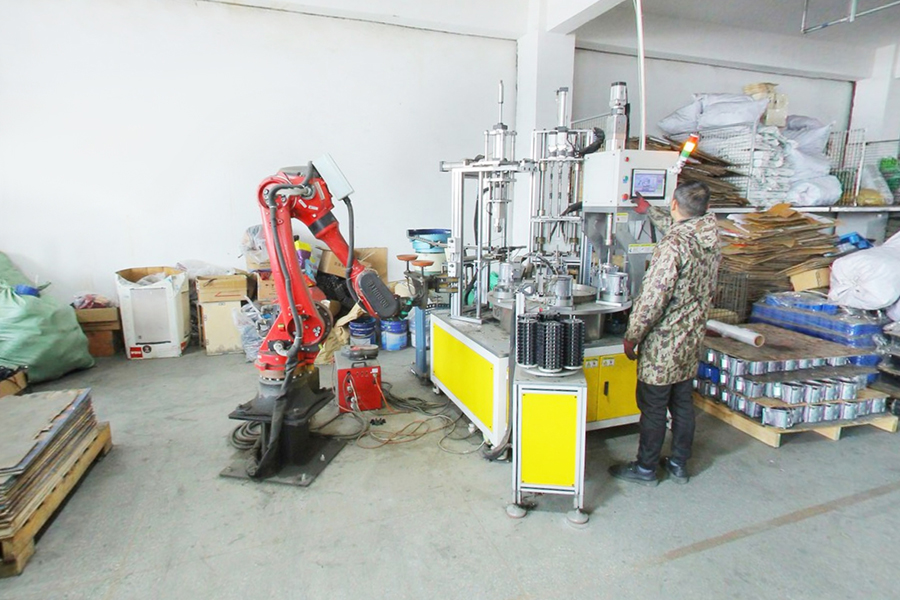

Asynchronous Motor Manufacturer



 English
 中文简体
中文简体