-
 [email protected]
-
 +86 15857619833
-
+86-18989628252
[email protected]
+86 15857619833
+86-18989628252

Single phase AC motors show up in a surprising number of everyday machines, mostly because they run on standard single-phase power rather than requiring a three-phase hookup. Water pumps, ventilation units, farm equipment, and compact workshop machines all tend to rely on this motor type for exactly that reason.
That said, picking one isn't just a matter of matching a motor to a machine category. A pump might start under very different conditions than a fan does, and a workshop machine's load can shift throughout the day. The installation environment, how often the motor starts, and how long it's expected to run all play into which option actually fits.
Knowing where these motors are typically used can help equipment manufacturers, maintenance teams, and purchasing staff narrow things down faster.
Pumps are probably the most familiar use case. They move water through supply lines, support irrigation, and keep small commercial facilities running day to day.
A pump that fills a storage tank intermittently places different demands on a motor than one feeding a small building that starts and stops repeatedly throughout the day. The pump design itself matters too. A motor that works fine on one pump isn't automatically right for another just because both move water.
Before settling on a motor for a pump project, it helps to think through a few things first:
For replacement work especially, checking the original nameplate and installation dimensions ahead of time can save a lot of back-and-forth later.
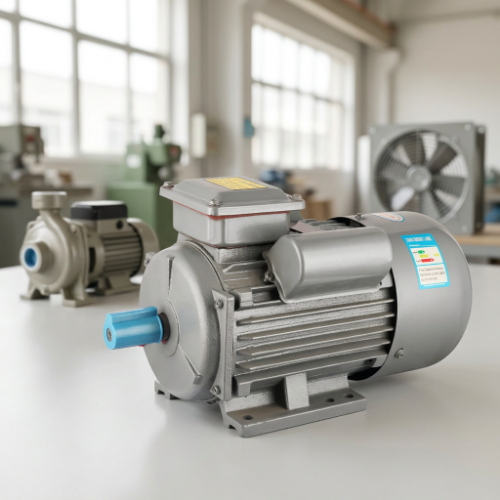
Exhaust fans and other air-moving equipment need a motor that spins at a suitable speed to drive the fan assembly. That sounds simple enough on paper, but the operating environment changes things in practice.
A fan running in a clean office faces different conditions than one bolted into a dusty workshop or farm building. Some units run for a few minutes at a time; others stay on for most of the day.
The motor needs to be chosen with the whole fan system in mind. Blade design, airflow resistance, mounting position, and expected runtime all factor in. Manufacturers should also double-check available housing space early on, since a motor that's electrically suitable might still not fit if the shaft or mounting points don't line up.
On the maintenance side, unusual noise or vibration doesn't automatically point to a motor problem. Loose hardware, an unbalanced fan blade, or blocked airflow can produce similar symptoms, so it's worth ruling those out first.
Farm equipment often operates well outside the controlled conditions of a factory floor. Single-phase power and motors designed for it are common in this setting, particularly where a three-phase supply isn't available.
Water management is a good example. Moving water between a tank and an irrigation line, or supplying a livestock area, involves more than just the motor. The pump, pipework, and operating schedule all need to work together as a system.
Farm environments also bring dust, moisture, and temperature swings into play. A motor that performs well in a sheltered indoor setup might need a different level of protection outdoors. It's worth checking the manufacturer's guidance rather than assuming any unit can handle outdoor exposure.
Usage patterns matter here, too. Some farm machines run briefly each day; others operate for extended stretches during busy seasons. Describing actual working conditions, including load, starting frequency, environment, and power supply, gives a supplier far more to work with than the application name alone.
Not every industrial machine needs a large motor or a three-phase connection. Plenty of compact machines in repair shops and small production areas run on single-phase power.
The real question is how the machine behaves during operation. A device running under a steady load places different demands on a motor than one that starts against resistance or sees frequent load changes.
Picture a compact machine that sits idle for part of the day, then starts repeatedly as work comes in. The motor needs to suit that pattern, not just the machine's general job description. A few things are worth reviewing:
Matching the original design also tends to simplify production and servicing, which is useful for manufacturers maintaining consistent assembly across multiple units.
Household and commercial machines use these motors, too, often to drive pumps, fans, or other moving parts depending on the design.
Here, size and fit can matter as much as the electrical specifications. Housings are usually built around a specific motor arrangement, leaving little room to adjust. Even a small shift in shaft position can cause fitting issues during a replacement.
Noise is another practical concern in spaces where people live or work, but a noisy machine isn't always a motor problem. Worn bearings, poor alignment, or loose parts can all contribute, so a proper inspection before ordering a replacement is worth the time.
The original motor label is the best starting point for replacement work. Check the model number, electrical specifications, mounting dimensions, and shaft arrangement. If that label is missing, photos and measurements of the installation can usually give a supplier enough information to assess possible alternatives.
Single-phase and three-phase motors serve different needs. The right choice depends on the power supply, equipment design, load, and operating conditions.
| Comparison Point | Single-Phase Motor | Three-Phase Motor |
|---|---|---|
| Power supply | Runs on a single-phase supply | Requires a three-phase supply |
| Common equipment | Pumps, fans, and compact machines | Many larger industrial machines |
| Installation context | Fits sites with single-phase power | Suited to sites with three-phase power |
| Selection priorities | Starting load, installation space, and operating pattern | Load requirements, control method, and duty cycle |
This is a general guide rather than a hard rule. Some equipment can work with either type, while other applications have specific electrical or mechanical constraints. Size alone shouldn't drive the decision either way; the starting load and performance needs of the complete machine still need checking.
The quality of information at the quotation stage directly affects how accurately a supplier can match a motor to the job. A product name alone rarely tells the whole story.
For a new equipment project, start with the machine's function and operating conditions. Explain what the motor drives, how often it runs, and whether it starts under load. If space is tight, share the mounting and shaft dimensions upfront.
Replacement orders need a slightly different approach. Beyond the motor model, it's worth checking whether the installation has been modified since the original purchase. Relying on an old record without verifying the actual unit can cause delays.
It's also worth confirming how the motor will be used once installed. A unit in a ventilated indoor machine faces different conditions from one placed outdoors or on farm equipment, so reviewing the supplier's installation guidance before putting it into service makes sense.
For larger orders, batch consistency, packaging, delivery schedules, and documentation become relevant discussion points, especially when the motor ends up inside a product sold under another company's name.
Giving a supplier a clear picture of the intended application makes it easier to assess whether a particular motor series fits the project and identify details that still need confirming.
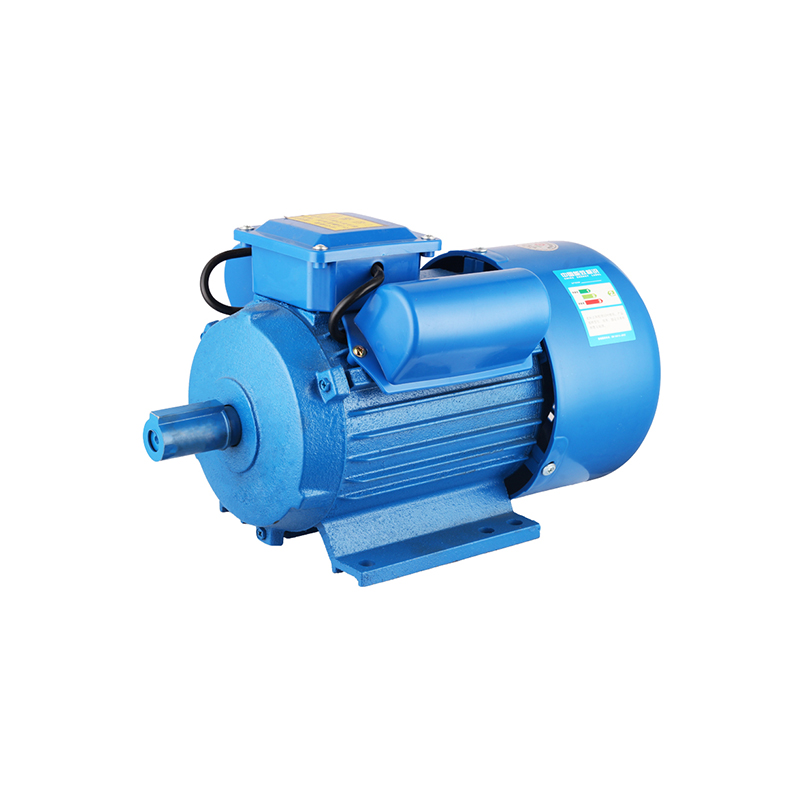
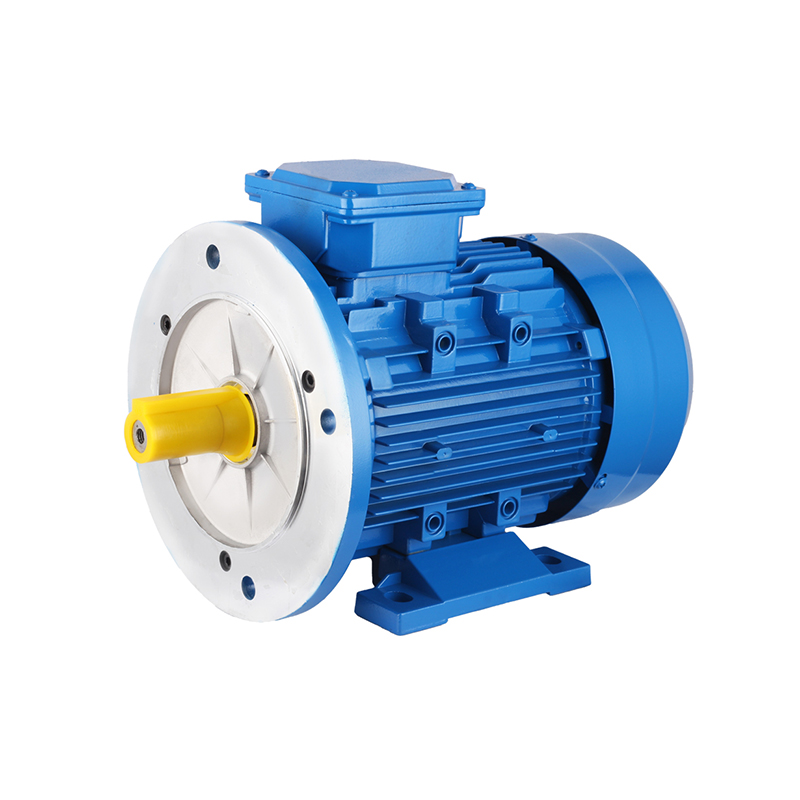
Guanfeng Motor's YC and YCL series single-phase asynchronous motors cover a range of output options and pole configurations for applications such as pumps, fans, compressors, and similar mechanical systems. Buyers considering this range can review the product specifications and discuss the intended machine, power supply, and installation requirements with the manufacturer before placing an order.
For OEM projects, settling compatibility questions before the design is finalized can help reduce rework. If the motor goes into a new product, the engineering team should confirm the mounting arrangement and driven load early. If it's replacing an existing unit, the original motor information and installation measurements help establish whether a proposed alternative will fit the application.
Clear communication at this stage can prevent avoidable changes further down the line.
Yes, they can be used in selected industrial and workshop machines, particularly where single-phase power is already available. Suitability depends on the load, starting requirements, operating schedule, and motor design.
In many cases, yes. The motor needs to match the pump's startup conditions, expected runtime, and installation environment.
Possible causes include a power supply issue, faulty wiring, a mechanical obstruction, or a problem with the starting components. Identifying the actual cause before replacing the motor can help avoid unnecessary parts replacement.
Useful details include the application, available power supply, existing model information, mounting and shaft dimensions, expected operating conditions, and order quantity. Photos of the current installation can also help clarify the requirements.
Single phase AC motors are used across a wide range of equipment, including pumps, ventilation systems, farm machines, and workshop tools. Their suitability has less to do with the name of the application and more to do with the actual conditions in which the machine operates.
A bit of preparation goes a long way. Confirm the power supply, understand the load, check the installation dimensions, and describe how the machine will be used. That gives a supplier a clearer basis for assessing the right option and helps reduce compatibility problems after delivery.

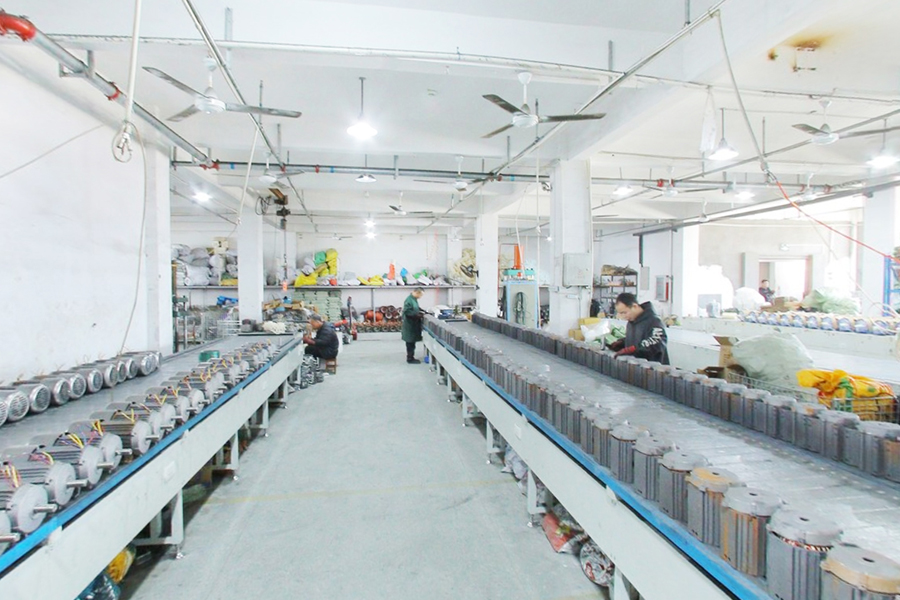
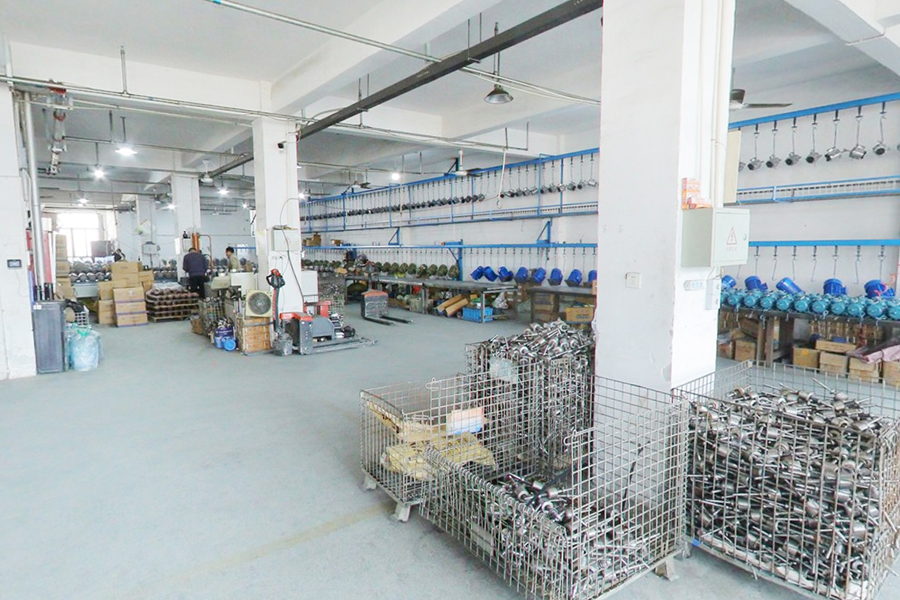
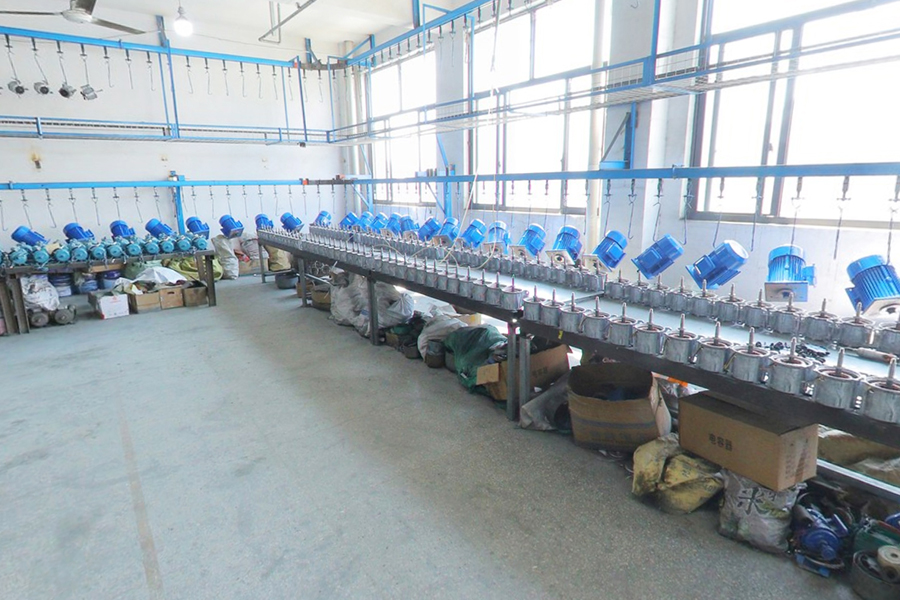
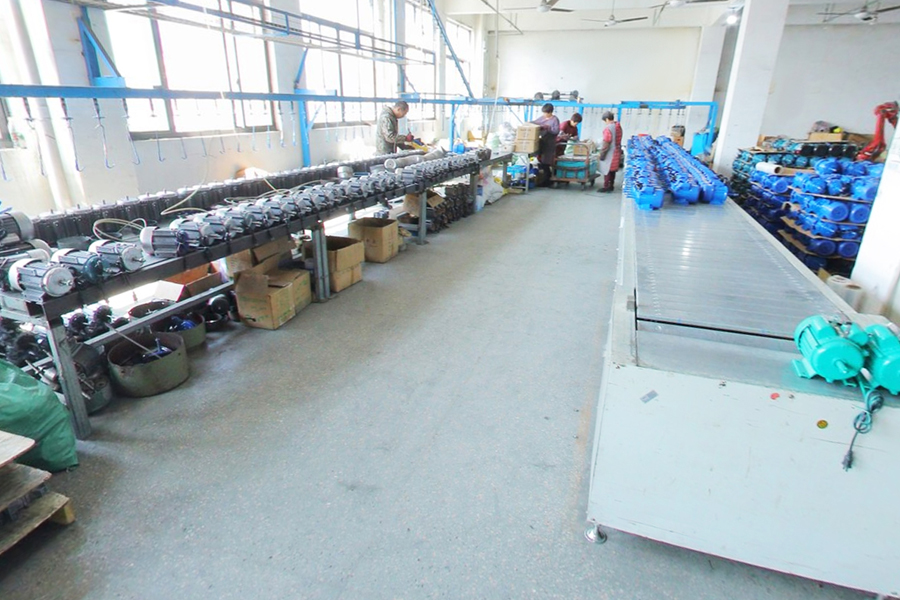


Asynchronous Motor Manufacturer



 English
 中文简体