-
 [email protected]
-
 +86 15857619833
-
+86-18989628252
[email protected]
+86 15857619833
+86-18989628252

A single‑phase motor may need different electrical support during starting and normal operation. A dual capacitor arrangement separates part of that work, allowing the motor to respond differently when it begins turning and when it continues running.
Capacitor size has a direct connection with how much electrical support is provided during each stage. Choosing a suitable capacity is therefore not simply a matter of finding a component that can physically fit inside the motor. The relationship between the motor, capacitor, power supply, and mechanical load needs to be considered together.
Starting places a different demand on a motor from continuous operation. A machine connected to a light mechanism may begin moving with little resistance, while a motor connected to a loaded mechanism may need more assistance before movement becomes steady.
Capacity that does not match the motor design can affect how the motor behaves. Starting may become slow, normal operation may feel uneven, or the motor may produce more heat than expected. Such signs do not always point directly to the capacitor, since mechanical resistance and power supply conditions can create similar symptoms.
For a Single Phase Dual Capacitor Motor, several basic points are worth checking:
Looking at the complete working condition provides a better basis for capacitor selection than focusing on capacity alone.
Starting is a short stage, although it can place a significant demand on the motor. A start capacitor provides additional electrical support during that stage, helping the motor begin turning when the connected mechanism creates resistance.
Once movement has started, the motor no longer needs the same type of assistance. For that reason, a dual capacitor motor uses a separate arrangement for starting and continuous operation.
A suitable start capacitor needs to work with the motor's original design. Capacity that is too small may leave the motor struggling to begin movement, especially when the connected equipment is already under load. Slow starting, hesitation, or repeated difficulty getting into motion can appear as possible signs.
A larger capacity does not automatically improve starting. Excessive electrical support can place additional stress on the motor's electrical system and may affect the way the motor transitions into normal operation.
Mechanical load has a strong influence on starting. A motor connected to a freely moving mechanism may start easily, while the same motor connected to a tight or heavily loaded mechanism may need more starting assistance.
Before replacing or selecting a start capacitor, it helps to consider the actual starting condition rather than testing the motor without its normal load.
Once a motor reaches its normal movement, its electrical requirements change. A run capacitor remains involved during continued operation, supporting the motor as it maintains movement under the connected load.
Capacity needs to match the motor's intended electrical design. Too little support may affect smooth operation, while excessive capacity can change the motor's working condition and increase electrical stress.
Normal operation is not always identical throughout a working cycle. A machine may encounter different levels of resistance as connected parts move, materials are handled, or mechanical contact changes. A suitable run capacitor needs to work across the conditions expected during ordinary use.
Signs of an unsuitable run capacitor can include changes in motor sound, unusual heat, unstable operation, or reduced ability to maintain movement under load. None of those signs should be treated as proof of a capacitor problem on their own.
A practical check looks at the motor while it is connected to its intended equipment. Observing the sound, movement, temperature, and response to normal load changes can provide more useful information than judging the capacitor only by its appearance.
Capacitor capacity affects the balance between electrical support and motor operation. A mismatch can appear in different ways depending on whether the issue involves starting or continuous running.
When starting support is insufficient, the motor may take longer to begin moving or may have difficulty starting under resistance. When running support is unsuitable, the motor may operate less smoothly once movement has already begun.
Heat is another condition worth observing. A motor working under an unsuitable electrical arrangement may produce more heat during normal use. Mechanical resistance can create similar heat, so checking the connected equipment remains important.
Noise can provide another clue. A change in sound may occur when the motor is under unusual electrical or mechanical stress. Vibration may increase as well when movement is not properly balanced.
| Observed Condition | Possible Area to Check | Useful Inspection |
|---|---|---|
| Slow starting | Starting circuit or mechanical load | Check starting condition and connected equipment |
| Difficulty starting under load | Start capacitor or excessive resistance | Compare loaded and unloaded behavior |
| Unusual running sound | Running circuit or mechanical movement | Check motor and connected mechanism |
| Increased heat | Electrical or mechanical condition | Inspect capacitor, load, and ventilation |
| Uneven operation | Capacitor matching or mechanical resistance | Observe operation through a full working cycle |
A single symptom rarely gives enough information for a clear diagnosis. Looking at the motor, capacitors, power supply, and connected mechanism together can narrow down the possible cause.
Mechanical load changes the conditions under which a motor starts and runs. A motor that operates smoothly without a connected load may behave differently once it drives a pump, fan, conveyor, or another mechanism.
Starting load deserves particular attention. Resistance may be higher at the beginning of movement, especially when connected parts need to overcome friction or move material. A suitable start capacitor needs to support the motor during that stage.
Running load can change as well. Some equipment places a relatively steady demand on the motor, while other machinery creates periods of greater and lower resistance. Such changes can affect how the motor behaves during continuous operation.
Frequent starting and stopping creates another consideration. Each starting cycle brings the start capacitor into the process again, so operating frequency should be included when evaluating the motor arrangement.
A useful way to assess the working condition is to compare three stages:
Starting load → Normal load → Changing load
Each stage tells something different about how the motor and capacitors are working together. Testing only one condition may hide problems that appear during another part of the machine's normal cycle.
A dual capacitor arrangement exists because starting and running do not place the same demands on a motor. Treating both capacitors as interchangeable can lead to an incorrect assessment of the motor's electrical requirements.
The start capacitor is involved during the beginning of movement, where additional support may be needed to overcome initial resistance. Once the motor reaches normal movement, that requirement changes.
The run capacitor remains part of the normal operating process. Its role is connected with maintaining suitable motor operation while the connected equipment continues to move.
Because their working periods differ, capacity selection needs to consider their individual roles. Changing one capacitor without checking the other may leave the overall arrangement mismatched.
For a Single Phase Dual Capacitor Motor, a useful inspection approach is:
A motor does not operate through isolated components. Electrical parts, mechanical load, and power conditions interact throughout the working cycle. Considering the two capacitors according to their separate roles makes it easier to identify where a problem may begin and helps keep the motor arrangement suited to its actual working conditions.
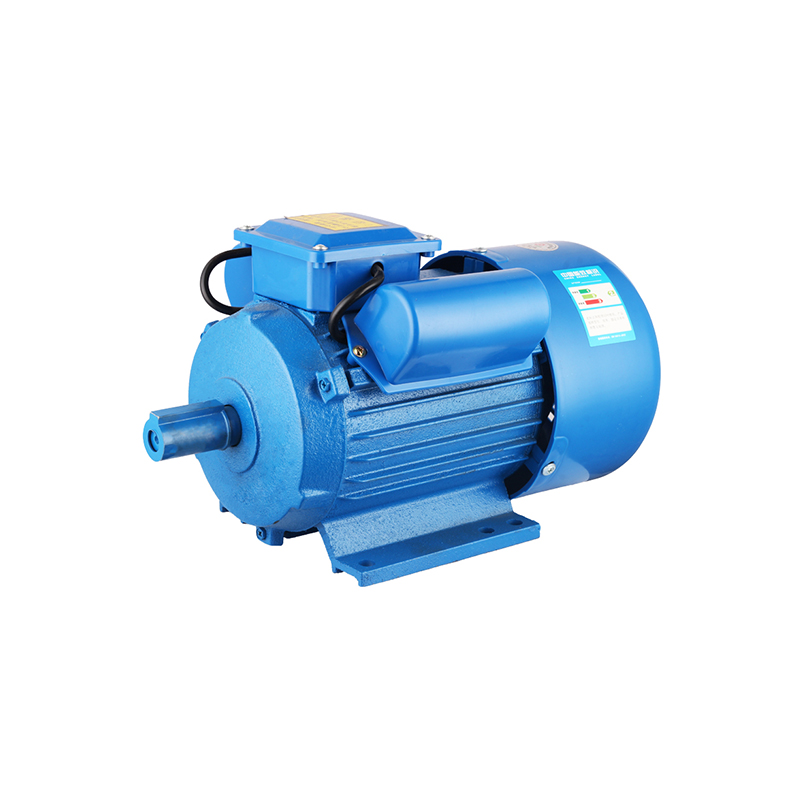
A capacitor mismatch may appear through changes in how a motor starts or runs. Slow starting is one possible sign, especially when the motor has no trouble turning under a light condition yet struggles once the normal mechanical load is connected.
Running behavior can provide another clue. A motor may sound different, develop noticeable vibration, or become warmer during ordinary operation. Such changes deserve attention when they appear after a capacitor has been replaced or when the motor begins working differently from its usual condition.
Starting and running symptoms should be separated during inspection. Difficulty at the beginning of movement may point toward the starting side, while unusual behavior after the motor has reached normal movement may relate more closely to the running side.
Mechanical problems can produce similar symptoms, so the connected equipment should not be ignored. A tight bearing, increased friction, blocked movement, or an unexpected load can make a properly matched motor appear to have an electrical problem.
A useful inspection sequence is:
A single observation rarely gives a complete answer. Looking at how the motor behaves throughout its working cycle provides a clearer picture.
Replacing a capacitor should start with the motor's original requirements rather than the physical appearance of the old component. Two capacitors can look similar while having different electrical characteristics, so size, shape, or terminal arrangement alone cannot confirm compatibility.
The information marked on the original capacitor can provide a useful reference. Motor documentation and existing electrical specifications should be checked as well, especially when the motor uses separate capacitors for starting and running.
A replacement should remain in the position intended for its particular function. Mixing the starting and running requirements can change how the motor behaves, even when both components appear suitable at a glance.
Connection details deserve attention too. Before replacement, power should be disconnected according to appropriate safety procedures, and the wiring arrangement should be identified clearly.
A basic check can include:
Appearance can still provide useful clues. Swelling, leakage, damaged terminals, or other visible changes may indicate that a component needs attention, although visual inspection alone cannot confirm whether the capacity is suitable.
For a Single Phase Dual Capacitor Motor, matching the replacement with the original electrical requirement is more reliable than selecting a component simply because it fits the available space.
Capacitor behavior cannot always be separated from the condition of the power supply. A motor may show starting difficulty or unstable running when the supplied voltage is not suitable, even when the capacitors themselves match the intended design.
Starting places a noticeable demand on the electrical system. Weak connections, damaged wiring, or an unsuitable supply can affect how the motor responds when movement begins.
Running conditions matter as well. A motor receiving an unstable supply may change its sound, movement, or heat level during operation. Such symptoms can easily be mistaken for a capacitor problem.
For that reason, checking the power supply should form part of a broader inspection. Wiring connections, supply condition, capacitor condition, motor behavior, and mechanical load all belong to the same working system.
A practical inspection can move in the following order:
Power supply → Connections → Capacitors → Motor → Mechanical load
Following a consistent order can reduce unnecessary part replacement. Changing a capacitor without checking the supply may leave the original problem unresolved.
Motor selection should begin with the equipment that the motor will drive. A suitable electrical arrangement needs to match the mechanical task, starting condition, normal load, and available power supply.
Starting requirements deserve separate attention because the motor may face greater resistance when movement begins. Running requirements then need to be considered across the normal working cycle rather than under an empty condition.
Installation conditions can influence the choice as well. Available space, mounting position, surrounding temperature, and ventilation can affect how the motor operates after installation.
Operating frequency is another practical consideration. Equipment that starts occasionally has different working conditions from equipment that repeatedly starts and stops during normal use.
Before selecting a motor, it can help to prepare a simple list:
| Selection Area | Question to Consider |
|---|---|
| Mechanical load | What does the motor need to move? |
| Starting condition | Does movement begin under resistance? |
| Running condition | Does the load remain steady during operation? |
| Capacitor arrangement | Are starting and running needs handled separately? |
| Power supply | Does the available supply match the motor requirement? |
| Installation | Does the motor fit the available space and connection layout? |
| Working environment | Will heat, moisture, dust, or other conditions affect use? |
Such information gives a clearer basis for selecting a Single Phase Dual Capacitor Motor than relying on motor size alone.
A suitable capacitor arrangement helps the motor respond according to its intended working conditions. Starting and running need to be considered separately, since each stage places a different demand on the electrical system.
Regular observation can help identify changes before they become larger operating problems. When starting becomes slower, running sound changes, or heat increases, the capacitor should be checked alongside the power supply and mechanical load.
Maintenance does not need to focus on the capacitor alone. A motor works as part of a complete system, so changes in connected equipment can influence electrical behavior as well.
For practical use, a simple inspection habit can include:
Capacitor sizing is closely related to how a Single Phase Dual Capacitor Motor starts, runs, and responds to its connected load. A suitable match comes from considering the electrical requirements together with real working conditions rather than judging capacity as an isolated component. When starting, running, power supply, and mechanical load are considered as parts of one system, capacitor selection becomes easier to evaluate and potential operating changes are easier to trace.



Asynchronous Motor Manufacturer



 English
 中文简体
中文简体