-
 [email protected]
-
 +86 15857619833
-
+86-18989628252
[email protected]
+86 15857619833
+86-18989628252

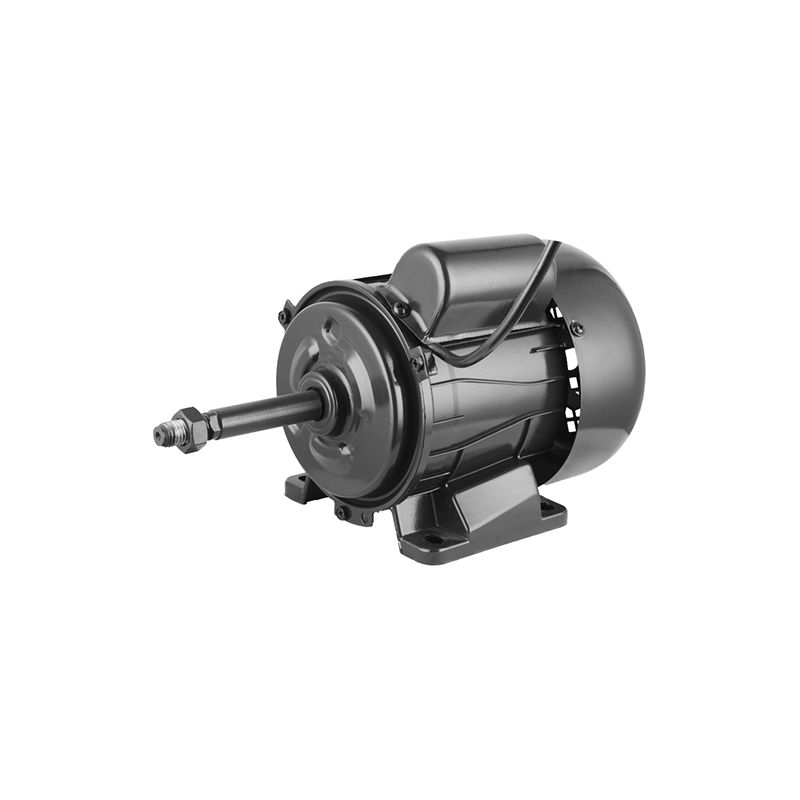
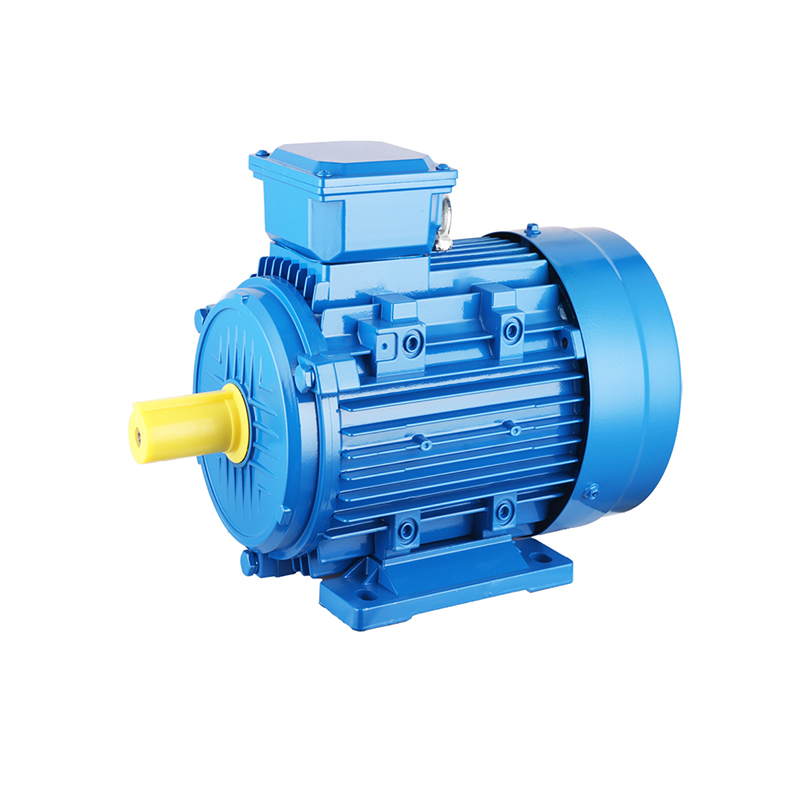
Water pumps show up everywhere — homes, farms, factories, commercial buildings — and their job is always the same: move water along a defined path. The pump itself does the hydraulic work, but it can't do any of that without a motor supplying the mechanical rotation behind it. So the question of AC versus DC motor isn't just academic. It shapes how the system gets powered, how it starts up, how it runs day to day, and what maintenance looks like down the road.
An AC motor for a water pump runs on alternating current, while a DC motor needs direct current instead. But the distinction goes deeper than just the type of electricity flowing through the windings. Motor construction, starting method, speed control options, installation conditions, and what power source is actually available on site — all of these factor into whether a given motor makes sense for a particular pump.
An AC motor turns electrical energy into rotational movement through electromagnetic interaction happening inside the motor housing. That rotation gets passed along the shaft to the pump, which then does its job of pushing water through the connected piping.
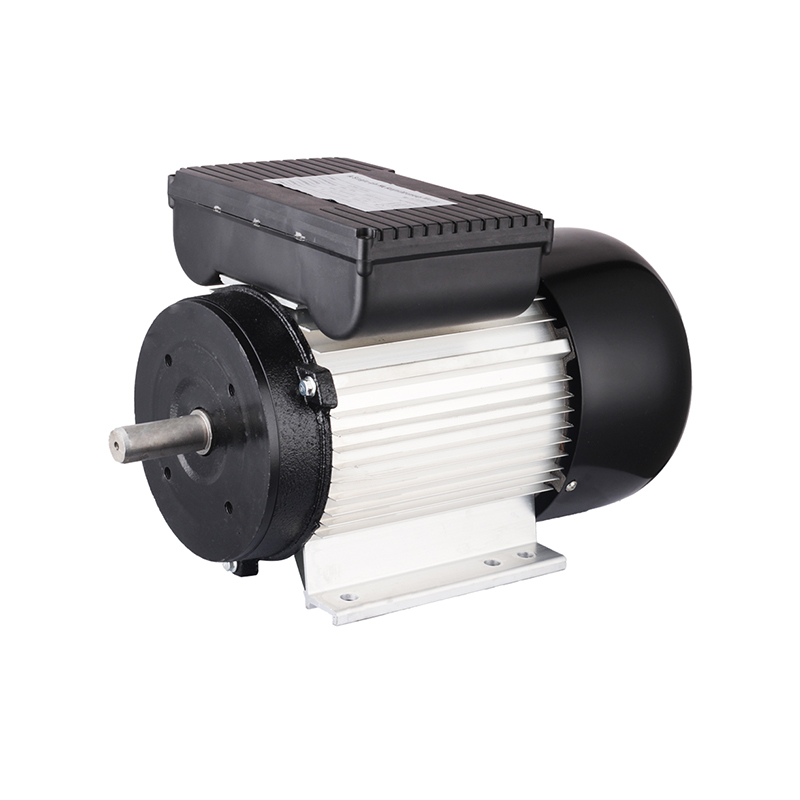
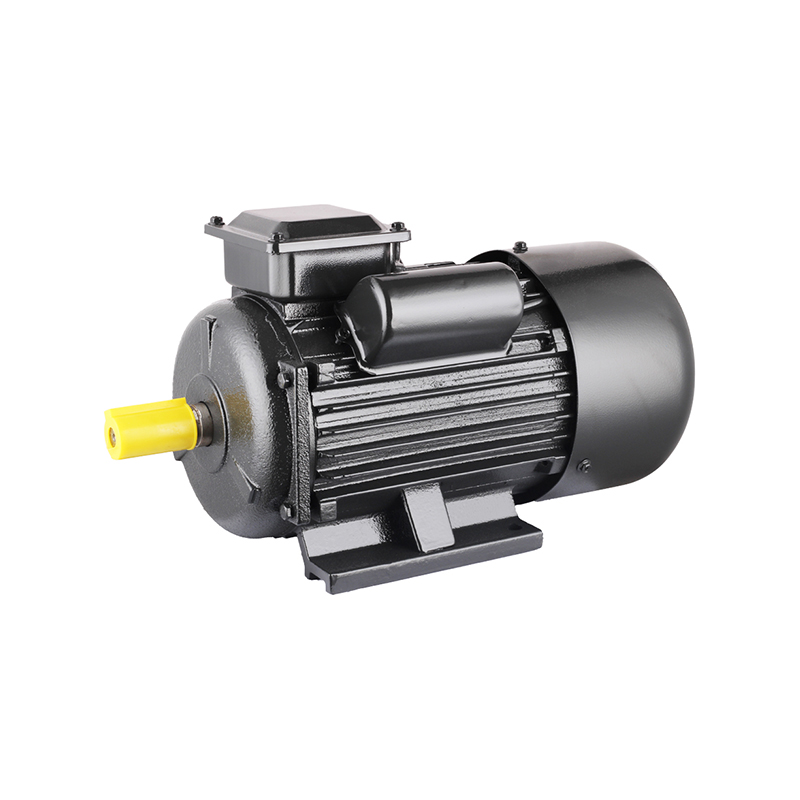
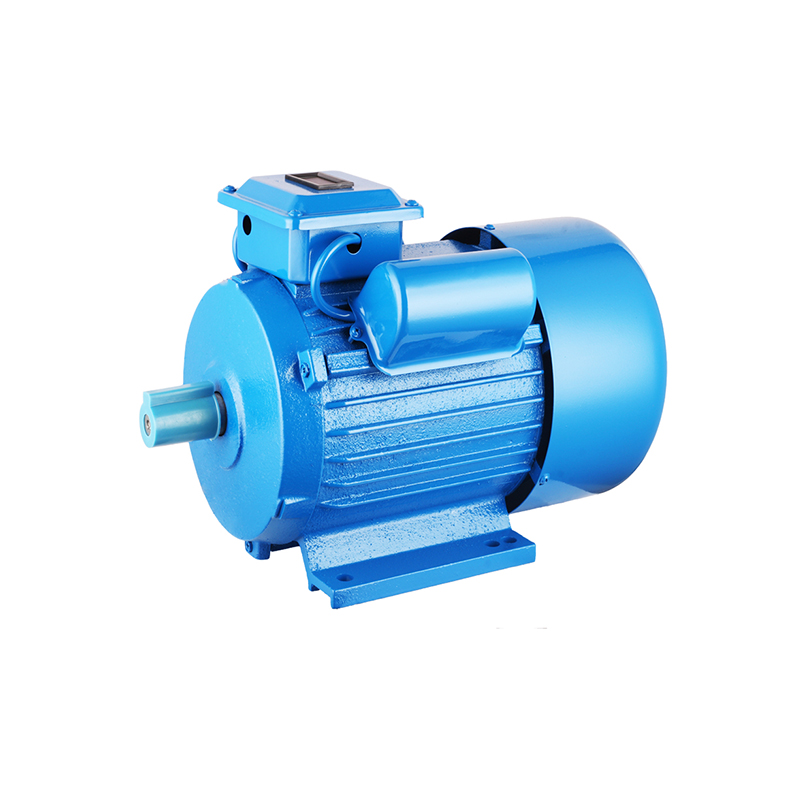
Single‑phase AC motors need a bit of extra help getting started, since a single‑phase supply doesn't naturally create the conditions required for continuous rotation on its own. Depending on how the motor is built, an auxiliary winding paired with a capacitor can provide that initial push. Once the motor settles into normal operating speed, it keeps driving the pump according to whatever load the system places on it.
The motor‑pump relationship matters at both ends — startup and steady operation. Pumps often demand more mechanical effort at the moment they start than once they're running, so motor selection needs to account for the pump's actual operating profile rather than being based on electrical specs alone.
A single‑phase motor works well in installations where single‑phase power is what's actually on offer. This tends to cover smaller water supply setups, irrigation equipment, circulation systems, and other applications where three‑phase power was never part of the electrical infrastructure to begin with.
A DC motor runs off direct current, which sets up a fundamentally different arrangement — especially when the power source is a battery or some other DC supply rather than a grid connection.
These motors fit naturally into pumping systems where DC power is already the norm. Electrical energy gets converted into rotational movement, then transferred to the pump through the shaft just as with an AC setup. When speed needs to be adjusted, electronic control equipment can be added into the mix depending on how the system is designed.
The power source itself tends to dictate a lot of the downstream design decisions. A permanent installation tied into an AC grid is a natural fit for an AC motor, while a mobile or remote pumping unit running off a battery points toward something else entirely. Rather than treating AC and DC motors as swappable options, it makes more sense to look at the electrical setup as a whole before deciding.
A handful of practical factors separate these two motor types, and they're worth laying out side by side.
| Consideration | AC Motor for Water Pump | DC Motor for Water Pump |
|---|---|---|
| Power Supply | Alternating current | Direct current |
| Typical System | Fixed electrical installations | Battery or DC‑based systems |
| Speed Control | Depends on motor and control setup | Adjustable through suitable control equipment |
| Installation | Based on AC supply conditions | Based on DC source and control requirements |
| Selection Focus | Supply, pump load, starting, installation | DC source, control, pump load, installation |
Power supply is usually where the decision starts. An AC motor has to match whatever alternating current is actually available, and a DC motor needs a compatible direct current source. Pairing a motor with the wrong kind of supply tends to cause problems right from startup.
Motor construction also drives differences in how starting and control behave. Single‑phase AC motors often lean on auxiliary components to get moving, while DC motors follow a different path altogether and can be paired with control systems suited to whatever the application calls for.
Installation conditions matter just as much. A pump sitting inside a fixed building faces different electrical and environmental realities than a portable unit running off a battery out in the field. Moisture exposure, ventilation, dust, available space, and how easy the motor is to access for servicing — all of these feed into which motor actually makes sense.
A single‑phase motor becomes a reasonable choice when the site only has single‑phase power available and the pump's mechanical demands line up with what that motor can deliver. Residential water systems, small‑scale irrigation, garden pumps, and circulation setups often fall into this category once their electrical and mechanical conditions check out.
Voltage compatibility alone doesn't settle the question, though. Pump load, starting behavior, operating speed, how the shaft connects, and the installation environment all need to be weighed too. A motor might match the available power supply perfectly and still be the wrong fit if its mechanical output doesn't correspond with what the pump actually needs.
Starting conditions deserve a closer look here, since a pump can demand noticeably more effort at startup than it does once running steadily. For a single‑phase motor, that means the starting arrangement needs to be compatible with both the motor's own design and the pump it's driving.
Selection should start with a straightforward check: what power supply is actually available, and what does the pump need to run properly. The motor's electrical characteristics need to match the installation, and its mechanical output and speed need to suit the pump it's paired with.
Starting conditions deserve their own look too. If the pump places a heavier mechanical demand on startup, the motor needs a starting arrangement built to handle that. For single‑phase setups specifically, the auxiliary winding and capacitor configuration should be matched to the motor's own design rather than treated as an afterthought.
The installation environment is worth factoring in as well. Water exposure, dust, heat, tight ventilation, and limited space can all influence which motor configuration and enclosure type actually make sense. The mechanical connection between motor and pump — mounting method, shaft arrangement, and all — needs to line up too.
Getting to the right AC motor for a water pump usually comes down to weighing all of these factors together — electrical supply, pump load, starting requirements, operating conditions, installation environment — rather than settling the decision based on a single spec sheet number.
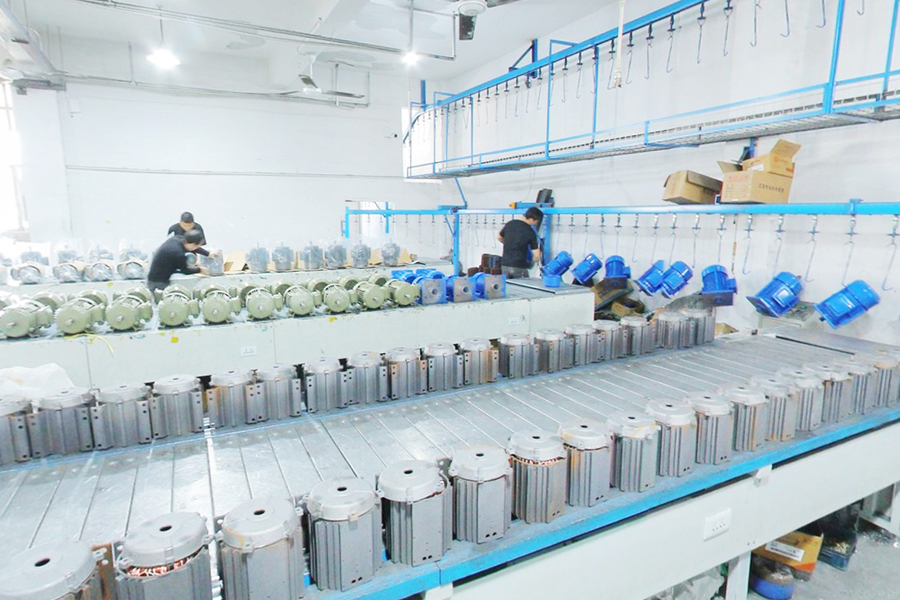
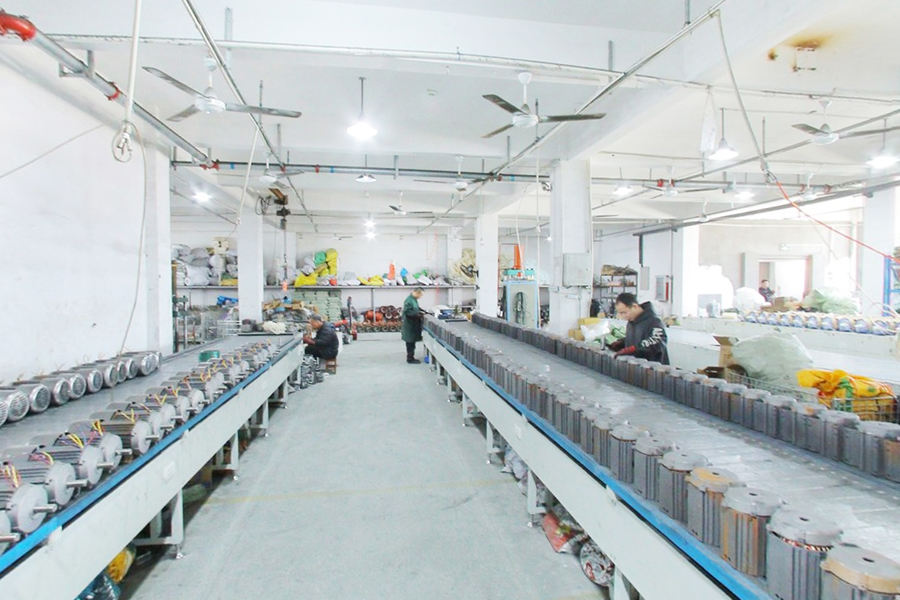
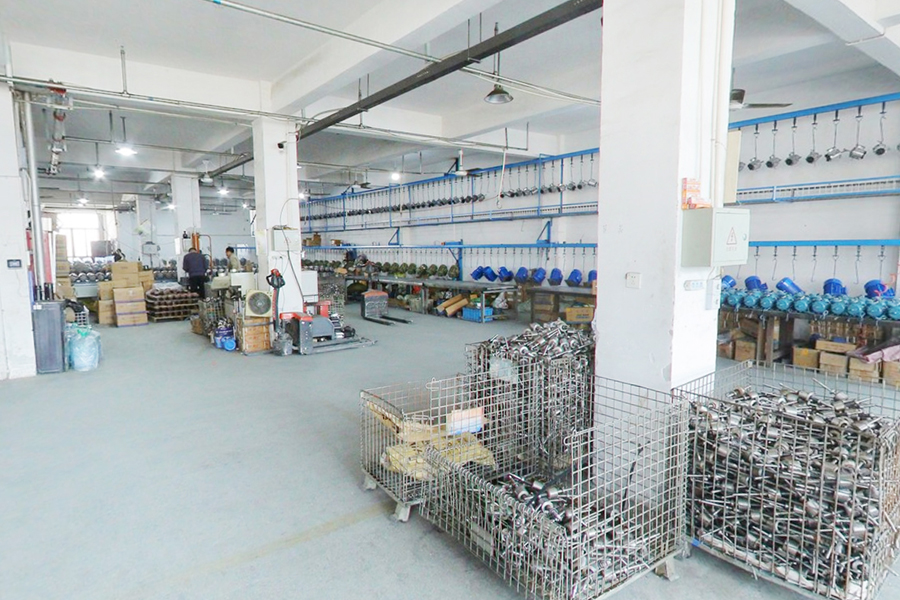
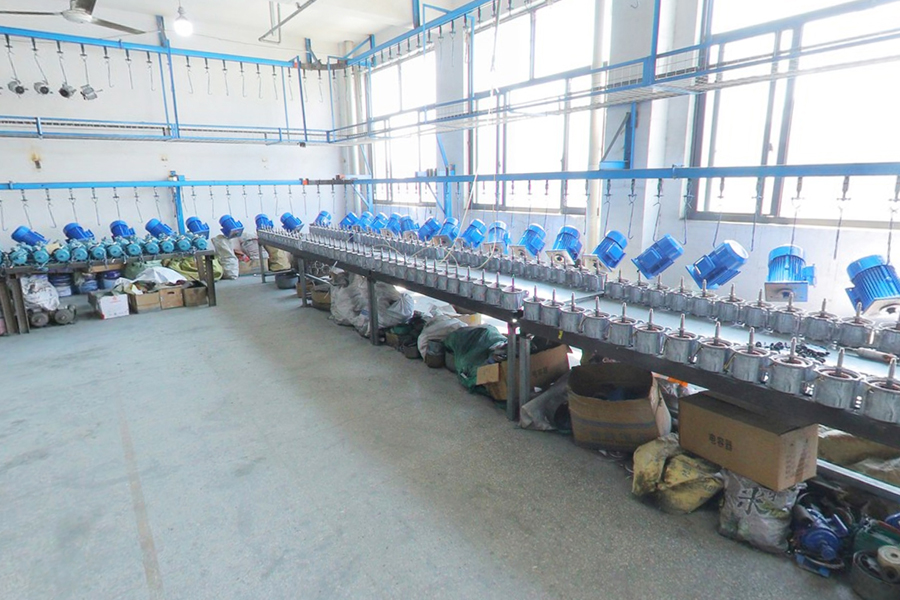
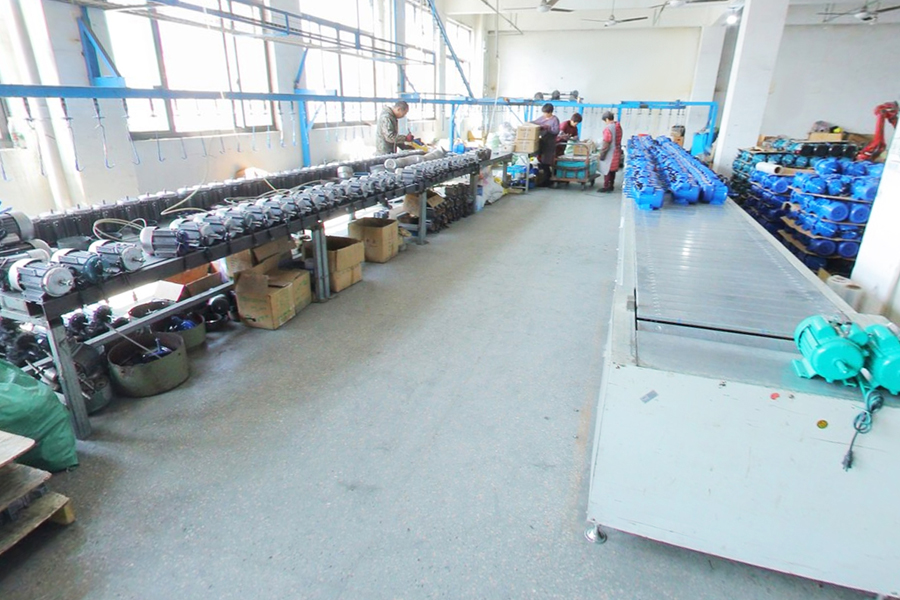
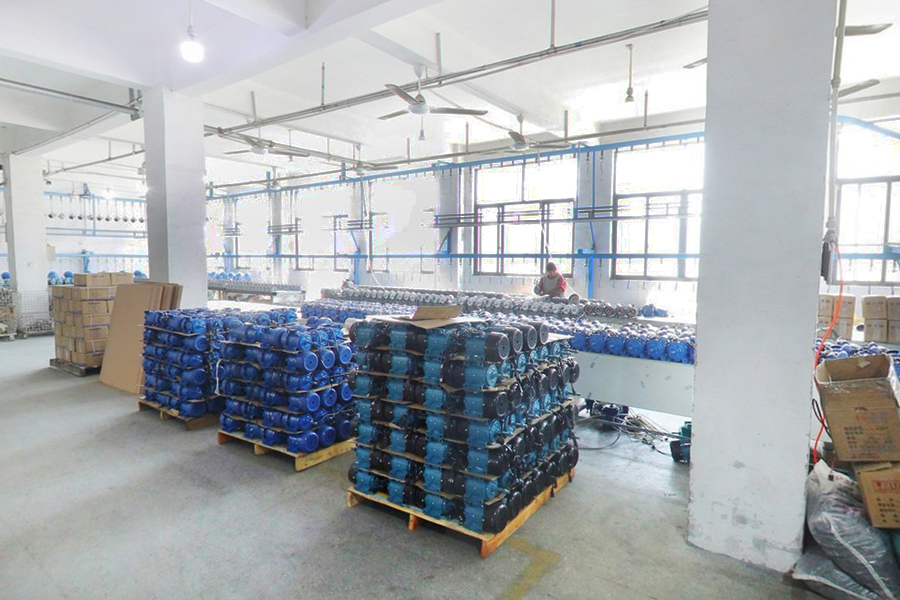
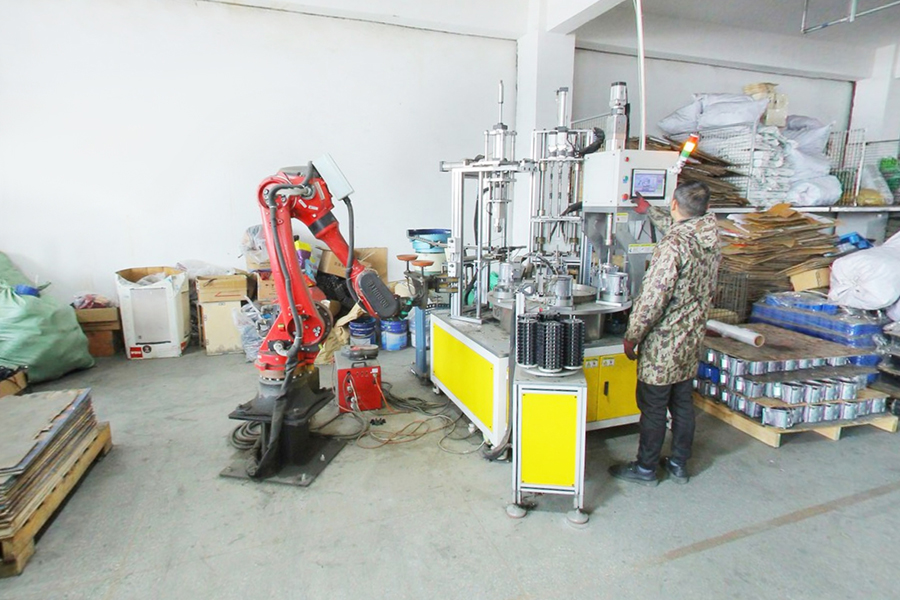
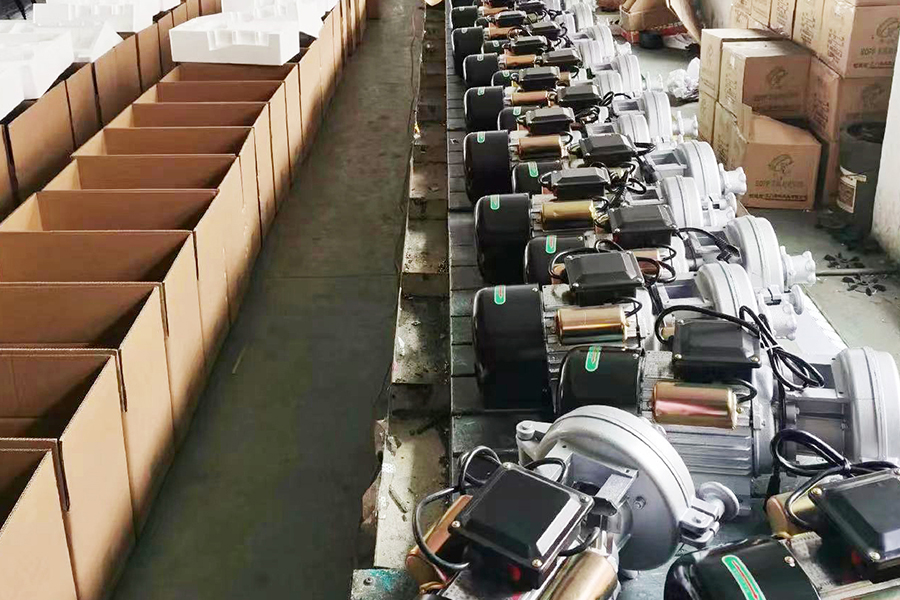
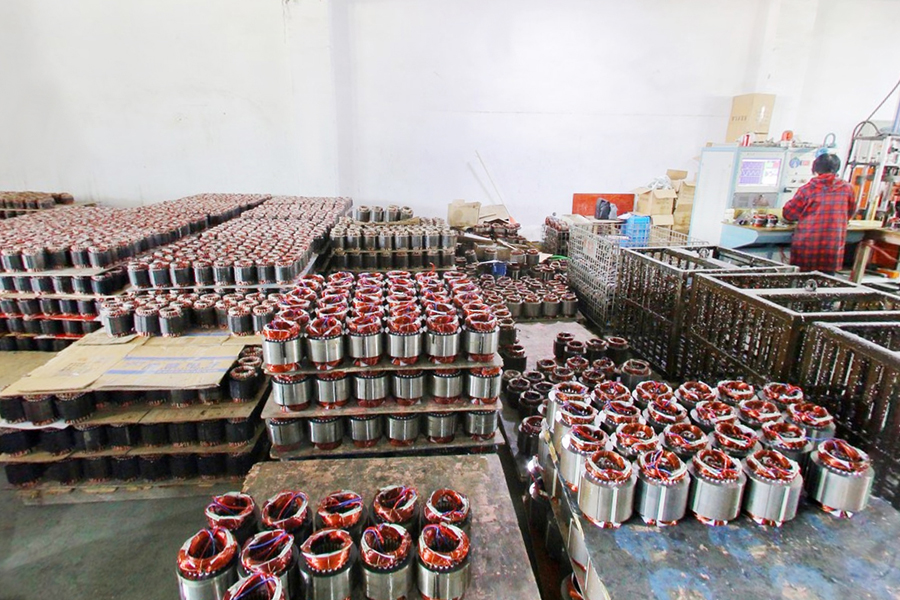
A water pump motor has to work with both an electrical supply and a mechanical load, so production involves more than assembling the main motor parts. The winding, rotor, shaft, bearings, housing, and electrical connections all have to work together after assembly.
For a Single Phase AC Motor Factory, production generally covers winding, rotor processing, mechanical assembly, electrical connection, and operating inspection. The main winding and auxiliary winding need to follow the intended motor design, while the capacitor arrangement has to correspond with the motor's starting or running requirements.
Mechanical assembly also matters. The rotor needs to rotate smoothly inside the stator, and the shaft has to connect correctly with the pump. Problems with bearing installation, shaft alignment, or fastening can later appear as vibration, noise, or unstable operation.
Inspection after assembly provides an opportunity to check electrical connections, insulation, rotation, and general operating behavior. For water pump use, consistent assembly is particularly relevant because the motor normally works against a connected mechanical load.
A pump and its motor should be treated as a connected system. The pump creates the mechanical load, while the motor provides the movement required to operate it. If the motor does not match the pump, problems can appear during startup or continuous operation.
Motor selection normally needs to consider:
Starting conditions deserve attention because the mechanical demand can change when the pump begins operating. A single‑phase motor may use an auxiliary winding and capacitor arrangement to support startup, so the starting design needs to correspond with the connected pump.
Speed is also relevant because the motor's rotational movement affects pump operation. A mismatch can influence water flow, pressure, and the load placed on the motor.
Electrical conditions should not be overlooked. Unsuitable wiring or unstable power can affect startup and running behavior even when the selected motor is otherwise compatible with the pump.
The choice between AC and DC motors is closely related to the power source available at the installation.
An AC motor can fit fixed pumping equipment connected to an alternating current supply. Residential water systems, small irrigation equipment, circulation pumps, and commercial installations may use an AC motor when the electrical and mechanical requirements correspond.
A Single Phase Motor for Water Pump is relevant where single‑phase power is available. Such an arrangement can simplify integration into installations that do not have a three‑phase supply, provided that the motor and pump are properly matched.
DC motors are more closely associated with systems that already use direct current. Battery‑powered or remote pumping equipment can use a DC motor without converting the available DC source into AC beforehand.
The difference is therefore related to the complete system rather than the motor alone. A fixed installation may be planned around an AC supply, while a remote pumping unit may be designed around a battery or another direct current source.
Long‑term operation depends on keeping the motor, pump, electrical supply, and installation environment in suitable condition. Changes in pump load can increase the demand placed on the motor, while poor ventilation can affect heat dissipation.
Regular checks can focus on several practical signs:
The surrounding environment also matters. Moisture, dust, restricted ventilation, and unsuitable mounting conditions can gradually affect motor operation. Maintenance should therefore reflect the actual working environment and operating pattern.
The production process has a direct connection with motor performance in water pump applications. At a Single Phase AC Motor Factory, electrical design and mechanical assembly need to remain consistent throughout production.
Winding work determines the electrical arrangement, while rotor, bearing, shaft, and housing assembly affect mechanical operation. The final motor also needs suitable electrical connections and operating characteristics for the equipment it will drive.
For pump applications, mounting dimensions and shaft configuration are particularly relevant because the motor must connect correctly with the pump. Production inspection can check electrical performance, mechanical rotation, connection condition, and general operation before the motor enters the equipment assembly process.
The practical difference between AC and DC motors begins with the power source but extends into system design. An AC Motor for Water Pump can suit fixed AC‑powered equipment, while a DC motor can be used where direct current is already available. Within AC systems, a Single Phase Motor for Water Pump can fit installations supplied by single‑phase power. The final selection depends on the relationship between the electrical source, pump load, starting condition, motor design, and installation environment.



Asynchronous Motor Manufacturer



 English
 中文简体
中文简体