-
 [email protected]
-
 +86 15857619833
-
+86-18989628252
[email protected]
+86 15857619833
+86-18989628252

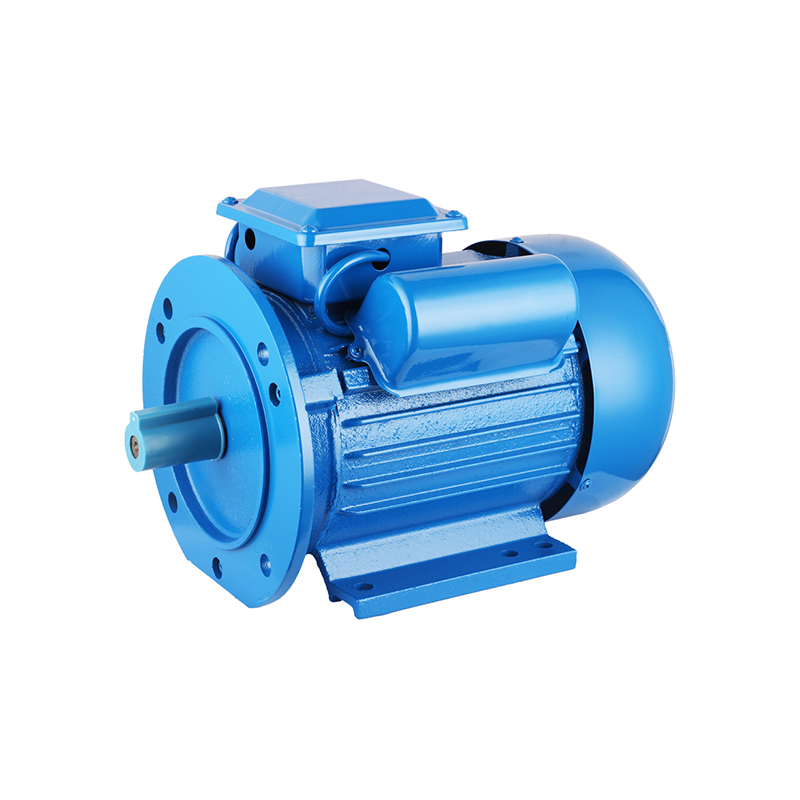
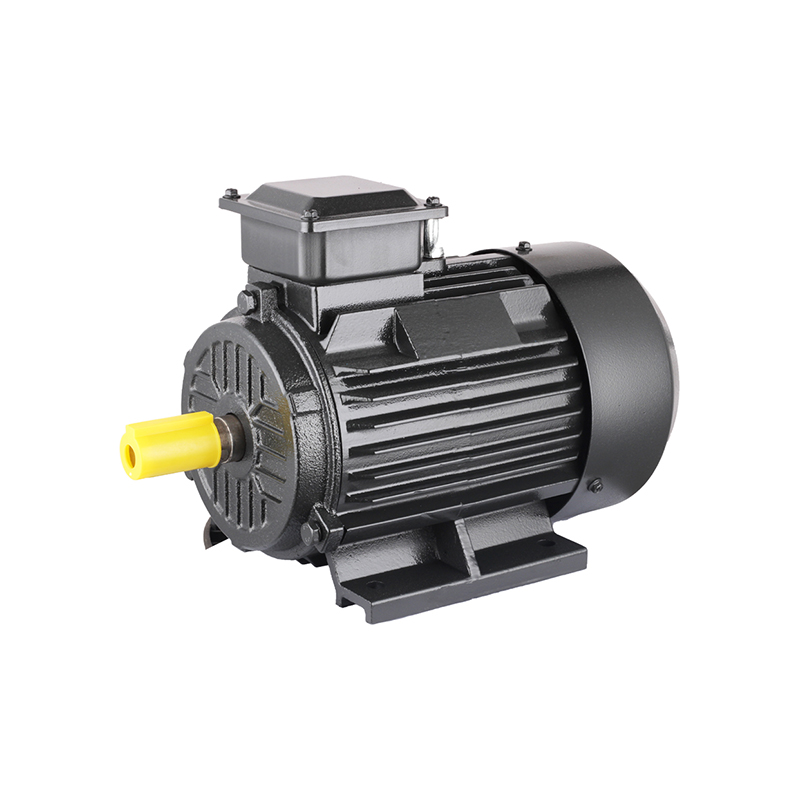
A water pump may stay running for a long period while moving water between tanks, supplying a building, circulating liquid, or supporting another piece of equipment. Motor behavior during a short start‑up can differ from what happens after hours of steady operation, so selection cannot focus only on starting the pump.
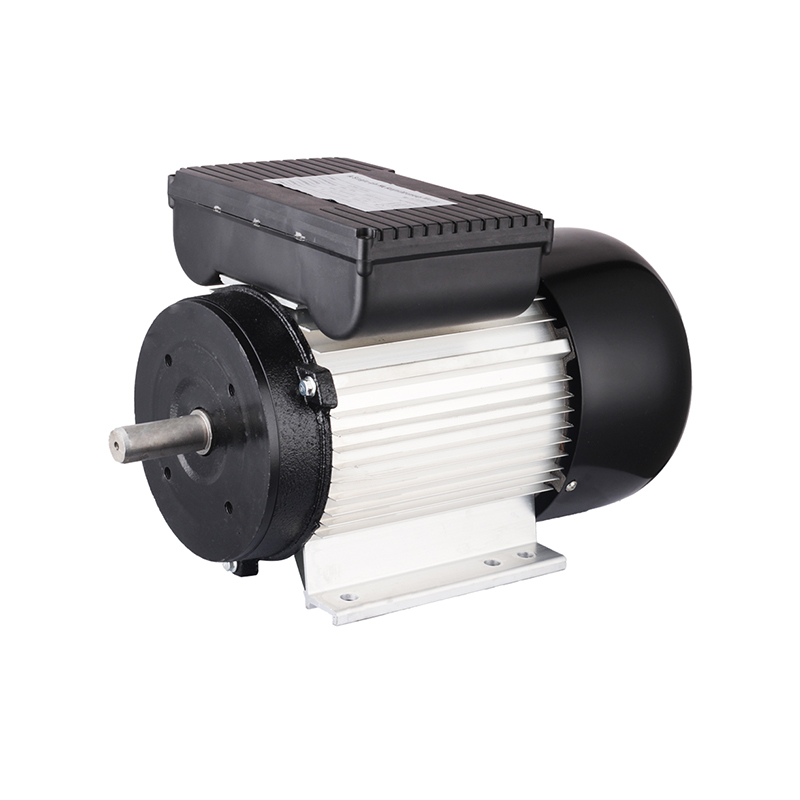
A Single Phase Motor for Water Pump works together with the pump, pipework, valves, and electrical supply. Any change within one part can affect the workload placed on another. A restricted pipe, for instance, can change water movement and make the pump work under conditions different from normal operation.
Heat is one of the easier signs to notice during extended running. Current passing through internal windings produces heat, while bearings and other moving parts create some heat through friction. Under normal conditions, surrounding air carries heat away from the housing. Poor ventilation can slow that process.
Small faults may also become clearer during long operation. A connection that appears normal during a brief test may become warm during extended use. A bearing with developing wear may produce a faint change in sound before stronger vibration appears. Dust around ventilation openings can gradually reduce airflow as well.
For a pump expected to operate for long periods, several simple points deserve attention:
Looking at the complete working setup gives a more realistic picture of continuous operation than judging the motor alone.
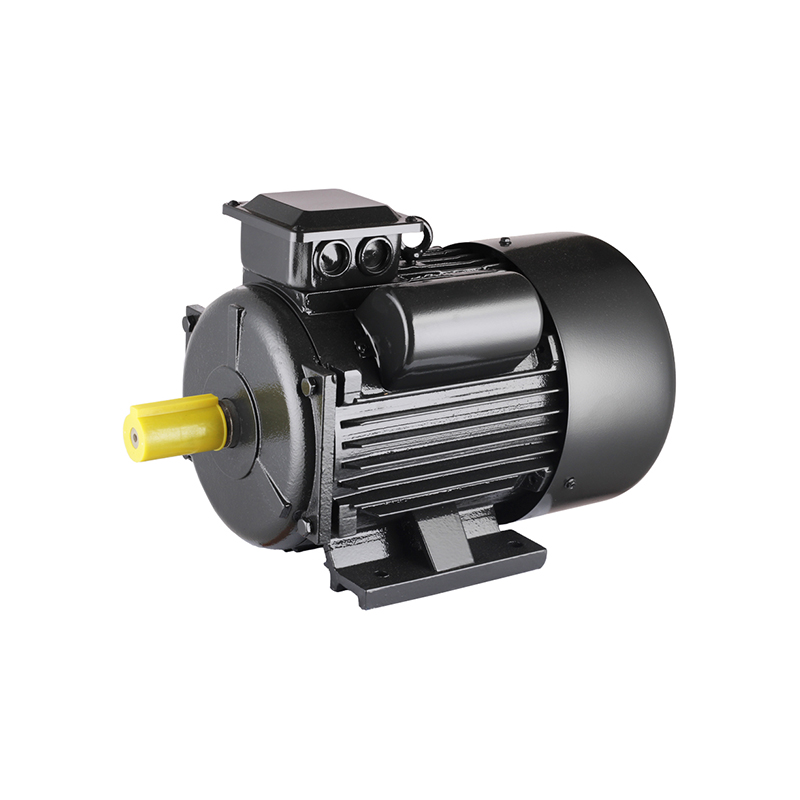
Inside a motor, electrical energy produces rotational movement, and that movement is transferred to the pump through the shaft or connected drive arrangement. Once rotation begins, electrical and mechanical parts remain active for as long as pumping continues.
Heat naturally appears during operation. Some comes from electrical resistance within the windings, while moving components create additional heat through friction. Under a steady load, heat needs to leave the motor at roughly the same pace as it is produced. A problem can arise when heat builds faster than surrounding conditions allow it to escape.
Housing design has a role here. A suitable housing can help transfer heat away from internal components, while open space around the motor allows warmer air to move away. Installing equipment inside a cramped enclosure can change cooling conditions even when the motor itself has not changed.
Electrical connections deserve similar attention. A loose connection can create abnormal heating and may affect motor operation. Stable supply conditions also help maintain consistent running behavior.
Pump load is another variable. Water resistance does not remain identical in every installation. Pipe restrictions, valve settings, changes in flow, or a pump that needs maintenance can alter the effort required from the motor.
A useful way to look at continuous operation is to follow the chain:
Electrical supply → Motor rotation → Pump movement → Water flow → Heat
A change anywhere along that chain can influence another part. Greater resistance in the pumping system can increase motor workload, while poor heat release can raise operating temperature.
Long running therefore depends on several conditions working together rather than one motor feature acting on its own.
Motor heat usually comes from several sources at the same time. Electrical resistance inside the windings produces heat whenever current passes through them. Friction around bearings and other moving areas adds another source, while a heavier pump load can increase the overall thermal burden.
Surrounding conditions also matter. A motor placed in a warm room, enclosed cabinet, or poorly ventilated corner may release heat more slowly than equipment installed where air can circulate freely.
Pump condition can change the situation as well. A partially blocked passage may restrict water movement, while an abnormal valve position can alter flow resistance. Running conditions can therefore shift even when the motor continues to receive the same electrical supply.
| Condition | What May Happen During Long Operation |
|---|---|
| Electrical Resistance | Internal Temperature May Increase |
| Bearing Friction | Heat Can Build Around Moving Parts |
| Greater Pump Load | Motor Has More Work to Perform |
| Poor Airflow | Heat Leaves the Housing More Slowly |
| Warm Installation Area | Cooling Becomes More Difficult |
| Pump Restriction | Operating Load May Change |
Temperature itself is not automatically a sign of failure. Motors naturally become warm during operation. Greater concern arises when temperature changes noticeably from normal working behavior, especially when heat appears together with unusual sound, smell, vibration, or reduced pumping performance.
Insulation around electrical components is affected by prolonged heat exposure. Moving parts can also suffer when friction increases. A bearing that develops wear may require more effort to rotate, creating additional heat and potentially increasing the load on the motor.
For continuous pumping, temperature should therefore be viewed alongside other operating signs. Checking only the outside of the housing may not reveal the source of a problem, so changes in sound, vibration, flow, and electrical connections can provide useful clues.
A pump does not always place the same demand on its motor. Water pressure, pipe resistance, valve position, flow conditions, and pump condition can all change the effort required for rotation.
Starting is a separate stage because the motor must bring the rotating parts and connected pump into motion. Once normal rotation has been reached, the workload depends largely on the conditions within the pumping system.
Suppose a passage becomes partly restricted. Water movement changes, and the pump may operate under greater resistance. A similar change can occur when a valve is adjusted or when deposits interfere with water movement. Such conditions may place additional demand on the motor during a long operating period.
Matching pump and motor requirements is therefore important. A motor that is suitable in one pumping setup may not behave the same way when connected to a different pump or pipe arrangement.
Routine observation can help identify changes early:
Mechanical alignment should not be overlooked. A poor connection between motor and pump can create extra vibration or friction, adding unnecessary work to rotating components.
Continuous operation becomes easier to manage when motor behavior is considered together with pump behavior. Electrical supply, mechanical connection, water movement, cooling conditions, and maintenance all influence how the system performs over a long run.
Long periods of pump operation place a steady workload on the motor, so attention usually goes beyond power output. Housing, bearings, shaft, insulation, and cooling all affect how the unit behaves during regular use.
A motor housing has two basic jobs: protecting internal parts and helping release heat. Installation surroundings matter here. A housing placed close to a wall or inside a crowded cabinet may have less air movement, making heat removal harder during extended running.
Bearings are worth checking during routine maintenance. Smooth rotation normally produces little mechanical disturbance. A worn bearing may gradually introduce noise, vibration, or extra resistance. Small changes can be easier to notice when compared with the normal sound and feel of the equipment.
Shaft alignment deserves similar attention. Pump and motor shafts need to work together without unnecessary side movement. Poor alignment can increase vibration and friction, placing additional stress on rotating parts.
Electrical insulation also has a close relationship with temperature. Normal operation creates heat inside the motor, so insulation needs to remain suitable for its intended working conditions.
Rather than judging a motor by one feature, a practical inspection can look at several parts together:
A motor installed in an open pump room may experience different conditions from one placed in a narrow service cabinet. Damp surroundings create another concern, especially where electrical connections are close to water.
Pump equipment can be found in many settings, from indoor utility rooms to outdoor water systems. Each location brings its own combination of moisture, dust, temperature, and airflow.
An AC Motor for Water Pump needs to suit those surrounding conditions. Moisture is worth particular attention because water near electrical connections can create problems over time. Condensation can also appear in enclosed spaces when warm and cool conditions alternate.
Airflow can be easy to overlook during installation. A motor may have adequate ventilation in an open area, then receive much less airflow after equipment, panels, or stored materials are placed nearby.
Dust creates a similar issue. Accumulation around ventilation openings can reduce air movement and make cleaning more difficult. Regular inspection helps prevent the surrounding area from becoming a hidden source of operating trouble.
Simple installation checks include:
Pipe arrangement can influence operating conditions too. Unnecessary resistance in the water path may change pump loading, while poor access around pipes can make later maintenance inconvenient.
Good installation planning therefore considers the motor, pump, pipes, surrounding space, and maintenance access as one working arrangement.
A pump motor rarely gives a clear warning before every problem. Small changes in sound, vibration, temperature, or water flow can appear gradually, making regular observation useful during routine operation.
Sound provides a simple reference. Equipment that normally produces a steady operating noise may begin making a rough, clicking, humming, or rattling sound when a mechanical condition changes. A new sound does not identify the exact cause, though it gives a reason to stop and inspect.
Vibration can offer another clue. Changes may come from alignment, bearing wear, mounting condition, or the pump itself. Looking at both motor and pump helps avoid placing responsibility on one component without checking the rest of the system.
Electrical connections also deserve periodic inspection. A connection that has loosened over time may develop unwanted heat or affect normal operation.
Ventilation areas should stay reasonably clean. Dust and dirt can gather around openings, particularly in rooms where other equipment produces particles.
A straightforward maintenance routine can include:
Pump condition should remain part of the same inspection. A blockage, worn pump component, or change in water flow can alter motor loading even when electrical parts remain in normal condition.
Maintenance works better when observations are compared over time. A gradual change is easier to investigate when normal operating behavior is already familiar.
Choosing a motor for long‑running water service starts with the pump and the actual working environment. A motor that suits one installation may need different consideration in another because water flow, pipe resistance, electrical supply, and surroundings can vary.
For a Single Phase Motor for Water Pump, expected running conditions should be considered before selection. Short operating cycles and extended pumping place different demands on equipment, so intended use needs to be clear.
| Area | Practical Points |
|---|---|
| Pump | Pump Type, Load, Flow, and Working Condition |
| Electrical Supply | Supply Type and Connection Condition |
| Operation | Short Cycles or Extended Running |
| Location | Indoor, Outdoor, Damp, or Enclosed Area |
| Cooling | Airflow Around the Housing |
| Connection | Mounting and Shaft Alignment |
| Maintenance | Access for Cleaning and Inspection |
Pump and motor compatibility should be checked as a pair. A motor may have suitable electrical characteristics while the connected pump creates an unsuitable mechanical load. Looking at both sides helps reduce that risk during selection.
Installation space is another practical issue. A motor that cannot be reached easily becomes harder to inspect, clean, or service. Leaving reasonable access around important parts can make routine maintenance less troublesome.
Environmental conditions should also be recorded before installation. Moisture, dust, heat, and airflow can all affect operating behavior during long running periods.
For continuous water pumping, reliable operation is less about one isolated component and more about how the motor, pump, electrical supply, cooling conditions, and installation work together. Regular inspection then helps keep those conditions within a suitable working range.


Asynchronous Motor Manufacturer



 English
 中文简体
中文简体