-
 [email protected]
-
 +86 15857619833
-
+86-18989628252
[email protected]
+86 15857619833
+86-18989628252

Farm water systems often work in conditions that are quite different from indoor equipment. Dust can settle around the pump area, moisture may remain after irrigation, and soil or plant material can collect near the equipment. Regular maintenance therefore involves more than checking whether a motor can start.
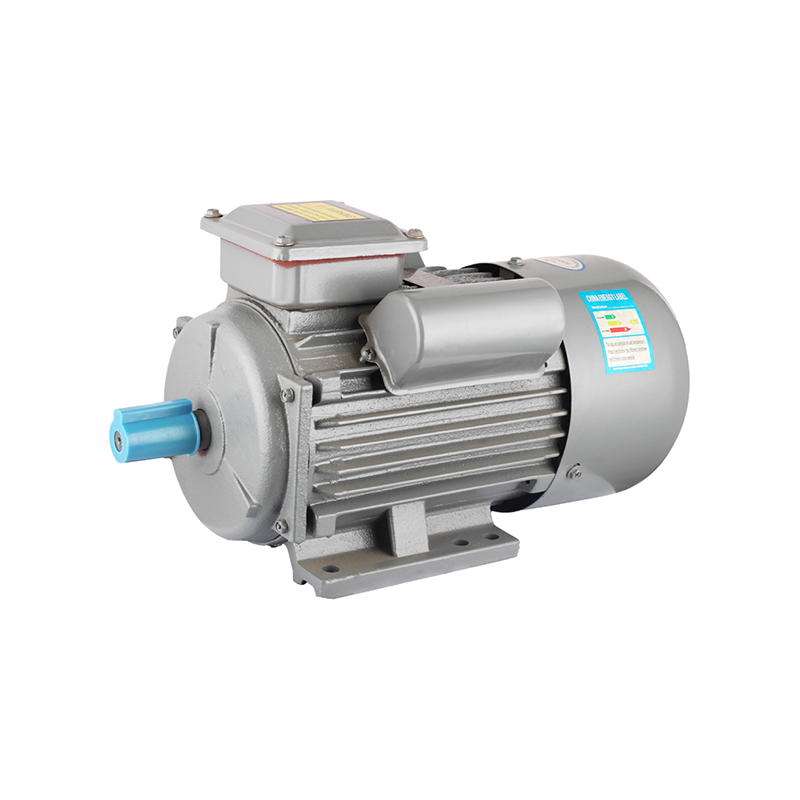
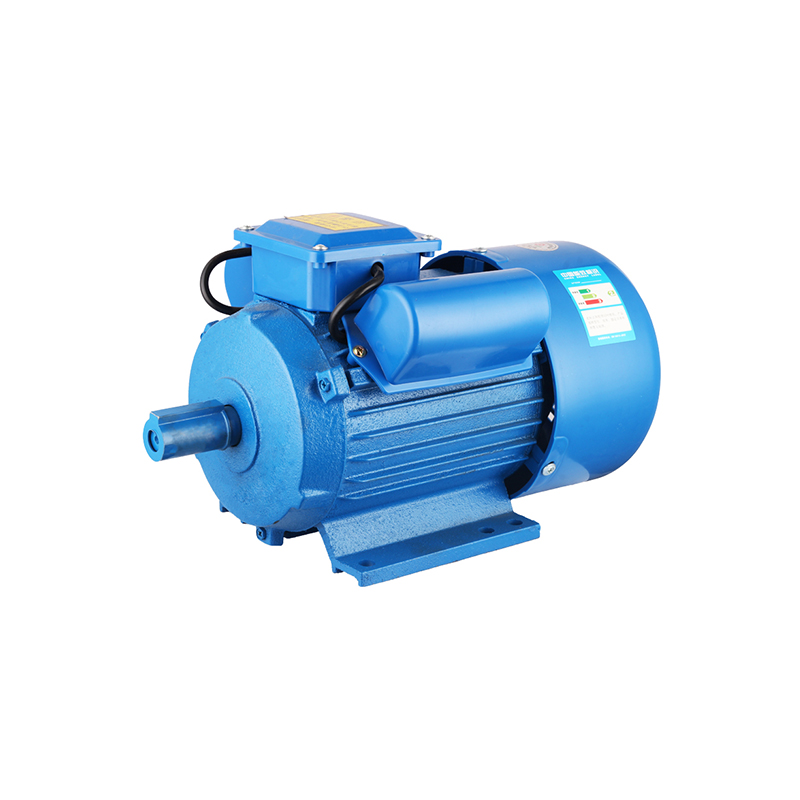
A Single Phase Motor for Water Pump needs attention to its physical condition, electrical connections, cooling area, and running behavior. The exact maintenance routine can vary according to installation and working conditions, yet several basic checks are useful across many farm applications. Looking at these areas in a practical order can make daily equipment care easier to manage.
Water pumps may support irrigation, livestock watering, cleaning work, or other routine farm activities. When a motor drives the pump, its condition can affect how smoothly the whole water system operates. A small problem around the motor may not stop operation immediately. Loose connections, accumulated dirt, moisture, or unusual vibration can gradually change the way the equipment runs.
Farm environments also expose equipment to conditions that are not always easy to control. Open areas can bring dust and plant debris, while enclosed pump spaces may hold moisture. Mud can be carried into the working area by boots, tools, or vehicles. These surroundings make simple cleaning and inspection part of normal equipment care.
A practical maintenance routine usually looks at several areas rather than focusing on one component:
Routine observation also creates a useful reference for future checks. When familiar equipment suddenly sounds different or begins to vibrate more than usual, the change is easier to notice when its normal operating condition is already known.
A quick inspection before operation can reveal problems that may otherwise remain unnoticed. The motor does not need to be dismantled for every check. In many cases, visible conditions around the equipment provide useful information.
Start with the exterior. Look for cracks, damaged covers, loose parts, or dirt that has built up around openings. The area around the pump should also remain reasonably clear. Tools, bags, plant material, and other objects should not interfere with the motor or pump.
The connection between the motor and pump deserves attention as well. A pump system may experience movement during operation, especially when parts become loose. Checking the mounting and visible connection points can help identify changes before they develop into a larger mechanical issue.
Electrical parts should be observed without touching exposed conductors. Look for signs such as damaged insulation, loose wiring, moisture, or unusual discoloration around connection areas. Power should be disconnected before any hands‑on electrical inspection or cleaning.
The condition before startup can also provide clues about what happened during the previous operating period. For example, water marks near the motor may indicate unwanted moisture exposure, while a layer of dust around ventilation areas may suggest that cleaning is needed.
Cleaning is a simple part of motor care, although the method matters. Dust and plant debris can gather around the housing and nearby areas. When material blocks ventilation openings, heat may have more difficulty leaving the motor during operation.
The surrounding area should therefore be kept free from unnecessary debris. A dry cloth or suitable soft cleaning method can be used for accessible external surfaces when the equipment is switched off and safe to handle. Loose dirt should be removed without forcing it deeper into openings.
Water needs more careful handling. A motor used near irrigation equipment may be exposed to splashes, but direct water application during cleaning can create an avoidable risk around electrical components. Wet cleaning should only be considered where the equipment and its installation conditions allow it, followed by appropriate drying.
| Maintenance Area | What to Check | Practical Care |
| Motor housing | Dust, dirt, visible damage | Clean the exterior gently |
| Ventilation area | Blocked openings or debris | Keep airflow paths clear |
| Electrical connections | Damage, looseness, moisture | Inspect with power disconnected |
| Pump connection | Movement or loose parts | Check visible mounting points |
| Surrounding area | Mud, plants, tools, standing moisture | Keep the working space clear |
Cleaning should not become an aggressive process. Scraping the housing with unsuitable tools or directing water toward electrical areas can create new problems while trying to remove old dirt. A controlled approach is easier to maintain as part of regular farm work.
Electrical maintenance should focus on visible condition and safe operation. Before checking cables, switches, or connections directly, the power supply needs to be disconnected according to the equipment's safety requirements.
Cables should be examined for cuts, cracked insulation, exposed sections, or signs of wear. Connections can also be checked for visible looseness or discoloration. Moisture around electrical areas deserves attention, particularly where the pump operates outdoors or near irrigation lines.
A Single Phase Motor for Water Pump may be installed in different farm environments, so protection from moisture and physical damage can vary. The installation should match the motor's intended operating conditions rather than relying on cleaning or temporary covers alone.
Unusual electrical behavior should not be treated as a routine maintenance issue. Difficulty starting, repeated stopping, burning smells, or visible damage calls for a proper inspection before normal operation continues.
Electrical checks are closely connected with the physical inspection already discussed. Once the exterior is clean and accessible, damaged wiring or moisture marks are easier to notice. That makes the next stage of maintenance—observing how the motor actually runs—much easier to carry out.
Once the motor has passed a visual and electrical check, attention can turn to its running condition. Sound and movement can tell something about how the motor and pump are working together. Farmers who use the same equipment regularly can often notice a change simply because the normal operating sound is familiar.
A steady change deserves attention even when the pump is still moving water. Rattling, scraping, repeated clicking, or a new humming sound may come from a loose part, contact between components, or another issue that needs inspection. The source should not be assumed from sound alone.
Vibration is also worth observing. A slight movement during operation can be normal for some installations, while a sudden increase may indicate that something has changed. The pump connection, mounting points, and surrounding structure can all affect how movement is felt.
A useful observation routine can include:
Changes do not always come from the motor itself. The pump, mounting arrangement, or water system can also influence running behavior. Looking at the complete setup helps prevent a small symptom from being treated as a motor problem without further checking.
The connection between a motor and water pump is exposed to repeated movement during operation. Over time, fasteners and other connection points may loosen, particularly when the equipment is used frequently or installed in an area where the surrounding structure moves.
Inspection should begin with accessible mounting points. Check whether bolts, brackets, covers, and other visible parts remain in their expected position. Any unusual movement should be investigated before the equipment returns to normal operation.
The shaft area also deserves attention where it can be inspected safely. Dirt, plant material, or other debris around moving parts should not be ignored. Hands and loose clothing should always remain away from moving equipment during operation, and power should be disconnected before hands‑on cleaning or inspection.
Maintenance timing can also follow the working pattern of the farm. Equipment that operates regularly may benefit from routine checks built into normal work. A pump that has been inactive for a period should also be inspected before being put back into service.
For a Single Phase Motor for Water Pump, checking the motor alone is not enough. The motor and pump work as one operating system, so changes at their connection points can influence noise, vibration, and overall running condition.
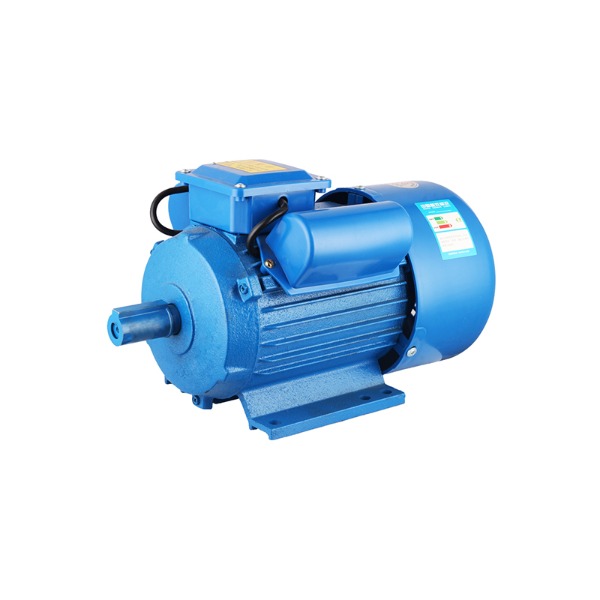
The environment around a water pump has a direct effect on the type of care required. A pump installed beside an irrigation area may face moisture and mud, while equipment in a storage building may deal with dust and limited airflow. Neither setting calls for exactly the same maintenance routine.
Outdoor equipment may also be exposed to leaves, grass, soil, and other material carried by wind or farm activity. Keeping these materials away from ventilation openings and electrical areas can make routine inspection easier.
Moisture deserves particular attention. Water may come from irrigation, cleaning, rain, condensation, or accidental splashing. A motor housing can look dry on the outside while moisture remains around nearby electrical connections. Inspection should therefore cover both the motor and the space around it.
Different working conditions can change the maintenance focus:
Storage also matters when the pump is not being used. The equipment should be kept in conditions suitable for its construction, with unnecessary moisture and dirt kept away. Before restarting, an inspection can confirm that cables, covers, connections, and surrounding areas remain in usable condition.
Good maintenance does not need to be complicated. A simple routine that fits naturally into farm work can make equipment condition easier to observe. The aim is to notice changes early and deal with them safely rather than waiting for the pump to stop working.
Cleaning, inspection, and operating observation work better together than as separate tasks. Removing dirt makes physical problems easier to see. Checking connections helps explain unusual vibration. Listening during operation provides another way to notice changes that may not be visible.
A practical routine can follow a simple sequence:
Records can also be useful when several people share responsibility for farm equipment. A short note about an unusual sound, a loose connection, or cleaning work can give the next operator useful background.
Maintenance should also remain within the limits of the equipment instructions. Electrical repairs, damaged wiring, or mechanical faults may require qualified service rather than routine cleaning. Continuing to operate equipment after a clear fault appears can create additional problems.
The same principle applies to the Single Phase Motor for Water Pump used in different farm settings: maintenance needs to reflect actual operating conditions. Regular observation, careful cleaning, safe electrical checks, and attention to the pump connection can keep daily equipment care practical without turning routine farm work into a complicated process.



Asynchronous Motor Manufacturer



 English
 中文简体
中文简体