-
 [email protected]
-
 +86 15857619833
-
+86-18989628252
[email protected]
+86 15857619833
+86-18989628252

Picture a small workshop on a cold morning. A worker flips the switch on a water pump. The motor buzzes, the shaft stays still, and a faint warm smell drifts up from the housing. Someone says, "It's the capacitor." Sometimes that's right. Sometimes it's a costly guess.
A single phase supply creates a magnetic field that pulses in one line. A pulsing field can keep a spinning rotor going, but it can't start a stationary one. The rotor needs a rotating push.
Motor designers solve this with a second winding and a small electrical helper. Together they stage a timing difference between two currents. That difference makes the magnetic field behave as if it were rotating, and the rotor follows it.
Here is the cast of characters:
If any one of them misbehaves, the rotor may get a weak push or none at all.
Think of it as a short-term assistant. It joins the auxiliary winding, helps the rotor gain speed, and then steps out. The motor carries on with its main winding.
Because it only works briefly, this type of capacitor is built for short duty. If it stays connected too long, it can heat up and wear out early. That's why a switch or relay is usually part of the arrangement.
Three details are worth remembering:
Buzzing feels like proof that the motor is "alive," so people assume it only needs a nudge. In reality, the sound simply means current is flowing and magnetic force is present. It doesn't confirm that the force is arranged in the right pattern to turn the rotor.
A few situations can produce the same sound:
So the buzz works like a smoke alarm. It tells you something needs attention, not where the fire is.
| Clue You Notice | Area Worth Inspecting | Who Should Handle It |
|---|---|---|
| Buzzing, shaft stays still | Capacitor, starting switch, auxiliary winding | Qualified technician |
| Starts after a manual spin | Starting circuit may not be providing a proper push | Qualified technician |
| Runs freely, stalls on the machine | Mechanical load, coupling, or driven equipment | Maintenance team |
| Trips the breaker at startup | Wiring, winding insulation, or overload condition | Licensed electrician |
| Warm smell or swollen capacitor case | Capacitor condition and surrounding heat | Qualified technician, power off |
| Slow acceleration | Supply conditions, capacitor, or added friction | Maintenance team |
Use this as a conversation starter with your technician. It narrows the search without replacing a proper inspection.
No, and this is where many repairs go sideways. A few other possibilities deserve a fair look.
In capacitor-start designs, a centrifugal switch or electronic relay controls when the helper joins and leaves the circuit. Dust, wear, or a bent contact can keep it from closing at startup. A switch stuck closed can leave the capacitor connected long after it should have left.
A motor can be perfectly healthy and still lose a tug-of-war. A clogged pump, a seized bearing in a fan, or a belt that has become tight can all raise the effort needed at standstill. Try turning the shaft by hand with the power off and locked out. A rough or heavy feel points to the machine, not the motor.
Heat and age can damage the auxiliary winding. A new capacitor can't repair that. A technician can check winding continuity with proper instruments.
Loose terminals, a weak connection, or unsuitable supply conditions can leave the motor short of what it needs. Check these before opening the motor.
It's a common question, and the short answer is no.
| Aspect | Starting Type | Running Type |
|---|---|---|
| Role | Helps the rotor begin turning | Keeps operation smooth and balanced |
| Time connected | Brief, at startup | Continuous while powered |
| Typical pairing | Switch or relay | Wired in permanently |
| Risk if misused | Overheating or early failure | Weak startup under load |
Some motors use both. Others use a single running capacitor that stays connected. A few rely on a different method altogether, such as shaded-pole or split-phase designs. The motor's nameplate and wiring diagram tell you which one applies.
Capacitors can store a charge after the power is off. That stored energy is the reason for a few simple habits:
Local electrical rules differ by region, so follow the codes that apply where you work.
Equipment makers and purchasing teams often deal with this problem from the other side. The question is not how to fix a motor but how to choose one that suits the machine from the start.
A short checklist helps:
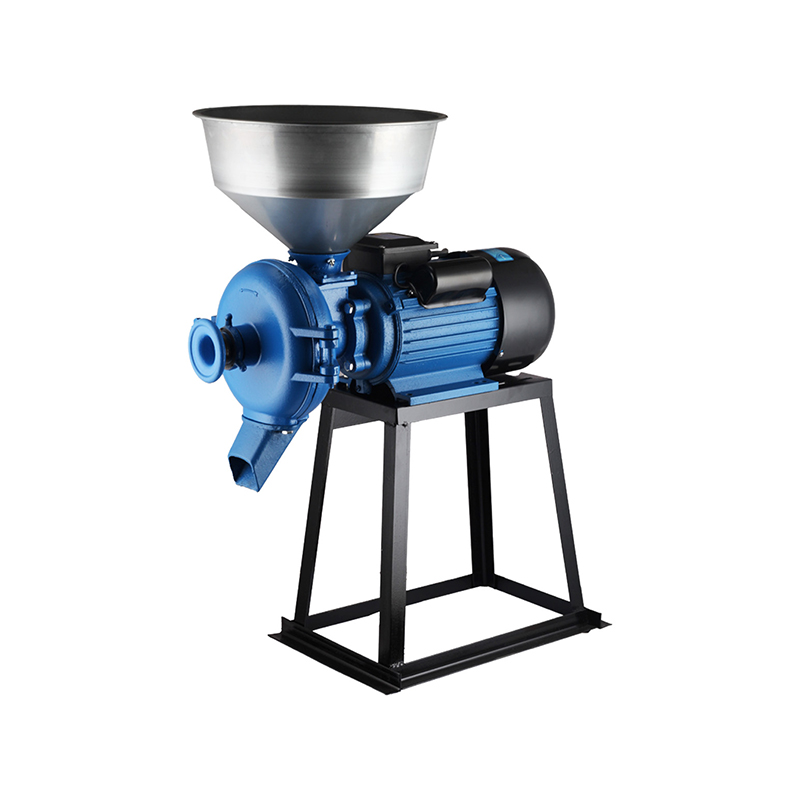
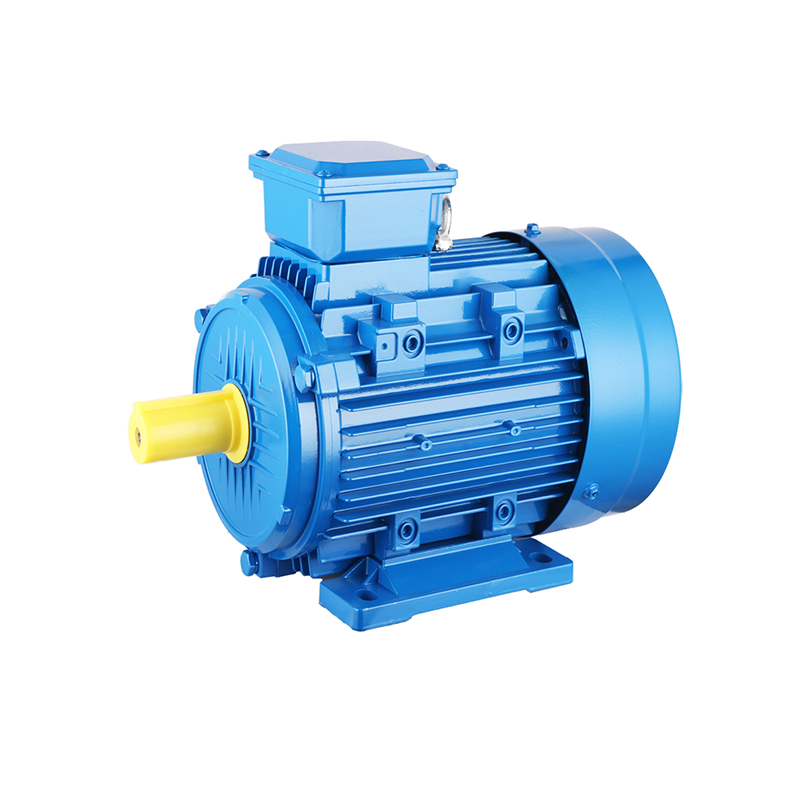
Guanfeng Motor offers single phase asynchronous motors for different equipment needs. Sharing your application details with the supplier's technical team is a practical way to confirm which configuration suits your project.
Some may turn with a manual push, but this usually leads to weak performance, extra heat, or repeated failure to start. It is not a safe habit.
Warning signs include a swollen or leaking case, slow starts, repeated breaker trips, and a burnt smell. Only a proper test can confirm the condition.
It can. Dust, stiff bearings, and a sticky switch may all make a long-idle motor harder to start.
No. Values should follow the motor maker's documents. Guessing can stress the windings.
A motor that buzzes without turning is asking for a closer look. The capacitor may be part of the story, but so may the switch, the winding, the supply, and the machine itself.
A Starting Capacitor For Electric Motor does a short, specific job, and it does that job as one member of a team. When you check the whole team, repairs become more accurate, purchases become more confident, and equipment spends less time sitting silent.

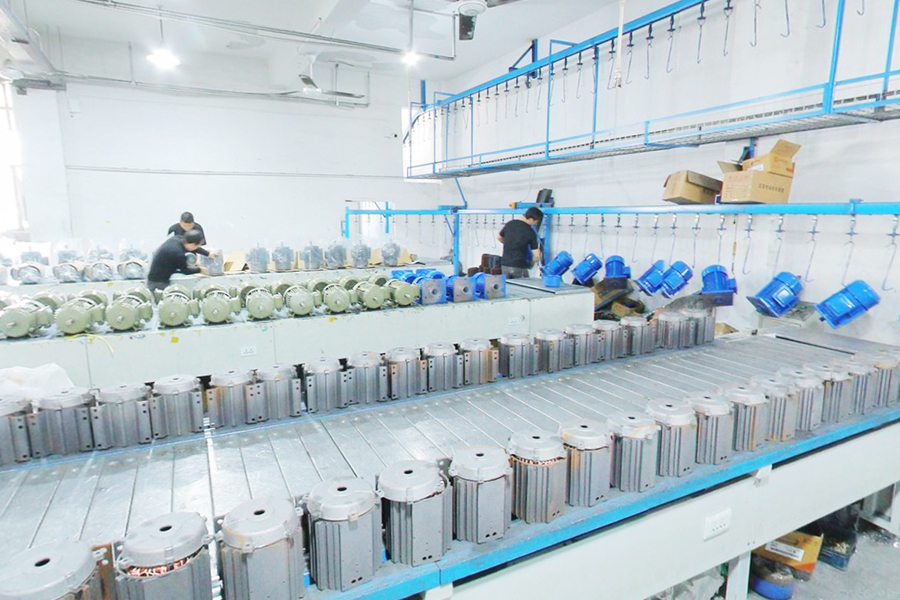

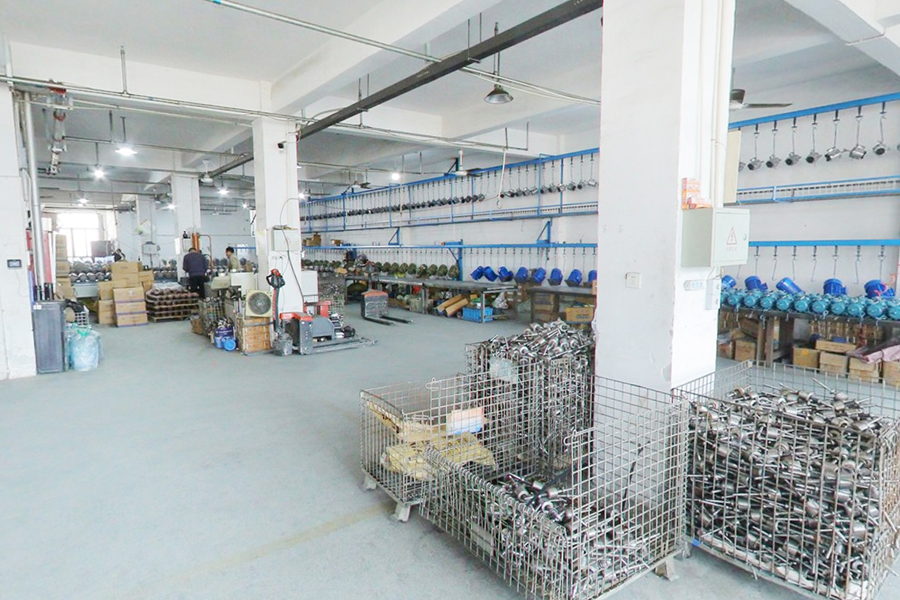
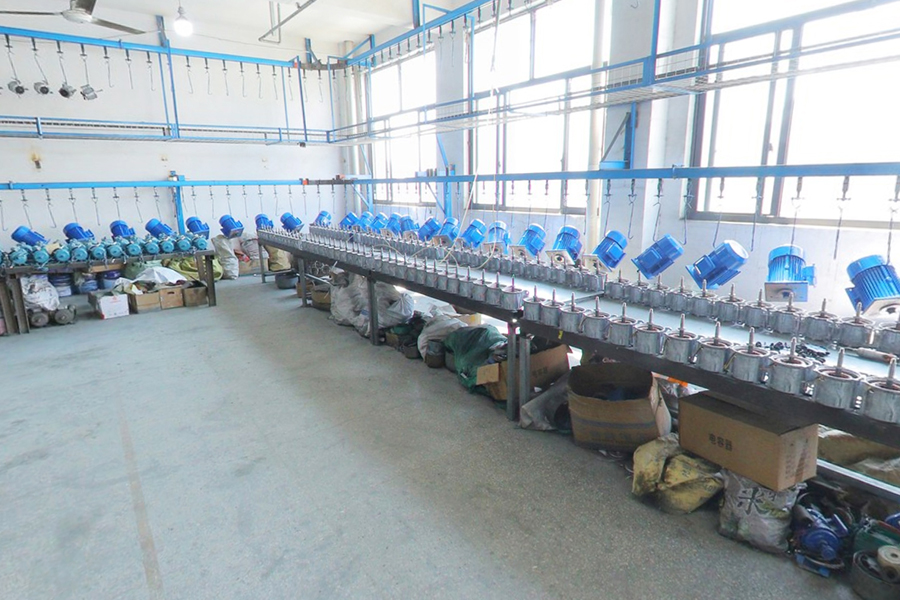
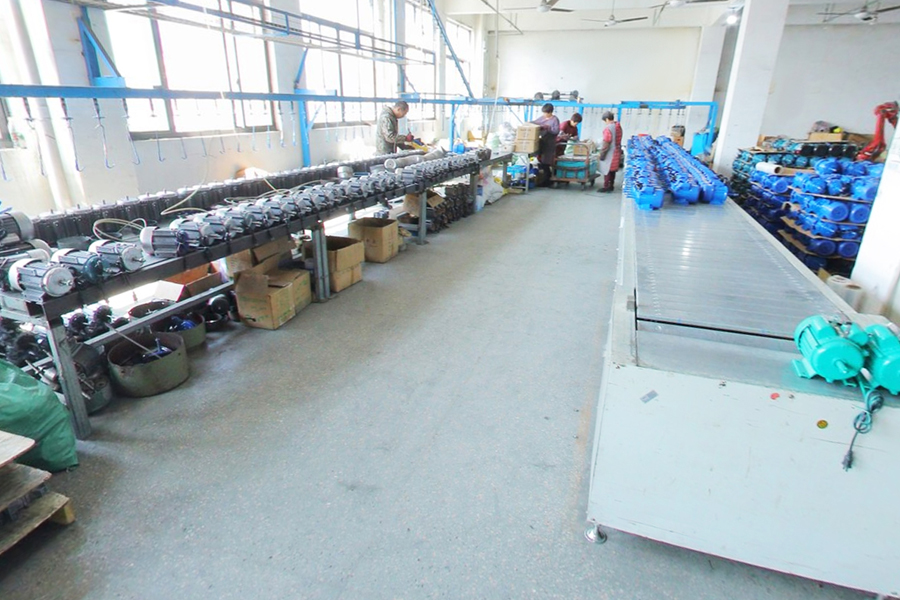


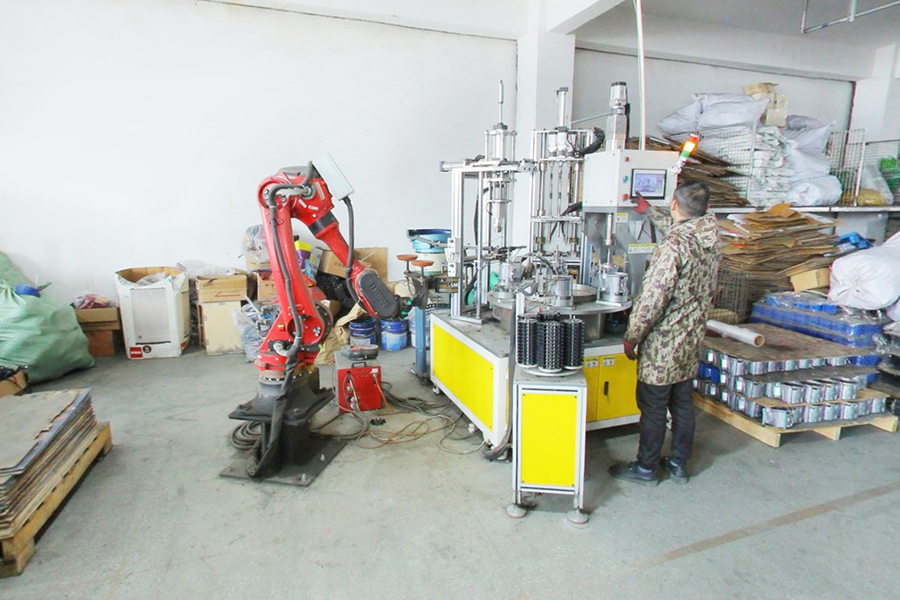
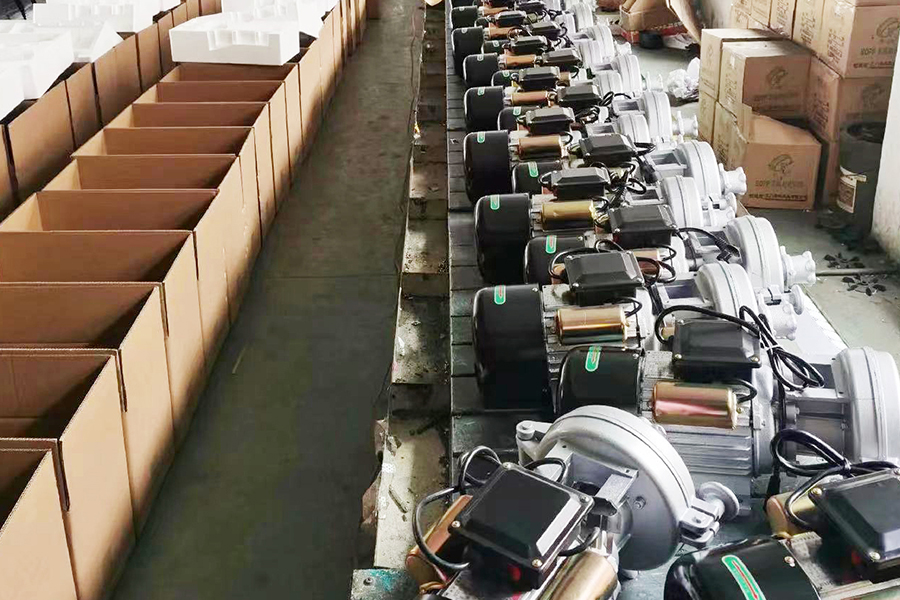


Asynchronous Motor Manufacturer



 English
 中文简体