-
 [email protected]
-
 +86 15857619833
-
+86-18989628252
[email protected]
+86 15857619833
+86-18989628252

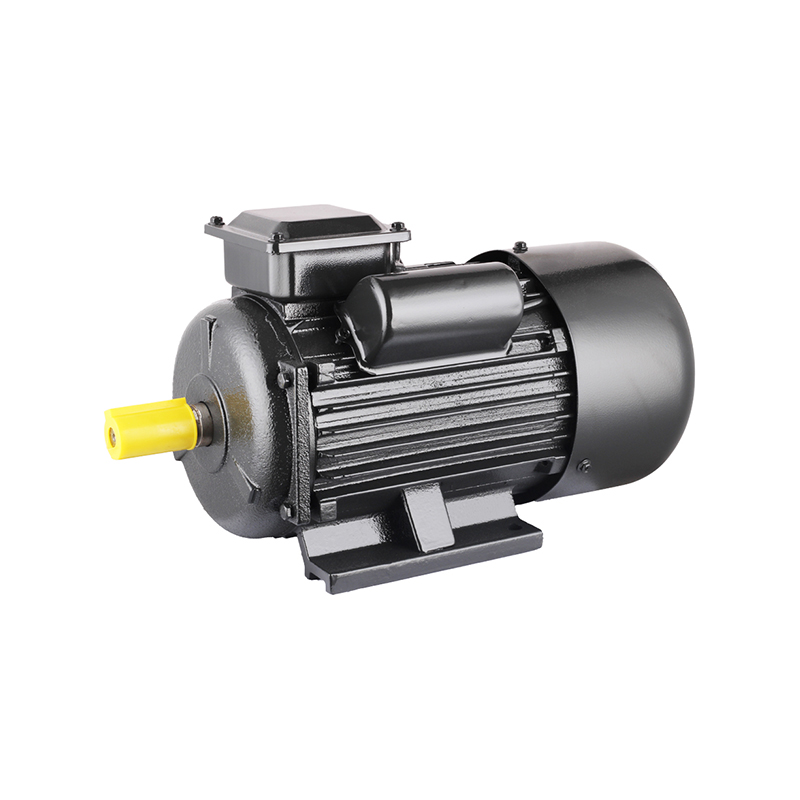
A Single-Phase Capacitor Start Motor can be a practical choice when a machine needs a suitable starting response but the available electrical supply is single phase. The important question is not simply whether the motor can run the equipment. It is whether the motor and the driven load work well together from the moment the machine starts. Pumps, compressors, conveyors, workshop equipment, and some agricultural machines can have different starting demands. Understanding those demands makes motor selection much easier.
Motor selection often starts with a simple question: what is the machine expected to do? The answer usually tells you more than the motor nameplate alone.
A light fan, for example, may begin rotating with relatively little resistance. A pump, compressor, or mechanically driven machine can be different. The motor may need to overcome the resistance of the connected equipment before normal operation begins.
This is one situation where a capacitor start design can make practical sense. The starting capacitor and auxiliary winding help the motor develop the starting action needed to get the rotor moving. After startup, the motor continues under its normal running arrangement.
That does not mean every single-phase machine needs this type of motor. The application, load behavior, operating cycle, installation conditions, and electrical supply should all be considered together.
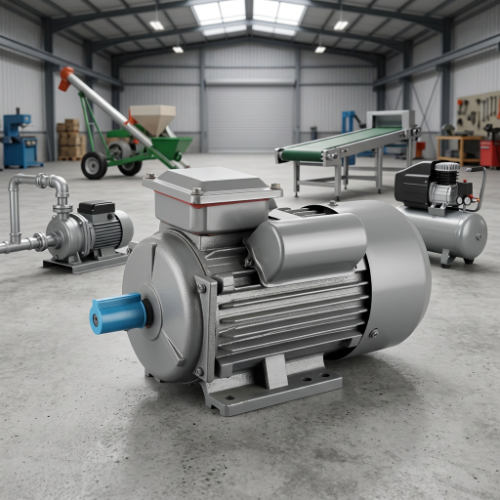
Two machines can use a similar motor size and still have very different starting conditions. The difference comes from the mechanical load connected to the shaft.
Some equipment starts with little resistance. Other machines have rotating parts, belts, pumps, compressors, gears, or other mechanisms that need more effort at the beginning of the operating cycle.
The key point: motor selection should consider what happens during startup, not only what happens after the machine reaches normal operation.
This is particularly useful for buyers who are replacing an existing motor. If the original motor struggled during startup, replacing it with a motor that only matches the running condition may not solve the problem.
Looking at the complete load profile gives a clearer picture. Startup resistance, acceleration time, repeated starts, mechanical transmission, and the way the machine is loaded can all influence the choice.
Pump equipment can place a noticeable mechanical demand on a motor during startup. The actual requirement depends on the pump construction, connected system, transmission method, and starting condition.
For suitable single-phase pump applications, a capacitor start motor can be considered when the starting behavior of the system calls for additional starting assistance.
Compressors are another application where startup deserves careful attention. The motor has to get the compressor mechanism moving before the system settles into its normal operating cycle.
The starting arrangement therefore needs to match the compressor design rather than being selected from running requirements alone.
Small conveyors and material handling equipment may have different starting conditions depending on belt length, material on the belt, pulley arrangement, and mechanical transmission.
When the available power supply is single phase, a capacitor start motor can be considered when the load requires a suitable starting response.
Some workshop machines use belts, cutting mechanisms, grinding systems, or other rotating assemblies. The resistance at startup can vary considerably from one machine to another.
For this reason, the motor should be selected around the actual machine rather than around the application name alone.
Agricultural equipment can also create situations where single-phase motors are useful. Water pumping, small processing equipment, ventilation systems, and other farm machinery may be installed where three-phase power is not available or is not required.
The working environment can also be different from a clean indoor workshop. Dust, moisture, temperature changes, long operating periods, and irregular use can affect the overall motor installation.
In these applications, the motor should be considered as part of the complete equipment system. Enclosure requirements, mounting conditions, ventilation, electrical protection, and maintenance access deserve attention before the final selection is made.
There are several practical questions that can help narrow down the choice.
These questions are more useful than selecting a motor from one specification alone. They help connect the motor design with the real working conditions of the equipment.
Not every single-phase application needs the same starting method. A split-phase motor, permanent split capacitor motor, capacitor start motor, and other single-phase designs each have different characteristics.
| Application Condition | What to Consider | Why It Matters |
|---|---|---|
| Light starting load | Starting demand may be relatively modest | A simpler motor arrangement may be suitable depending on the equipment |
| Noticeable starting resistance | Starting response becomes an important selection point | The motor needs to accelerate the connected load appropriately |
| Compressor or pump application | Mechanical load and starting condition should be reviewed | The running requirement alone may not describe the startup demand |
| Frequent starting | Starting components and thermal conditions need attention | Repeated starts can affect motor operation and maintenance needs |
| Agricultural or workshop equipment | Environment and installation conditions should be included | Dust, moisture, ventilation, and mounting can affect motor service |
A practical motor inquiry should include more than the motor name. Providing information about the machine makes it easier to identify a suitable configuration.
Start with the electrical supply. Voltage, frequency, phase, and available power should match the intended installation. Then look at the mechanical side. The type of driven equipment, connection method, shaft arrangement, rotation requirement, and operating cycle can all affect the selection.
The installation environment is another part of the conversation. An indoor workshop application may have very different conditions from agricultural equipment installed in a dusty or humid location.
Buyers replacing an existing motor should also provide the old motor information where possible. A nameplate, drawing, mounting information, or product sample can help a manufacturer understand the existing setup before suggesting a replacement.
A useful selection habit: describe the equipment and its working conditions together with the motor requirements. This gives the manufacturer a clearer starting point for discussing the appropriate motor configuration.
A motor may be suitable for more than one type of equipment, but that does not mean every application can use the same configuration without checking the details.
Pump systems, compressors, conveyors, agricultural machinery, and workshop equipment can place different mechanical demands on the shaft. Mounting dimensions and connection arrangements can also vary.
This is why application-based selection is useful for manufacturers and buyers alike. Instead of asking only whether a motor belongs to a certain category, it is better to ask how the motor will behave in the actual machine.
A short application checklist can save time during the quotation and technical discussion stage.
This information helps move the discussion away from a generic motor request and toward a configuration that fits the equipment.
The most useful way to think about a Single-Phase Capacitor Start Motor is not as a motor for one particular industry. It is a motor design that can be considered when a single-phase power supply is available and the driven machine has a starting condition that needs attention.
That can include a pump in an agricultural installation, a compressor in a workshop, a conveyor in a small production line, or another machine with a noticeable mechanical load during startup.
The application still determines whether the design is appropriate. Electrical conditions, mechanical load, installation environment, duty cycle, and mounting requirements should all be reviewed before the motor is selected.
So, where does a Single-Phase Capacitor Start Motor make practical sense? It can be considered for single-phase equipment where the starting condition is an important part of motor selection.
Pumps, compressors, conveyors, agricultural machines, and workshop equipment are examples where the starting behavior deserves closer attention. The right choice depends on the complete application rather than the motor name alone.
For buyers and equipment manufacturers, the easiest path is to provide clear information about the machine, electrical supply, load, mounting arrangement, operating cycle, and working environment. With those details available, motor selection becomes a much more focused technical discussion.



Asynchronous Motor Manufacturer



 English
 中文简体