-
 [email protected]
-
 +86 15857619833
-
+86-18989628252
[email protected]
+86 15857619833
+86-18989628252

A motor rarely works under exactly the same mechanical condition throughout its working time. A conveyor may carry different materials, a pump may face changing resistance, and a small machine may experience a heavier load during certain stages of operation. Such changes affect how much work the motor needs to provide, which can gradually alter its running condition.
For a Single Phase Asynchronous Machine, load has a close relationship with speed, starting behavior, heat, and general operating stability. Looking at load only as a measure of how much work a machine performs can miss several practical factors. Mechanical resistance, operating time, and changes during use can all influence how the motor behaves.
A motor converts electrical energy into mechanical movement, while load represents the mechanical work placed on that movement. When the connected equipment needs more force, the motor has to respond to a greater mechanical demand.
During normal operation, a suitable load allows the motor to work in a relatively steady condition. Speed remains reasonably stable, heat can be managed through the available cooling conditions, and the connected equipment can continue its intended movement.
A heavier load changes that balance. More mechanical effort is required, so the motor may draw more electrical power during operation. Running speed can also change slightly as the motor responds to increased resistance. Such changes are not necessarily signs of a fault. They become more important when a heavy load continues for a long period or appears together with unusual heat, noise, or unstable movement.
Load can also change in the opposite direction. When equipment requires less mechanical effort, the motor operates under a lighter condition. Running behavior may become different from that seen under normal working conditions, especially when the connected equipment spends long periods with very little resistance.
Several practical factors are worth checking:
A suitable working condition is therefore not simply a matter of making the motor carry as much load as possible. Matching the motor to the way equipment actually works gives a clearer basis for judging daily operation.
Motor speed and mechanical load are closely connected. As load increases, a Single Phase Asynchronous Machine needs to produce more mechanical effort. A small change in running speed may occur as the motor adjusts to the greater demand.
Speed matters because many machines depend on reasonably consistent movement. A fan, pump, conveyor, or small processing device may behave differently when rotational movement changes noticeably. For equipment connected through a mechanical transmission, even a modest change in motor behavior can influence the movement of another component.
Light load usually places less mechanical demand on the motor. Normal working load creates a different operating condition, while a heavier load requires greater effort from the motor. A simple comparison can help when examining these conditions:
| Load Condition | Typical Motor Response | What To Observe |
| Light load | Less mechanical effort is required | Smooth movement and unnecessary running time |
| Working load | Motor operates according to normal equipment demand | Speed stability and heat |
| Increasing load | More mechanical effort is required | Speed change, sound, and temperature |
| Heavy continuous load | Greater demand remains for an extended period | Heat, unstable movement, and operating condition |
Speed changes should be considered together with the equipment being driven. A small variation may have little practical effect in one application while creating noticeable changes in another.
Sudden load increases deserve particular attention. A motor may respond differently to a gradual increase because the mechanical system has time to settle into a new condition. A sudden resistance can place a greater demand on the motor over a short period, especially when moving parts also have to overcome additional friction.
Running speed alone cannot therefore determine whether a load is suitable. A better assessment considers speed together with sound, heat, mechanical resistance, and the working pattern of the equipment.
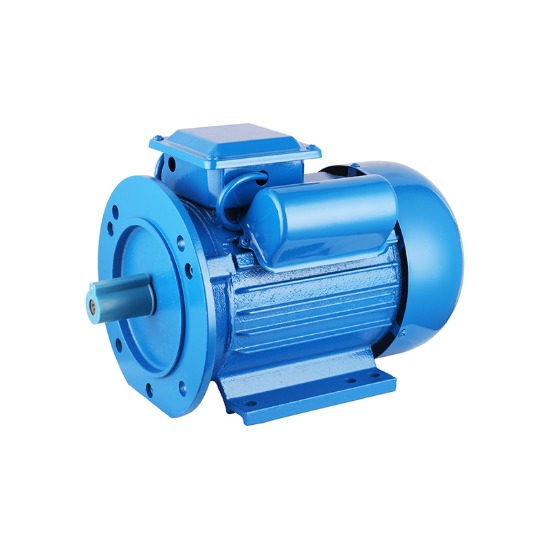
Starting is a different stage from continuous running. Before equipment begins moving, the motor and connected mechanical parts must overcome initial resistance. Once movement has begun, the mechanical condition may become easier to maintain.
A heavier starting load can make this stage more difficult. Equipment with tight mechanical resistance, heavy moving parts, or a demanding initial movement may place a greater burden on the motor during startup.
For a Single Phase Asynchronous Machine, starting conditions therefore deserve separate attention during selection and operation. A motor that appears suitable while equipment is already running may still face difficulty when the same equipment needs to start under a heavy mechanical condition.
Starting problems may appear in several ways:
Repeated starting under heavy resistance can also place additional stress on the motor and mechanical parts. Frequent starts give the motor less time to return to a stable operating condition, especially when each start occurs with a demanding load.
A practical assessment should therefore look at the load present at startup rather than considering only the load during continuous operation. Equipment that starts with little resistance may have very different requirements from equipment that begins each working cycle under mechanical pressure.
Heat is another visible result of changing load. As mechanical demand rises, the motor works harder to maintain movement. Longer operation under a heavier condition can cause operating temperature to rise, especially when surrounding conditions do not allow heat to dissipate easily.
A temporary increase in load does not necessarily create the same effect as continuous heavy operation. Duration matters because heat can gradually accumulate during extended work. Repeated changes between heavier and lighter conditions may also create a different thermal pattern from steady operation.
Ventilation and installation conditions play a role as well. A motor installed where airflow is restricted may have more difficulty releasing heat. Dust around ventilation openings, enclosed installation spaces, or nearby heat sources can further affect the operating environment.
Load-related heat should therefore be viewed together with the installation condition. A motor may experience greater thermal pressure when several factors occur at the same time:
Unusual heat should not simply be treated as a normal result of carrying a heavier load. It can also point toward excessive mechanical resistance, poor installation conditions, or a mismatch between motor capability and equipment requirements.
For routine operation, observing how temperature changes alongside load gives useful information. A gradual change during normal work may be different from rapid or repeated heating. Looking at the complete operating condition helps separate ordinary load response from a situation that deserves closer inspection.
A motor does not always work under a heavy mechanical demand. Some equipment spends part of its working time with little material, reduced resistance, or no useful mechanical work at all. Running under a light load is not automatically a problem, although long periods of very light operation may make the motor work differently from its normal working condition.
With less mechanical resistance, the motor has less work to perform. Power demand from the connected equipment is reduced, while the motor continues to consume energy to maintain rotation and overcome its own internal mechanical losses.
Light-load operation can become more noticeable in equipment that repeatedly moves between working and idle conditions. A motor may spend a long period rotating with little useful output before a heavier working stage begins. Such a working pattern should be considered when selecting the motor and planning its operating cycle.
Several points can help when examining light-load operation:
Very light loading can also make it harder to judge motor condition through output behavior alone. Since the connected equipment places little resistance on the shaft, changes in sound, temperature, or movement may provide more useful clues.
For a Single Phase Asynchronous Machine, load matching is therefore not only about avoiding excessive mechanical demand. A realistic assessment should also consider how often the motor runs with little work and how long each operating condition lasts.
Load is not simply a single fixed condition. Different machines create different forms of mechanical resistance, and a motor may respond differently depending on how that resistance changes during operation.
A pump, for example, may require a different working pattern from a conveyor. A fan can have a relatively smooth running condition, while another machine may face changing resistance as material enters, moves, or leaves the working area.
Starting resistance is also worth separating from running resistance. Some equipment requires more effort at the beginning of movement, then becomes easier to drive once rotation is established. Other equipment may place a fairly steady demand on the motor throughout operation.
Changing loads can be grouped in a practical way:
| Load Pattern | Operating Characteristic | Main Point To Check |
| Steady load | Resistance stays fairly consistent | Stable running condition |
| Gradually changing load | Demand rises or falls over time | Speed and heat changes |
| Intermittent load | Working and lighter periods alternate | Repeated changes in operation |
| Starting-heavy load | Greater resistance appears during startup | Starting behavior |
Understanding the load pattern gives a more useful picture than looking only at the machine connected to the motor. Two pieces of equipment may have similar general functions while creating very different demands during starting and continuous operation.
Mechanical transmission also affects how load reaches the motor. Belts, gears, shafts, bearings, and other moving parts can add resistance when alignment or maintenance is not suitable. A motor may then appear to be facing an unusually heavy load even though the original equipment requirement has not changed.
For that reason, a sudden change in motor behavior should not always be blamed on the motor itself. Checking the complete mechanical path can reveal whether additional resistance has developed somewhere between the motor and the working equipment.
Stable operation depends on more than a single load condition. Equipment may move through several working stages during normal use, with each stage creating a different demand on the motor.
A gradual load change is generally easier to observe because the running condition develops over time. A sudden increase can create a sharper change in speed, sound, or heat. Repeated changes may also make the motor appear less steady, particularly when the equipment moves frequently between low and high mechanical demand.
Working conditions around the motor matter as well. Mechanical resistance can increase because of friction, poor alignment, or a moving part that does not operate freely. Such changes can gradually turn a familiar working condition into a heavier one.
Useful observations during daily operation include:
A repeated pattern is particularly useful during maintenance checks. For example, when unusual heat appears only during a specific working stage, attention can be directed toward the mechanical demand created during that stage rather than treating the motor as a separate component.
Load stability also depends on how equipment is used. An application designed for occasional heavy work may have different requirements from one that keeps a similar load for long periods. Working duration, starting frequency, and changes in mechanical resistance should therefore be considered together.
Choosing a suitable motor starts with the actual working condition of the equipment. A simple comparison between motor capacity and the machine nameplate does not always show what happens during startup or during changing loads.
Starting resistance should be considered separately from continuous working demand. Equipment may require more mechanical effort to begin movement, especially when parts are stationary or material is already present in the working area.
Continuous operation also deserves attention. A load that can be handled for a short working period may create a different operating condition when it remains present for a long time. Heat, ventilation, mechanical resistance, and working frequency all become part of the selection process.
A practical assessment can focus on four areas:
A Single Phase Asynchronous Machine should fit the actual operating pattern of the equipment. Neither unusually heavy loading nor long periods of unnecessary light operation provide a complete picture of suitability.
Load evaluation starts with understanding how the motor will be used. A Single Phase Motor Factory may need information about the driven equipment, startup condition, running demand, operating pattern, and mechanical connection before making a suitable assessment.
A useful evaluation does not stop at asking how much load the equipment carries. Questions about when the load appears and how long it remains can reveal important differences between applications.
For example, a machine that operates under a moderate and steady mechanical demand presents a different working pattern from one that repeatedly starts with resistance and then changes between light and heavy work.
Several practical details can support the evaluation:
Clear information about actual use also helps prevent an unsuitable selection based on assumptions. A motor may look appropriate on paper while the real working pattern creates additional demands that were not considered during the initial assessment.
Factory evaluation can therefore be viewed as a process of matching motor characteristics with real operating conditions. Load is one part of that process, while startup behavior, mechanical resistance, working time, and installation environment provide the surrounding context.
Load does not need to be measured through complicated methods to provide useful maintenance information. Daily observation can reveal changes in motor behavior, especially when a machine has operated under a familiar condition for some time.
Sound is one practical point to watch. A noticeable change during a particular working stage may suggest that mechanical demand has changed. Movement can provide another clue, especially when connected equipment begins to slow, hesitate, or behave differently under load.
Heat also deserves attention. A gradual temperature change during normal operation may be expected, while repeated or unusual heating during a particular load condition calls for closer inspection.
Mechanical parts should not be overlooked. Increased friction, poor alignment, or restricted movement can place additional demand on the motor without any intentional change in the equipment's workload.
A simple observation routine can include:
Regular observation makes it easier to distinguish a normal response to changing work from a condition that may require attention. For equipment using a Single Phase Asynchronous Machine, understanding how load changes during real operation can support more suitable maintenance decisions and a more practical motor selection process.

Asynchronous Motor Manufacturer



 English
 中文简体
中文简体