-
 [email protected]
-
 +86 15857619833
-
+86-18989628252
[email protected]
+86 15857619833
+86-18989628252

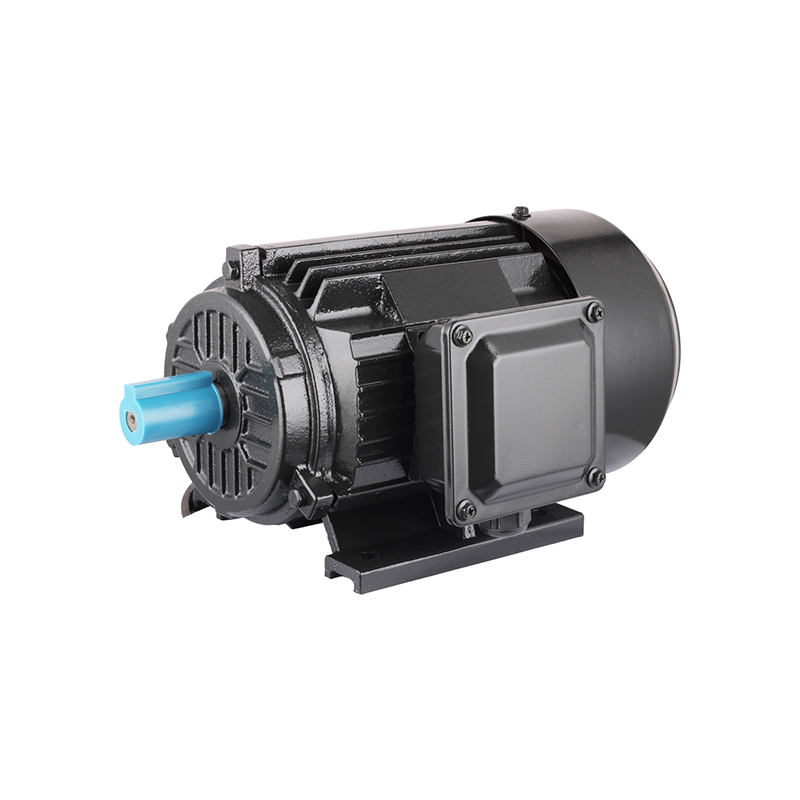
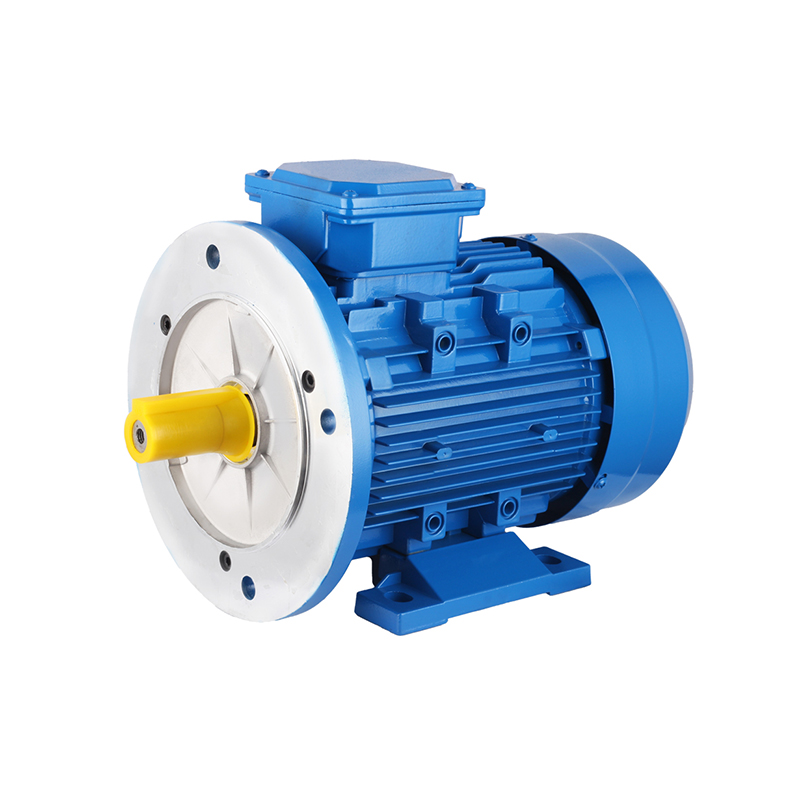
The term high-efficiency IE3 industrial electric motor refers to motors that meet the Premium Efficiency level defined by international standards for electrical performance. Positioned above IE2 on the efficiency scale, IE3 motors represent a significant advancement in reducing energy losses during operation. These motors achieve their superior performance through optimized electromagnetic designs, higher quality materials including better electrical steel laminations, and improved manufacturing precision that minimizes air gaps and reduces friction losses. The classification forms part of a global framework that helps industry compare motor efficiency across manufacturers and select appropriate solutions for applications where energy costs justify premium investment.
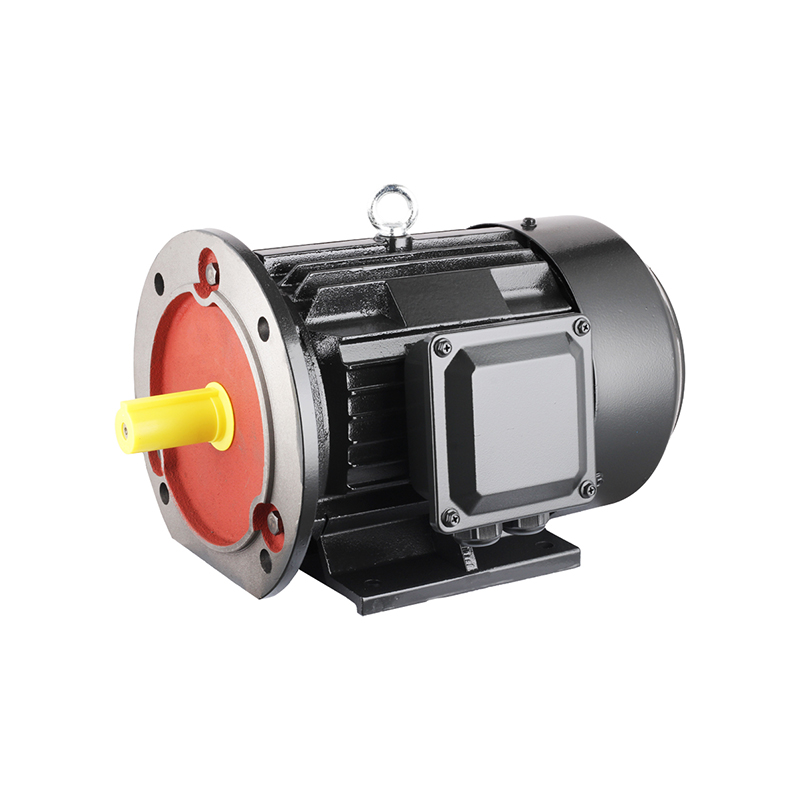
Global efforts to reduce industrial energy consumption drive continuous tightening of motor efficiency requirements. A high-efficiency IE3 industrial electric motor consumes measurably less electricity than older designs performing the same mechanical work, with the savings accumulating substantially over years of continuous operation. Regulatory bodies worldwide have recognized that electric motors account for a significant portion of total industrial electricity use, making them prime targets for efficiency mandates. In many regions, IE3 has become the minimum allowable efficiency for new motor installations across common power ranges, pushing older IE1 and IE2 designs toward specialized applications or phase-out.
Achieving IE3 performance requires engineering attention to every component contributing to electrical and mechanical losses. Stator and rotor laminations use higher-grade electrical steel with reduced hysteresis and eddy current losses that waste energy as heat. Copper content in windings increases through optimized slot fill, reducing resistive losses that scale with current squared. Air gaps between rotor and stator receive meticulous control during manufacturing, as excessive clearance reduces magnetic coupling and efficiency. A well-designed high-efficiency IE3 industrial electric motor also incorporates improved cooling systems that maintain temperatures within limits while minimizing parasitic losses from fans and ventilation paths.
Mechanical losses in bearings contribute to overall energy consumption, and IE3 designs address these through careful component selection. Premium bearings with optimized internal clearances reduce friction while maintaining load capacity. Grease formulations matched to operating temperatures and speeds maintain consistent lubrication without churning losses. Some larger frame sizes incorporate bearing designs that minimize oil seal drag while maintaining contamination protection. These refinements, while individually small, combine to achieve the efficiency gains required for high-efficiency IE3 industrial electric motor classification.
While all applications benefit from reduced energy consumption, certain situations particularly justify the investment in IE3 motors. Continuous operation applications like pumps in water treatment facilities, fans in HVAC systems, and compressors in industrial plants run thousands of hours annually, making even small efficiency improvements economically significant through accumulated energy savings. Facilities with high local electricity rates recover the premium cost of IE3 motors faster than those in lower-cost regions. Operations with aggressive sustainability targets choose IE3 and higher to reduce carbon footprints and demonstrate environmental commitment. A properly selected high-efficiency IE3 industrial electric motor serves these applications while delivering rapid return on investment through reduced operating expenses.
Modern industrial processes increasingly require speed control rather than fixed-speed operation. IE3 motors generally perform well with variable frequency drives, though certain considerations apply. Drive waveforms introduce harmonics that increase heating compared to pure sine wave power, potentially affecting motor temperature rise. Insulation systems must withstand voltage spikes associated with drive output. Some high-efficiency IE3 industrial electric motor designs incorporate specific features for drive applications, including enhanced insulation, separate cooling fans for low-speed operation, and winding configurations optimized for inverter power.

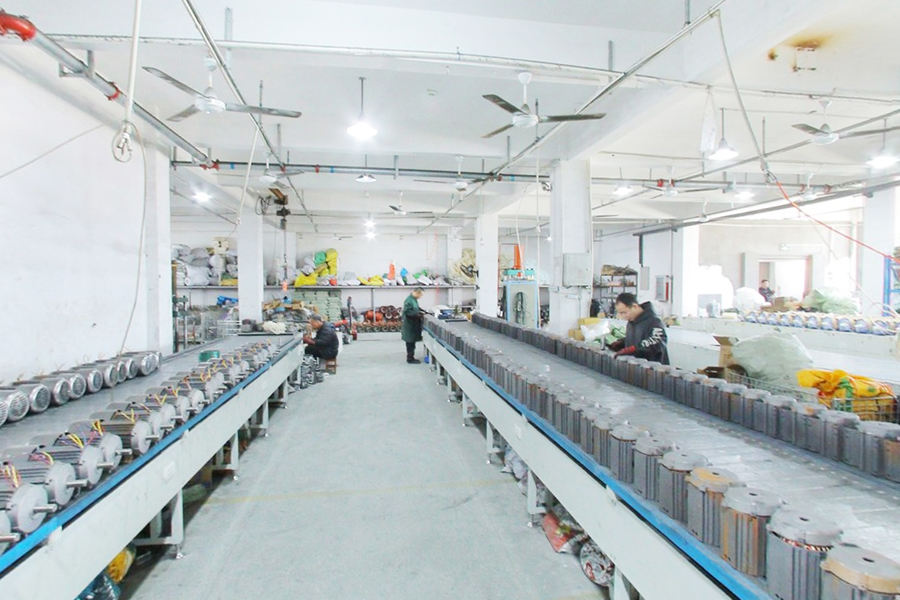
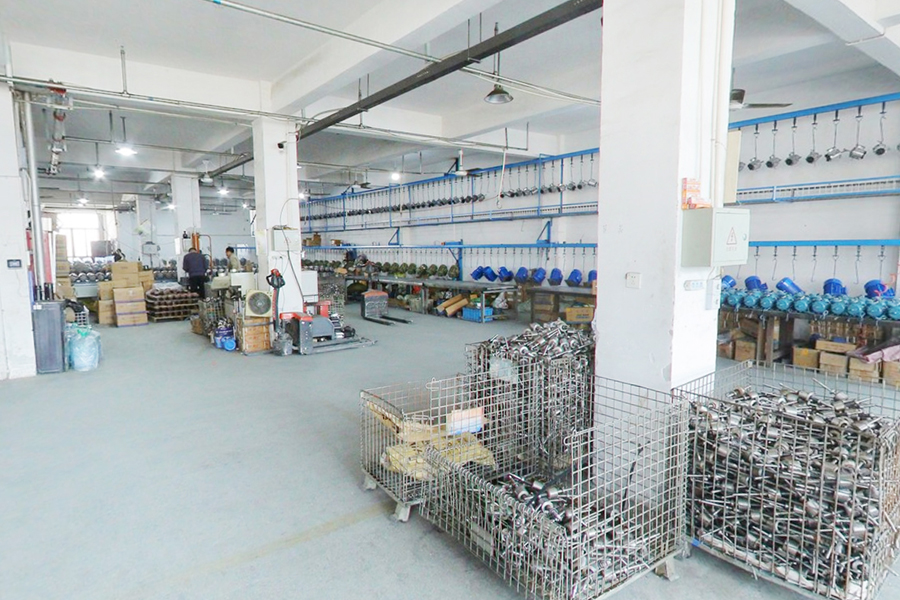
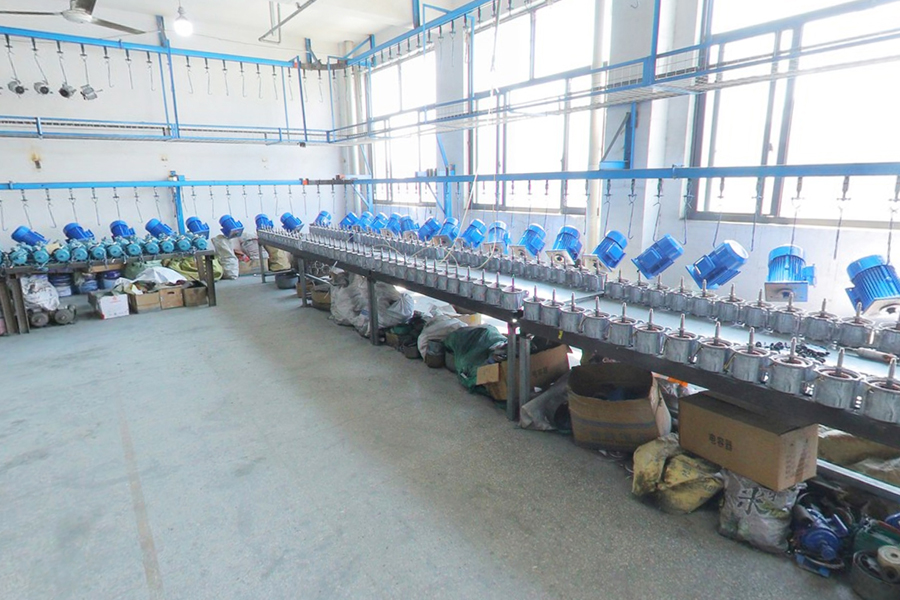
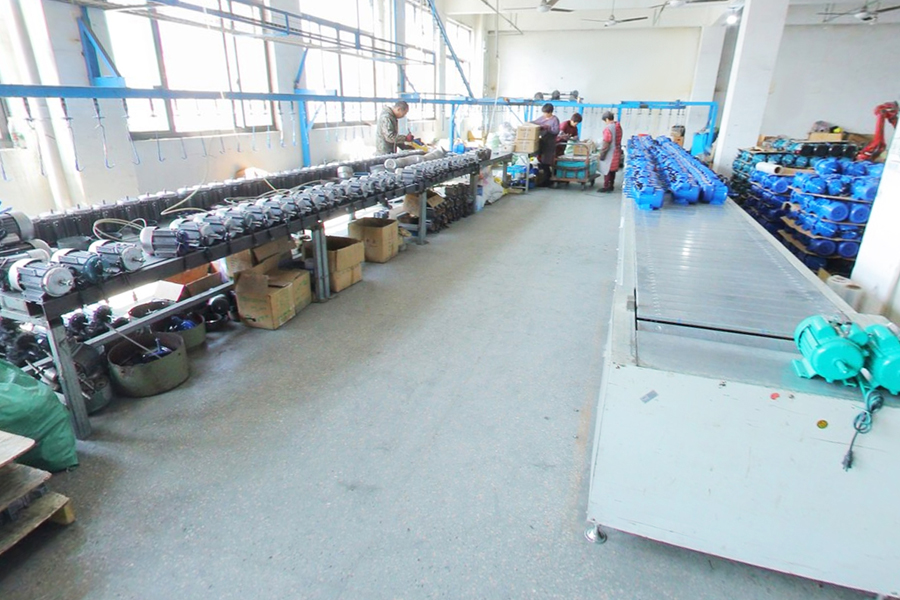
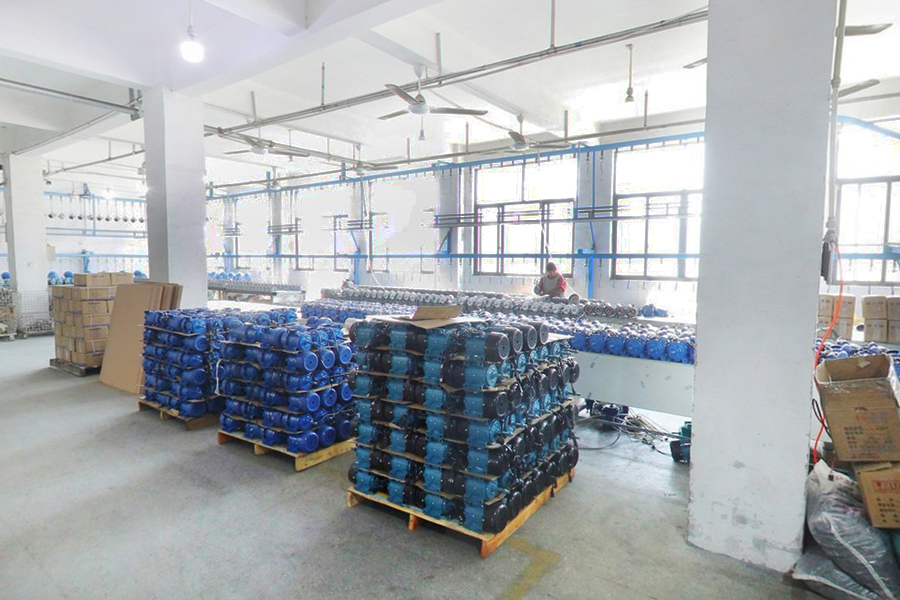
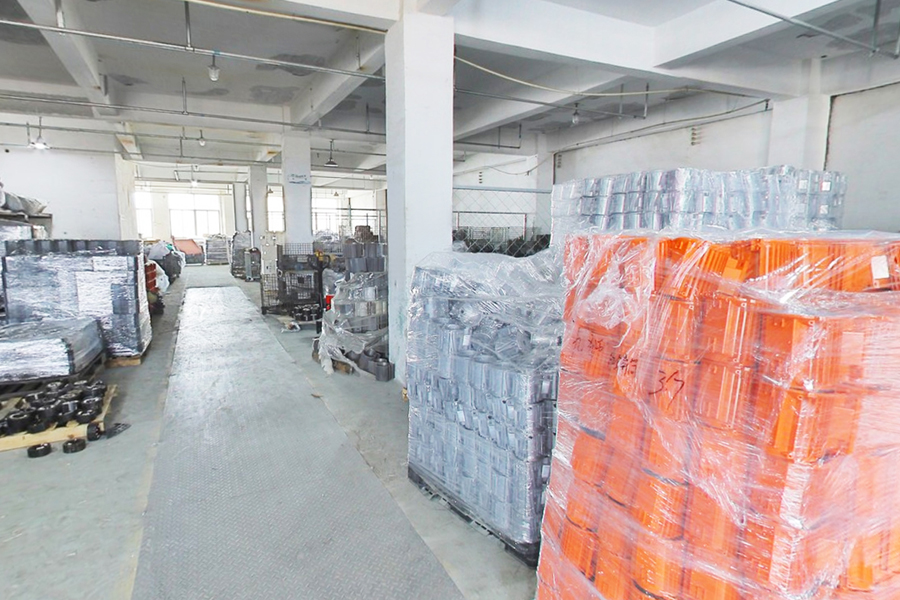
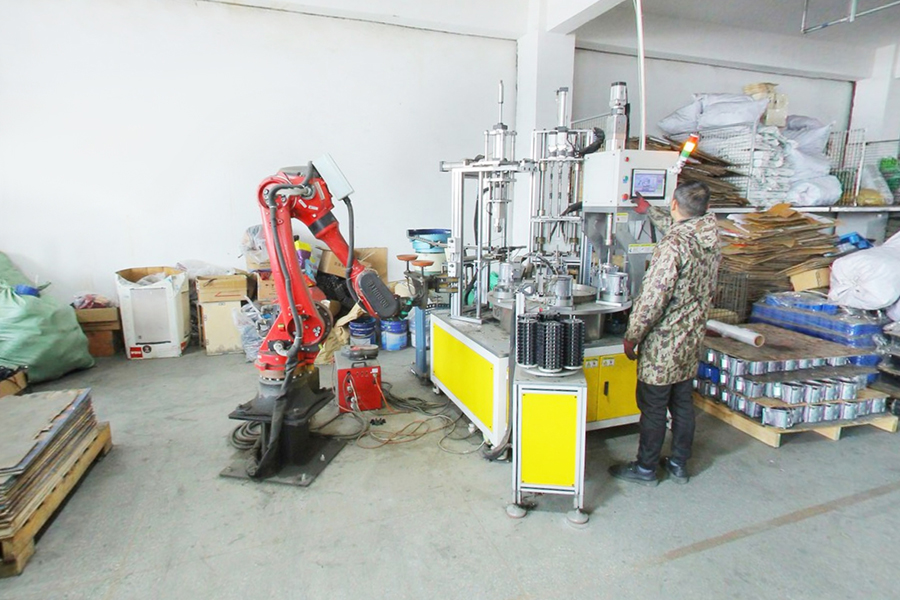
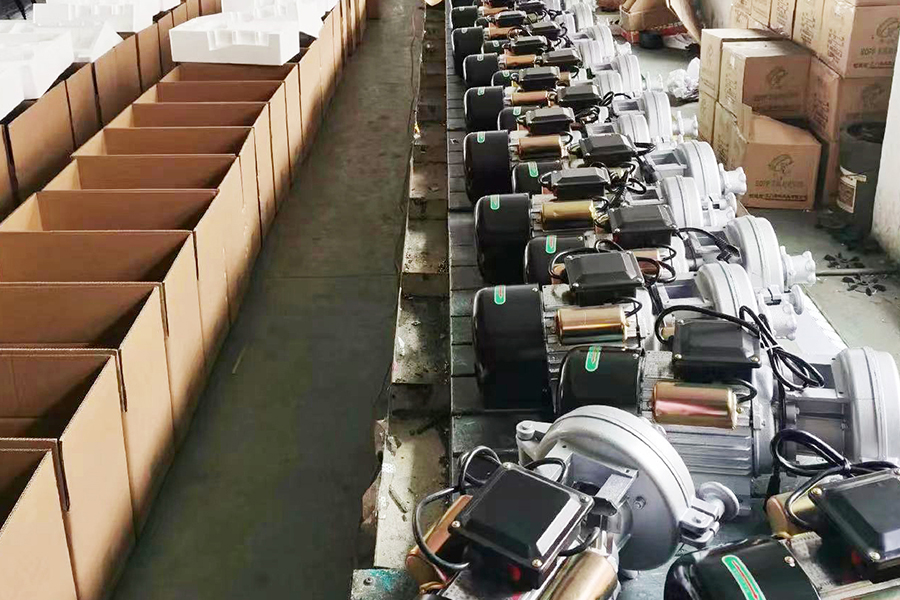
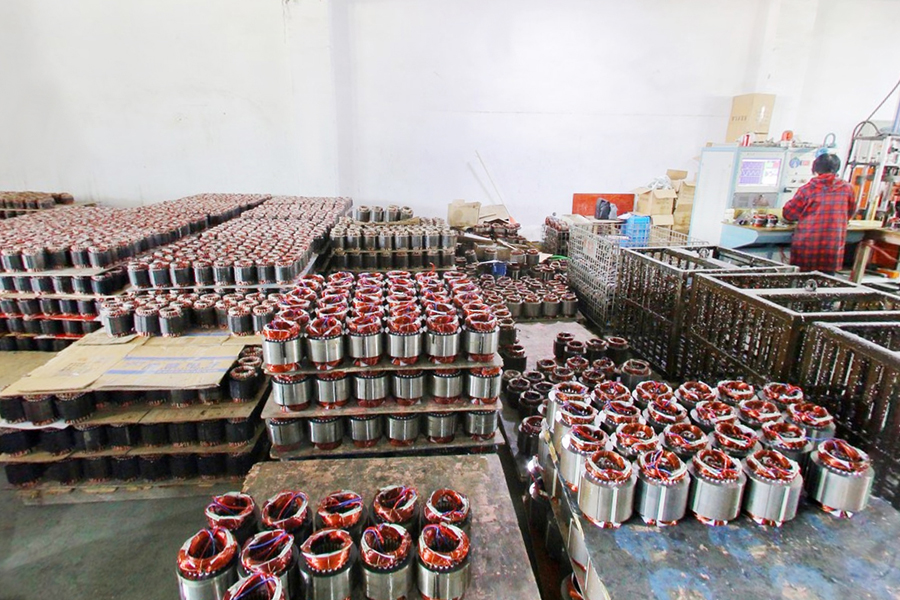
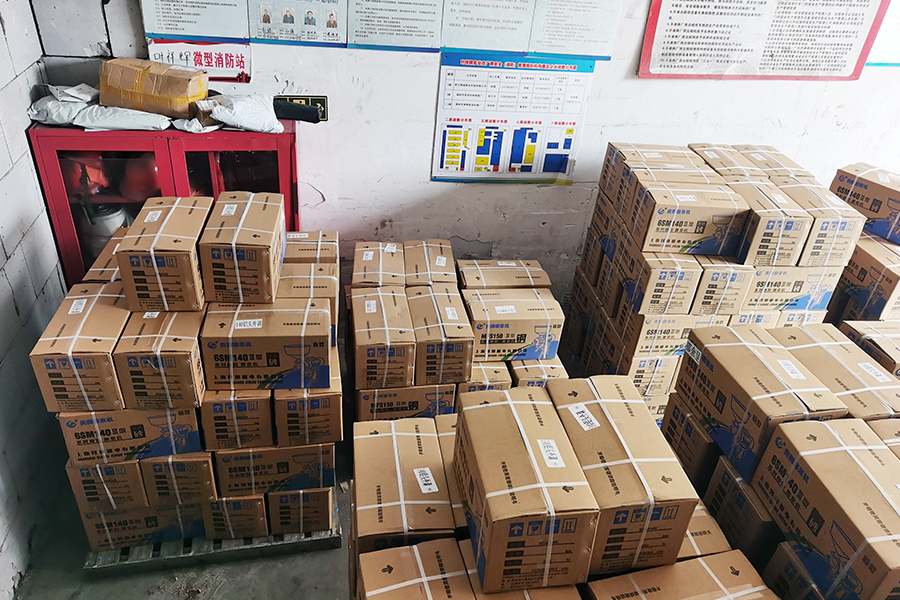

Asynchronous Motor Manufacturer



 English
 中文简体
中文简体