-
 [email protected]
-
 +86 15857619833
-
+86-18989628252
[email protected]
+86 15857619833
+86-18989628252

The term vegetables & fruits grinding machine encompasses a wide category of equipment designed to reduce fresh or processed produce into smaller particles, pastes, purees, or powders. These machines serve as essential tools across the food industry, from small restaurant kitchens preparing daily sauces to large-scale manufacturing facilities producing shelf-stable ingredients for global distribution. The fundamental purpose remains consistent: transforming raw agricultural products into forms suitable for further processing or immediate consumption while preserving nutritional value and flavor.
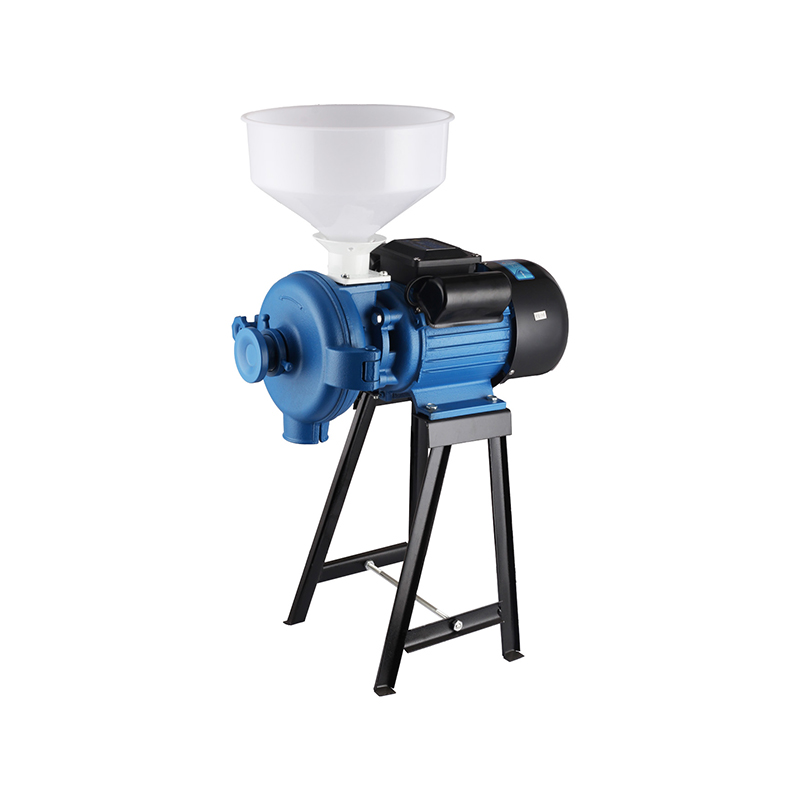
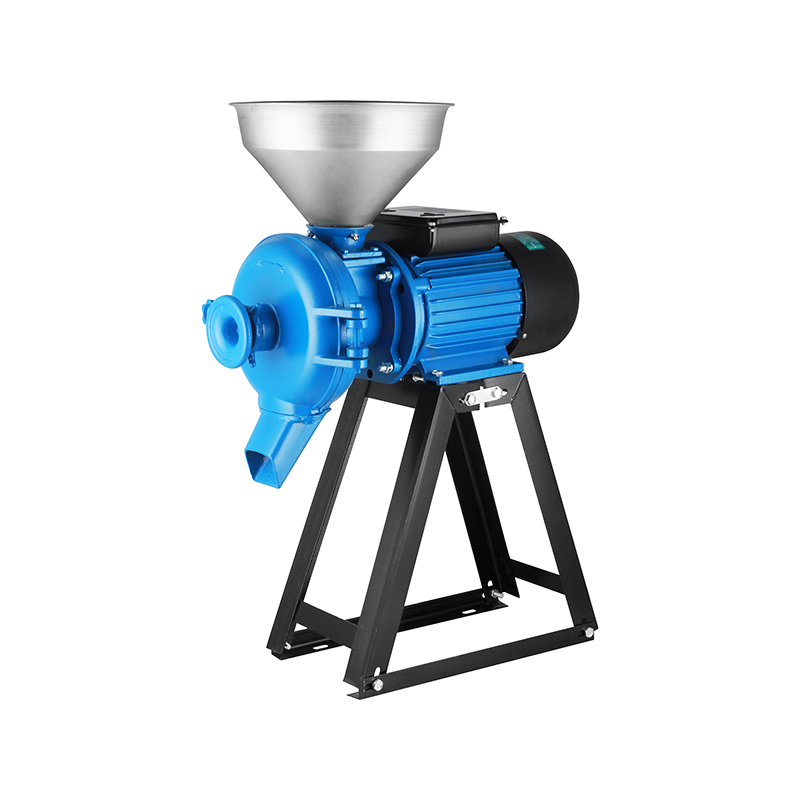
Disc mills represent one of the most common configurations for processing hard, fibrous vegetables. These machines employ two corrugated stainless steel discs, one stationary and one rotating, that crush and grind through friction and compression forces. A vegetables & fruits grinding machine of this type excels with root vegetables including carrots, potatoes, beets, and parsnips where significant mechanical force is required to break down cellular structure. The adjustable gap between discs allows operators to control output texture from coarse pieces suitable for further processing to finer grinds for mashed preparations. Maintenance requirements remain modest, with durable grinding surfaces providing long service life in continuous operation.
When ultra-fine, uniform pastes are required, colloid mill technology proves essential. These machines utilize high-speed shearing action between a rotor and stator to break down high-moisture vegetables and fruits into smooth suspensions. A vegetables & fruits grinding machine incorporating colloid design produces particle sizes down to microscopic levels, ideal for tomato paste, vegetable purees, baby food, and fruit preparations for dairy products. The precision gap adjustment between rotating and stationary elements determines final texture, with tighter clearances producing smoother results. These machines excel with high-water-content produce like tomatoes, cucumbers, peppers, and soft fruits where traditional grinding approaches would yield inconsistent results.
Processing leafy vegetables presents unique challenges due to their fibrous structure and high surface area. Hammer mills address these through high-speed rotating hammers that pulverize material through impact force against perforated screens. A vegetables & fruits grinding machine configured as a hammer mill efficiently processes spinach, kale, lettuce, and herbs where other designs would clog or produce uneven results. Adjustable screen sizes control final particle dimensions, allowing operators to produce anything from coarse chops for further processing to fine grinds suitable for dehydration or powder production. The high throughput capacity makes these machines particularly valuable for industrial-scale operations handling significant volumes.
Dehydrated vegetables and fruits require different processing approaches than fresh produce. Dry grinders feature high-speed stainless steel blades designed specifically to pulverize low-moisture materials into fine powders. A vegetables & fruits grinding machine configured for dry operation handles garlic, onion, ginger, and various root vegetables after dehydration, producing powders for seasoning blends, nutritional supplements, and natural food colors. Temperature management becomes critical during dry grinding, as excessive heat can degrade volatile compounds responsible for flavor and aroma. Some advanced systems incorporate cryogenic grinding using liquid nitrogen to maintain low temperatures throughout processing.
For operations requiring flexibility across diverse products, universal grinders offer adaptable solutions. These machines typically feature interchangeable blade configurations and speed controls allowing them to handle everything from soft tomatoes to hard carrots. A versatile vegetables & fruits grinding machine of this type serves restaurants, catering operations, and smaller food manufacturers where space constraints limit equipment options. The ability to process onions, garlic, herbs, and soft fruits with the same basic machine reduces capital investment while maintaining production capability across varied menu items or product lines.

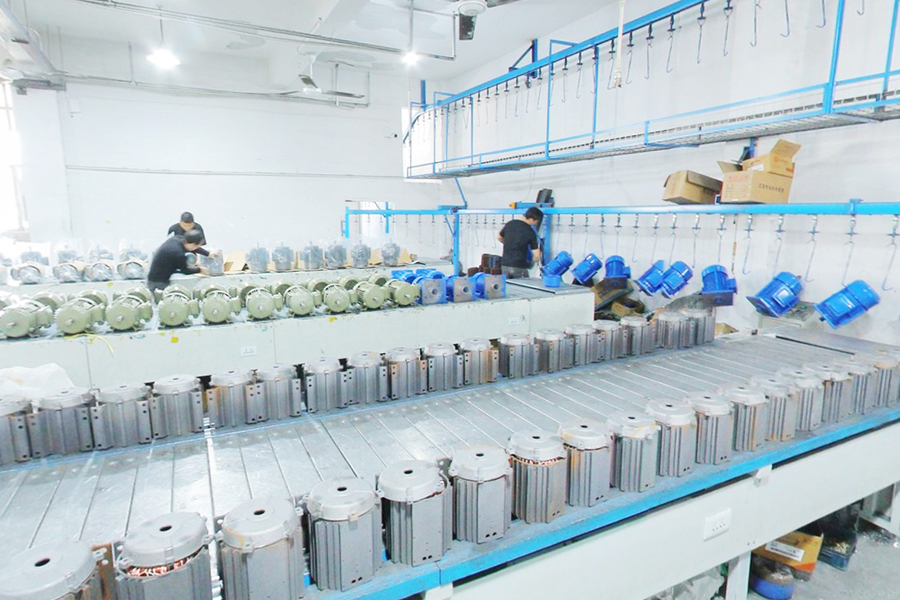
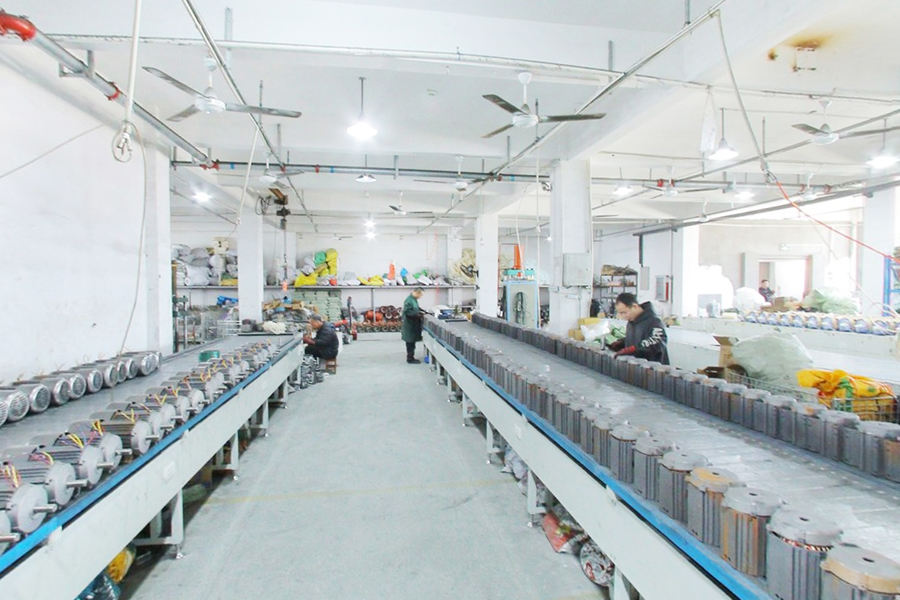
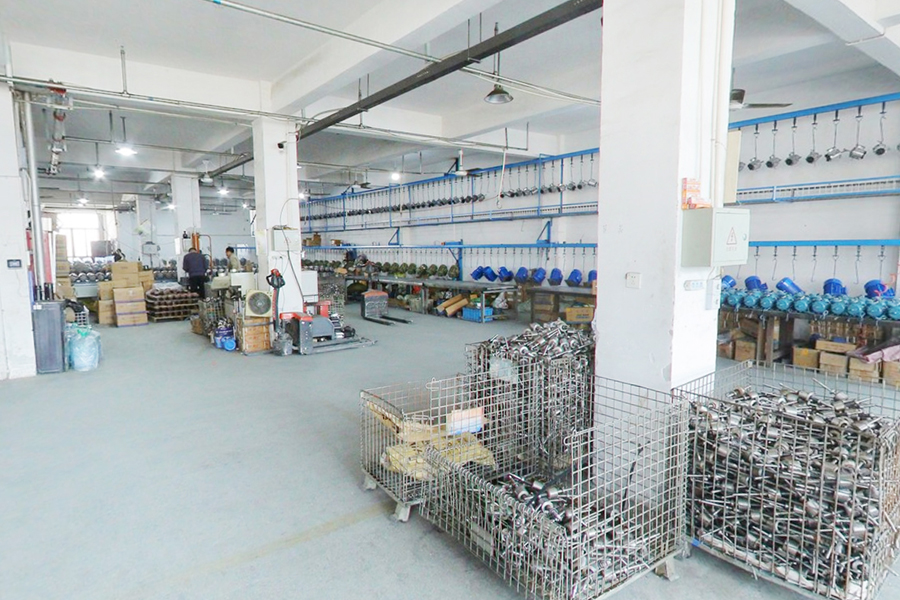
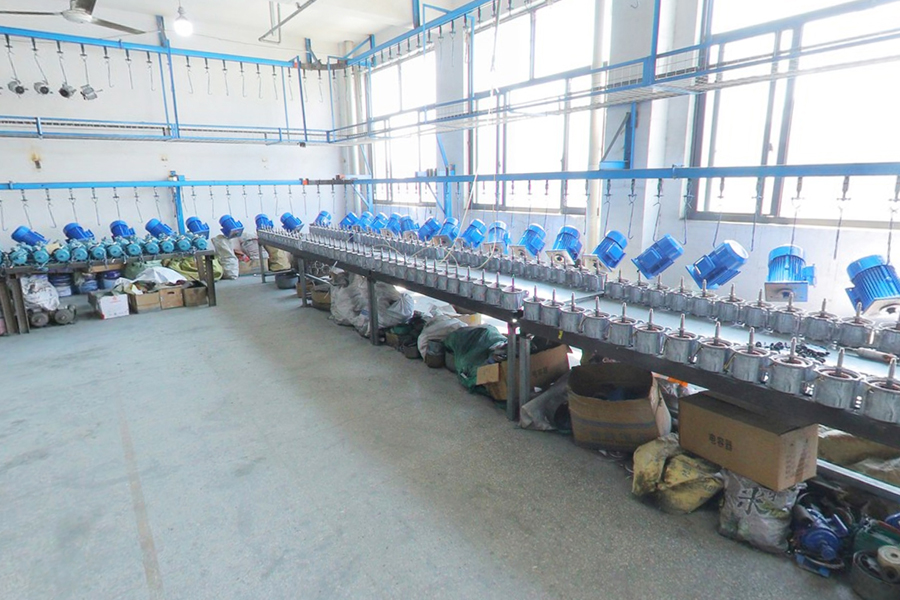
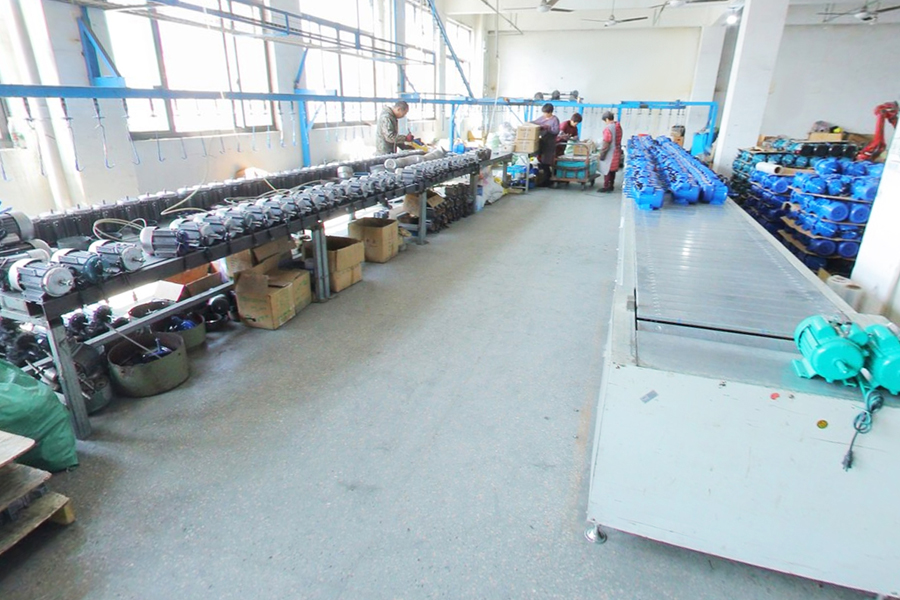
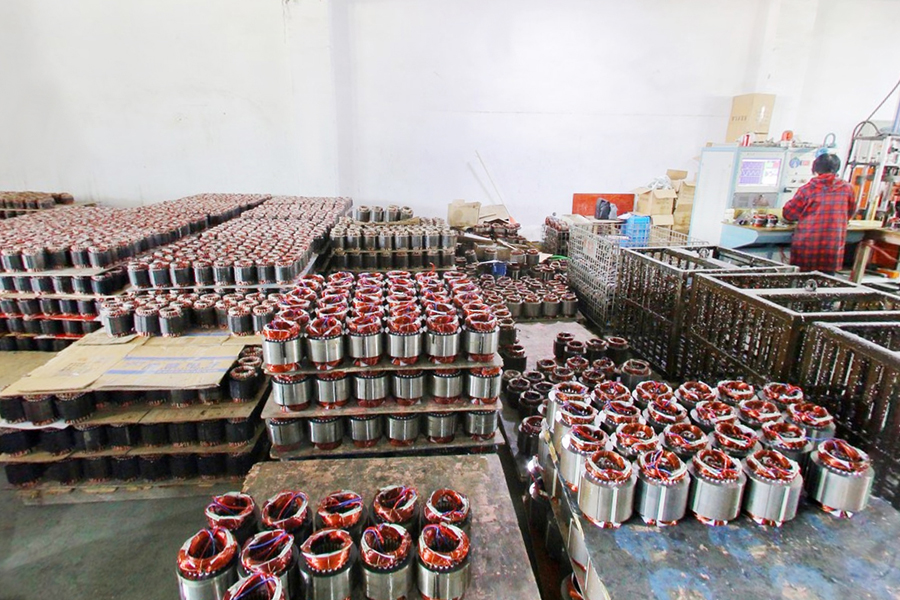
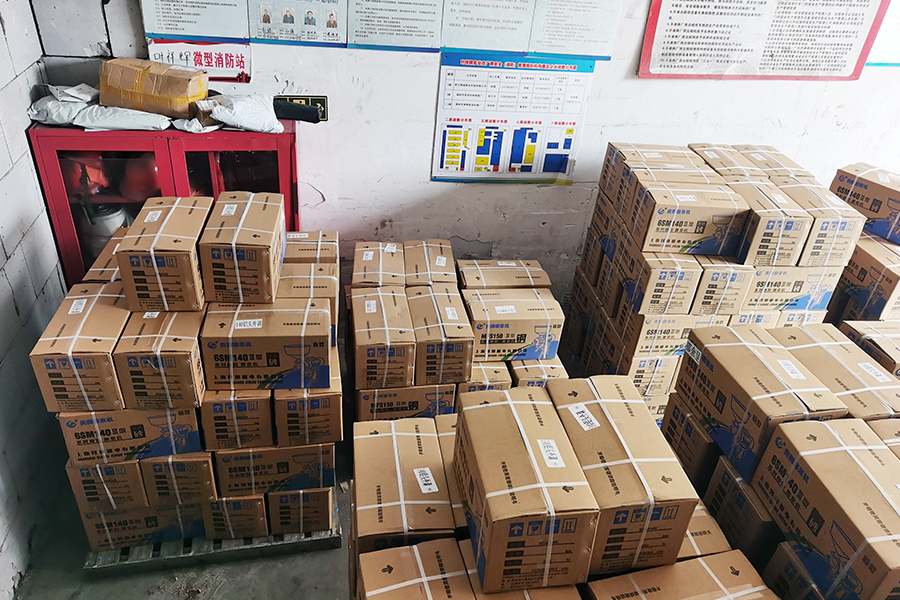

Asynchronous Motor Manufacturer



 English
 中文简体
中文简体