-
 [email protected]
-
 +86 15857619833
-
+86-18989628252
[email protected]
+86 15857619833
+86-18989628252

The term IE2 three-phase asynchronous electric motor refers to a motor that meets the High Efficiency classification as defined by international standards. This standard established a global framework for motor efficiency, replacing various regional systems with a clear IE code scale from IE1 for standard efficiency through IE5 for ultra-premium performance. An IE2 motor represents a significant advancement over older, less efficient designs, engineered to reduce electrical losses through optimized electromagnetic circuits, improved materials, and better cooling mechanisms. These motors provide a balance between enhanced energy performance and cost-effectiveness, making them a popular choice for a vast range of industrial applications where efficiency improvements matter without requiring premium investment.
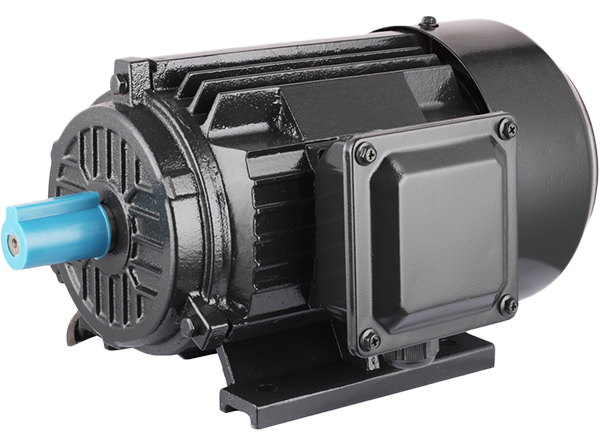
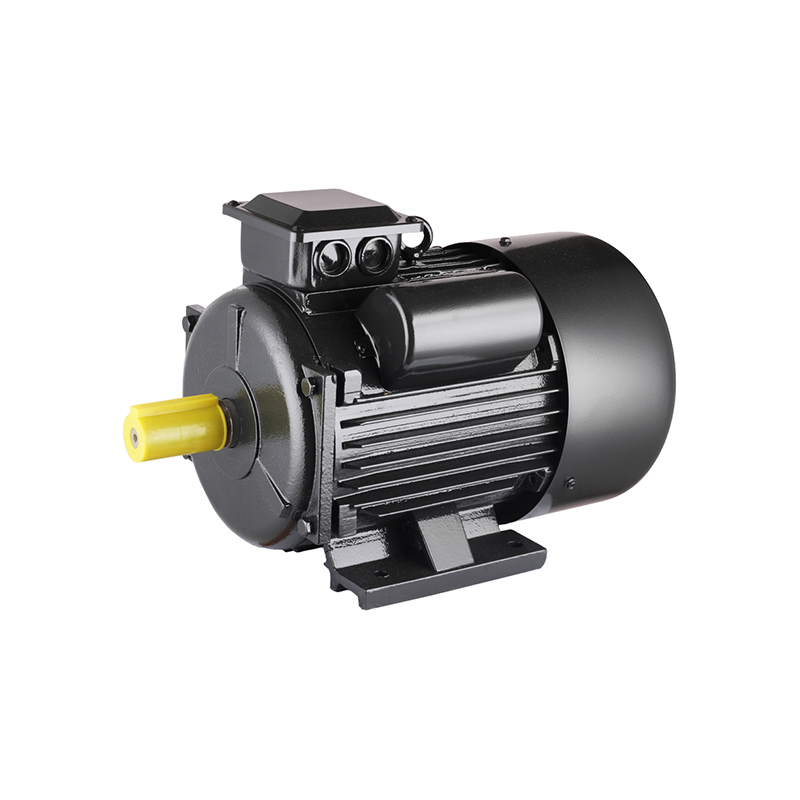
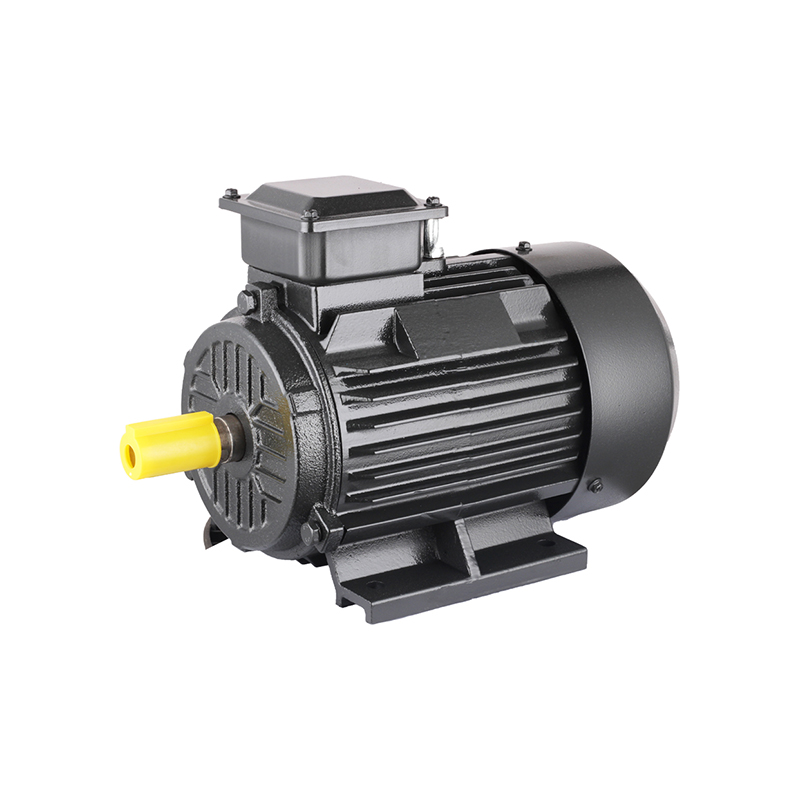
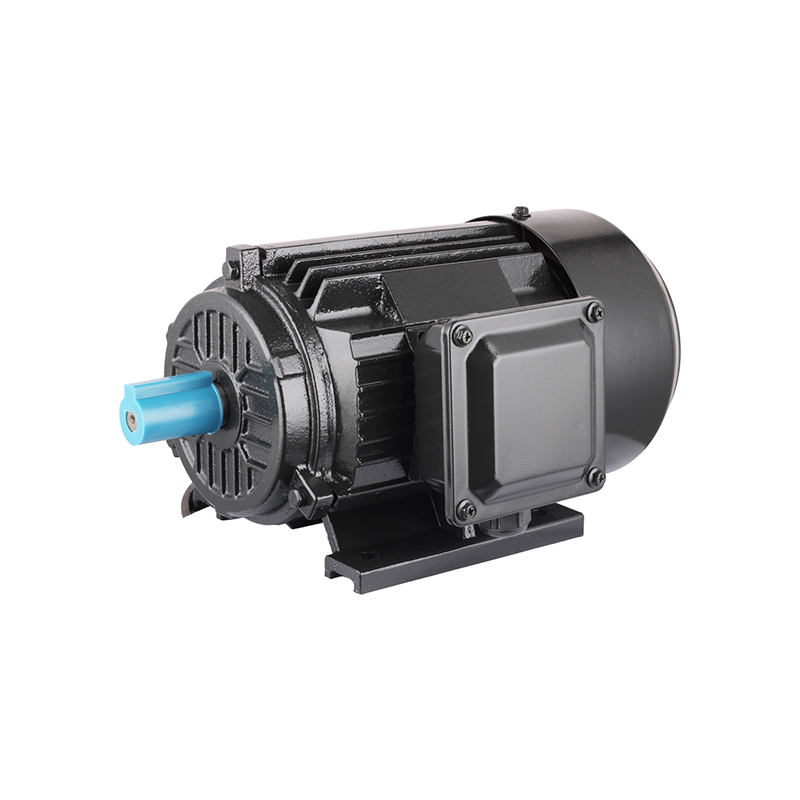
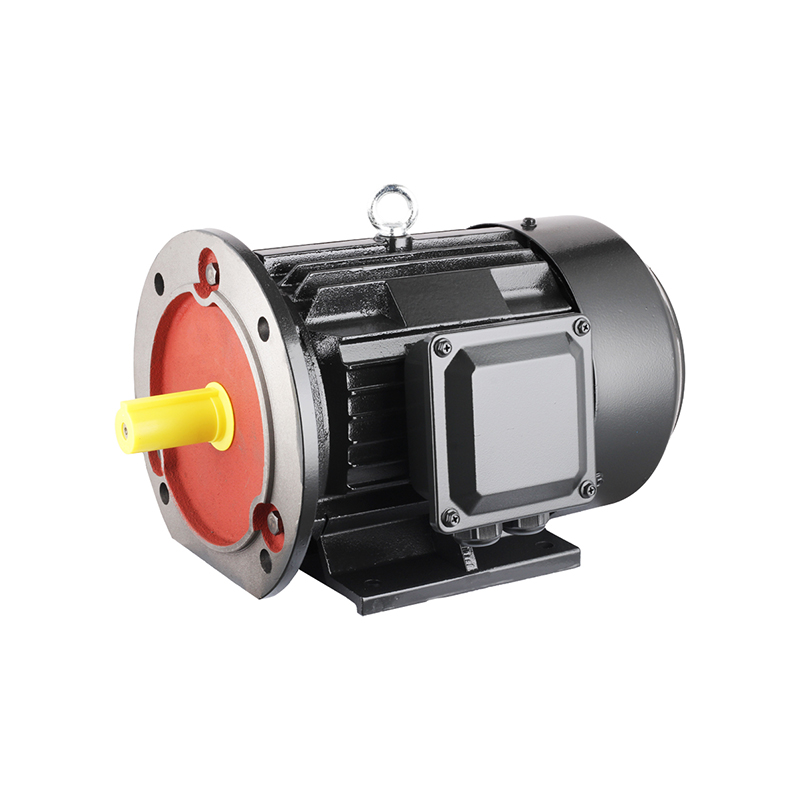
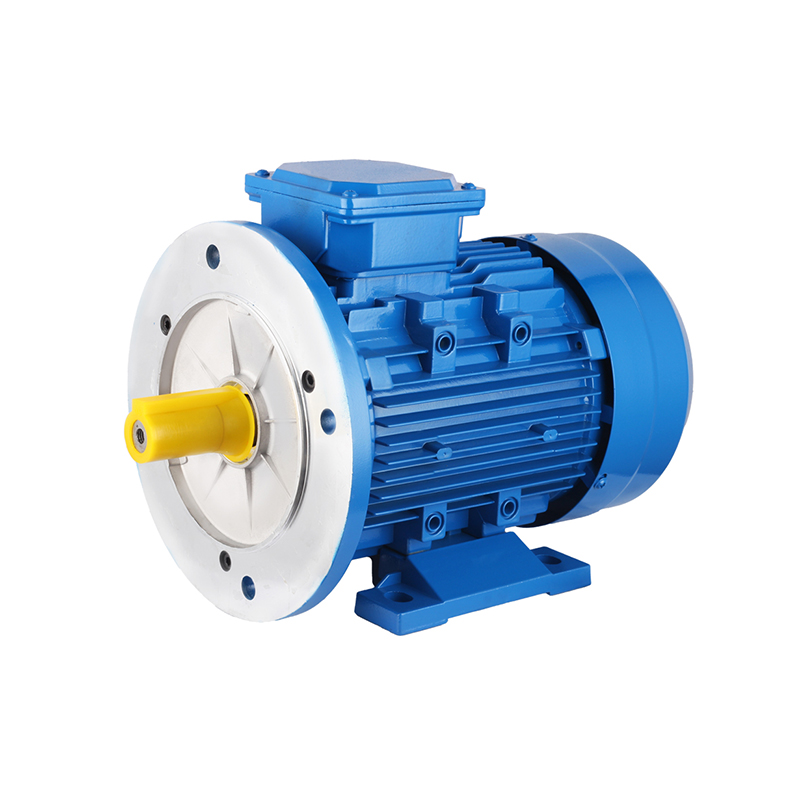
A typical IE2 three-phase asynchronous electric motor is built for durability and reliable performance in demanding environments. The construction often features a choice of frame materials to suit different needs. Aluminum housing variants, common in smaller frame sizes, offer lightweight durability and excellent heat dissipation through integrated cooling fins. For larger motors and more corrosive or heavy-duty settings, a rugged cast iron housing provides superior structural integrity and protection against impact and vibration.
Key features across most manufacturers include premium bearings ensuring long service life and quiet operation, with smaller sizes featuring sealed-for-life bearings that eliminate maintenance requirements. Standard ingress protection makes these motors dust-tight and protected against water jets, suitable for outdoor and harsh industrial use. Class F insulation provides high temperature tolerance, offering a margin of safety even when operating in elevated ambient temperatures. Windings often include thermal protection devices safeguarding against overheating during overload conditions.
The versatility of the IE2 three-phase asynchronous electric motor allows it to power equipment across nearly every industrial sector. Its robust and reliable nature makes it an ideal choice for constant-speed applications where variable frequency drives are not required. Common applications include driving pumps for water, fuels, and oils in various facilities where continuous operation is expected. These motors are equally well-suited for fans in air handling units, refrigeration plants, and cooling systems that run for extended periods.
In material handling and processing, these motors reliably power conveyor belts moving products through manufacturing lines. Compressors for air and refrigeration systems depend on them for consistent operation under varying loads. Heavy-duty machinery including granulators, shredders, and mixers rely on the torque characteristics of these motors to process materials effectively. Their compatibility with gear reducers also makes them fundamental components in integrated drive solutions for specialized equipment.
Available in a comprehensive range of power outputs spanning from fractional horsepower to hundreds of kilowatts, the IE2 three-phase asynchronous electric motor can be found in frame sizes accommodating various mounting configurations. The motors are designed for different synchronous speeds, with two-pole, four-pole, and six-pole configurations being most common depending on whether applications require higher speed or greater torque. Standard voltage ratings match common industrial power supplies, though multi-voltage compatibility is available to suit different global power grids and installation requirements.
Detailed performance data including efficiency percentages, power factor values, current draw, and torque curves guides engineers in selecting exact models for specific load requirements. Starting torque characteristics ensure motors can accelerate loads from standstill without excessive current draw or prolonged starting times. Breakdown torque ratings indicate overload capacity before motors stall under extreme conditions.
Understanding the role of the IE2 three-phase asynchronous electric motor requires context within global energy regulations. For years, IE2 represented the minimum efficiency standard required for new industrial motors in many regions. However, regulations have since tightened requirements, with IE3 becoming the new baseline for line-operated operation across most common power ranges. The IE2 motor has not been rendered obsolete but now serves a specific and crucial function, remaining compliant and widely used when paired with variable speed drives to form efficient adjustable-speed systems.

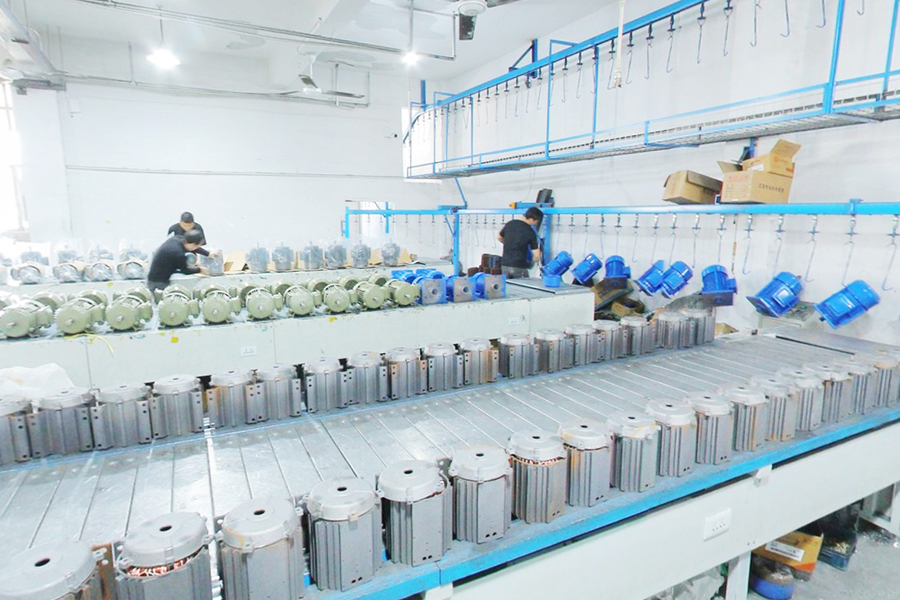
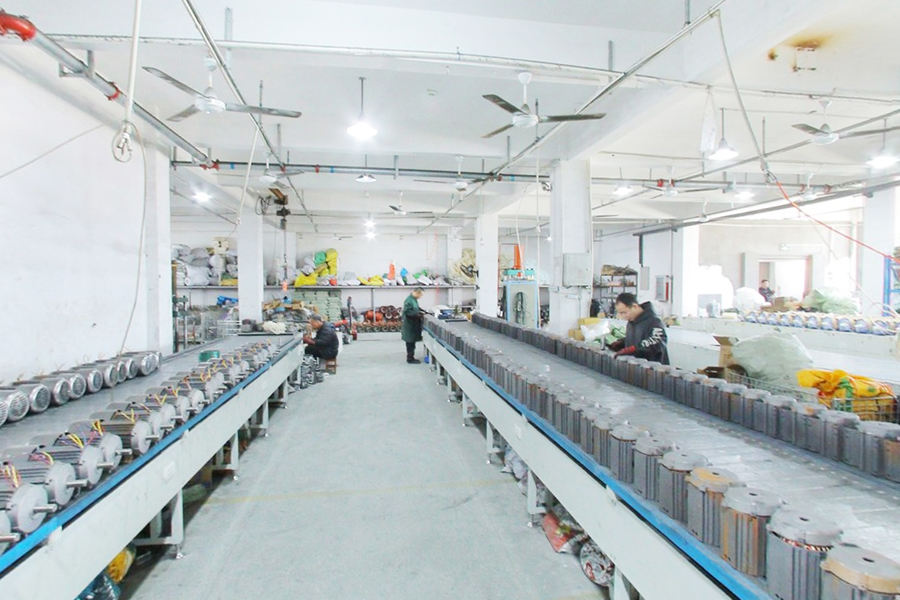
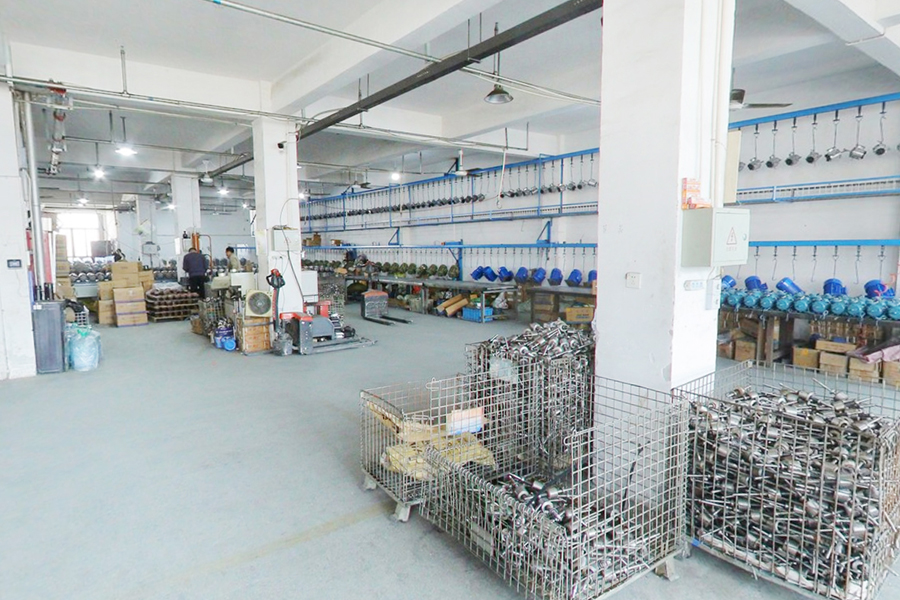
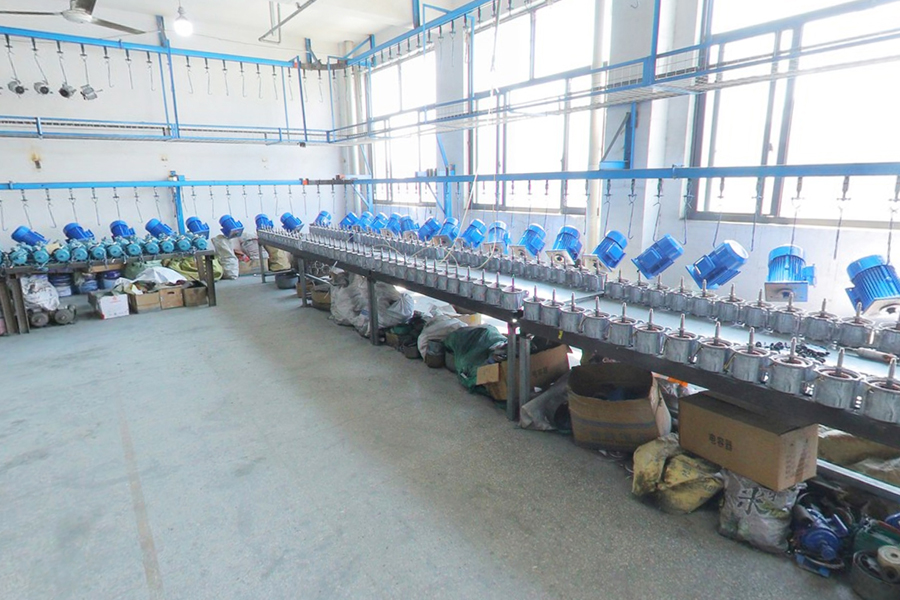
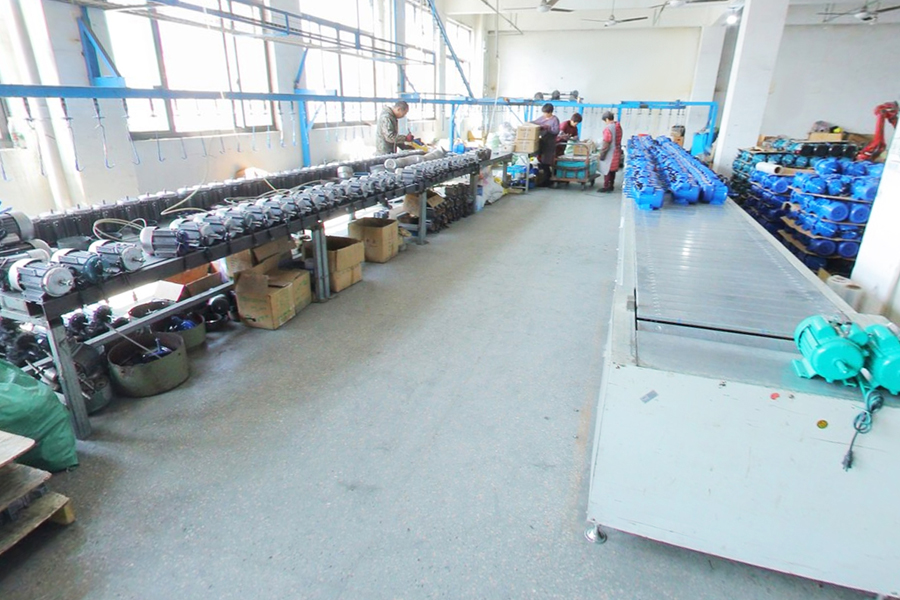
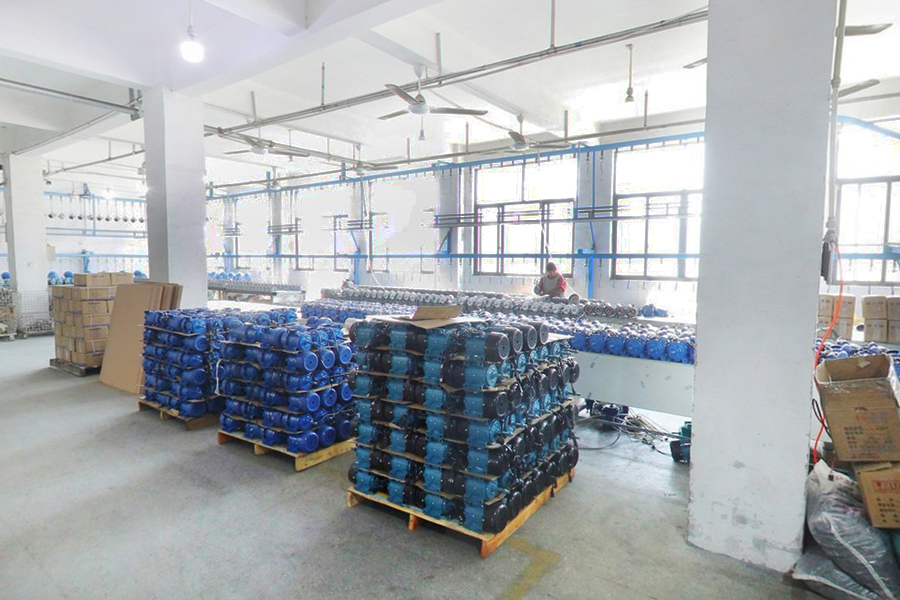
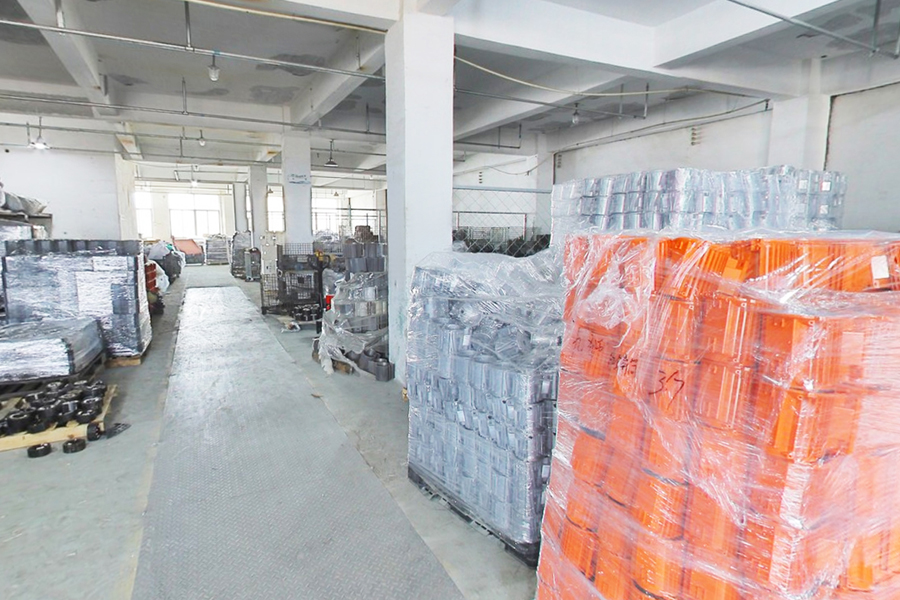
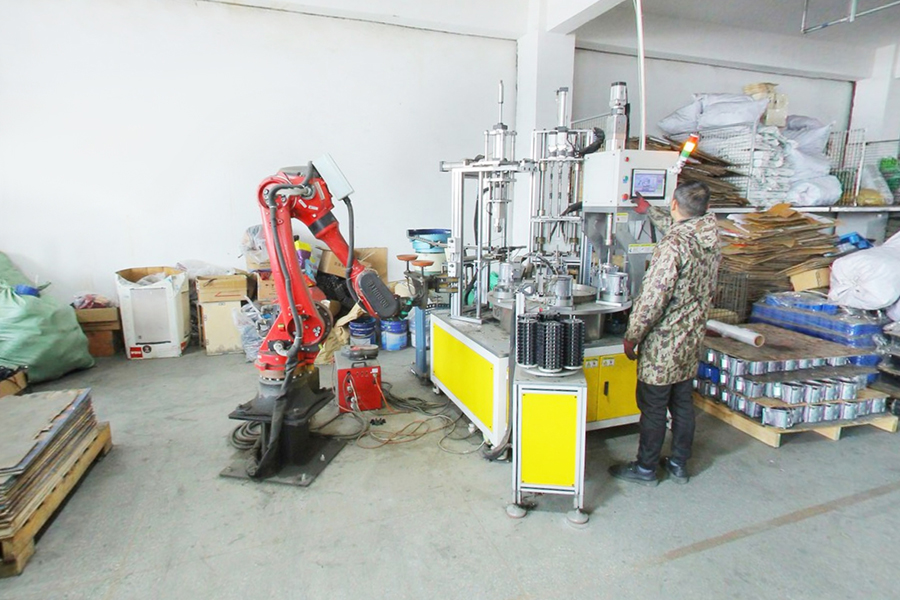
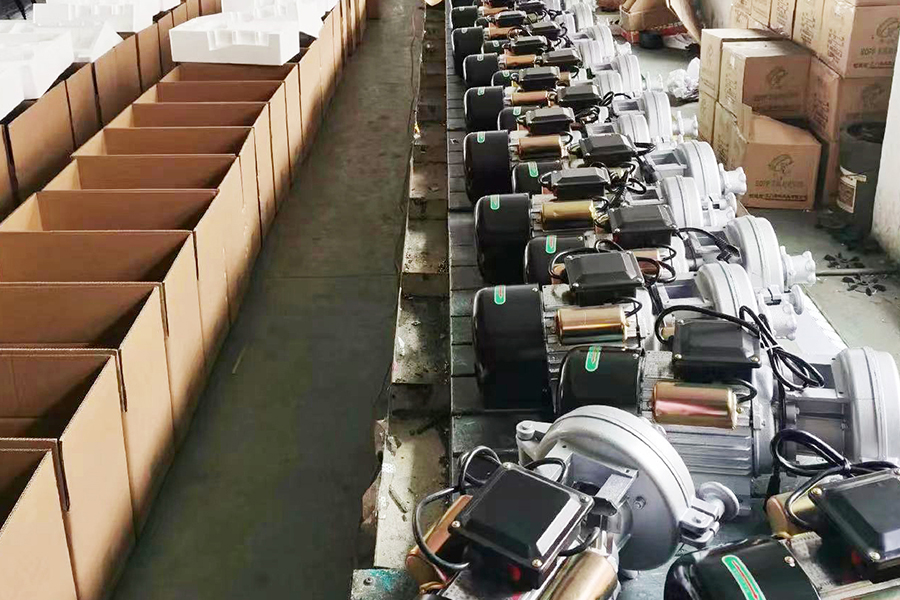
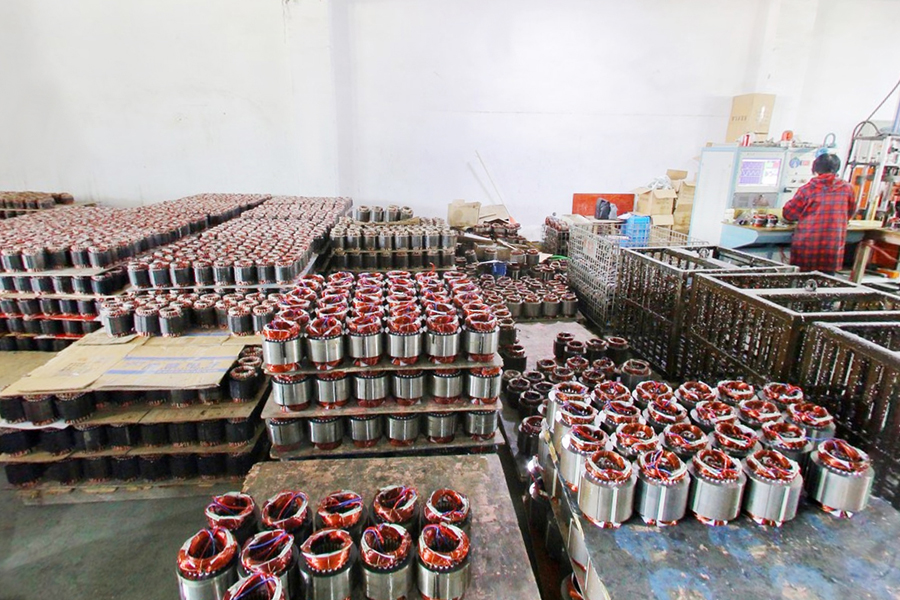
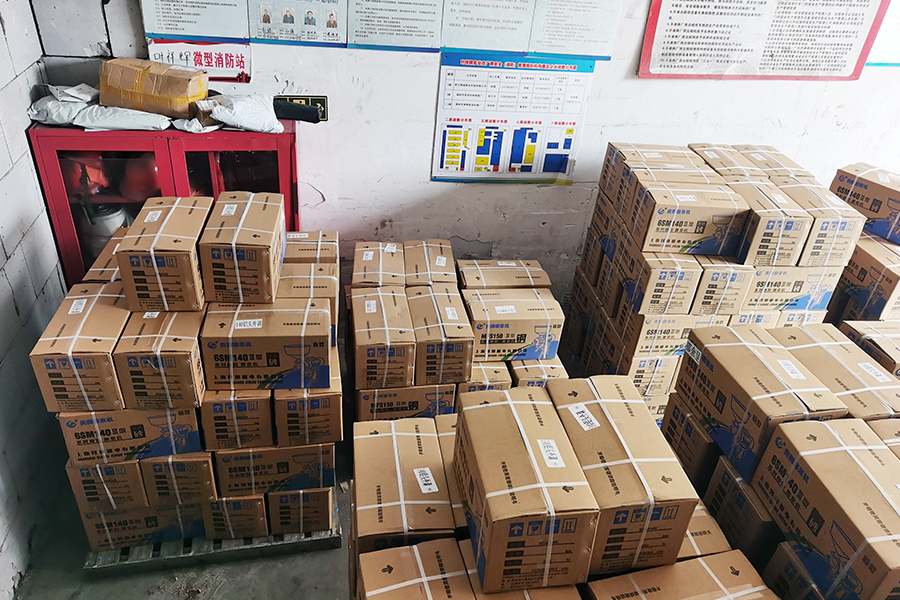

Asynchronous Motor Manufacturer



 English
 中文简体
中文简体