-
 [email protected]
-
 +86 15857619833
-
+86-18989628252
[email protected]
+86 15857619833
+86-18989628252

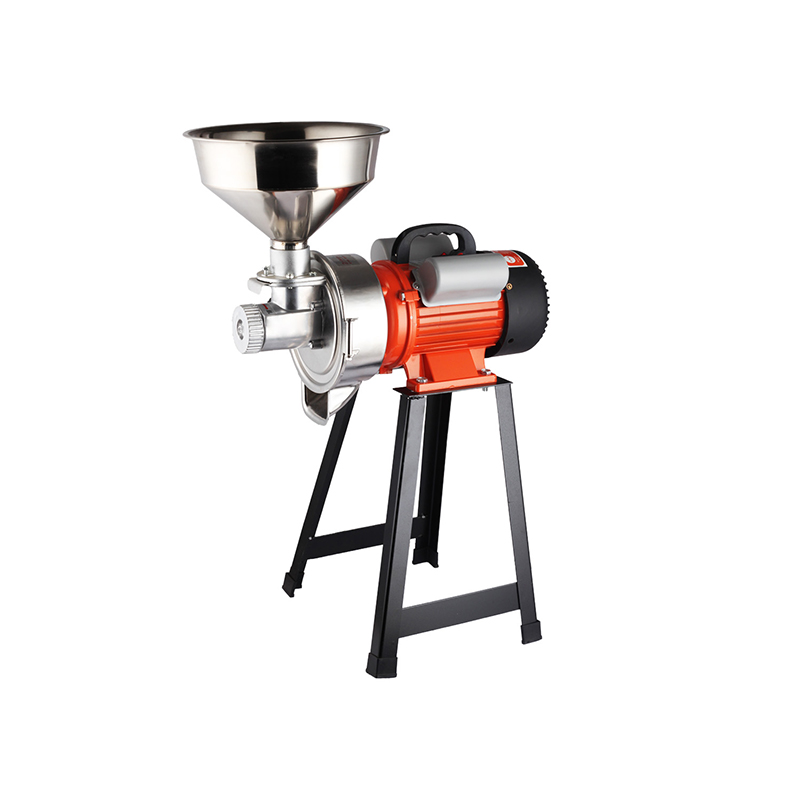
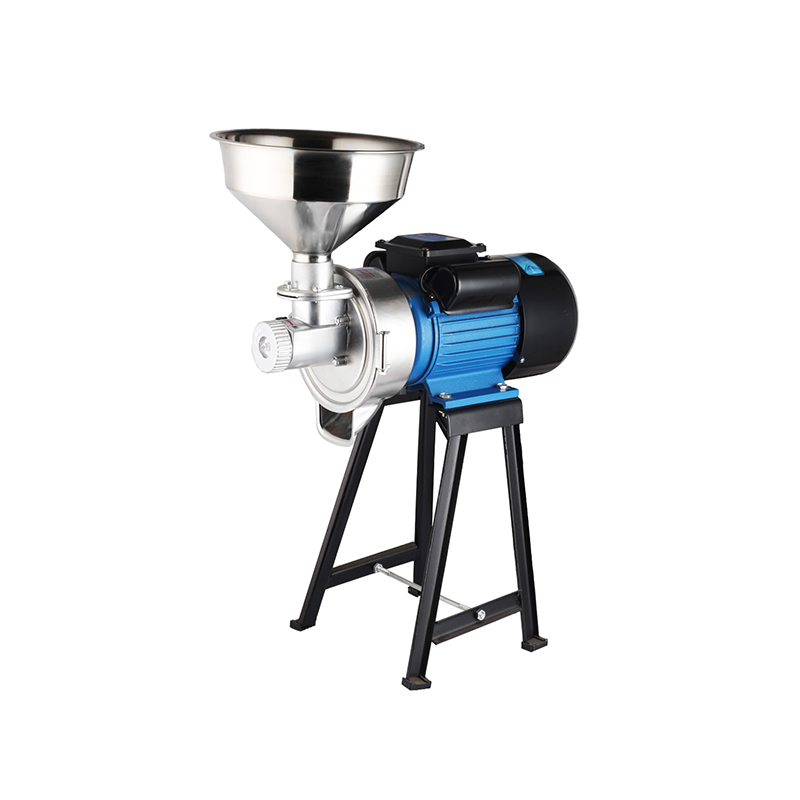
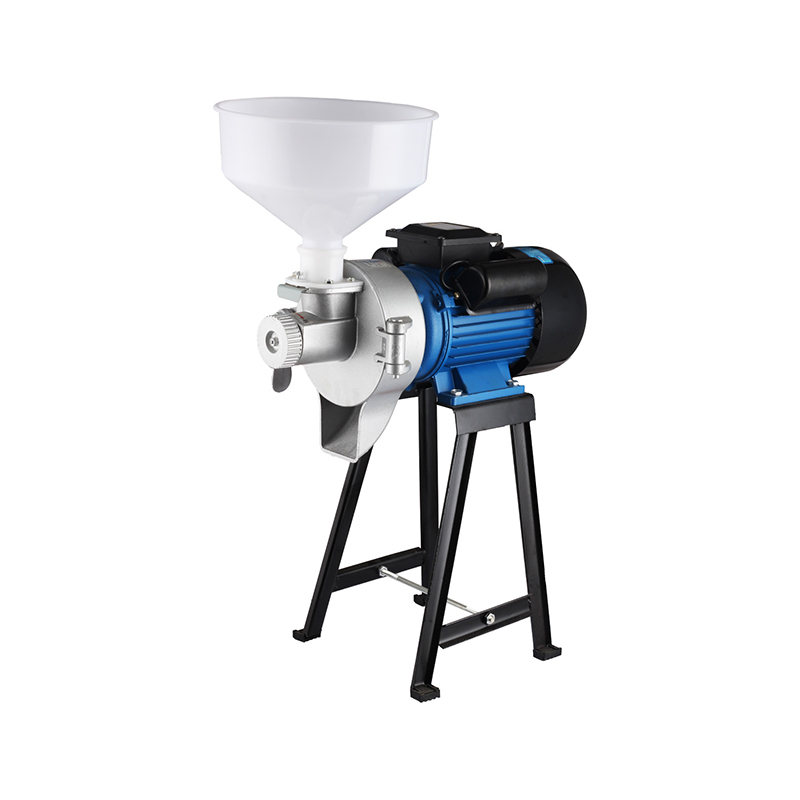
A commercial rice milk grinding machine is specialized equipment designed to transform raw rice into smooth, nutritious plant-based milk through precision grinding and extraction processes. These machines represent a significant investment for food service operations, requiring understanding of their operational principles, maintenance requirements, and production capabilities to maximize return on investment. The technology has evolved substantially in recent years, driven by growing consumer demand for dairy alternatives and the need for consistent, high-quality output in commercial settings.
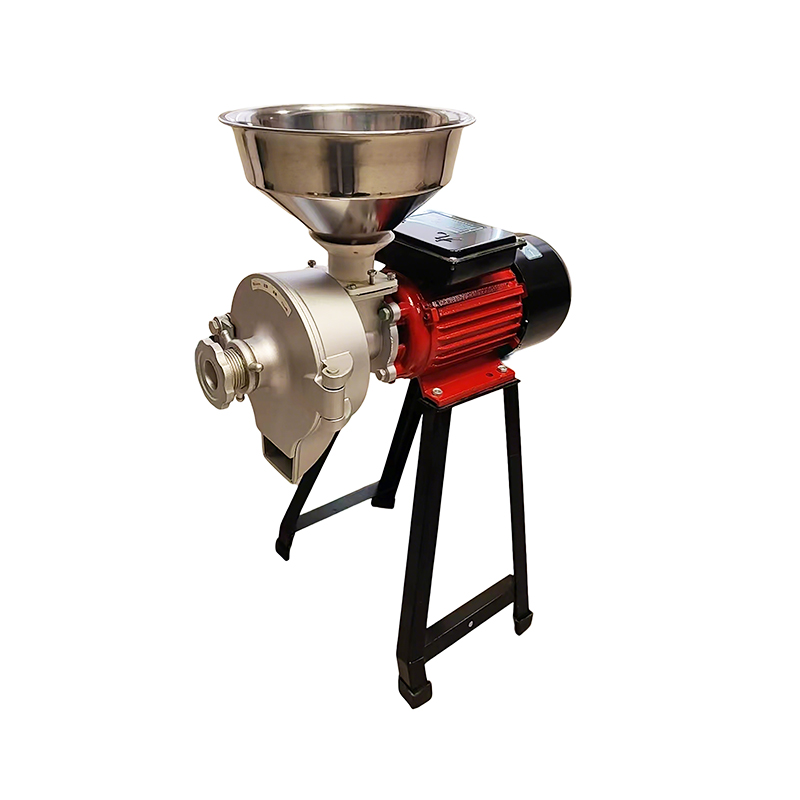
The heart of any commercial rice milk grinding machine lies in its grinding mechanism, with different designs suited to various production scales and product requirements. Stone grinding systems utilize natural or synthetic stones to crush rice grains through compression and shear forces, producing milk with excellent texture and minimal heat generation that preserves nutritional qualities. The slow rotation speed typical of stone mills, often around 500 to 800 revolutions per minute, minimizes friction heating that could degrade flavors or damage heat-sensitive compounds.
Colloid mills represent another common technology, employing high-speed rotors and stationary stators with precisely controlled gaps to achieve ultra-fine particle reduction. These machines operate at much higher speeds, typically 3000 revolutions per minute or more, creating intense shear forces that reduce rice particles to microscopic dimensions. The resulting milk exhibits exceptional smoothness and stability, with reduced tendency to separate during storage.
Commercial food processing equipment must meet stringent hygiene standards, and the construction of a commercial rice milk grinding machine directly affects both food safety and equipment longevity. Stainless steel dominates the industry, with grades 304 and 316 being most common for components contacting food. These materials resist corrosion from the mildly acidic nature of rice milk and withstand repeated cleaning with industrial sanitizers without pitting or degradation.
The surface finish of stainless steel components also matters significantly for sanitation. Polished surfaces with roughness measurements below 0.8 micrometers prevent bacterial adhesion and simplify cleaning between production runs. All product contact areas should be accessible for inspection and cleaning, with rounded corners eliminating crevices where residues could accumulate and support microbial growth.
Selecting an appropriate capacity for a commercial rice milk grinding machine requires careful analysis of current demand and growth projections. Small cafes and juice bars may find machines rated at 20 to 50 liters per hour adequate for their needs, while larger restaurants and small dairies typically require 100 to 200 liters per hour capacity. Industrial producers serving regional or national markets need equipment capable of 500 liters per hour or more, often integrated into complete processing lines.
Oversized equipment wastes capital and may lead to operational inefficiencies, as machines running well below rated capacity can experience inconsistent product quality and increased wear. Undersizing creates production bottlenecks and may force operators to run extended shifts that accelerate maintenance requirements and reduce equipment life. Matching capacity to realistic demand projections optimizes both initial investment and ongoing operating costs.
Modern commercial rice milk grinding machine designs incorporate sophisticated control systems that simplify operation while ensuring consistent product quality. Programmable logic controllers with touchscreen interfaces allow operators to store recipes for different rice varieties or product formulations, automatically adjusting grinding parameters to achieve target textures and yields. Temperature monitoring systems prevent overheating that could compromise flavor or nutritional value.
Integrated cleaning systems reduce labor requirements and improve sanitation consistency. Clean-in-place capabilities allow automated circulation of cleaning solutions through all product contact surfaces without disassembly, minimizing downtime between production runs and reducing operator exposure to cleaning chemicals. Some advanced systems include self-diagnostic features that alert operators to potential maintenance needs before failures occur.

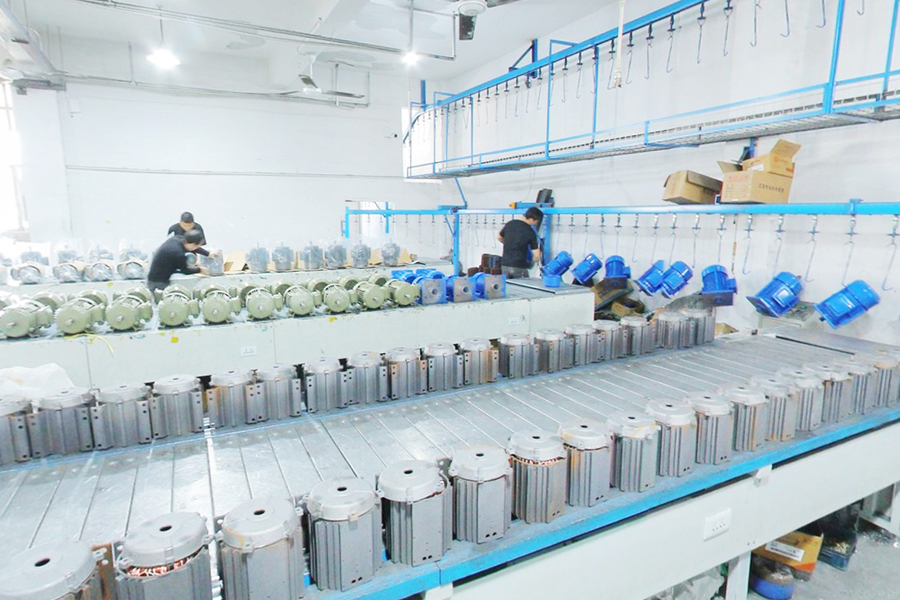
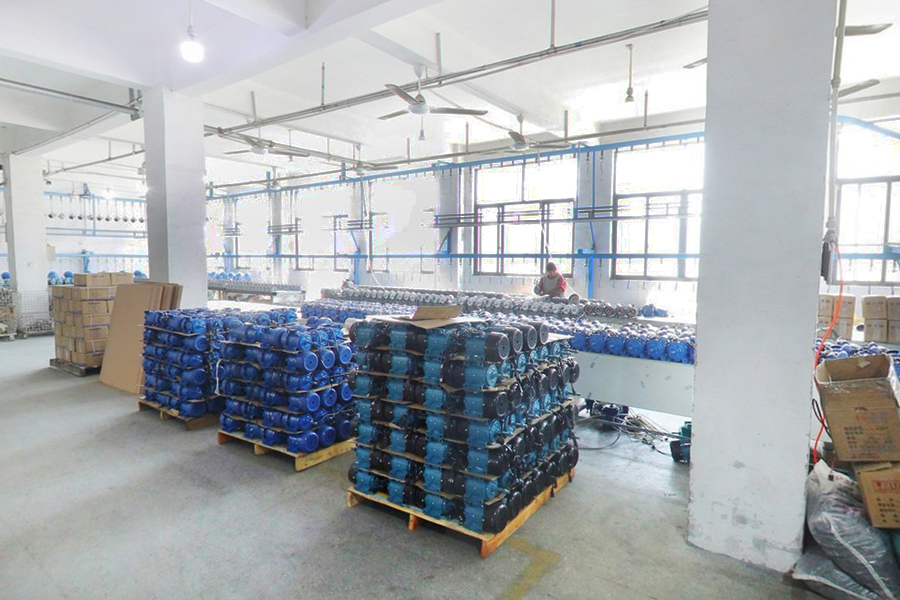
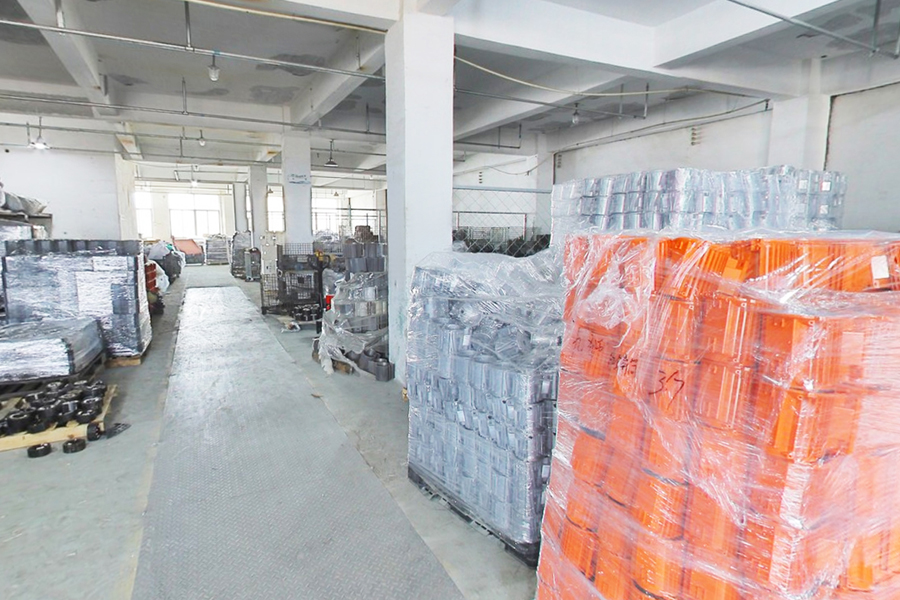
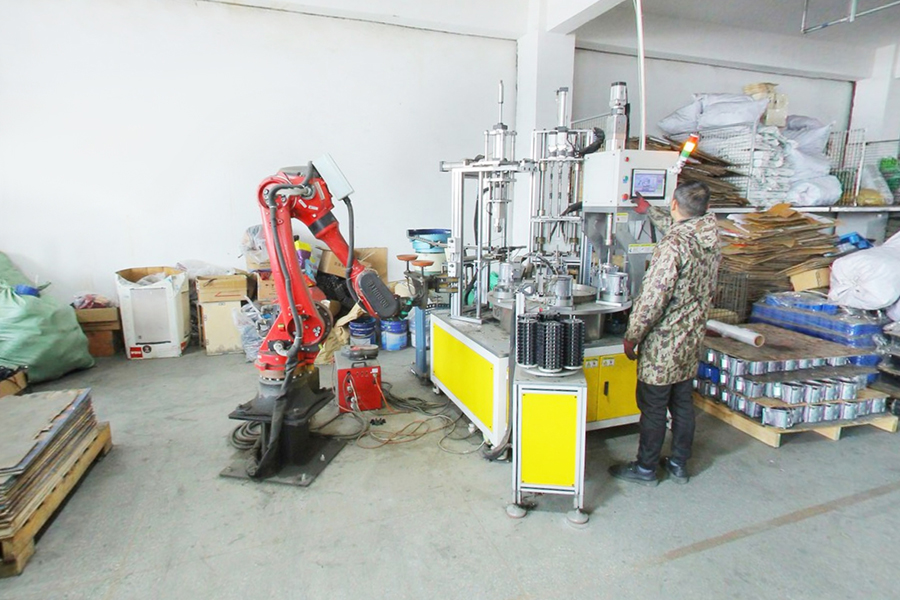
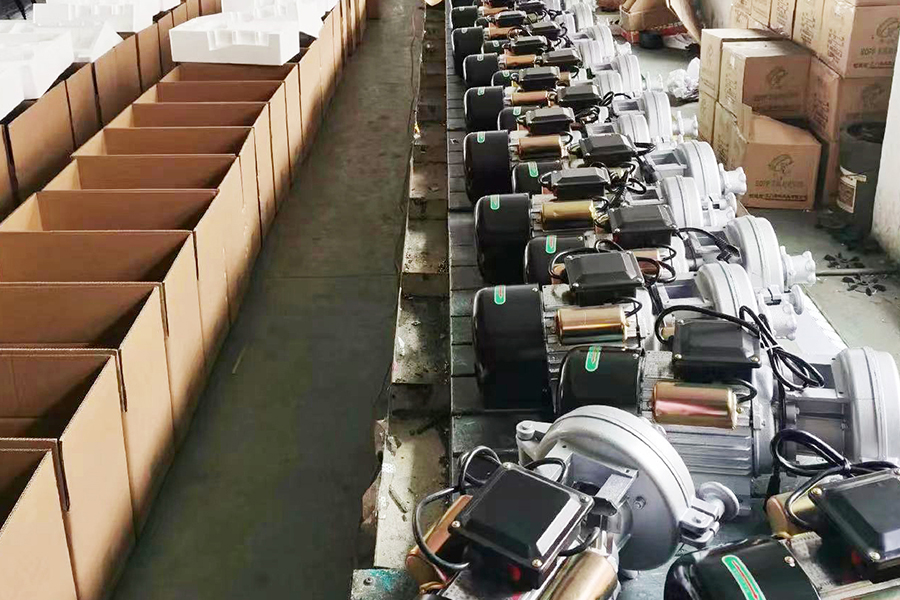
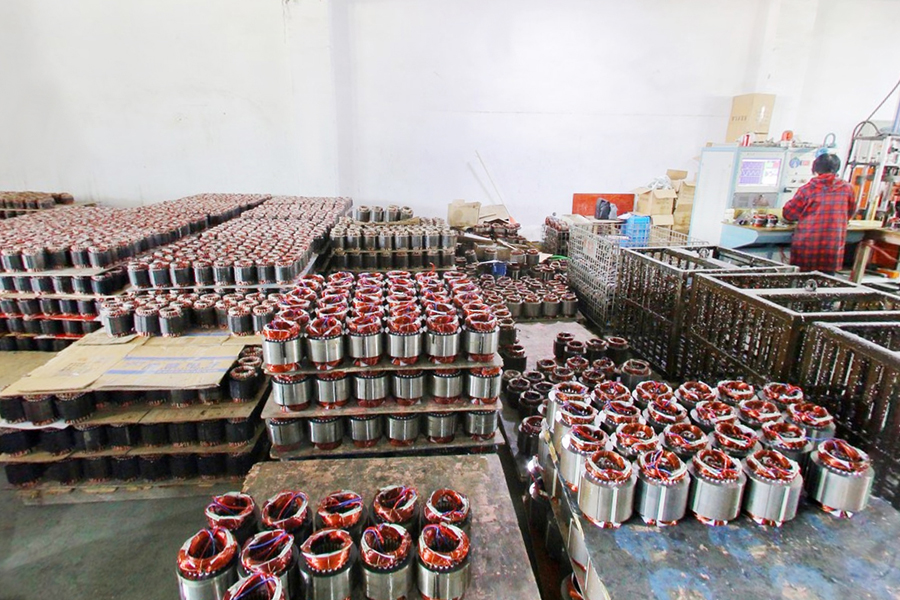

Asynchronous Motor Manufacturer



 English
 中文简体
中文简体