-
 [email protected]
-
 +86 15857619833
-
+86-18989628252
[email protected]
+86 15857619833
+86-18989628252

Food processing work often starts from materials that still carry their original form, and grain is one of the most common examples found across different preparation environments. Before any further handling steps can take place, particle size usually needs to be adjusted so that later stages can work with a more stable and uniform material state. Without this transition, mixing, conveying, and forming processes may behave unevenly, which slowly affects the overall flow of production.
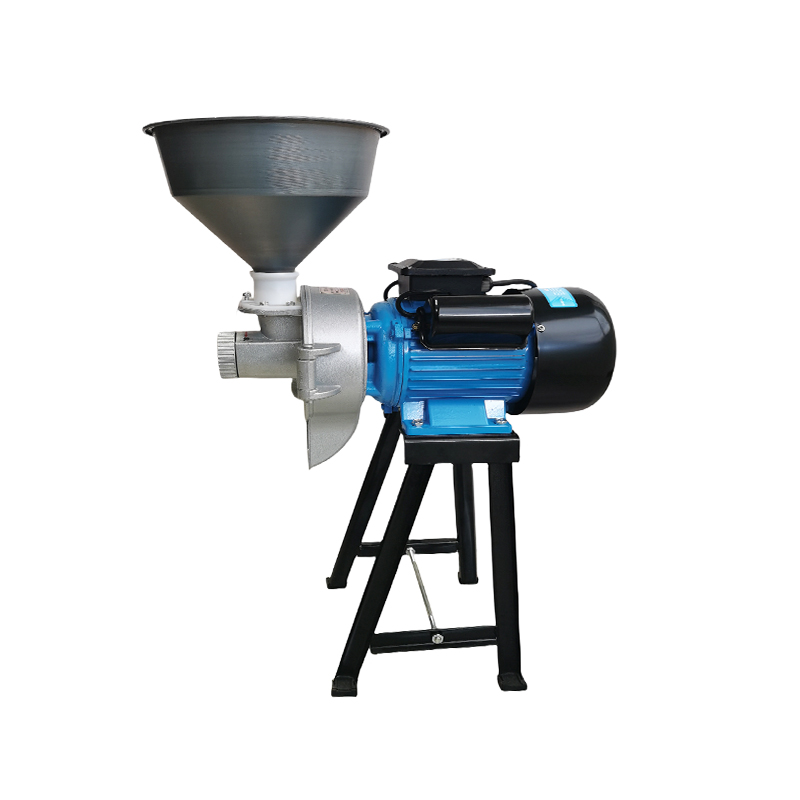
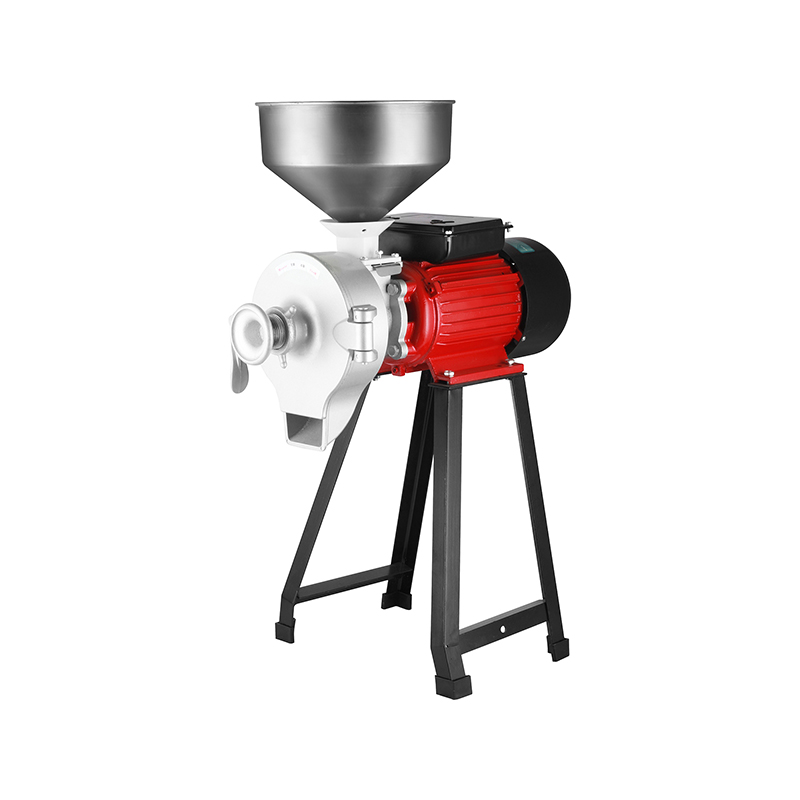
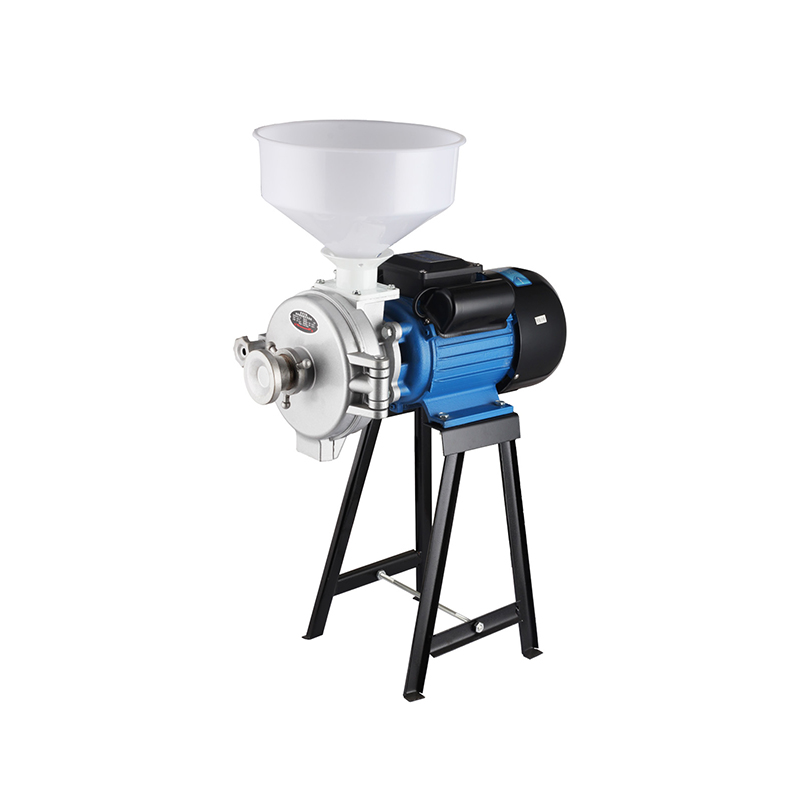
Commercial Grain Grinder Machine is placed in this early transformation stage where bulk grain materials are guided into smaller and more consistent particles. The role does not stay limited to breaking down raw input, since the way particles move, settle, and interact inside later systems also changes after grinding. Material that passes through a controlled reduction stage tends to behave more predictably in downstream handling, especially when it enters blending or forming environments.
In many processing layouts, grain does not move in a random path but follows a structured sequence that gradually reshapes its form. Typical movement often includes storage release, controlled feeding, internal size adjustment, and then transfer into the next preparation stage, where each step influences how the next one behaves. Grinding sits in the middle of that chain, acting as a stabilizing point between raw material and refined handling conditions.
Inside processing spaces, equipment arrangement usually depends on how material travels rather than how machines stand alone. Commercial Grain Grinder Machine is generally positioned along natural transfer routes so that grain can move from one stage to another without unnecessary interruption or extended handling distance. The flow between storage, grinding, and subsequent processing becomes smoother when positioning aligns with material movement direction.
In many setups, the machine is not treated as an isolated unit but as part of a connected path where material enters, passes through internal transformation, and exits into the next preparation stage. The continuity of movement reduces interruptions that might otherwise appear when material has to be manually or indirectly transferred across different zones.
Common placement behavior in processing environments can be observed in several forms:
The layout tends to follow a simple principle where material movement defines machine placement, and not the other way around. Once flow direction becomes stable, surrounding equipment naturally adjusts to maintain consistent transfer paths.
Inside the grinding system, structure plays a quiet role in shaping how material behaves during movement. Grain enters through a controlled feeding area, then moves into an internal space where repeated contact and motion gradually reduce particle size before reaching the output section. Each part of this internal path contributes to how smoothly material transitions from one state to another.
A simplified internal structure view can be described in a way that reflects how material flows rather than focusing on mechanical detail alone:
| Internal Section | Role in Material Flow | Effect on Processing Behavior |
|---|---|---|
| Feeding passage | Introduces grain into system | Maintains steady entry flow |
| Grinding space | Performs size reduction through movement interaction | Shapes particle uniformity |
| Flow guidance area | Directs material movement inside chamber | Supports continuous circulation |
| Output passage | Releases processed material | Stabilizes discharge behavior |
Material movement inside this structure depends on how evenly grain spreads across internal surfaces, since uneven distribution may lead to irregular interaction patterns. When movement remains balanced, particle reduction tends to follow a more consistent path, which supports smoother transfer into later processing stages.
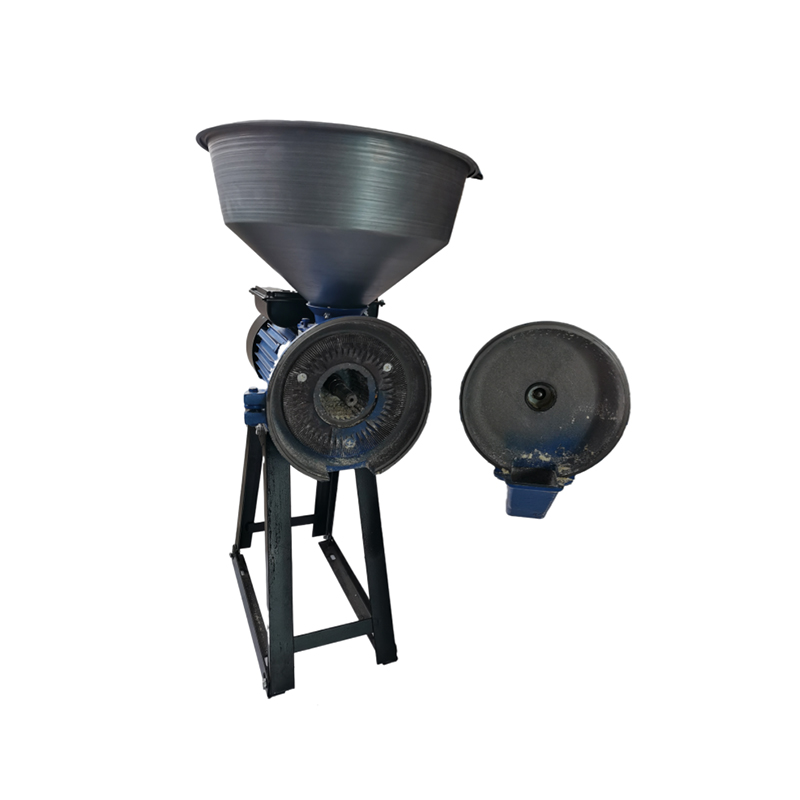
Food processing environments are often designed around continuous material flow, where each stage connects to the next without creating unnecessary breaks in movement. Within such layouts, Commercial Grain Grinder Machine works as a transition point that connects raw material handling with more refined processing stages.
Instead of operating as a separate station, the grinding unit becomes part of a broader system where positioning, flow direction, and material timing all interact. Grain enters the system, passes through controlled internal movement, and exits into the next preparation stage without requiring external interruption.
Layout planning in many environments often reflects several practical considerations:
As material flows through these stages, each machine placement influences the next movement step, and grinding equipment often sits at a point where transformation from raw structure to usable processing form becomes necessary.
Grain materials do not behave uniformly during processing, since their physical structure, hardness, and surface condition influence how they respond to internal movement. Once introduced into the grinding chamber, each type of grain interacts differently with internal surfaces, which leads to variations in how long it remains inside the system and how quickly it changes form.
Softer grain materials tend to move through internal space with shorter interaction cycles, while denser grains remain longer inside the grinding path before reaching output stage. When multiple grain types are processed together, movement patterns become more varied, yet internal structure continues guiding material toward a controlled exit path.
General behavior inside the system often follows a sequence such as:
Even when material behavior changes across different grain types, internal movement structure continues to regulate how grain travels through the system, which helps maintain a level of consistency in output behavior across different processing conditions.
Grinding performance in food processing environments does not rely only on internal structure, since operating rhythm and feeding behavior also shape how material moves through the system. Once grain enters the grinding chamber, the way it is supplied and how continuously it flows will affect internal distribution, which gradually reflects in the consistency of the output.
A steady feeding pattern tends to keep internal movement balanced, allowing grain to circulate through the grinding space in a more predictable manner. When feeding becomes irregular, internal load shifts from one area to another, and particle interaction may vary within the chamber before returning to a more stable state. Over time, this difference in movement rhythm can influence how uniform the processed material appears.
Several operating factors often shape this behavior:
Grinding systems often respond to these conditions through internal redistribution of material movement, meaning the structure continues to function, yet the path of interaction inside the chamber adjusts according to flow behavior.
As grain moves through the internal chamber, repeated contact with grinding surfaces gradually changes its physical form. The transformation does not happen in a single step, since particles shift through multiple stages of interaction while circulating inside the system.
At the early stage, grain retains its original structure, only beginning to break at contact points. As movement continues, edges become less defined and particles start to separate into smaller fragments. Continued circulation leads to more uniform reduction, where material gradually reaches a more stable form before exiting the chamber.
This progression can be described as a continuous movement cycle rather than separate mechanical actions, since the same internal space guides all stages of transformation without interruption.
Typical transformation flow:
The final output condition depends not only on internal structure, but also on how long material remains within each stage of movement.
In food processing environments, equipment often operates across repeated cycles, and over time, internal surfaces naturally interact with different types of grain materials. Maintenance activity becomes part of keeping internal movement stable, especially when fine particles or residual material begin to accumulate inside the system.
Regular attention to internal condition helps maintain smoother flow paths, since material movement depends on clear and consistent internal space. When internal surfaces remain unobstructed, grain tends to circulate more evenly, which supports stable grinding behavior during operation.
Common maintenance-related actions often include:
Instead of treating maintenance as a separate task, many processing environments integrate it into regular workflow timing, allowing equipment condition to remain aligned with operating patterns.
Food processing systems continue to shift toward more connected and compact arrangements, where multiple stages are placed closer together to reduce unnecessary material transfer distance. Within such layouts, grinding equipment becomes part of a continuous movement line rather than an isolated processing point.
Commercial Grain Grinder Machine adapts to these layouts by functioning as a transition unit between raw material handling and refined preparation stages. Its position within the system is often determined by how material is expected to move rather than by machine independence.
Layout changes in many environments often reflect several tendencies:
As a result, grinding equipment is placed in positions where movement continuity can be maintained without interruption, allowing grain to pass through different stages with minimal structural change in direction.
Processing environments rarely remain identical across all situations, since material type, feeding rhythm, and surrounding workflow can shift depending on production requirements. Within this variation, grinding systems need to remain adaptable enough to handle changes in flow behavior and material condition.
Adaptation in this context does not come from changing the core structure, but rather from how internal movement responds to different input conditions. Grain may enter in varying quantities or mixed forms, yet internal circulation continues guiding particles through the same general transformation path.
Key adaptability aspects include:
Through these behaviors, grinding systems remain functional across a range of processing scenarios, supporting continuous movement in food preparation environments where material conditions are not always uniform.

Asynchronous Motor Manufacturer



 English
 中文简体
中文简体