-
 [email protected]
-
 +86 15857619833
-
+86-18989628252
[email protected]
+86 15857619833
+86-18989628252

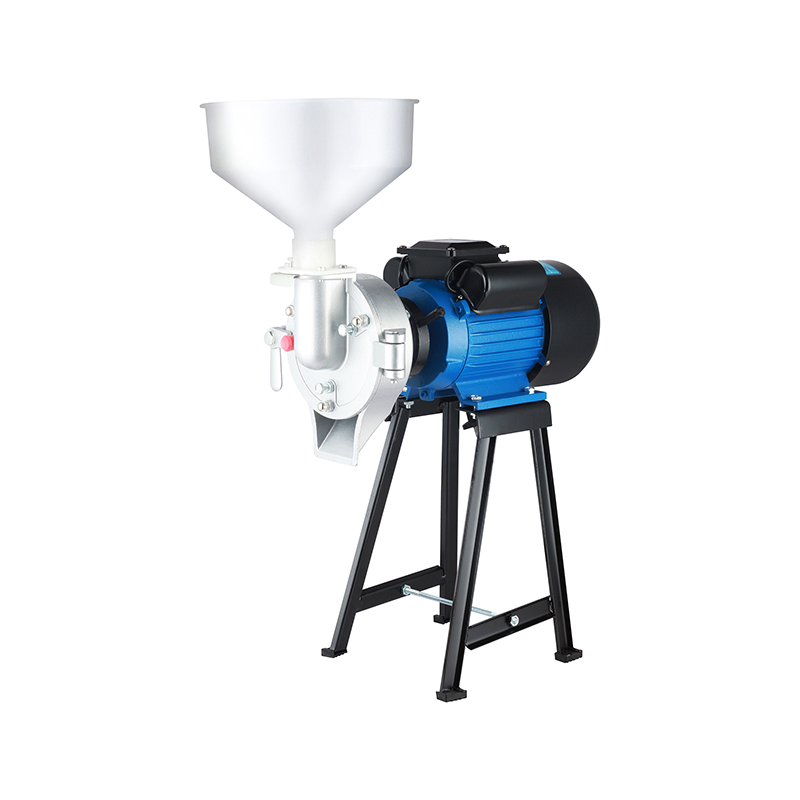
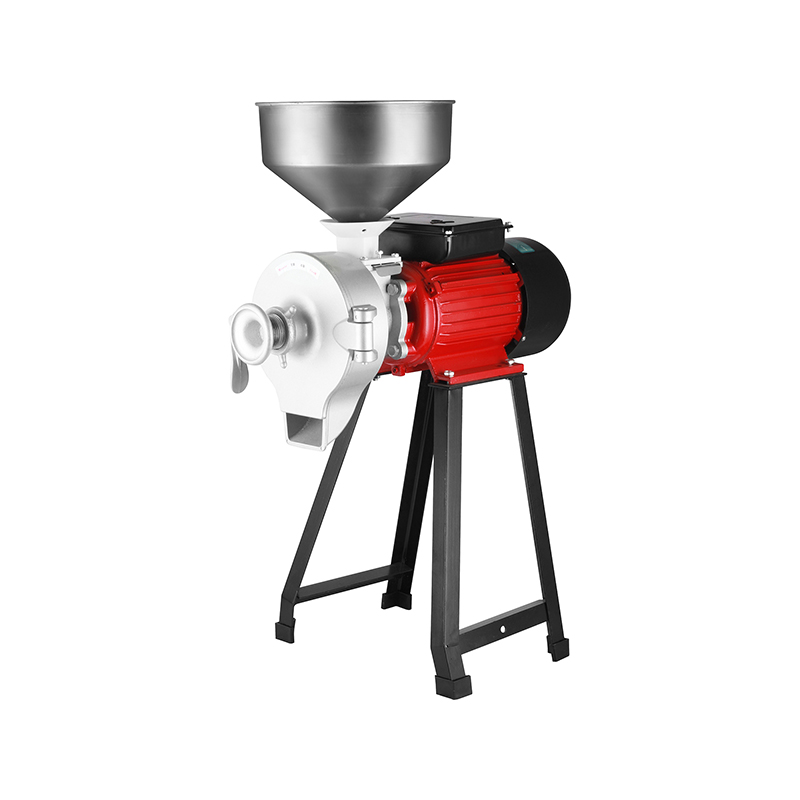
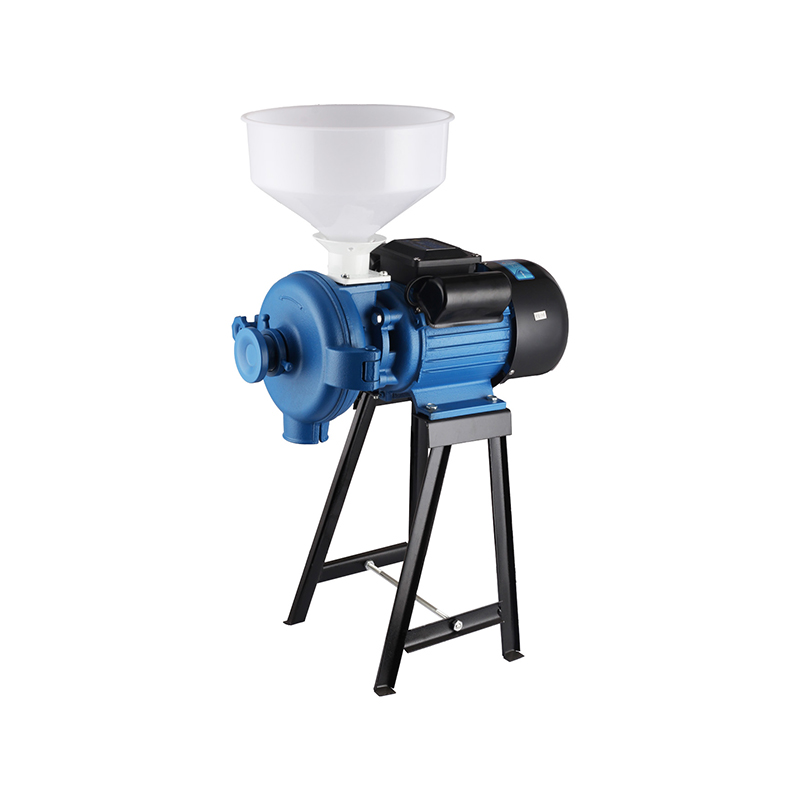
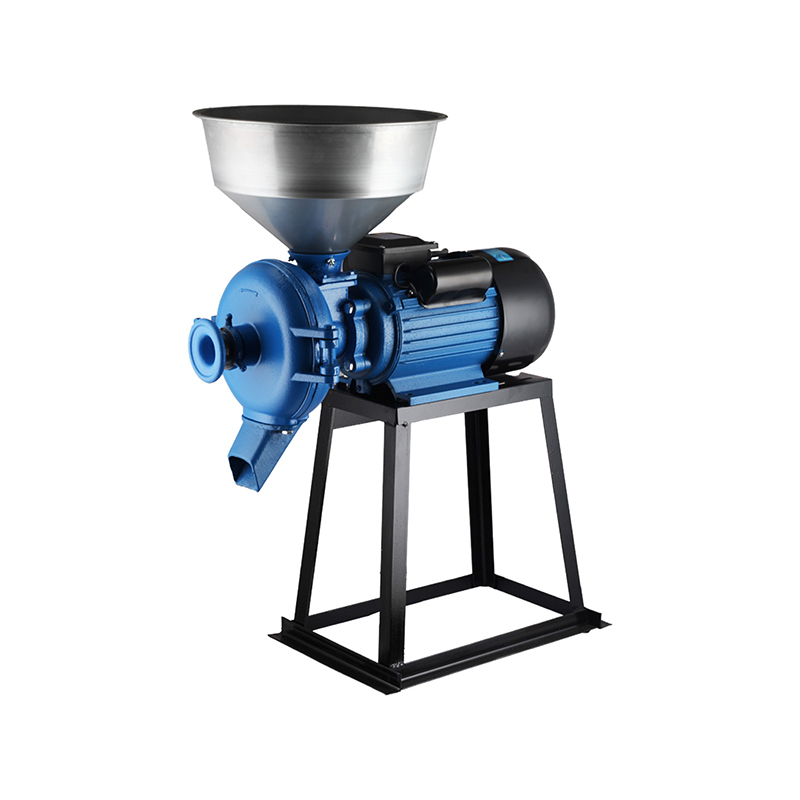
Grain processing work often runs in a steady rhythm, sometimes for long periods without clear pauses in between. Material keeps moving, feeding, and breaking down inside the system, and the grinding unit quietly carries most of that load. In such conditions, a Stainless Steel Grain Grinder tends to be used where long operating time and repeated material contact are part of daily work rather than occasional use.
Inside these environments, grain behavior is not always consistent. Some batches feel dry and light, others carry more moisture and resistance. That difference changes how the internal grinding parts respond, even when the machine setting stays the same. Over time, small variations in material flow start to matter more than expected.
Long-term use is less about a single strong performance moment and more about how stable the process stays after repeated cycles of contact, friction, and feed changes.
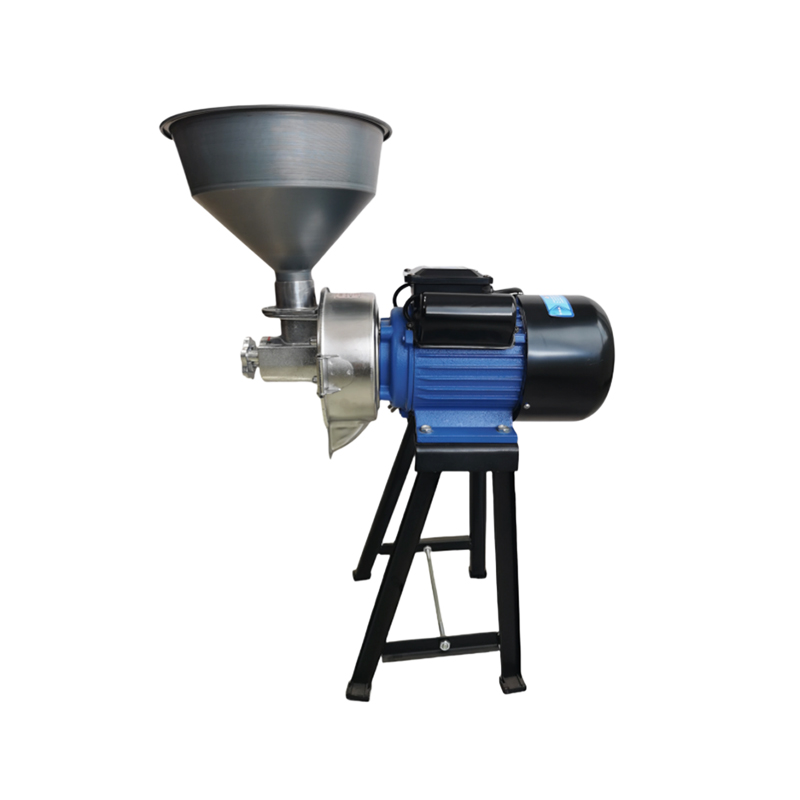
Grain processing rarely stays in one fixed pattern. Material comes in, moves through, and exits in a continuous loop, often with only small breaks in between. Once that cycle begins, the grinding section becomes a constant working point inside the whole system.
A Stainless Steel Grain Grinder is usually placed in the middle of this flow, where it receives raw input and turns it into smaller, more uniform particles. The challenge is not only breaking material down, but keeping that breaking behavior steady even when conditions shift slightly.
Several situations often appear together during long operation:
None of these conditions works alone. They overlap, and the result is a working environment where internal parts face changing resistance from moment to moment. When stability holds, the system feels smooth. When it doesn't, output tends to shift in texture and flow.
In many cases, long-term performance depends more on how evenly the system handles small changes than on how strong the initial grinding force is.
The internal movement of a Stainless Steel Grain Grinder is based on continuous contact between rotating parts and grain particles. Once material enters the chamber, it is pulled into a cycle of motion where grains are repeatedly pressed, rubbed, and separated into smaller pieces.
There is no single cutting action that defines the process. Instead, it is a combination of pressure, friction, and repeated collision inside a limited space. Each grain follows a slightly different path depending on its size and hardness, which means the grinding process never looks exactly the same from one moment to the next.
Inside the chamber, several elements work together:
As grains move through this space, they are constantly shifting position. Some get crushed early, others stay longer in the grinding zone before breaking down. That uneven timing is part of what creates the final texture of the output.
The process feels simple from the outside, yet inside the chamber it is a constant mix of movement and resistance.
Long running time puts steady pressure on every part inside a grinding system. Surfaces touch, slide, and press against grain material without pause, which slowly changes how internal components behave.
A Stainless Steel Grain Grinder is often used because the material holds its structure under repeated contact without changing surface condition too quickly. Instead of wearing down unevenly, it tends to keep a more stable form during long cycles of operation.
In daily use, durability shows up in small ways rather than dramatic changes:
| Material Behavior | Effect During Long Grain Processing |
|---|---|
| stable metal surface | steady grinding contact over time |
| uneven wear pattern | irregular particle output |
| rough internal texture | higher friction buildup |
| smooth surface response | more consistent flow |
| weak structural stability | faster performance change |
In real operation, durability is not only about resisting damage, but also about keeping motion and contact behavior steady even after long exposure to friction and repeated material flow.
Material choice inside a grinding system quietly shapes how grain behaves during processing. Once grains enter the chamber, every contact point they meet depends on the surface they touch. If that surface stays consistent, grinding behavior tends to remain more predictable.
Inside a Stainless Steel Grain Grinder, the internal surface does not react strongly to repeated grain friction. That stability helps maintain a steady pattern of movement, especially when grain batches are not identical in texture or moisture.
Several aspects of material influence can be noticed during use:
Grain processing is not a single-step action. It is a repeated cycle of contact and separation. Material stability helps that cycle remain controlled even when input changes slightly.
In practical use, small differences in surface behavior often show up later in output consistency rather than during the grinding moment itself.
In real use, grain processing rarely stays in a fixed rhythm. Material keeps changing slightly from batch to batch, and that difference shows up inside the grinding chamber more than anywhere else. A Stainless Steel Grain Grinder tends to react quietly to those changes, not in a sudden way, more like a slow shift in how the material moves and breaks down.
When feeding stays even, everything inside feels steady. Grain flows in, gets processed, and exits without much interruption. Once feeding becomes uneven, small pressure changes start to build inside the chamber. Some areas carry more material, others less, and that imbalance slowly affects how the grinding action feels.
Moisture is another quiet factor. Slightly damp grain behaves differently compared with dry material. It may stick more, move slower, or require longer contact before breaking apart. Over time, these small differences change the overall rhythm of the machine.
In daily operation, several conditions often overlap:
None of these conditions feels dramatic on its own. The change is gradual, and that is why long-term stability depends more on steady handling than on any single adjustment.
Inside a grinding system, everything depends on repeated contact. Parts move, grain flows, surfaces meet again and again. Over time, that repeated motion tests how well the structure holds its shape.
A Stainless Steel Grain Grinder is often used in such conditions because the material does not shift easily under constant friction. It keeps its form, even when the inside of the chamber is working continuously for long periods.
What matters in long-term use is not only strength, but how the structure behaves after long exposure to movement. Some materials slowly deform or develop uneven wear patterns. Stainless steel tends to stay more stable, which helps the internal space remain consistent for grain flow.
In practice, that stability shows up in small ways:
| Structural Behavior | What It Feels Like During Use |
|---|---|
| stable internal frame | smoother and more even grinding |
| uneven wear | slight irregular output texture |
| shifting alignment | small vibration changes over time |
| stable surface contact | more predictable flow |
| weak structure | inconsistent grinding rhythm |
When structure holds steady, the whole process feels easier to manage, especially during long cycles where stopping is not frequent.
Before any machine reaches daily use, a lot of decisions are already built into its structure. A Grinding Machine Factory usually works on how the internal system fits together, not just how powerful it is.
Small adjustments in layout can change how grain moves inside the chamber. If spacing is too tight, material may slow down. If too loose, grinding may feel uneven. Finding a balanced setup is often part of the design process.
Attention is often given to practical details like:
Nothing in this process is isolated. One change inside the structure often affects how the rest behaves. That is why design work tends to focus on overall balance rather than single components.
In real operation, equipment made with stable internal layout usually feels easier to maintain, even when working conditions are not perfectly consistent.
Even with stable structure, grain grinding systems slowly change during use. Inside a Stainless Steel Grain Grinder, fine residue from processed material can stay in corners or along internal surfaces. At first it is barely noticeable, but over time it can affect how smoothly grain moves.
Cleaning after use often makes a difference that is only visible later. When residue builds up, friction inside the chamber increases slightly, and grain flow may feel less smooth. The change is gradual, not sudden, which makes it easy to overlook.
Regular checks usually focus on simple things:
Maintenance is less about fixing problems and more about keeping conditions from drifting too far away from normal working behavior.
A Grinding Machine Factory often considers cleaning access during design, since long-term stability depends on how easily the system can be kept in working condition, not only how it performs at the start.
Grain processing is gradually moving toward longer and more continuous operation patterns. Instead of short cycles, systems now tend to run for extended periods with only small pauses. That change puts more attention on stability than on short bursts of performance.
A Stainless Steel Grain Grinder fits into this shift because it handles repeated contact without quickly changing internal behavior. The focus is not only on breaking grain, but on keeping the process smooth while conditions slowly vary.
Some visible changes in usage direction include:
In practice, grain processing has become less about individual machine action and more about how the entire flow stays consistent from start to finish. When grinding remains steady, the rest of the system tends to follow the same rhythm without interruption.
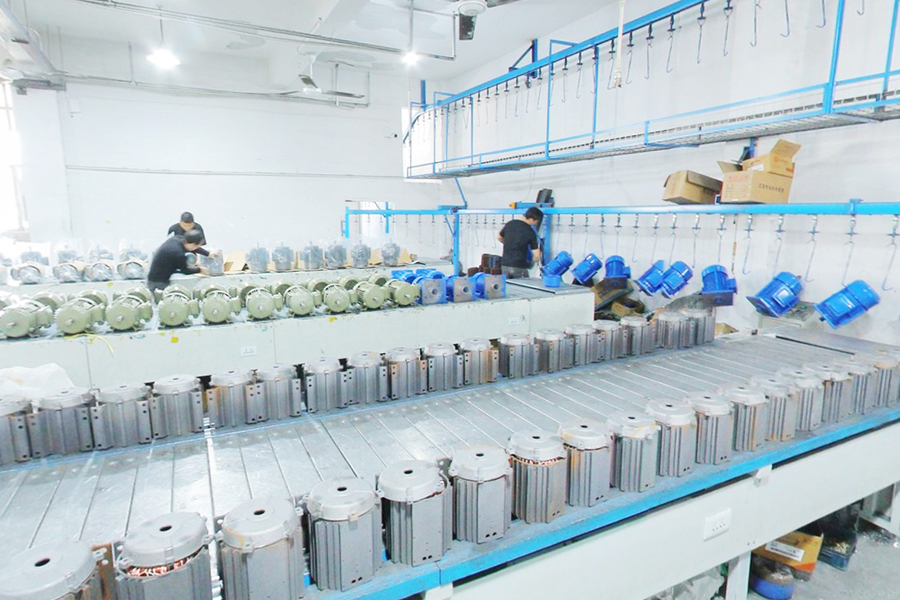
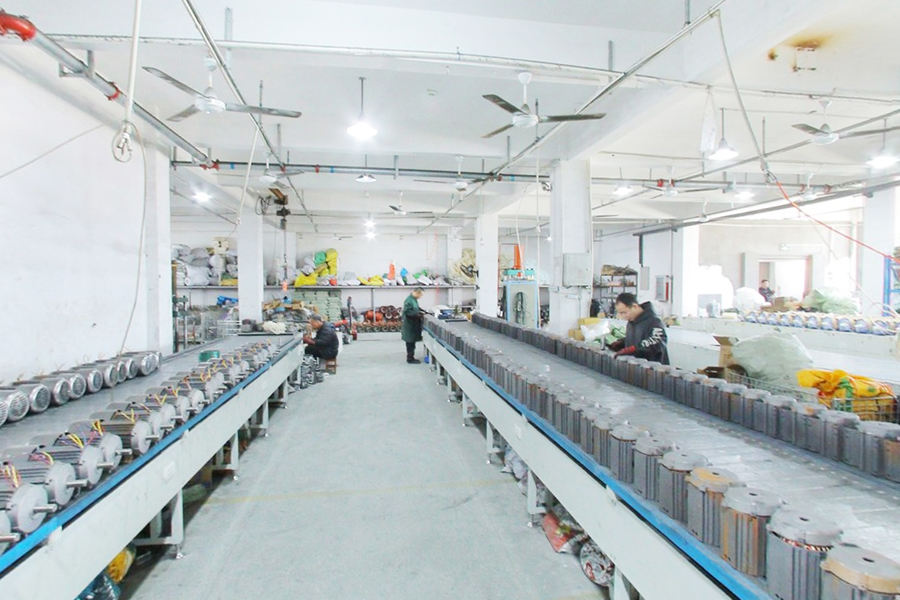
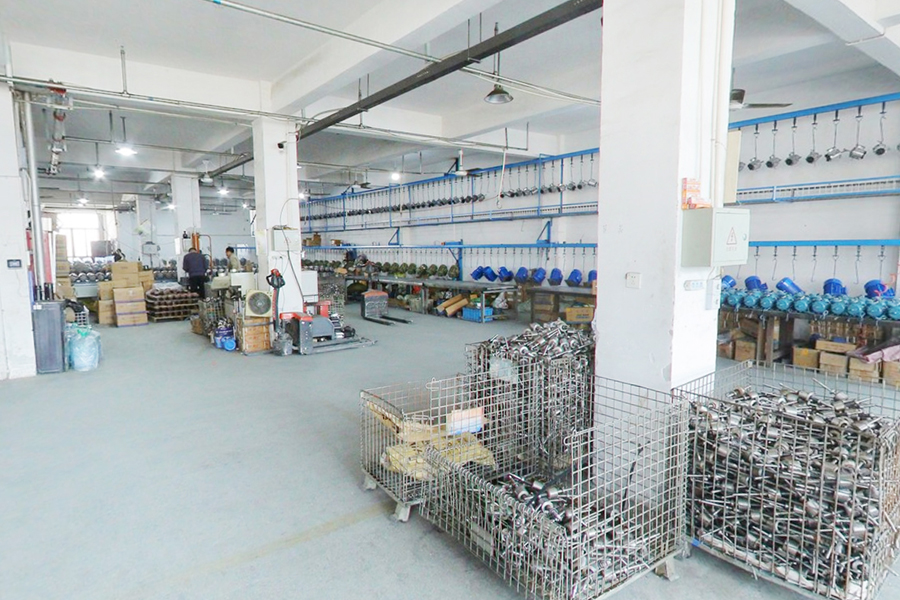
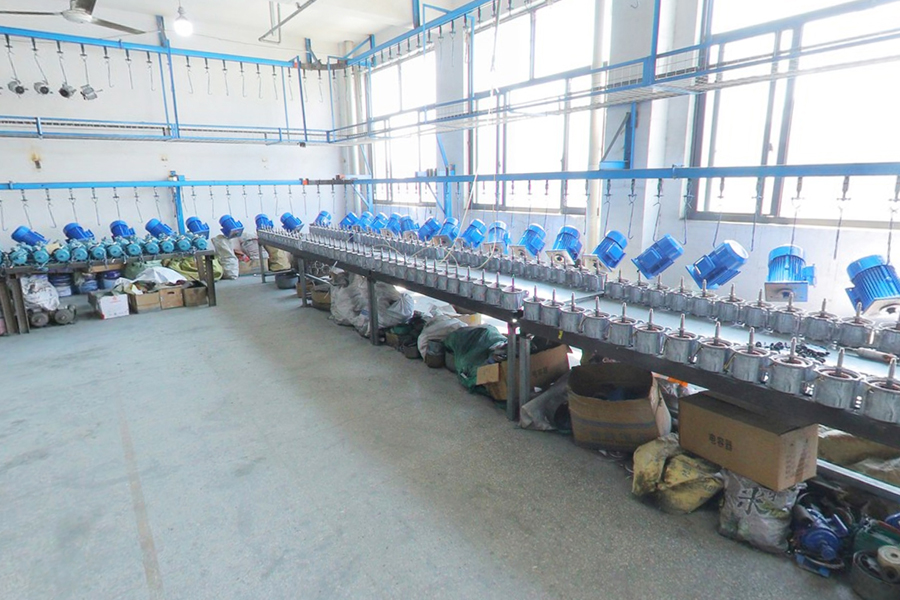
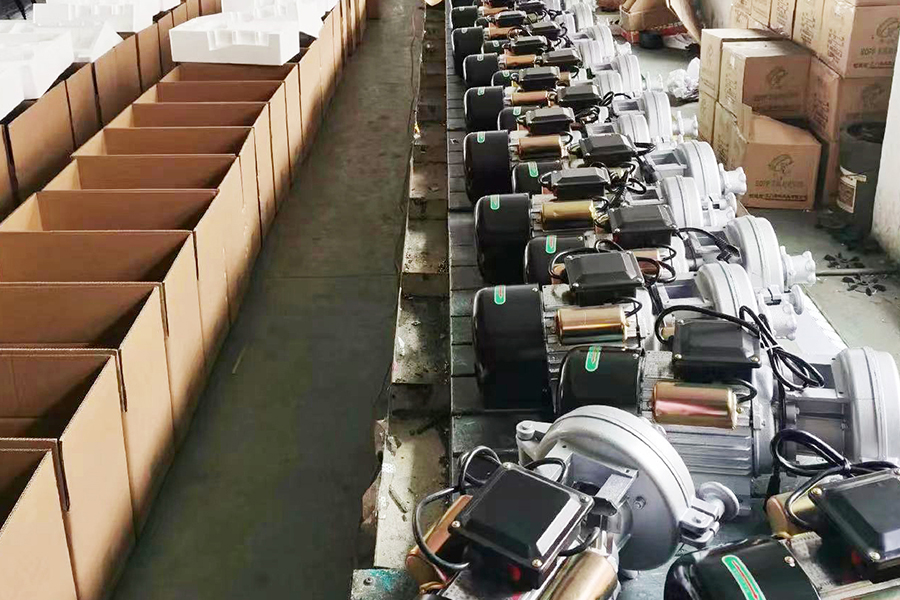
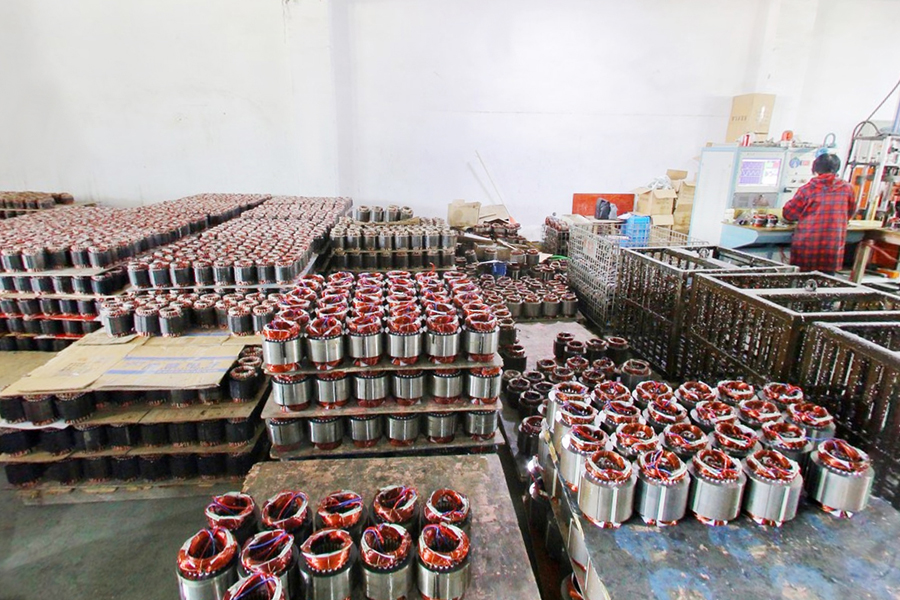
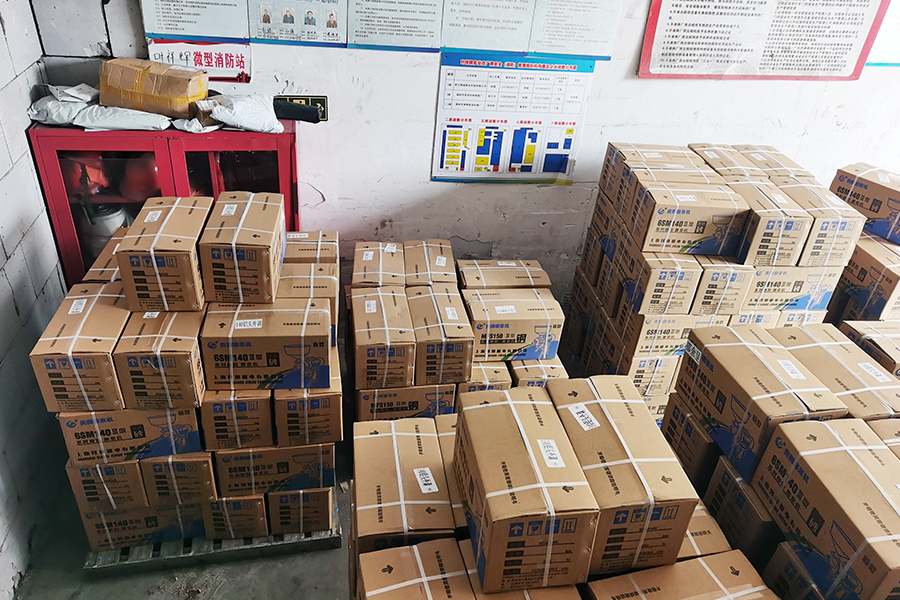

Asynchronous Motor Manufacturer



 English
 中文简体
中文简体