-
 [email protected]
-
 +86 15857619833
-
+86-18989628252
[email protected]
+86 15857619833
+86-18989628252

In many daily environments, grain is rarely used in its raw form. After harvesting or storage, grain often carries uneven size, different hardness levels, and sometimes a dry outer layer that makes direct use inconvenient. In kitchens, small workshops, or food preparation spaces, such material usually needs adjustment before it becomes suitable for cooking or mixing.
For example, when grain is used for porridge preparation or baking ingredients, uneven particles can affect how water is absorbed during heating. Some parts soften quickly, while others remain hard. This is one reason mechanical processing is commonly introduced in routine work.
Manual grinding still exists in some places, yet it requires time and constant physical effort. When repeated processing is needed every day, mechanical support becomes more practical. It helps keep grain texture closer to what is needed for cooking or blending, without relying on inconsistent manual force.
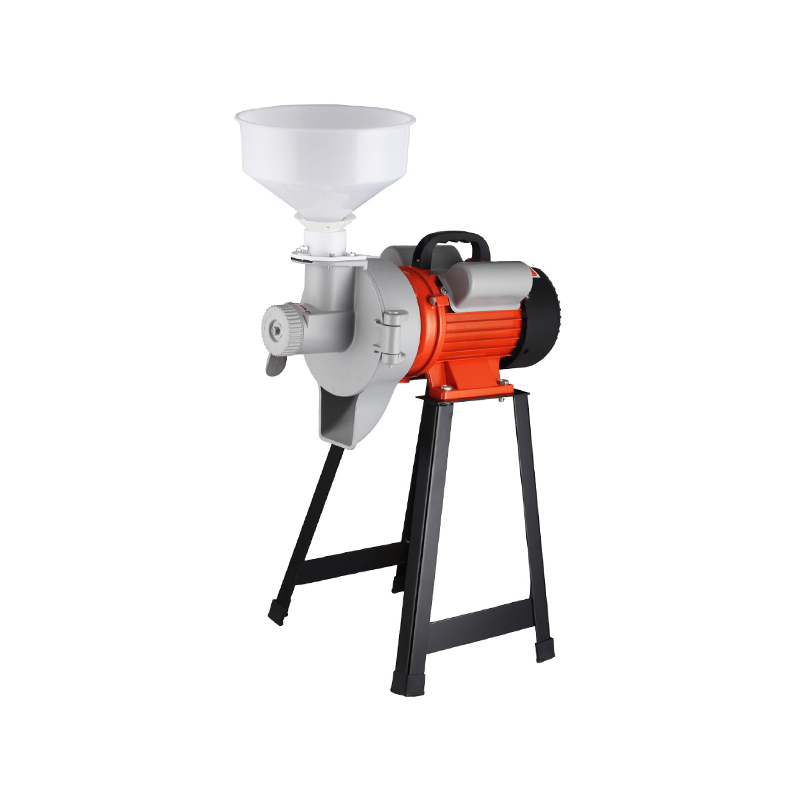
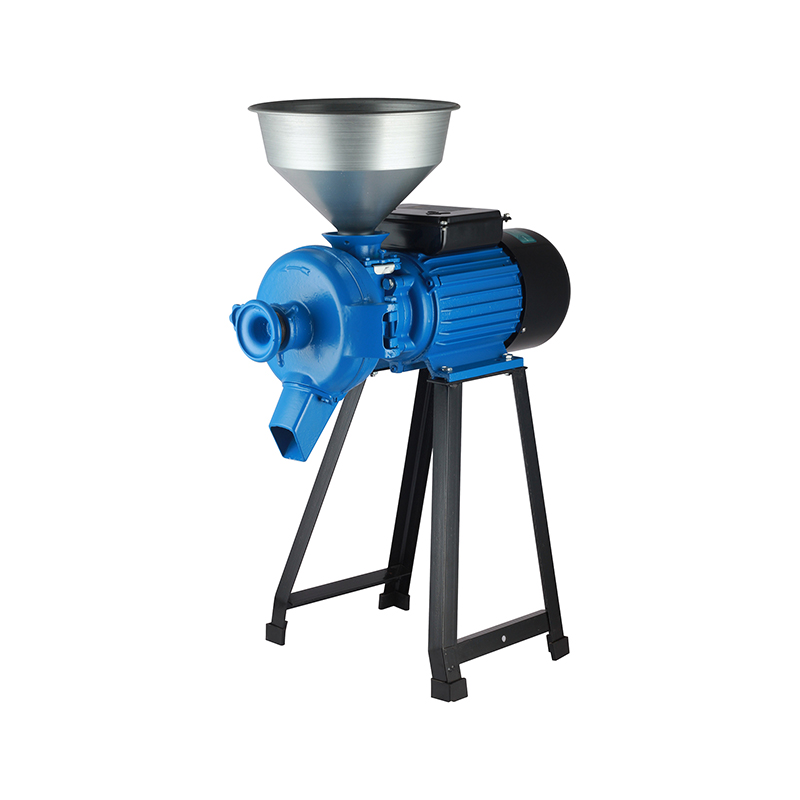
In these everyday situations, equipment known as a Commercial Grinding Machine For Grain is often used to handle this kind of repetitive transformation work.
A Commercial Grinding Machine For Grain is not a complex concept when viewed from daily use. It is simply a device that takes whole grain and breaks it into smaller, more usable particles through controlled movement inside the machine.
Instead of changing the grain's nature, the equipment adjusts its physical form. Grain enters the machine, passes through a grinding area, and comes out in a finer or more even texture depending on how it is processed.
In practical environments, the machine is usually used when:
The idea is not about complexity, but about saving effort and improving consistency in routine tasks.
In many cases where Grain Milling Machine for Sale is mentioned, it usually refers to equipment designed for these everyday preparation needs rather than large-scale production systems.
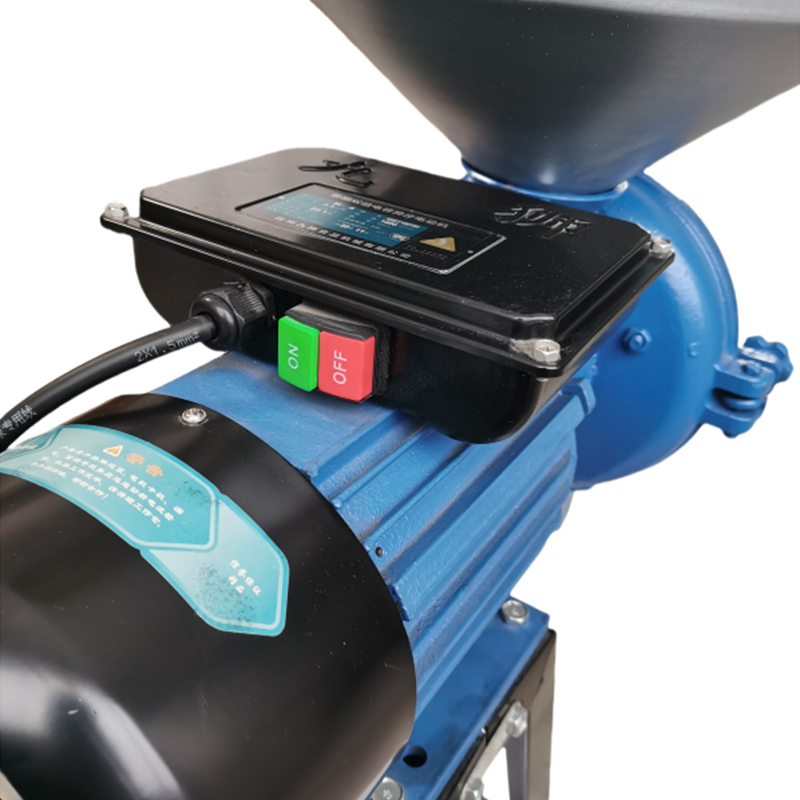
To understand how the machine works, it helps to think in a very simple way. Inside the equipment, there are moving parts that continuously press, rub, or strike the grain. The grain does not instantly become fine powder. Instead, it goes through gradual breaking.
A typical working flow looks like this in real use:
Grain is added gradually
People usually pour grain into the feeding area in controlled amounts. Overloading is avoided because it can affect smooth movement inside.
Grain enters a confined grinding space
Once inside, grain is pulled into a narrow area where movement happens continuously.
Physical force starts breaking the structure
Depending on machine type, grain may be crushed, rubbed, or impacted repeatedly. This stage is where size reduction begins.
Texture becomes more uniform
As movement continues, grain particles become smaller and more consistent.
Processed material comes out naturally
The final material exits through an outlet without needing extra steps.
In daily use, operators usually do not adjust internal mechanisms. The focus is mainly on feeding speed and keeping the machine clean enough for stable movement.
Different working spaces use different structures, even if the purpose is similar. In daily environments, the choice is usually based on how often the machine is used and what kind of grain is being processed.
Mechanical pressure type
This type uses direct pressing force. Grain is squeezed between internal surfaces until it breaks into smaller pieces. It is often used for simple and steady daily tasks.
Rotating friction type
In this structure, grain moves between rotating parts. Continuous rubbing gradually reduces particle size. It is commonly used when smoother output is needed.
Impact-based type
Here, grain is broken by repeated hitting action. It is suitable when grain is harder or requires faster breakdown.
Slow grinding surface type
Some equipment uses stone-like surfaces or similar contact methods. Grain is ground gradually, often producing a more traditional texture.
In everyday kitchens or small preparation rooms, the choice is often based on familiarity and ease of handling rather than technical complexity.
The use of a Commercial Grinding Machine For Grain is not limited to large facilities. It often appears in small, practical environments where grain is prepared regularly.
In some households, grain is ground for porridge base, baking flour, or mixed food preparation. Instead of buying pre-processed materials, grinding at home allows control over texture.
Small-scale food makers often rely on fresh grinding to prepare ingredients. It helps maintain consistent texture during repeated production cycles.
In shared community kitchens or small processing areas, grain grinding becomes part of routine preparation before cooking or packaging.
In agricultural-related environments, grain is sometimes processed into smaller particles to make mixing with other materials easier.
Across these situations, the machine does not change the nature of work, but reduces manual effort and helps maintain steady preparation flow.
In actual use, the workflow is usually simple and repetitive rather than technical.
A typical routine might look like this:
This kind of process does not require advanced operation steps. Most attention is given to feeding rhythm and avoiding blockage.
To make it easier to understand, the difference between smooth and uneven operation in daily use can be seen in the table below:
| Daily Use Factor | Stable Operation | Uneven Operation |
|---|---|---|
| Feeding rhythm | Even and steady | Interrupted flow |
| Output texture | Consistent size | Mixed particle size |
| Machine load | Balanced use | Sudden pressure |
| Cleaning need | Easier handling | More residue buildup |
This comparison reflects real differences often noticed during everyday operation rather than technical theory.
Not all grain behaves the same during processing. Some grains break down easily, while others require more repeated movement inside the machine.
In daily environments, grain characteristics often affect output more than machine adjustments. Dry grain usually breaks more evenly, while slightly moist grain may require slower processing to avoid uneven texture.
Operators often adjust feeding speed instead of changing machine structure. This simple adjustment helps maintain smoother flow and prevents overload inside the grinding chamber.
In daily preparation environments, repetition is common. When the same task is performed many times, manual grinding becomes tiring and inconsistent.
Mechanical grinding helps reduce physical effort while keeping output more stable. Even when used in small spaces, it supports repeated preparation without major variation in result.
This is one reason equipment like Commercial Grinding Machine For Grain is widely integrated into daily workflows rather than being limited to specialized environments.
In real working spaces, grain grinding results rarely stay completely identical every time. Even when the machine stays the same, small differences in grain condition and handling habits can change the final texture.
Dry grain usually behaves in a more predictable way. It moves through the grinding area without sticking too much, so the output tends to feel more even. When grain carries a bit of moisture, the movement inside can slow slightly, and particles may clump together during processing. This often shows up in the final texture rather than during the operation itself.
Feeding style also matters more than it might seem. When grain is added slowly and steadily, the machine works with less interruption. If too much material goes in at once, the grinding space becomes crowded, and movement inside becomes less smooth. The result is usually a mix of finer and slightly larger particles instead of a consistent finish.
Inside many daily environments using a Commercial Grinding Machine For Grain, people often adjust habits rather than machine settings. Small changes in timing or feeding amount are usually enough to keep the process stable.
After each use, a small amount of grain almost always stays inside the machine. Some collects near the feeding area, and some stays around the grinding section. At first, it may not look like much, but over time, it can build up and affect how smoothly the machine runs.
Most people deal with this in a simple way. Once the machine stops completely, leftover material is removed by brushing or wiping. The feeding channel is checked, and any trapped particles are cleared out. The outside is also cleaned, especially if fine dust has spread during operation.
In daily environments, cleaning is often done right after use instead of being delayed. It keeps the next round of processing smoother and avoids mixing leftover material with fresh grain.
This routine becomes part of the workflow rather than an extra task.
Maintenance for grain grinding equipment is usually not complicated. It is more about observation and small adjustments during daily use.
People often notice changes through sound or movement. If the machine starts sounding slightly different, it usually signals that some part needs attention. Sometimes it is just a small blockage, other times it is normal wear from repeated use.
Basic maintenance habits often include checking whether grain flows smoothly through the feeding area and making sure nothing is stuck inside. Moving parts may need light care from time to time, depending on how often the machine is used.
It is also common to avoid pushing too much grain through at once. Keeping a steady rhythm helps the machine run without unnecessary pressure.
These habits are simple, yet they help the machine stay usable in daily work over a longer period.
Even in simple working environments, grain grinding equipment still needs basic attention during operation. The machine contains moving parts, so direct contact during running time is avoided.
In daily use, people usually follow a few quiet habits without thinking too much about them. Hands stay away from the feeding area once the machine starts. Loose clothing is kept away from moving parts. If something seems blocked, the machine is stopped before checking inside.
Another common habit is checking the placement before starting. A stable surface helps reduce vibration during operation, which makes the process feel more controlled.
In places where a Commercial Grinding Machine For Grain is used regularly, these safety habits become part of normal routine rather than special instructions.
In practice, grain grinding machines are not all used in the same way. Different working environments need different handling styles, which naturally leads to variations in equipment design.
Some setups are used for light, occasional grinding. Others handle repeated daily processing. Because of this, machines may feel different in size, feeding style, or output behavior.
When people look at a Grain Milling Machine for Sale, the choice is usually guided by how the machine fits into daily workflow rather than technical description alone. In smaller spaces, easier handling and simple cleaning often matter more than anything else. In busier environments, steady operation over repeated cycles becomes more important.
What really matters in daily use is how well the machine blends into existing routines.
Grain grinding is usually one step inside a longer chain of daily preparation. It does not stand alone. It connects raw grain with whatever comes next.
A typical flow in real environments looks like this:
Grain is selected and stored → basic cleaning if needed → grinding process → collection of processed material → further use in cooking or mixing
Grinding sits in the middle of this flow. It changes the texture of grain so it can move more easily into the next step.
In many small working spaces, this step is noticeable because it directly affects everything that follows. If grinding is uneven, later preparation may require extra effort. When it is stable, the rest of the process usually feels smoother.
Over time, the way people use grinding equipment slowly shapes its condition. Not through major actions, but through small repeated habits.
Steady feeding tends to keep internal movement smoother. Regular cleaning helps prevent buildup. Avoiding overload reduces strain on moving parts. These are not special techniques, just simple routines that develop through daily use.
In many environments, people adjust their rhythm based on what they see during operation. If output becomes uneven, feeding speed is changed slightly. If movement sounds different, cleaning is done earlier.
These small adjustments often matter more than complex handling.
Even with many modern preparation methods, grain grinding still appears in a lot of daily spaces. The reason is simple. Raw grain rarely matches direct use needs without some form of adjustment.
Grinding makes grain more practical for cooking, mixing, or further processing. It turns uneven material into something easier to handle.
A Commercial Grinding Machine For Grain supports this step without requiring complicated operation. It fits into daily routines where repetition is normal and consistency matters more than complexity.
Because of this, grain grinding continues to be part of everyday workflows in many small and medium preparation environments.
In actual use, grain grinding is not a complicated task. It follows a simple rhythm: add grain, let it pass through the machine, collect the output, and clean afterward.
What keeps the process stable is not the machine alone, but how it is used day by day. Small habits, steady handling, and basic care all work together.
Over time, the machine becomes part of normal working flow rather than something separate. It supports daily preparation quietly, without needing attention unless something changes in operation.

Asynchronous Motor Manufacturer



 English
 中文简体
中文简体