-
 [email protected]
-
 +86 15857619833
-
+86-18989628252
[email protected]
+86 15857619833
+86-18989628252

Grain grinding equipment often works in places where dust, residue, and repeated operation are just part of the daily routine. Once the machine starts running, several sections tend to work at more or less the same time — feeding paths, grinding areas, rotating parts, and the power system all come into play together. Each section tends to influence how the machine behaves during operation, so a small change in one area can end up affecting the whole process down the line.
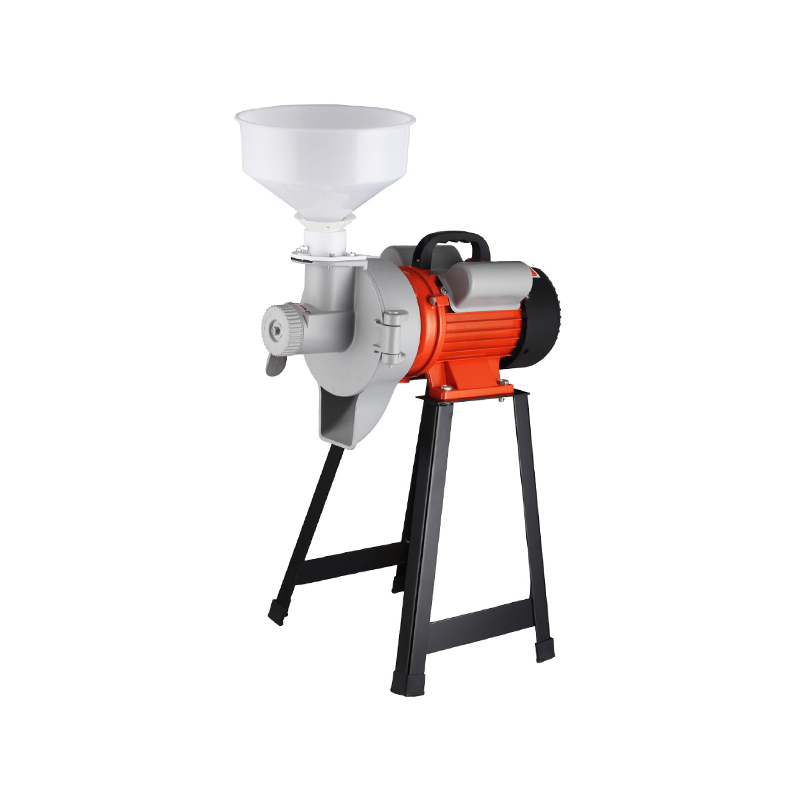
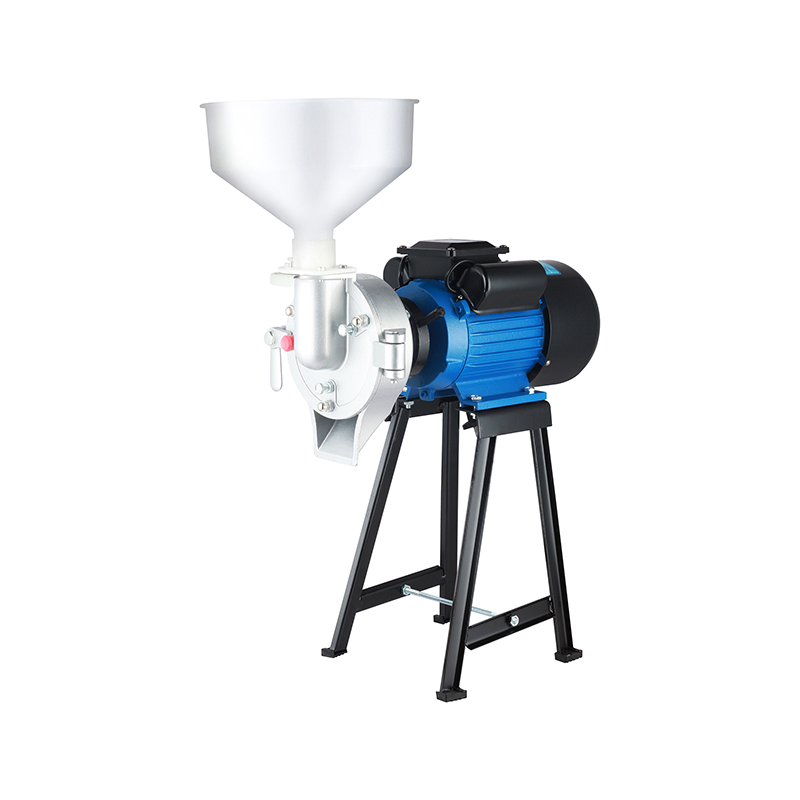
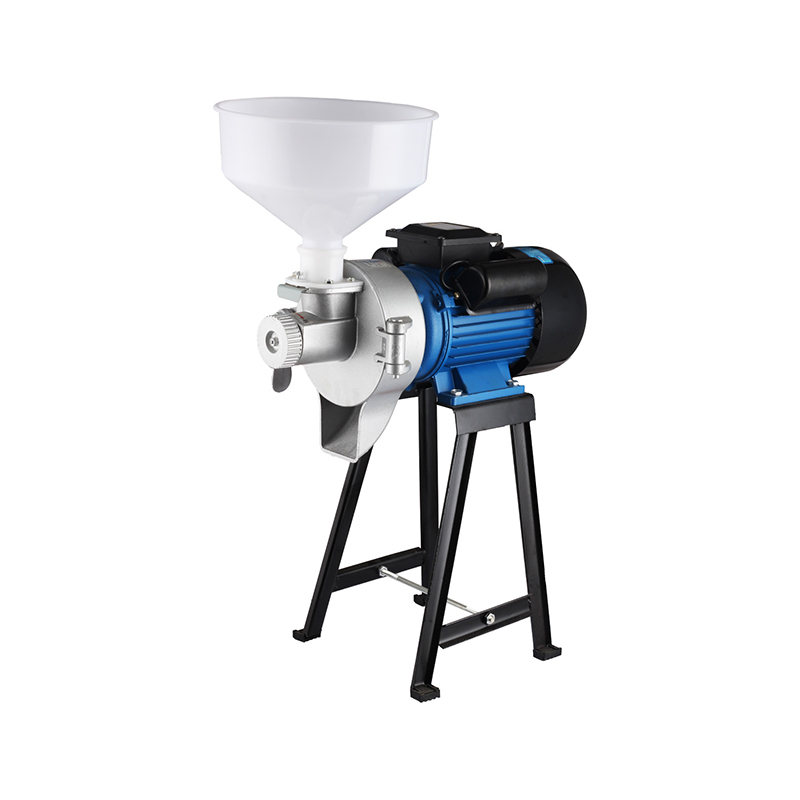
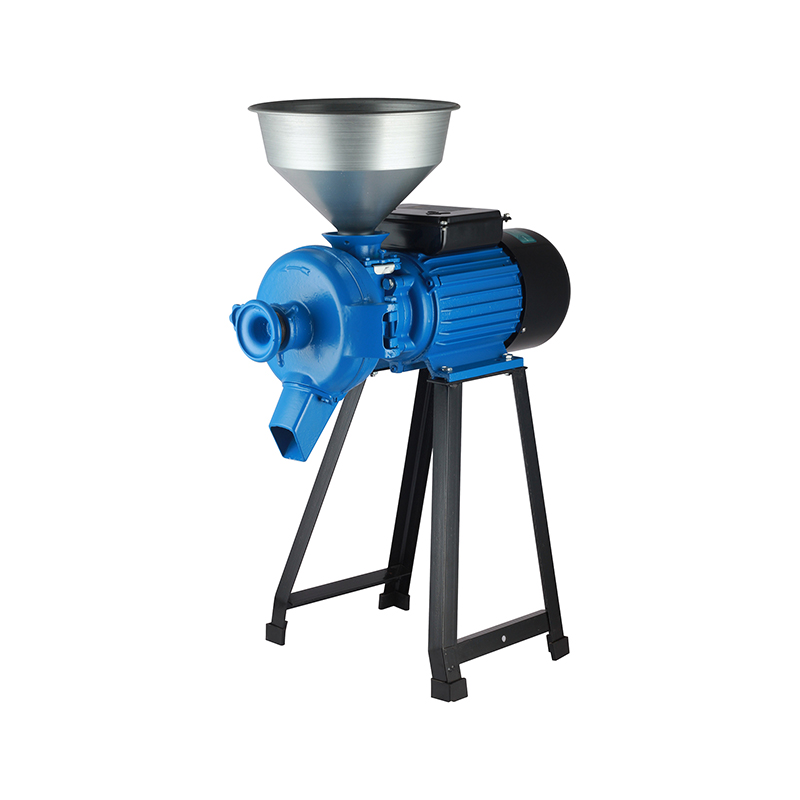
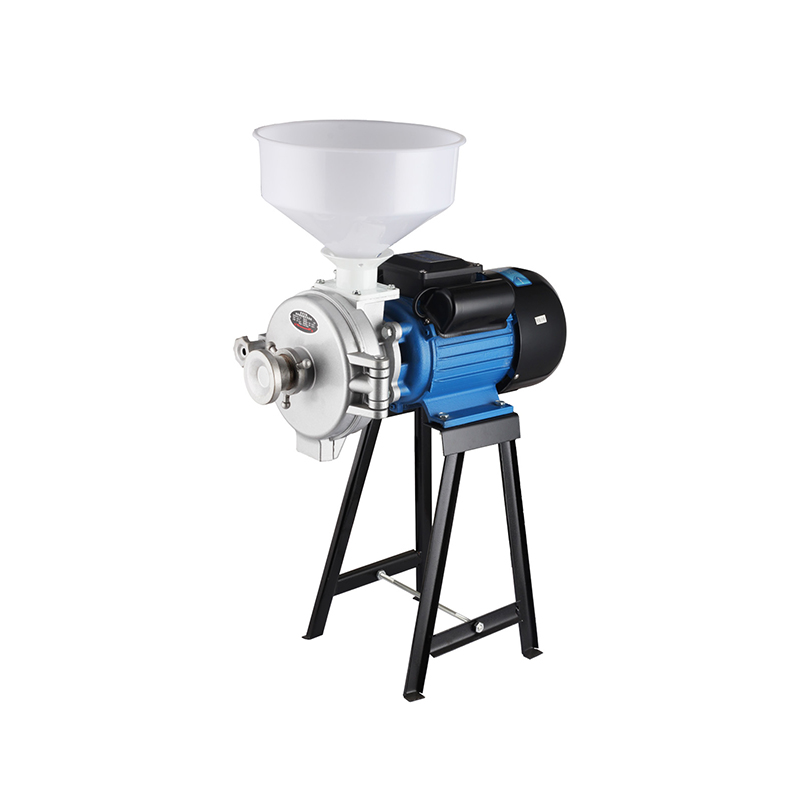
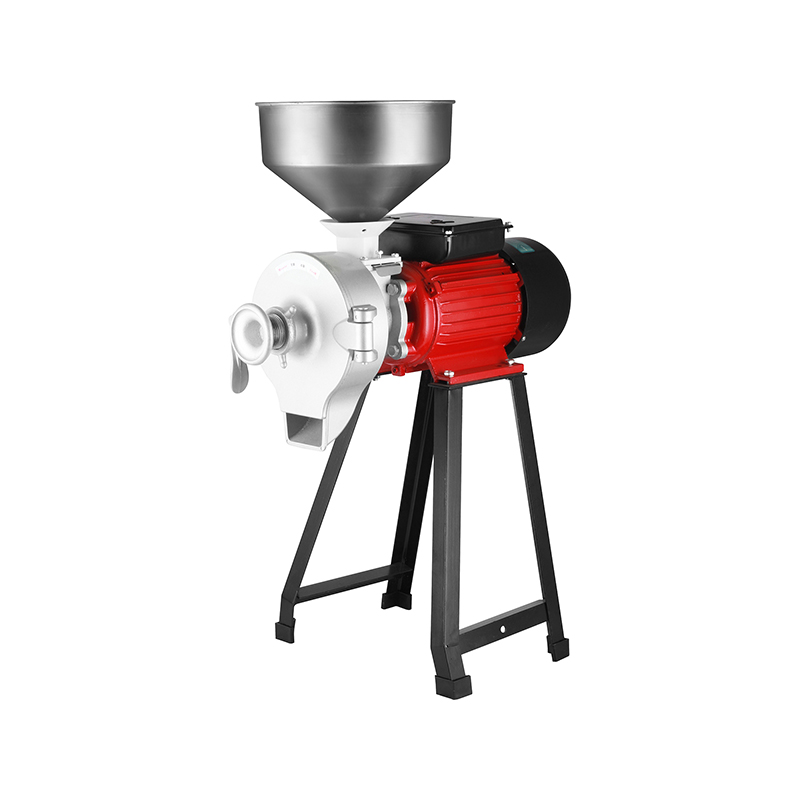
A Commercial Grinding Machine For Grain gets used in food processing and farming-related work where grain needs preparing before it moves on to further use. A machine like this may stay in service for fairly long stretches, which tends to make regular maintenance part of normal operation rather than something that only happens once a fault shows up.
Cleaning, inspection, and motor care all tend to matter here, since grain residue can linger inside the machine after use. Dust may collect around moving sections, and loose parts often become easier to notice when routine checks get delayed too long. Small habits, kept up consistently, tend to make more of a difference than complicated repair work that happens after the fact.
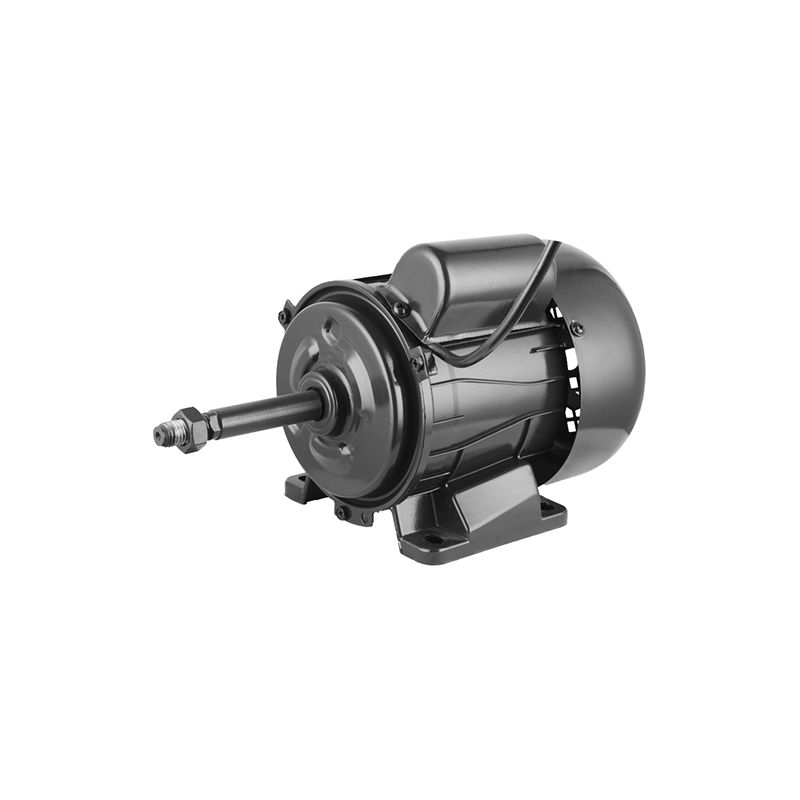
An Electric Motor For Farming also needs regular attention, since power supply tends to affect the grinding process fairly directly. When the motor runs under stable conditions, movement inside the machine generally stays easier to manage. When power issues start creeping in, the grinding section tends to show the effect fairly soon after.
Practical maintenance usually starts with fairly simple observations:
A machine generally doesn't need elaborate care every single day. A steady routine built around simple checks tends to help operators keep the equipment ready for ordinary work without much drama.
Different parts of a grinding machine tend to face different kinds of wear over time. Some sections contact grain directly, while other areas mostly support movement or protect internal components from the environment around them. Looking at each part according to its role tends to make maintenance a bit easier to manage overall.
The grinding chamber usually gets the bulk of attention during cleaning and inspection. Grain particles can remain inside after operation, and those particles may affect later work if they don't get removed in time. A clean chamber also tends to make it easier to spot surface changes or early wear marks before they become bigger problems.
The feeding section deserves a fair amount of attention as well. Grain needs to move into the machine smoothly, so any buildup around the entrance can start interfering with operation. When residue collects in the feeding path, the machine may need some extra cleaning before the next use.
Rotating parts are another area worth keeping an eye on. Movement creates contact, and contact gradually leaves signs of wear over time. Unusual sound, slight vibration, or shifts in how parts move can point toward a need for closer inspection.
Connection areas and protective covers matter too, in their own way. Dust and moisture around joints can affect condition gradually, especially when the machine stays in daily use over long stretches.
Common inspection points tend to include:
A quick inspection before starting work, and another one once the work's done, tends to help operators catch changes early. Small issues are generally easier to handle when they're spotted during routine checks rather than after they've already started slowing down production.
Cleaning counts as one of the more straightforward maintenance steps, though it tends to carry a fair amount of weight in how the machine performs later on. Grain residue may linger inside the machine after operation, and even fairly small amounts can end up affecting feeding paths or moving sections over time.
Leftover material around the grinding area generally should get removed after use. When residue sits in place too long, it tends to make inspection harder and can interfere with the next working cycle.
Cleaning usually covers a handful of practical actions:
Different machines may call for somewhat different cleaning methods. Some sections are easy enough to reach, while others need more careful handling to avoid damage during the cleaning process itself.
The surrounding environment tends to affect how often cleaning is actually needed too. A dustier space may call for more attention around outer surfaces, while a cleaner processing area might focus more on internal residue that builds up during operation.
Cleaning also gives operators a natural chance to look over machine condition while they're at it. Loose screws, worn surfaces, or buildup in odd places tend to become easier to spot while the equipment is already being cleaned.
A grain grinding machine depends on steady power to keep feeding, grinding, and discharge movement working in the right order. When power becomes unstable, the effect often shows up in the machine’s working sound, running feeling, or the way material moves through the chamber.
An Electric Motor For Farming is often placed in working environments where dust and moisture are part of daily conditions. Because of that, motor inspection needs to stay within the normal maintenance routine rather than being left until something changes in a visible way.
A quick check does not need to be complicated. Many operators begin by looking at the outer surface, connection points, and sound during running. A change in motor noise may be one of the earliest signs that something inside the system needs attention.
Useful checks often include:
Keeping the motor area clean helps prevent dust from collecting around parts that need free movement or stable contact. A dry and tidy workspace also makes it easier to notice when a part shifts from its usual condition.
Connection points deserve regular attention as well. A loose fitting, worn cable, or damaged protective cover may influence how the motor works during daily use. Small checks during routine maintenance usually give more useful information than waiting for a larger fault to appear.
The power system and the grinding section work together. When the motor stays in good condition, the rest of the machine usually becomes easier to manage during long working periods.
Moving parts inside grain grinding equipment continue to work under friction every time the machine runs. That means wear appears slowly, often before it becomes obvious enough to interrupt the work.
Lubrication helps reduce unnecessary friction in the sections that move repeatedly. Bearing areas, rotating connections, and other contact points usually need attention because smooth movement supports more stable operation.
At the same time, lubrication should stay practical. Too much residue around a moving section can collect dust or grain particles, which may create another problem later. Cleaning and lubrication usually work better when they are handled together.
Wear checks are often based on visible or audible changes.
A worn part does not always fail suddenly. In many cases, the machine gives small clues long before a serious issue appears. A different sound, a slight vibration, or a slower movement pattern may show that a closer inspection is needed.
Replacing worn parts in time helps keep the machine usable without pushing one damaged area too far. Regular observation gives operators more room to plan maintenance around actual working condition instead of reacting after a breakdown.
A simple maintenance routine usually works better than waiting for a problem to appear. Grain grinding equipment stays in better condition when small checks are carried out as part of normal work.
Daily cleaning removes leftover grain and keeps the inside of the machine easier to inspect. Motor observation helps confirm that the power side still runs in a stable way. Movement checks show whether rotating sections still feel normal during operation.
| Maintenance Item | Checking Purpose |
|---|---|
| Cleaning | Removes grain residue |
| Motor Inspection | Checks power condition |
| Moving Parts Check | Observes wear changes |
| Connection Check | Maintains stable assembly |
Records from routine work can also help. A short note about repeated residue buildup, unusual sound, or a change in running behavior may seem small at the time, though those notes often make later inspection easier.
Maintenance does not have to stop the whole working line for long periods. Many checks can be done before use, after cleaning, or during normal observation at the end of operation. Regular habits often give clearer results than occasional large inspections.
In workplaces where several people use the same machine, a fixed routine helps keep care methods consistent. That makes the machine easier to manage from one shift to the next.
Maintenance work needs attention because it brings operators closer to machine parts that normally move during operation. Safe handling becomes part of the routine from the beginning.
Before inspection, equipment should be stopped fully. Moving sections need time to come to rest, and power should be handled carefully before hands move near the machine.
Practical safety habits usually include:
The surrounding space matters too. Grain residue, scattered particles, and tools left near the machine may make maintenance less comfortable or less clear. A clean workspace gives operators a better view of the machine condition and reduces avoidable obstacles.
It also helps to stay familiar with normal machine behavior. When a machine starts sounding different or feels less steady than usual, that change may point to wear or loose connections. Noticing those signs early often makes maintenance easier to plan.
Daily use brings changes that are not always easy to predict. Grain type, operating frequency, and working environment may vary from one day to another, so equipment needs regular attention to stay easy to manage.
A Commercial Grinding Machine For Grain depends on several connected parts. Cleaning keeps residue from building up, inspection shows where wear begins, and motor care helps the power side remain steady during operation. Each part supports the next one, so maintenance works best when handled as a routine rather than a separate task.
An Electric Motor For Farming also reflects the same idea. Agricultural working conditions often include dust, moisture, and repeated use, so motor care becomes part of everyday equipment management. A motor that receives regular attention is usually easier to observe and easier to maintain during busy work periods.
Maintenance is not only about fixing visible problems. It also helps operators understand how the equipment behaves during ordinary use. A machine that is cleaned, checked, and observed regularly often becomes easier to manage when production changes or work volume shifts.
Small actions, carried out in a steady way, usually make a stronger difference than occasional repairs. Cleaning after operation, checking important points, and watching for changes in running condition all help grain grinding equipment stay practical for daily use.

Asynchronous Motor Manufacturer



 English
 中文简体
中文简体