-
 [email protected]
-
 +86 15857619833
-
+86-18989628252
[email protected]
+86 15857619833
+86-18989628252

Before grain enters a grinding system, its size already starts shaping the way the machine will behave. Pieces with different sizes do not move through the working area in exactly the same way, and that difference often shows up in the output. A batch made up of larger particles, smaller particles, or a mix of both can each lead to a different grinding pattern.
Larger grain pieces usually take more time to break down because more material still needs to be changed before reaching the required condition. Smaller pieces may pass through the process in a different way because contact with grinding parts happens sooner and with less resistance. When both are mixed together, the machine often has to deal with uneven movement inside the working area.
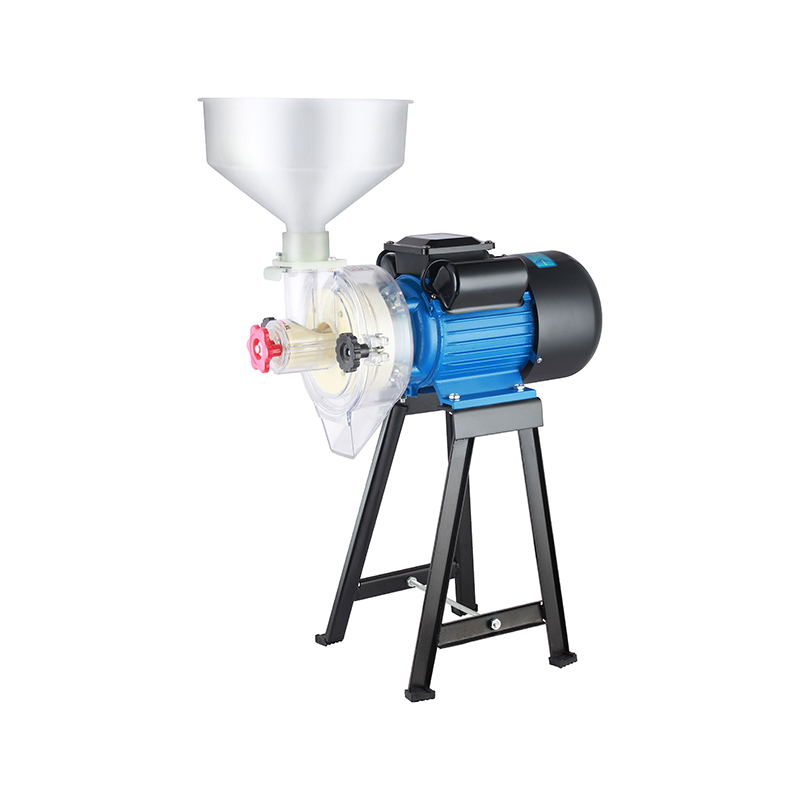
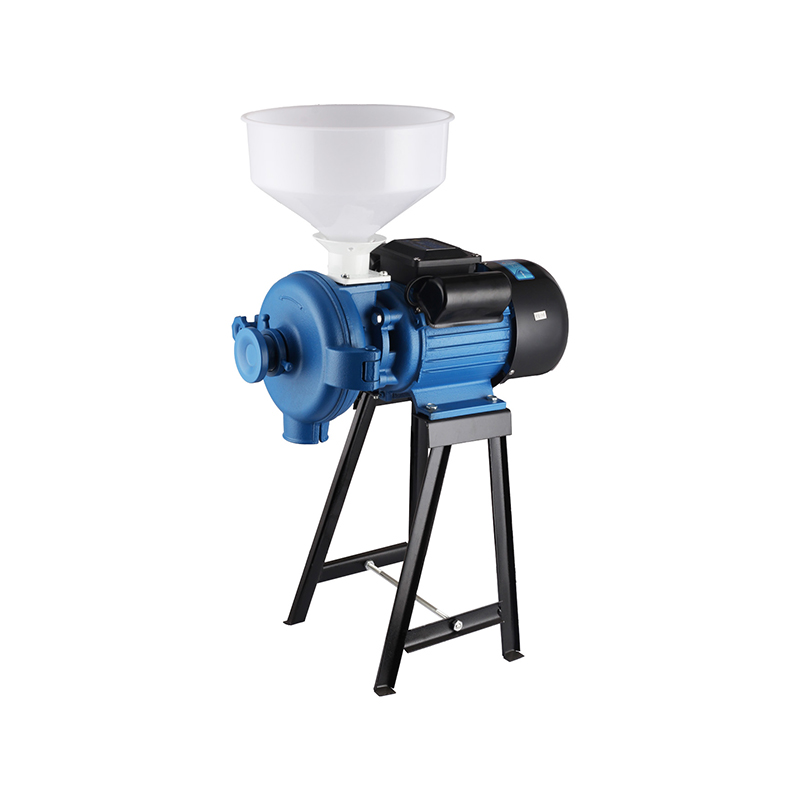
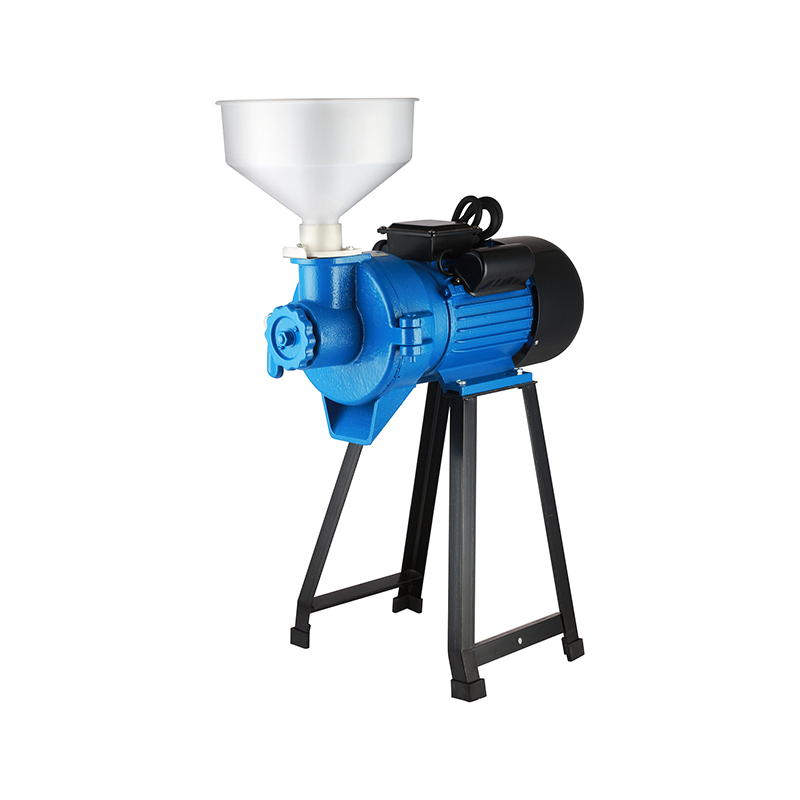
For grain processing, output stability depends on how well the raw material and the machine work together. A Commercial Grinding Machine For Grain does not process every batch in the same way by default. Grain condition, feeding method, and grinding setup all influence the final result.
Before grinding begins, operators often pay attention to:
Grain preparation is more than a simple sorting step. It shapes the way the whole process will run. When material enters with a wide difference in size, the machine may need more adjustment to keep the working rhythm steady.
A smoother process usually comes from better coordination between the grain and the equipment. Once those two parts are closer in condition, the output tends to stay more even.
Inside the grinding machine, grain moves through areas where mechanical action changes the material structure. Size makes a difference here because larger particles and smaller particles do not stay in the machine for the same amount of time, and they do not react in the same way once contact begins.
Larger pieces usually need more grinding interaction before they reach the expected result. Smaller pieces may move through the process more quickly, which changes the way the machine handles the load. Mixed grain sizes can make that difference more noticeable because each size follows its own path through the working section.
Material flow is closely tied to size condition. When grain pieces are close in size, movement usually feels more even inside the equipment. Mixed sizes may create uneven flow, since different pieces react at different points during processing.
| Grain Condition | Possible Processing Effect |
|---|---|
| Larger grain pieces | Need more grinding contact |
| Smaller grain pieces | React sooner during processing |
| Mixed grain sizes | Create uneven movement and load |
| Similar grain sizes | Support steadier material flow |
Feeding also changes when grain size changes. Uneven material may enter the machine in a way that causes the load to shift from one moment to the next. A more balanced feed gives the machine a steadier working pattern and helps reduce unnecessary variation in output.
Grinding force needs to match the material as well. If the grain condition changes, the equipment may respond differently, so the working setup often has to follow the material rather than remain fixed in one position.
A Commercial Grinding Machine For Grain works as part of the same process it helps create. The machine shape, the feeding method, and the grain itself all affect one another. Once the material condition changes, the internal working behavior often changes too.
During operation, workers may notice shifts in sound, movement, or output condition. Those signs often give a useful hint about whether the current machine setting matches the grain being processed.
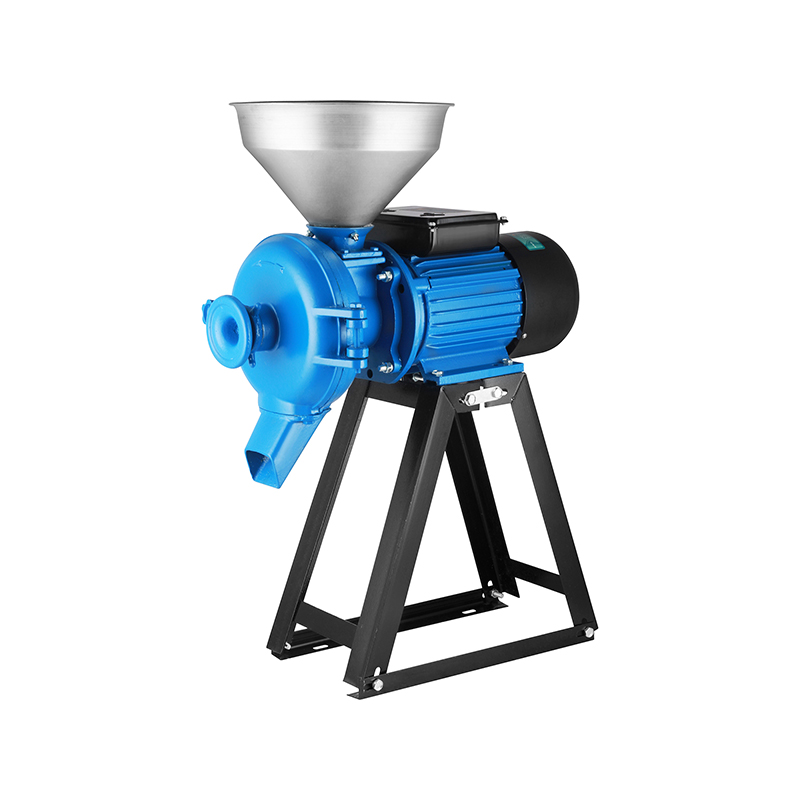
The final output usually reflects what happened earlier in the process. Since grinding changes the structure of grain, the starting size can leave a clear mark on the finished result.
Similar grain sizes usually move through the machine in a more even way. Each piece tends to face a similar processing condition, so the output often stays closer in texture and structure. Mixed grain sizes may create a batch that looks and feels less uniform because smaller pieces and larger pieces do not break down at the same pace.
Changes linked to grain size may appear in several ways:
Different use cases may ask for different output conditions. Some applications need a finer material structure, while others focus on another level of texture. Because of that, grain size before grinding becomes an important part of production planning rather than a small detail.
Material size also affects how much adjustment workers need to make during production. When the grain condition fits the machine setup well, the process often feels more stable and easier to keep in order.
Output quality comes from several connected parts working together. Grain size is one of them, yet machine structure, feeding method, and daily operation all contribute to the result as well.
Different grain materials come with different physical conditions, so grinding equipment needs enough flexibility to handle those changes. A machine used in commercial processing may work with several grain types, each with its own size, hardness, and feeding behavior.
A fixed setting does not always suit every batch. Once the grain condition changes, the equipment may need a different feeding pace or a different grinding arrangement to keep the output steady.
Common adjustment areas include:
A suitable adjustment helps create a better link between the grain and the grinding process. Without that, size differences may create uneven movement inside the machine and affect the output condition.
A more flexible setup allows manufacturers to handle different production needs without rebuilding the whole process each time. In that sense, grain size planning and machine operation work side by side rather than separately.
Grain entering a grinding machine never stays completely identical from batch to batch. Size, shape, surface condition, and feed behavior all shift a little, so the machine often needs small adjustments while running. A setting that works smoothly for one batch may feel slightly off for another.
Adjustment is usually not about changing everything at once. More often, operators watch how the material moves, how the machine reacts, and how the finished output looks after processing. A small change in feeding rhythm or working gap can make the whole process feel more stable.
Several parts of the process usually need attention:
Feeding speed changes how much grain enters the machine at one time. A quicker feed may load the grinding area in a different way, while a slower one can change how evenly the material moves through the system. Either direction can affect the final output, so the feed pace has to match the material condition.
The space between working parts also matters. Different grain sizes do not contact the grinding areas in the same way, so the machine often performs better when the working setup matches the grain being handled. When the setup feels out of line with the material, output changes usually appear soon after.
Daily inspection helps catch those shifts early. A change in texture, flow, or sound often gives a useful signal before the output drifts too far from the expected condition. In that sense, adjustment is part of normal operation rather than a separate repair task.
A Commercial Grinding Machine For Grain depends on this kind of steady response. When grain condition changes, the machine has to move with it instead of staying fixed in one setting.
Material preparation shapes the grinding process long before the grain reaches the machine. If grain sizes stay closer together, material usually moves through the system in a more even way. Each piece reaches the working area under similar conditions, so the result tends to stay more balanced.
Mixed grain sizes can make the process harder to hold in line. Smaller pieces may travel through the grinding area sooner, while larger pieces remain in the system longer. That difference creates uneven movement, and uneven movement often leads to uneven output.
Preparation before grinding often includes:
Good preparation does not replace machine adjustment, yet it creates a stronger starting point. Once the incoming material stays more consistent, operators can manage the process with fewer changes during operation.
Grain size planning belongs to the full production flow. From the moment material is sorted to the moment output is checked, each stage affects the next one. When the beginning of the process is handled more carefully, the rest of the work usually becomes easier to manage.
A grinding machine and the grain it processes work as one system during production. Even when the machine stays the same, output can still shift when the grain condition changes. That is why material preparation is so closely tied to machine operation.
Before grinding begins, checking grain size and condition helps operators understand how the material is likely to behave inside the equipment. A material that enters in a more even condition usually creates fewer surprises during processing.
The connection between the stages can be seen in a simple way:
| Production Stage | Main Consideration |
|---|---|
| Material preparation | Checking grain condition before feeding |
| Feeding process | Keeping material movement steady |
| Grinding operation | Adjusting the machine to match grain response |
| Output checking | Observing the final processing condition |
Each step affects the next one. A change in preparation can show up later in the grinding stage or even in the final texture of the material. Because of that, grain handling is usually treated as part of the whole production process rather than a separate task.
Operators who understand material behavior can respond more naturally to changes during production. Instead of relying on one fixed setup for every batch, they can make small changes according to what the material is actually doing.
A Commercial Grinding Machine For Grain works more smoothly when the material preparation and the machine setting fit together. That kind of match helps production feel more predictable and easier to manage.
Grain processing keeps changing as manufacturers handle different materials and different output needs. Equipment design has to follow those changes, so modern grinding systems are becoming more practical and easier to adjust during daily use.
Different grain conditions call for different handling methods. For that reason, grinding equipment is moving toward structures that allow more flexible operation. Operators need to adjust the machine without losing control of the process, and that requirement is shaping how equipment is built.
Several development directions are receiving attention:
Daily production rarely stays exactly the same for long. Material supply may change, grain condition may vary, and output needs may shift from batch to batch. Equipment that can respond to those changes gives operators more room to keep the process in order.
The link between grain size and machine behavior remains central. Grain size affects movement, contact with grinding sections, and the final output condition. When that relationship is understood clearly, production becomes easier to manage from the start.
A Commercial Grinding Machine For Grain is part of a wider production system. Material preparation, machine adjustment, and maintenance routines all work together. When one part is handled with care, the others usually follow more easily.
As grain processing continues to change, practical setup and flexible operation will keep mattering. Stable material preparation, sensible adjustment, and regular care still form the basis of a grinding process that stays under control.

Asynchronous Motor Manufacturer



 English
 中文简体
中文简体