-
 [email protected]
-
 +86 15857619833
-
+86-18989628252
[email protected]
+86 15857619833
+86-18989628252

Grain processing tends to involve more than simply breaking large particles into smaller pieces. Different grains contain different structures, textures, moisture levels, and internal compositions, which tend to influence how grinding equipment performs during operation. Rice, corn, wheat, beans, and other grain materials may need somewhat different approaches, since each type tends to react differently under mechanical force.
A suitable grinding process tends to depend on how well equipment matches the characteristics of the raw material. When grain structure and grinding conditions line up reasonably well, the final powder condition tends to become easier to control, while unnecessary adjustments during operation can often be reduced.
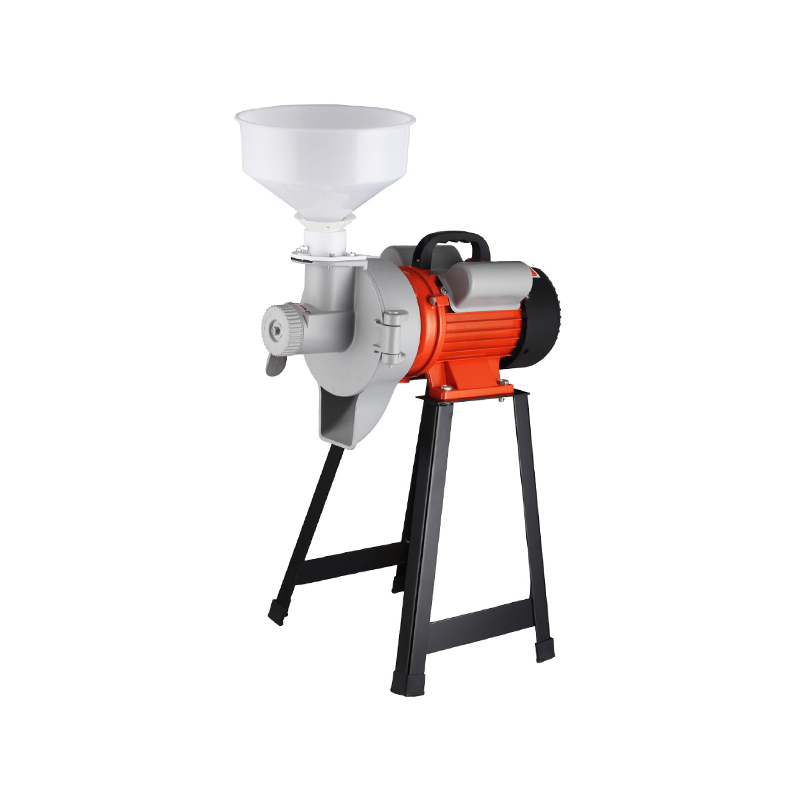
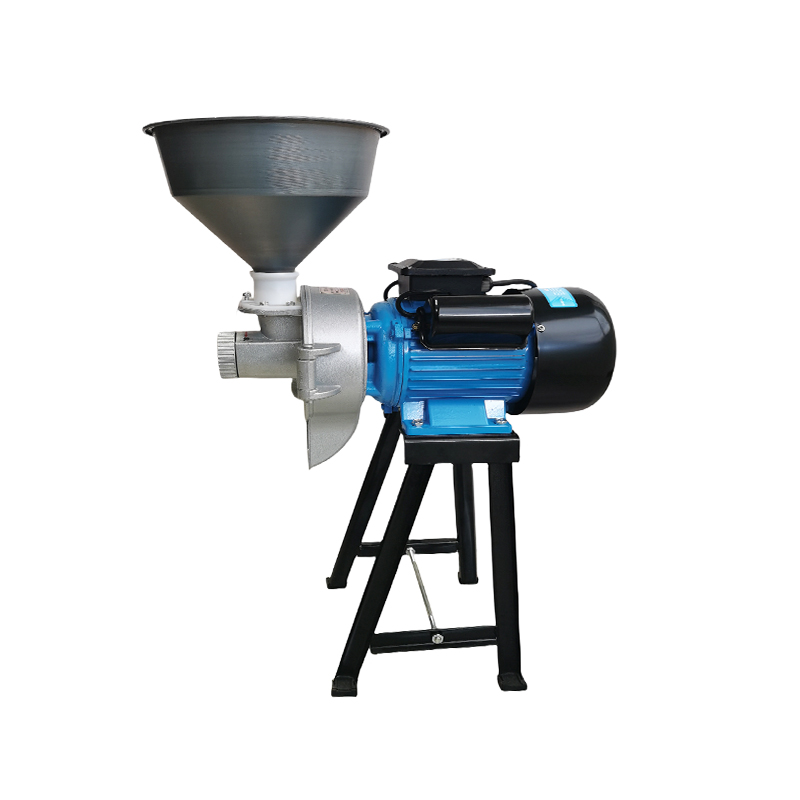
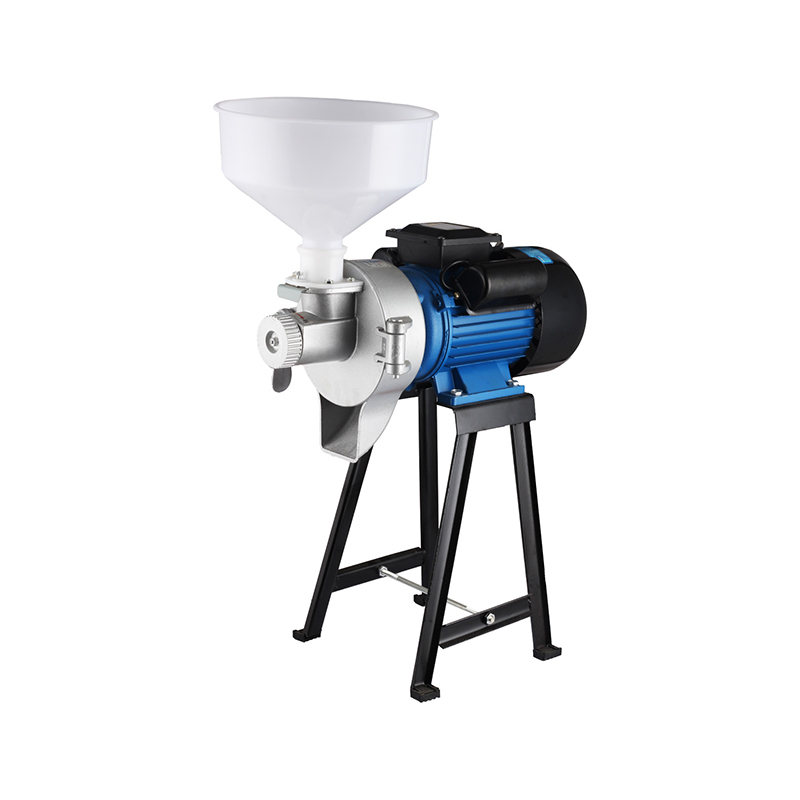
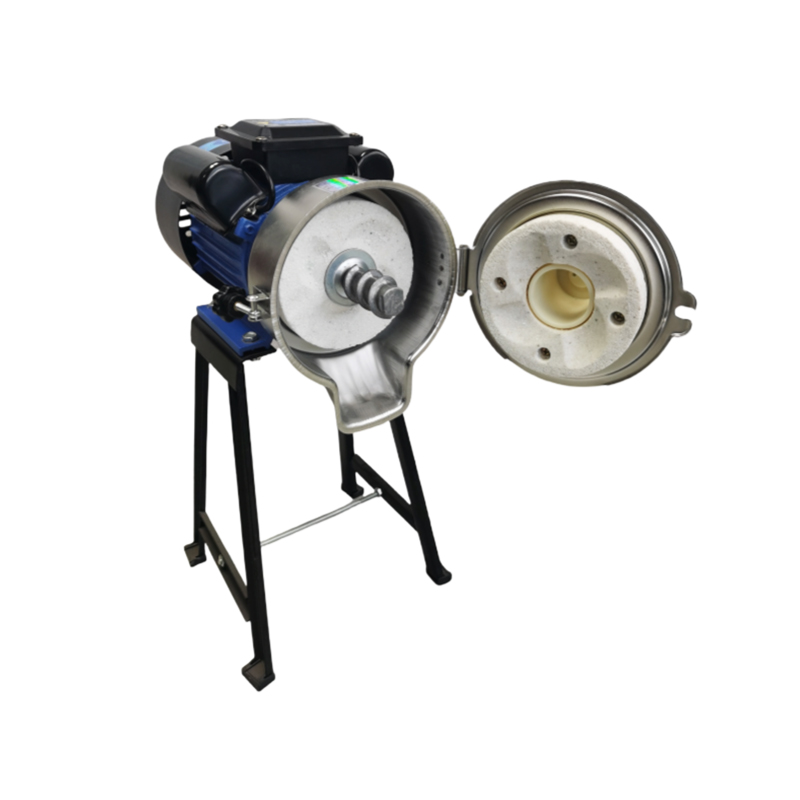
A Stainless Steel Grain Grinder is commonly designed for processing a range of grain materials, yet the working method generally needs to match the specific requirements of each application. Grain hardness, oil content, fiber structure, and expected output texture all tend to influence how the equipment should be selected and operated.
Every grain tends to have its own physical structure. Although many grains look fairly similar from the outside, their internal composition can create fairly different behaviors during grinding.
Hard grains usually require stronger mechanical action to break apart, while softer materials may need gentler processing to maintain a suitable texture. Moisture content also tends to change how grain particles respond during grinding, since wetter materials may behave differently from drier ones.
A few characteristics tend to influence grinding results:
Grain Hardness
Hardness tends to affect how easily grain particles break apart. Corn and certain other dense grains may require stronger grinding conditions, since their structure tends to resist crushing more.
Softer grains, such as rice, generally break apart with less force. That said, achieving a suitable powder condition still tends to depend on controlling grinding settings and material movement carefully.
Moisture Content
Moisture tends to change the behavior of grain during processing. Grain with higher moisture may become softer and somewhat harder to separate into consistent particles, while overly dry material may create excessive fine particles during grinding.
Maintaining reasonable moisture conditions before processing tends to help create a more stable grinding process overall.
Internal Structure
Different grains contain different amounts of starch, fiber, and natural oils. These differences tend to influence how particles break and how the finished material feels after grinding.
For example:
Understanding grain structure tends to make equipment selection a bit more practical. A grinder designed around actual material behavior tends to adapt more effectively to different processing situations.
Grinding equipment works by applying mechanical force to transform whole grains into smaller particles. That said, the interaction between the machine and raw material tends to shift depending on grain characteristics.
A Stainless Steel Grain Grinder usually relies on coordinated movement between internal grinding parts and the material passing through the processing area. The relationship between feeding, grinding force, and particle movement tends to influence the final result.
A few elements tend to affect how the equipment handles different grains.
Material Feeding
Consistent feeding tends to let grain materials enter the grinding area in a fairly stable manner. Uneven feeding may create irregular pressure inside the grinding chamber, which can affect the consistency of the output.
Different grain types may call for somewhat different feeding approaches, since particle size, hardness, and density tend to vary between materials.
Grinding Adjustment
Grinding conditions generally need to match the intended application. A finer powder tends to require different processing conditions compared with a rougher texture.
Adjustment options tend to let equipment handle different grain requirements rather than relying on one fixed setting for every material.
Internal Structure
The design of internal components tends to influence how grains move during processing. Smoother material flow tends to help reduce unnecessary blockage and lets particles pass through the grinding area more evenly.
Equipment structure tends to matter more when users process different grain categories within the same working environment.
A flexible grinding approach doesn't necessarily mean one machine automatically fits every situation. Suitable performance tends to come instead from matching equipment characteristics with the materials being processed.
Different grain categories tend to create different processing conditions. Selecting suitable equipment generally requires understanding the common challenges associated with each material.
| Grain Material | Common Processing Considerations |
|---|---|
| Rice | Maintaining suitable powder texture, avoiding uneven particle sizes |
| Corn | Handling harder grain structure during crushing |
| Wheat | Managing fiber structure and material consistency |
| Beans | Considering oil content and material flow during grinding |
Rice and Similar Soft Grains
Soft grains often have a fairly fragile structure, which lets them break down more easily during processing. That said, easy crushing doesn't always translate into simple control.
Fine powder production tends to require attention to particle condition. Excessive grinding may affect texture, while insufficient grinding may create uneven results.
For rice-based processing, equipment adjustment and feeding control tend to matter quite a bit, since small changes may influence the final powder appearance noticeably.
Corn and Hard Grains
Harder grains tend to create somewhat different requirements, since more mechanical force may be needed to break their structure. The relationship between grinding components and material strength tends to become a fairly important consideration here.
Corn processing often requires attention to particle size control. Large differences between coarse and fine particles may affect later use, which makes stable grinding conditions fairly valuable.
Wheat and Fiber-Rich Materials
Wheat and other fiber-containing grains may behave somewhat differently, since their structures contain components that respond differently during grinding.
Material movement inside the equipment tends to need fairly careful control, since uneven flow may influence output consistency. Proper adjustment tends to help create a more balanced grinding process.
Beans and Oil-Containing Grains
Beans contain natural oils that can influence grinding behavior. During processing, oil content may affect particle movement and internal cleanliness.
Equipment selection for such materials often benefits from considering how easily the material moves through the grinding area and how convenient cleaning tends to be between different uses.
Different grains tend to create different challenges, which is part of why equipment selection generally should begin with understanding the material rather than focusing only on machine appearance.
Material selection for food processing equipment tends to affect daily operation, cleaning requirements, and equipment maintenance. Stainless steel is commonly used in grain processing environments, largely because its surface characteristics tend to suit contact with food materials.
A stainless steel structure tends to offer a few practical benefits.
Surface Condition
A smooth surface can help reduce material residue during processing. Easier cleaning tends to support better preparation when switching between different grain materials.
Equipment Durability
Grinding involves repeated contact between materials and internal components. Structural materials generally need to handle regular operation while maintaining their working condition over time.
Processing Environment
Food-related equipment tends to require attention to hygiene and maintenance. The structure of the machine tends to influence how easily users can inspect, clean, and maintain internal areas.
The connection between material choice and grinding performance isn't really limited to appearance alone. Equipment structure tends to affect how grain moves, how residue gets managed, and how daily operation gets organized.
When processing different grains, users generally benefit from weighing both grinding capability and the practical requirements of handling various materials side by side.
Choosing suitable grinding equipment generally requires a fairly clear understanding of the materials that need processing. A machine used for one grain type may not always give the same results with another material, since grain structure tends to affect the grinding process quite a bit.
Rather than focusing only on equipment appearance or general specs, users usually benefit from considering the relationship between raw materials and grinding conditions. A few factors tend to influence equipment selection.
Grain Categories
Rice, corn, wheat, beans, and other materials tend to respond differently during grinding, since hardness, moisture, and internal structure vary between them. Users processing multiple grain types may want equipment with adjustable operating conditions rather than one fixed approach.
Desired Powder Texture
Different applications tend to call for different particle conditions — some processes need finer powder, others a rougher texture. Grinding settings, internal structure, and material movement all tend to influence the final texture, so matching equipment to the expected result tends to help avoid unnecessary changes later.
Processing Frequency
A grinder used occasionally may have somewhat different requirements than one used for regular processing. Cleaning frequency, material switching, and operating procedures are all worth factoring in.
Cleaning Requirements
When different grains run through the same equipment, cleaning tends to matter quite a bit, since residual particles from previous materials may affect later batches. A design that allows easier inspection and cleaning tends to make switching materials more convenient.
A Stainless Steel Grain Grinder generally needs to match both the grain characteristics and the practical conditions of use — it's less about picking a machine with a certain structure and more about understanding how the grinder interacts with different materials.
Equipment design usually starts with understanding processing needs. A Grinding Machine Factory tends to do more than just assemble mechanical parts — it also involves considering how different grain materials behave during operation.
Material Testing and Application Analysis
Manufacturers often evaluate target material characteristics first — grain hardness, moisture, particle behavior, expected output — before making structural decisions.
Structural Planning
Internal structure tends to affect how grains enter, move through, and leave the grinding area. A balanced design tends to help maintain stable material flow and reduce problems from uneven feeding.
Component Selection
Different grain applications tend to place different demands on internal components, since contact areas experience repeated mechanical action. Suitable component choices tend to support more stable operation over time.
Production Inspection
Before equipment reaches the application stage, manufacturers generally check whether parts fit together properly, covering structural condition, movement, and overall operation.
Even suitable equipment tends to need proper operation to keep results consistent. A few daily habits tend to matter here.
Stable results tend to come from the equipment condition and operating habits working together — a suitable machine provides the foundation, while proper handling tends to keep performance consistent.
Demand for flexible grain processing continues to shape how grinding equipment gets developed. Future design tends to focus on strengthening the connection between machine structure and grain behavior, rather than treating all materials the same way.
A few directions tend to get attention:
The goal here generally isn't to add complexity for its own sake — practical design tends to aim for easier operation while letting equipment adapt to different processing conditions. For users handling multiple grain categories, flexible equipment can reduce the need for separate machines, though the right choice still depends on actual grain types, output requirements, and the working environment.
A Stainless Steel Grain Grinder represents a connection between material characteristics and mechanical design, and results tend to depend on how well those two elements line up. A Grinding Machine Factory contributes by factoring application needs into equipment development, helping create grinding solutions that fit different grain processing situations reasonably well. Since different grains tend to have fairly different structures, considering material properties, equipment design, and operating methods together tends to support a more stable grinding process across various applications.

Asynchronous Motor Manufacturer



 English
 中文简体
中文简体