-
 [email protected]
-
 +86 15857619833
-
+86-18989628252
[email protected]
+86 15857619833
+86-18989628252

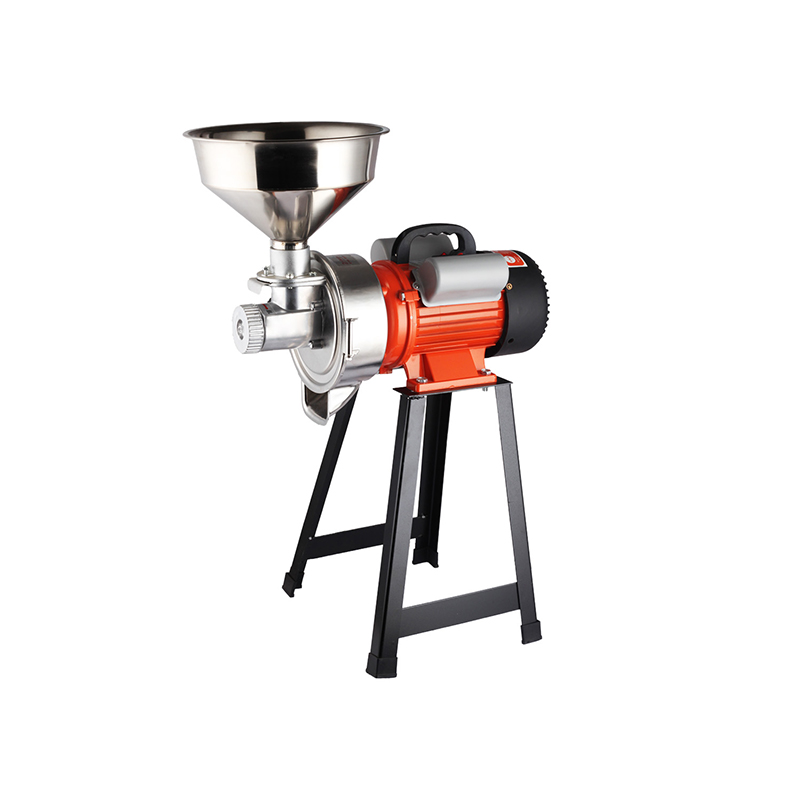
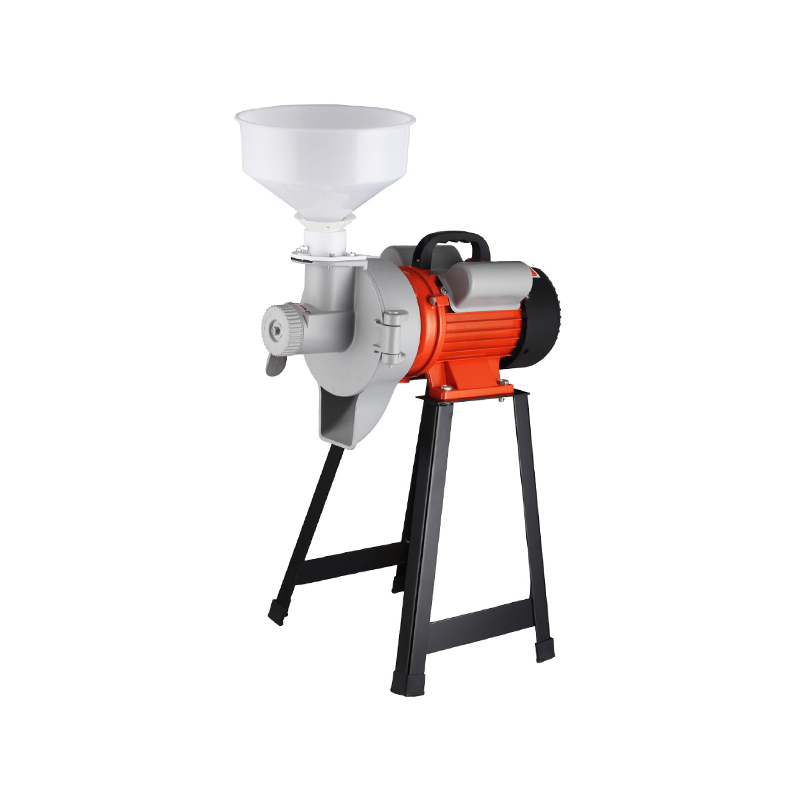
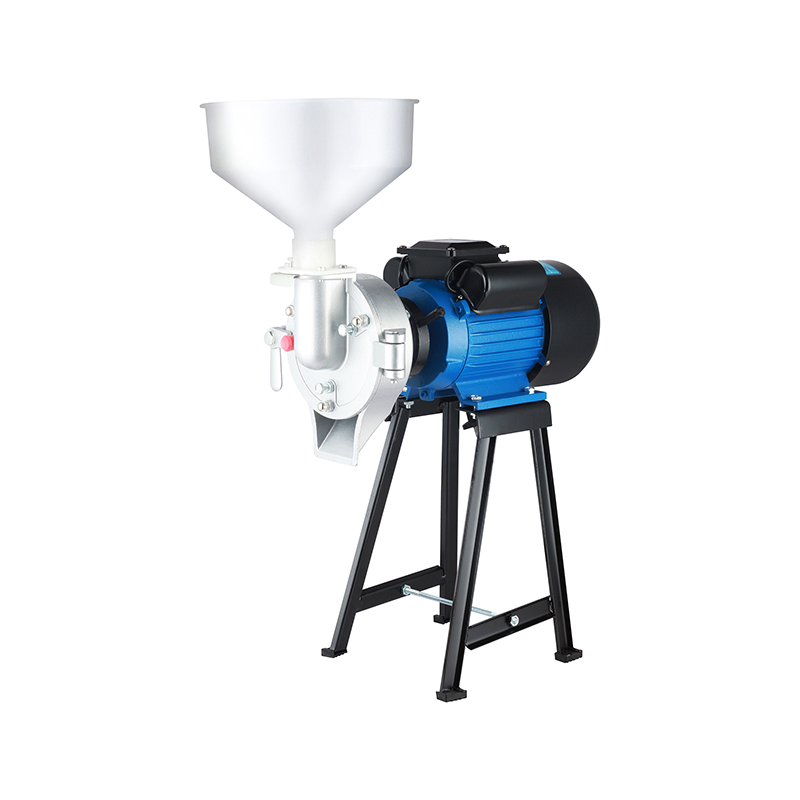
Rice processing usually moves through a chain of steps that change raw grain into a more usable and steady material form. Each stage has its own role, and grinding sits in the middle where grain shape begins to shift in a controlled way. A Commercial Rice Grinder Machine is placed in that middle section, where material flow still stays active and adjustment becomes necessary before later handling.
In many processing setups, rice does not enter a system in a uniform condition. Grain size, hardness, and surface texture can vary from batch to batch. That variation needs to be reduced so later stages can work with more stable input. The machine handles this by guiding rice through a controlled grinding space, where repeated contact changes structure without breaking the overall flow of the line.
Grinding Machine Factory work is usually connected with how this type of equipment is shaped for different working conditions. Attention often goes to movement stability inside the chamber and how material passes through without interruption.
Rice processing workflow is not a single action, it is a sequence where each step prepares material for the next. After initial handling and cleaning, grain still keeps its original structure. That structure may not match later use, so adjustment becomes necessary before further processing.
The Commercial Rice Grinder Machine fits into this transition stage. It receives prepared rice from earlier steps and changes its physical form in a controlled way. After grinding, material moves forward into additional stages where more specific refinement or handling may take place.
Within the workflow, the machine often connects three directions:
Instead of replacing other equipment, it supports continuity. Material keeps moving, only the form changes as it passes through the system.
Raw rice is not always consistent in size or shape. Some grains are harder, some break more easily, and surface texture may differ across batches. When that variation enters later stages, it can create uneven flow or unstable handling.
Grinding becomes necessary to reduce that variation. A Commercial Rice Grinder Machine helps turn uneven grain into a more controlled particle condition, making later steps easier to manage.
Common reasons for grinding include:
Without this step, material may remain too irregular for steady processing. Grinding helps bring it closer to a balanced condition where later systems can work without constant adjustment.
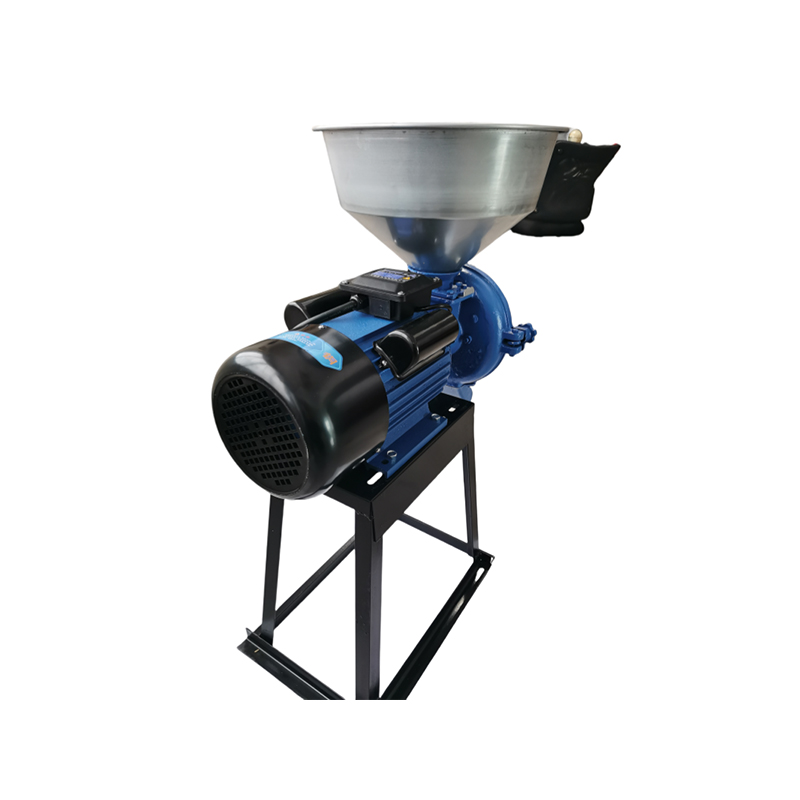
Inside operation, rice moves through a space where continuous contact changes its structure. The machine does not work through a single strong action, instead it relies on steady movement and repeated interaction.
Main functions include:
As rice passes through the grinding area, particles slowly adjust rather than change all at once. That gradual shift helps reduce sudden variation in output, which is important for downstream handling.
Flow stability inside the machine also matters. If material movement becomes uneven, output may lose consistency. For that reason, the internal structure is arranged to keep movement steady from feeding to discharge.
The working process inside the machine follows a simple path, though each stage plays an important role in shaping final output.
First, rice enters through a feeding area where material is guided into the grinding chamber. Inside the chamber, movement begins between internal surfaces that apply repeated contact to the grain. As rice moves through this space, its structure gradually changes.
After grinding, material exits through a discharge area, moving toward the next stage of processing or collection.
Basic sequence of operation:
Grinding Machine Factory design choices often focus on keeping this flow stable. If movement inside the chamber is uneven, material may not process evenly, which affects consistency of output.
Equipment structure is closely tied to how material behaves during processing. A Grinding Machine Factory usually considers how rice moves inside the chamber rather than only focusing on external shape or size.
Several structural aspects are important:
Each part of the machine works together. Feeding speed affects chamber load, chamber behavior affects grinding contact, and discharge stability affects overall flow balance.
Structure is often arranged to reduce interruptions during long operation periods. Stable movement inside the system helps maintain more consistent processing results.
Grinding performance depends on several connected conditions rather than a single factor. Material condition, machine movement, and flow balance all play a role.
Key influencing factors include:
When grain condition varies too much, output may also become uneven. If feeding is not steady, material flow inside the chamber can change quickly. Surface wear inside the machine may also influence contact quality over time.
In real operation, these factors often interact with each other. Balanced conditions usually support more stable grinding behavior across longer processing cycles.
Once rice leaves the grinding chamber, the result is not always the same from one batch to another. Grain condition, feeding steadiness, and the way the machine is set all shape the final form of the output. In many processing lines, that variation is acceptable because later work may call for different particle sizes.
Some rice comes out very fine, almost like powder. Other batches keep a more broken grain texture. There are also situations where the output sits somewhere in between, with a mix of smaller and larger pieces. A Commercial Rice Grinder Machine makes that kind of adjustment possible by keeping the material under controlled grinding contact rather than forcing one fixed result every time.
Typical output forms include:
| Output Type | Particle Condition | Typical Use Position | Processing Meaning |
|---|---|---|---|
| Fine powder | Very small particles | Later refinement step | Material is ready for closer processing |
| Medium granule | Balanced particle size | Main processing flow | Easier to handle and transfer |
| Coarse broken rice | Larger fragments | Early or middle stage | Used when full refinement is not needed |
| Mixed output | Uneven particle mix | Variable stage | Depends on feed and machine setting |
The machine does not create the same texture in every case, and that is part of its value. It gives processors a way to work with material that can suit different paths without stopping the line or changing the whole process.
A rice grinding system may look simple from the outside, though the inside structure carries much of the responsibility for stable work. When the frame holds steady, the grinding chamber stays balanced, and the feeding path remains clear, material tends to move through the machine in a more even way.
Structure influences the process in several quiet but important ways:
When the frame shifts too much, the grinding contact can change from one side to another. That may affect particle size or create a less even output. If heat builds up in the chamber for too long, material flow can also become less steady.
Grinding Machine Factory design work often pays close attention to those points. The goal is not only to make the machine process rice, but to keep the process moving at a steady pace for long periods. Stable structure usually leads to more stable output, and that matters when the machine is part of a wider processing line.
A Commercial Rice Grinder Machine can keep running for long periods, though it still needs regular care. Maintenance is not only about fixing problems after they appear. It also helps prevent small changes from growing into larger ones.
Rice grinding equipment usually needs attention in a few main areas:
Rice grains leave fine residue during processing. If that residue stays inside the machine, it may affect the movement of new material. Over time, grinding surfaces also wear down through repeated contact. That wear may not stop operation right away, yet it can influence particle condition and processing balance.
Feeding control matters as well. When rice enters unevenly, load inside the chamber changes quickly. The grinding action then becomes less steady, and output may vary more than expected.
A simple maintenance routine often helps the machine stay close to its normal working pattern. That kind of care is practical, quiet, and useful over the long run.
Rice processing has become more connected in many facilities. Material often moves through a chain of machines, each one handling a different stage. In that kind of setup, the Commercial Rice Grinder Machine has a clear role. It helps turn raw grain into a more usable form while keeping the line moving.
The machine fits into the process in several ways:
Instead of acting alone, the grinder works as one step in a longer route. Material enters from one side, changes form inside the machine, and exits toward the next stage without breaking the flow. That makes the equipment useful in lines where continuity matters.
Grinding Machine Factory development often follows the same idea. Equipment is shaped not only for internal work, but for how it connects with surrounding systems. When those connections stay smooth, the whole line usually feels easier to manage.
The design choices made in a Grinding Machine Factory affect more than how the machine looks or how much space it takes. They influence how it behaves during daily work, how easy it is to maintain, and how well it fits into a larger processing environment.
Several design points often matter in long-term use:
A good design keeps the machine working in a steady rhythm. That rhythm matters because rice processing is rarely a one-time task. It tends to continue through repeated batches, and each batch expects a similar path through the equipment.
When structure stays balanced and material moves in a controlled way, the machine can support that repeated work without creating unnecessary variation. That is where the value of equipment design becomes clear. It supports not only the process itself, but the consistency of the work around it.
Viewed across the full line, the Commercial Rice Grinder Machine is a transition point. Raw grain enters in one condition and leaves in another, ready for later use. The change is not dramatic in a single moment, yet it becomes important once the material moves on to the next stage.
The machine brings together feeding, contact, discharge, and flow control. Each part of that movement supports the next one. When material condition, structural balance, and maintenance stay in a reasonable range, the grinding stage tends to remain steady.
The role of the Grinding Machine Factory appears in the background through those same points. Design, chamber layout, frame support, and wear control all shape the machine’s daily behavior. In rice processing work, that quiet structure often matters more than appearance.
A grinder that keeps the line moving smoothly does not need to stand out. It simply needs to do its job in a steady way, batch after batch, while the rest of the process continues around it.

Asynchronous Motor Manufacturer



 English
 中文简体
中文简体