-
 [email protected]
-
 +86 15857619833
-
+86-18989628252
[email protected]
+86 15857619833
+86-18989628252

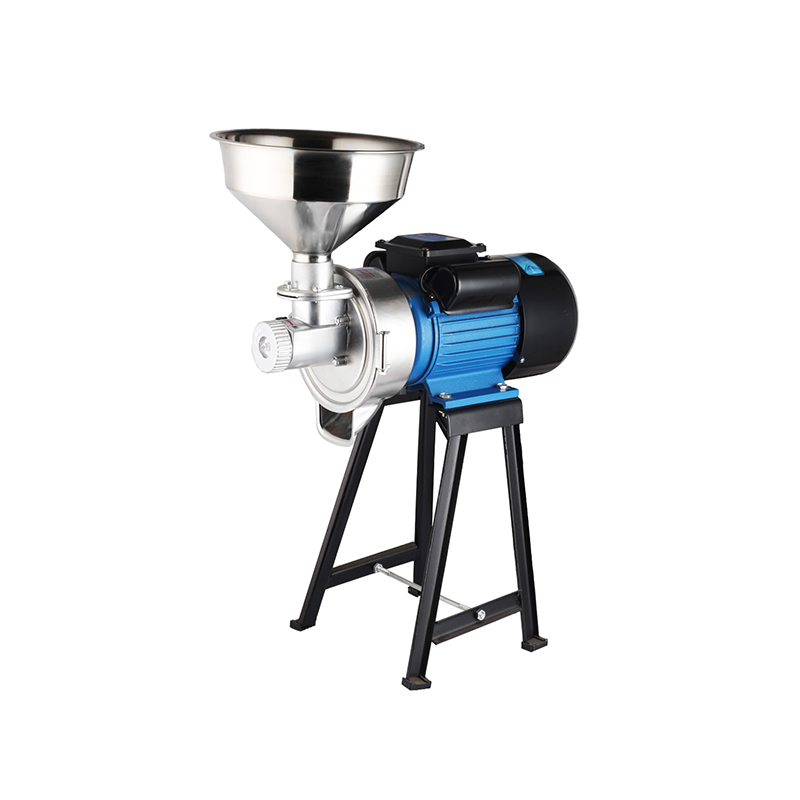
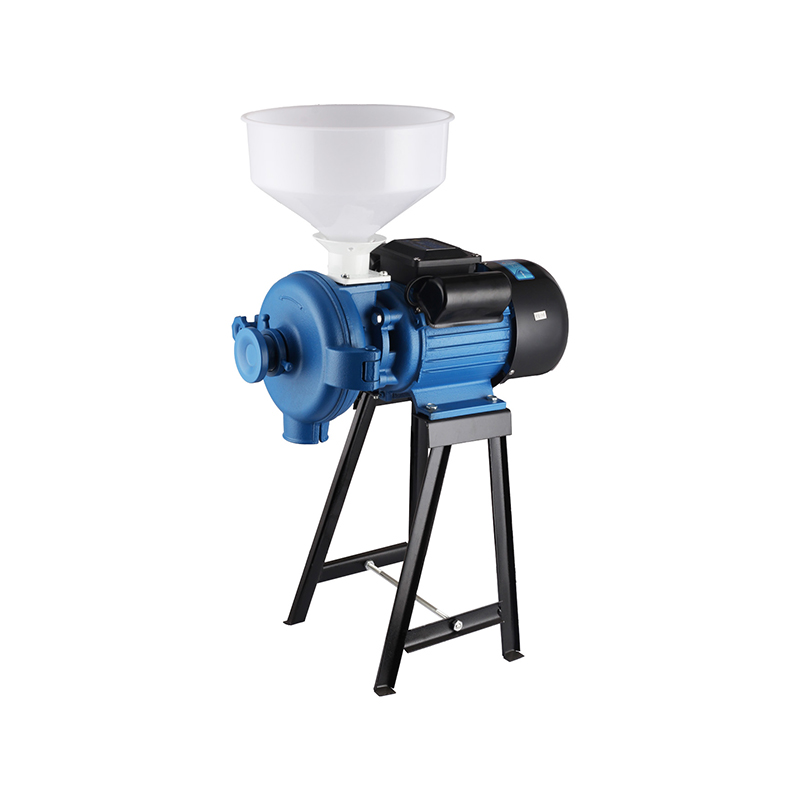
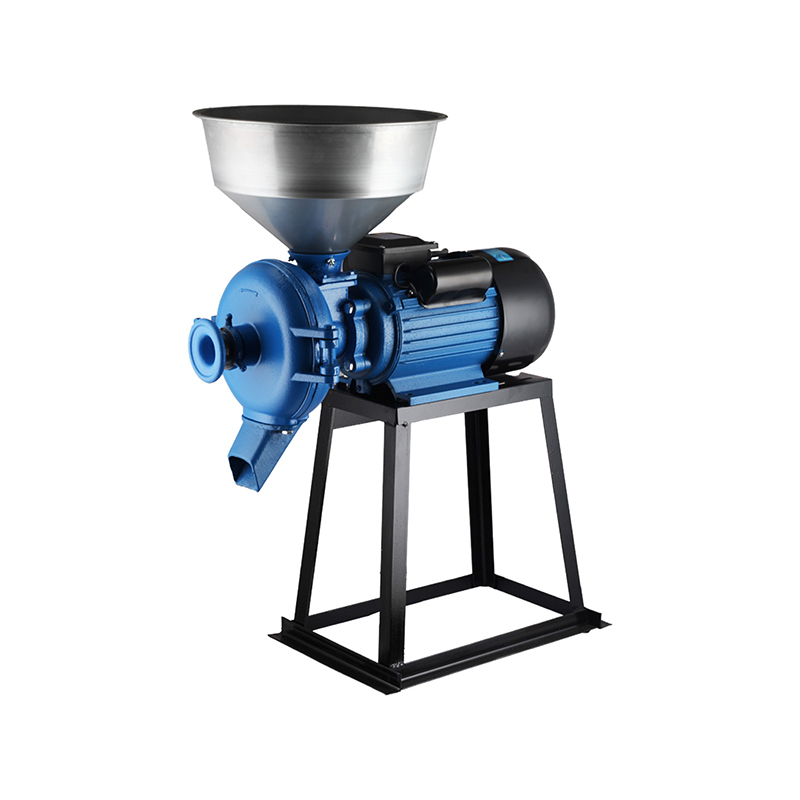
In many grain processing setups, grinding sits in the middle of the whole workflow. Raw grain does not move smoothly into mixing or packaging stages without being reduced into a more stable form. A Commercial Grain Grinder Machine handles this step and turns uneven raw material into a more controlled output that downstream systems can accept without difficulty.
The role of grinding has changed over time. It is no longer only about breaking material into smaller pieces. Many production lines now treat it as a step that influences flow behavior, texture balance, and overall processing stability. When grain size varies too much, later stages often need extra adjustment, which can slow down the whole line.
A steady grinding stage also helps reduce interruptions. Grain usually enters in bulk form, and any instability in size or density may cause uneven feeding. Once feeding becomes unstable, connected equipment may also show variation in performance. A consistent grinding process helps keep everything moving at a more even pace.
In modern layouts, grinding is often placed carefully between storage and processing units. The goal is simple: keep material behavior predictable before it reaches the next step. That is why this type of machine has become a fixed part of many production systems instead of being treated as optional equipment.
A High Precision Grinding Machine focuses on control rather than simple reduction. Instead of producing wide variations in particle size, it guides material through a more stable internal path so the output remains closer in structure.
One clear effect is uniformity. When grain passes through a controlled grinding zone, the particles tend to stay within a narrower range. That helps later stages such as blending, where uneven particle size can easily affect consistency.
Stability during long operation is another point. In real production conditions, feeding is not always perfectly steady. Small fluctuations often appear as material moves through the system. A precision-oriented design helps absorb those small changes without creating large shifts in output quality.
Heat generated during grinding also plays a part. Continuous friction naturally builds warmth inside the chamber. When the system is balanced, that heat does not disturb the material structure too much, and the grinding process remains more predictable.
Different production goals lead to different machine structures. A Commercial Grain Grinder Machine is usually designed in several forms depending on capacity needs and material requirements.
| Machine Type | Main Behavior | Common Use |
|---|---|---|
| Bulk grinding system | Continuous large input flow | Basic grain reduction |
| Fine grinding system | Smaller particle output | Powder-level processing |
| Adjustable grinding system | Flexible output control | Mixed material handling |
| Compact grinding system | Space-efficient structure | Small production setups |
Bulk systems usually focus on steady intake and discharge. The internal structure is designed to keep material moving without interruption.
Fine grinding systems pay more attention to particle refinement. The grinding space is arranged to produce a tighter output range, which supports applications that depend on finer material structure.
Adjustable systems are often chosen when one production line handles different material types. Small internal changes allow the output behavior to shift without replacing equipment.
Compact systems focus on fitting into limited space. Even with a smaller footprint, they still maintain basic grinding function, making them suitable for production areas where layout flexibility is important.
In smaller production environments, space becomes a key factor in equipment selection. A Commercial Grain Grinder Machine for compact layouts usually focuses on balance between size and output stability.
Instead of aiming for large capacity, these machines are arranged to fit into existing workflow paths. Placement near feeding and collection points helps reduce unnecessary material movement across the room. That alone can improve efficiency in tight spaces.
Another factor is operational balance. Small facilities often do not need extremely high output, so a moderate and steady grinding flow becomes more practical. A machine that matches that level avoids overload and keeps operation smoother over time.
Installation flexibility also matters. Compact machines are often designed so they can be aligned with different feeding directions or positioned in narrow layouts without major structural changes in the workspace.
Grinding consistency has a direct influence on how materials behave later in production. When particle size stays stable, mixing becomes more even and predictable. Ingredients blend without strong variation, which helps maintain uniform structure in the final output.
When grinding is uneven, the result is often mixed texture. Some portions remain coarse while others become too fine. That imbalance tends to carry forward into later stages, making process control more difficult.
Material flow is also affected. Consistent particles move more smoothly through channels and handling systems. Irregular size distribution can lead to uneven flow, which may slow down later steps in the line.
Even packaging behavior is influenced by particle stability. When material density remains more predictable, filling and handling processes tend to run with fewer adjustments.
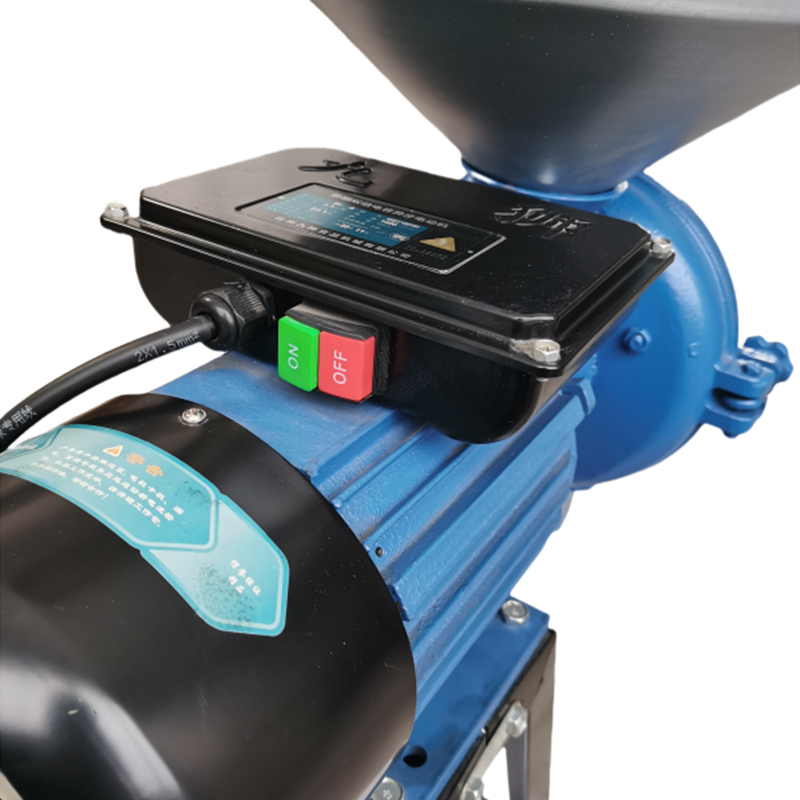
A Commercial Grain Grinder Machine can run in a continuous way, yet the stability of that running state often decides how consistent the output feels in real use. When movement inside the system stays steady, grain particles pass through the grinding area in a more even rhythm, and the final material shows fewer unexpected changes in texture.
Vibration is one of the quiet factors that shapes this stability. Small shaking inside the machine may seem harmless at the beginning, though it can slowly shift the contact relationship between grinding parts. Once that balance changes, particle size may start to drift slightly, especially during longer operation periods.
Feeding flow also plays a part. Grain rarely enters at a perfectly constant speed in practical environments. A stable system does not try to eliminate those small variations, instead it absorbs them so the grinding zone continues working in a smooth pattern.
Load changes inside the chamber also influence the result. When material builds up or drops slightly during operation, pressure inside the grinding area changes as well. A stable structure keeps that variation under control so the output does not swing too much between different moments of the process.
Inside a High Precision Grinding Machine, performance is shaped by how different internal parts work together rather than a single strong component. Each section supports the next, creating a steady grinding environment for grain material.
The internal chamber layout guides how grain moves before and during grinding. When the path is even, material spreads more consistently across the working area. If movement becomes uneven, some sections may process more material than others, which can affect overall uniformity.
Feeding control also has a direct effect on stability. A smooth and controlled entry of material allows the grinding zone to maintain balance. Sudden or uneven feeding tends to disturb that balance and may lead to small variations in output.
Heat generated during grinding is another factor that cannot be ignored. Continuous friction naturally increases temperature inside the system. When that heat builds up too quickly, material behavior may shift slightly. A balanced internal structure helps keep that effect under control so grinding stays closer to a stable pattern.
Wear on internal surfaces develops slowly over time. Even when changes are small, they may influence how particles break down. A design that slows down uneven wear helps keep the grinding behavior more predictable during long-term use.
Regular care has a direct link with how long a Commercial Grain Grinder Machine keeps stable output. Even when the structure is strong, continuous contact between materials and internal surfaces will gradually change working conditions.
Cleaning is usually the simplest part of maintenance, yet it has a clear effect. Leftover grain particles can stay inside the chamber after operation. When they build up, airflow and movement inside the system may become less smooth, which can slightly influence grinding behavior over time.
Inspection of working parts helps notice early changes. Grinding surfaces slowly wear down during repeated use, and that wear does not always appear evenly. Checking those areas regularly makes it easier to spot small shifts before they affect product consistency.
Lubrication supports smoother movement of internal components. When moving parts run without enough lubrication, resistance increases and vibration may follow. That combination can slowly influence grinding stability, even if the machine still appears to be working normally.
A simple routine often includes:
These steps are small on their own, yet together they help keep the machine closer to a stable working condition over time.
Choosing a Commercial Grain Grinder Machine is usually not only about capacity. It is more about how well the machine fits into the full production environment and how stable it can stay during daily operation.
Production scale often sets the basic direction. Larger systems tend to focus on continuous flow, while smaller systems place more attention on space and flexibility. Matching machine size with actual demand helps avoid unnecessary strain or underuse.
Material type also plays a role. Different grains behave differently during grinding, so the required level of particle control may change from one production line to another. In some cases, a High Precision Grinding Machine is preferred when more uniform output is needed for later processing steps.
Space layout inside the facility also matters. Equipment must fit into existing movement paths without blocking other stages of production. In tighter environments, compact arrangement becomes part of the selection process rather than an afterthought.
Long-term use conditions complete the decision. Machines that run for long periods benefit from stable structure, easier maintenance access, and predictable behavior during continuous cycles. When these points are considered together, the final choice becomes more aligned with real working conditions rather than theoretical performance.
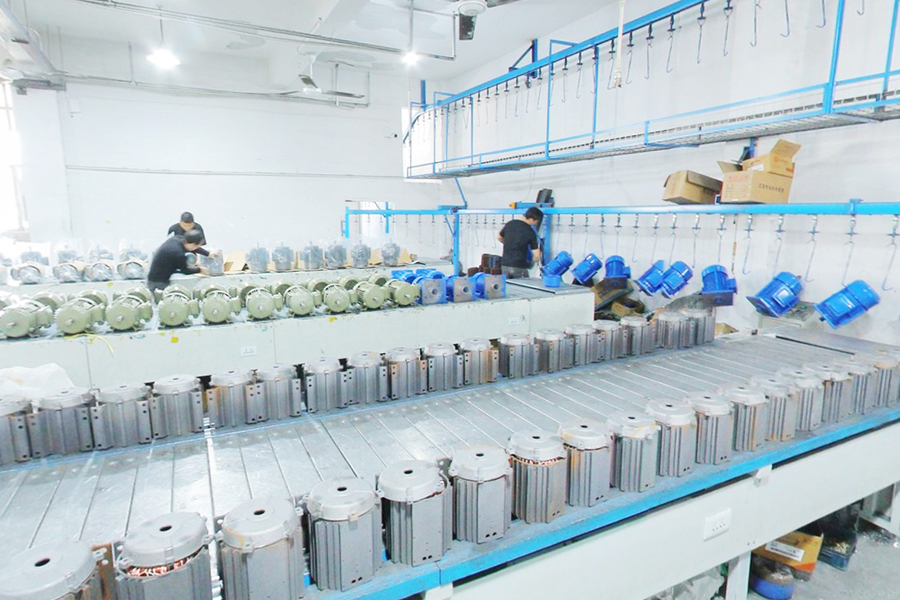
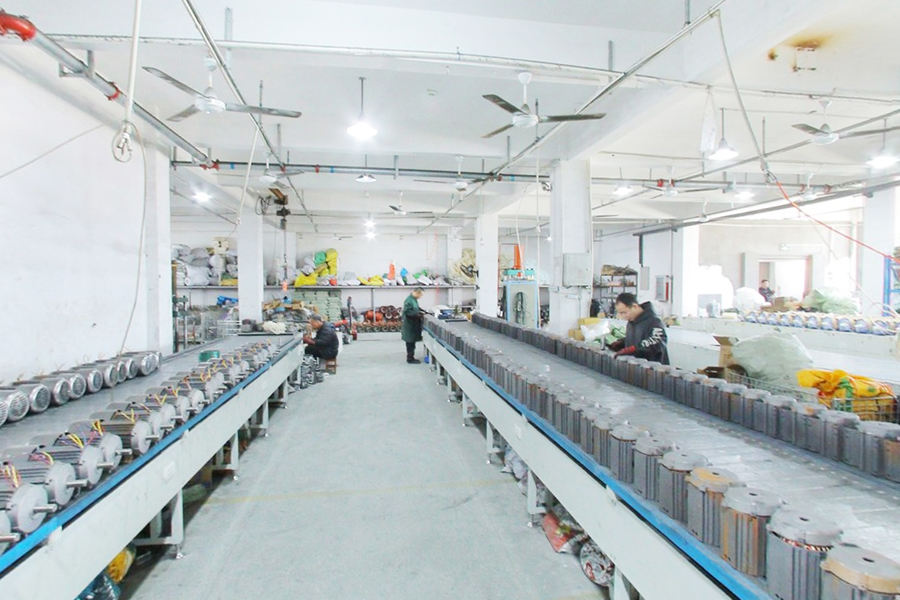
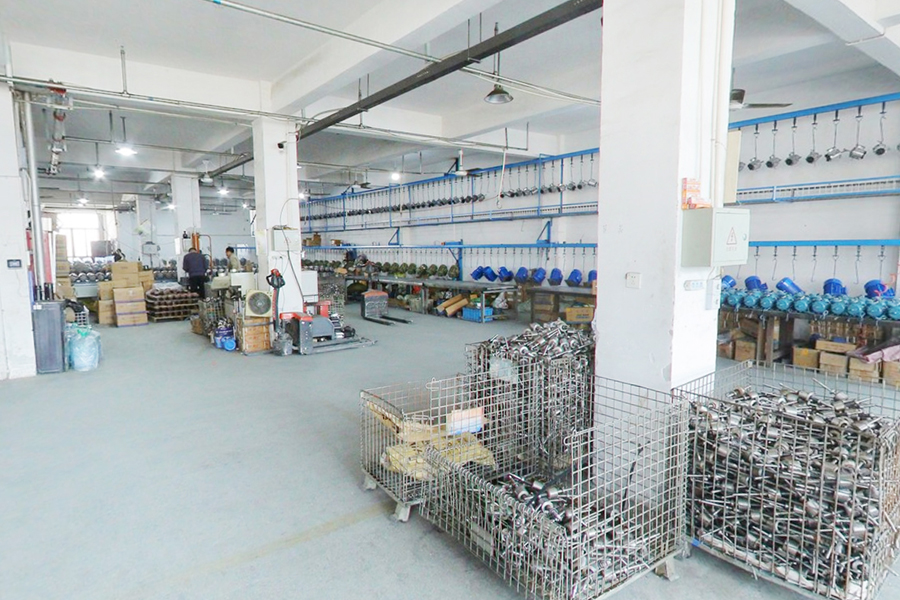
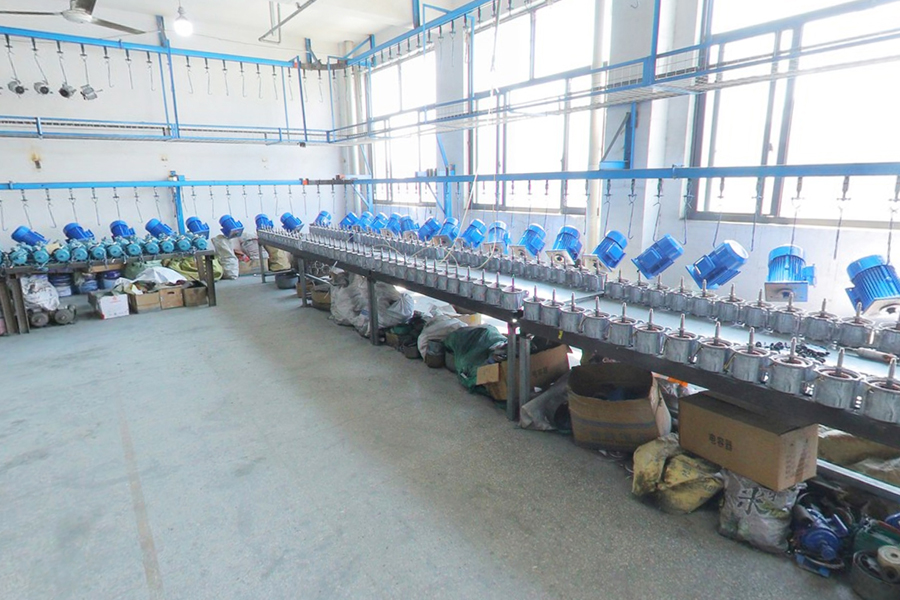

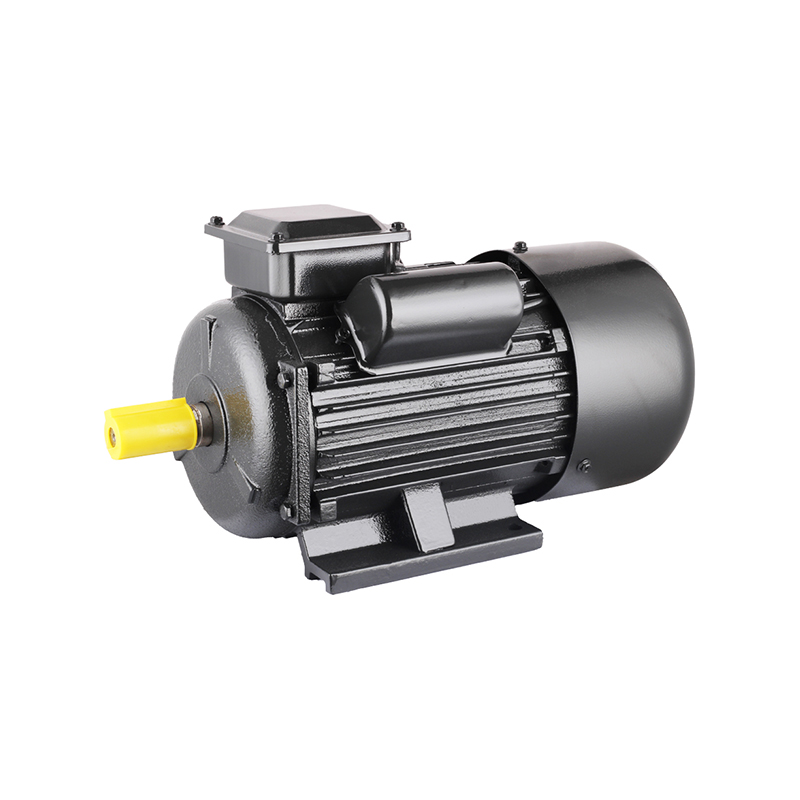
Asynchronous Motor Manufacturer



 English
 中文简体
中文简体