-
 [email protected]
-
 +86 15857619833
-
+86-18989628252
[email protected]
+86 15857619833
+86-18989628252

Grain sits quietly in storage, though its internal condition keeps changing with surrounding air. A slight shift in humidity may slowly enter the grain layer. Sometimes it happens during storage. Sometimes during transport. Even short exposure to damp air can leave a trace inside the grain structure.
A Commercial Grinding Machine For Grain depends on steady feeding and predictable material break behavior. Once moisture level changes, the way grain reacts under pressure also changes. Dry grain and slightly damp grain do not behave in the same way during grinding. The difference shows inside the chamber rather than on the surface.
In daily processing work, operators often notice changes through sound and flow instead of technical reading. Grain enters smoothly one moment, then feels slower or uneven the next.
Common changes linked with moisture variation:
Moisture does not need to be extreme to influence performance. Even small variation inside stored grain can change friction behavior during grinding.
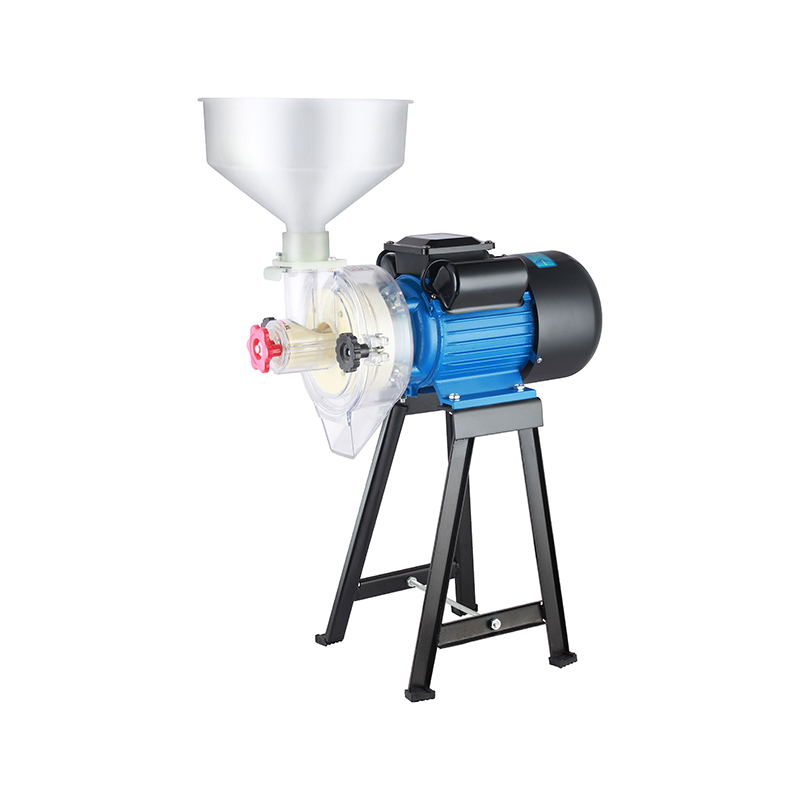
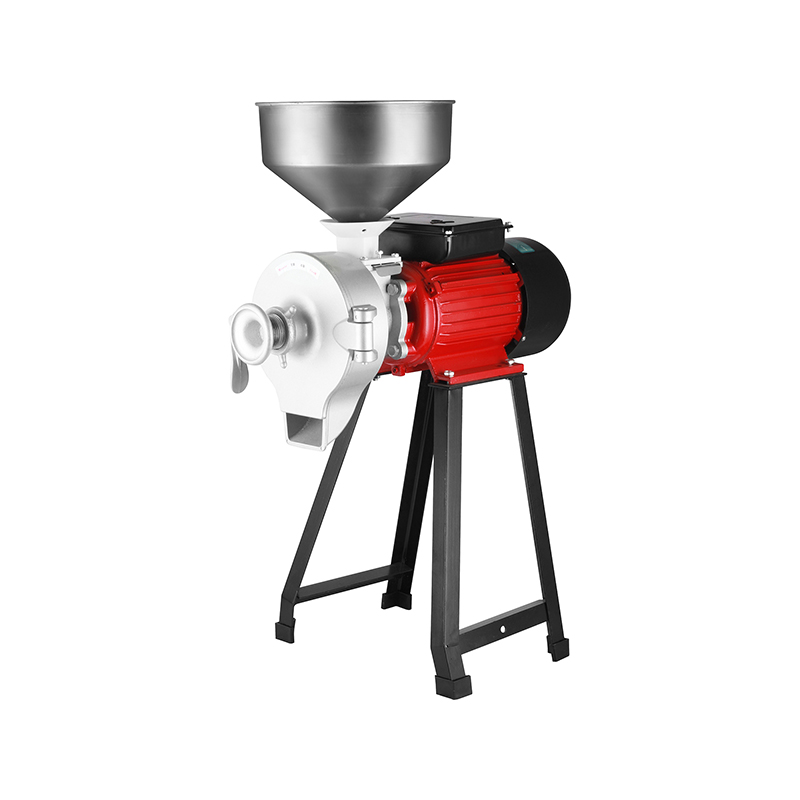
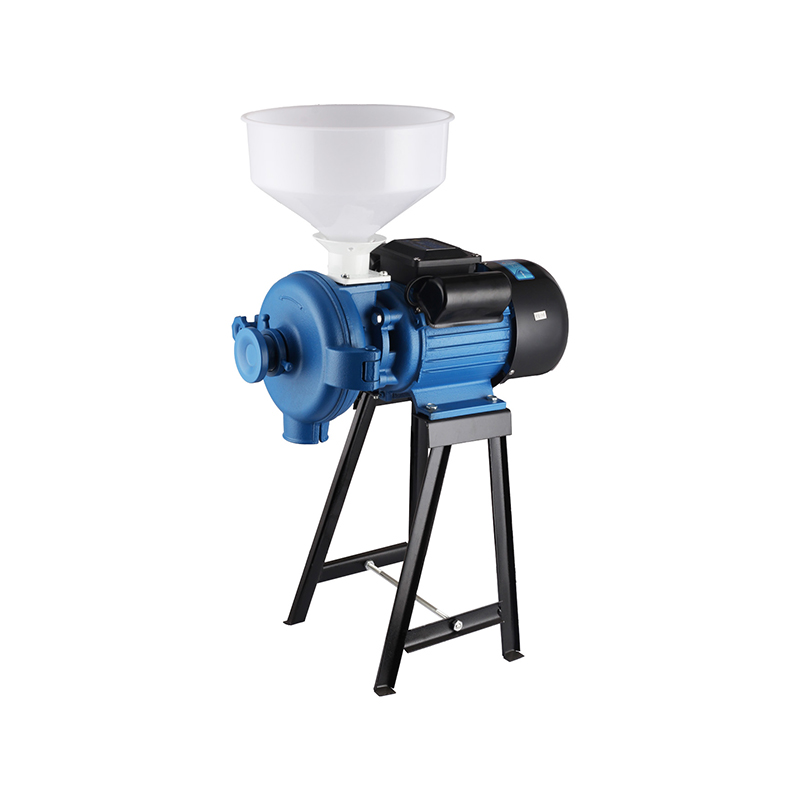
A Commercial Grinding Machine For Grain breaks material through continuous mechanical motion. Grain enters through a feeding path, then moves into a grinding chamber where rotating parts create friction and impact. Material gradually breaks into smaller particles before leaving the system.
Inside the process, several actions happen together:
The machine relies on balance between incoming material and internal resistance. When grain condition changes, that balance also shifts.
Dry grain tends to move freely and break quickly. Moist grain slows movement inside the chamber, which affects how evenly material is processed.
Dry grain carries a brittle structure. Once pressure is applied, it fractures without much resistance. That behavior often makes grinding feel easier, though internal conditions change in another direction.
During dry grain processing:
Grinding may appear smooth at first. Still, dust movement increases inside the system. That dust does not stay still. It travels with airflow and may influence internal balance.
A simple view of behavior difference:
Dry grain often creates fast movement inside the chamber, though stability depends on airflow control and material balance.
| Grain Condition | Internal Behavior During Grinding | Machine Feeling |
|---|---|---|
| Dry grain | fast break, brittle fracture | light resistance, more dust movement |
| Balanced moisture | steady break, controlled friction | stable operation feel |
| Damp grain | slower break, elastic resistance | heavier load feeling |
Grain with higher moisture behaves in a softer and more flexible way. Instead of breaking instantly, it tends to absorb force before splitting. That change affects grinding rhythm inside the machine.
During damp grain processing:
This sticking effect influences airflow paths and reduces smooth circulation of particles.
Grinding does not stop, though it becomes less even. Some sections inside the chamber handle heavier load while others move more slowly.
Over time, this condition may affect consistency of output texture.
Grain batches rarely carry identical moisture levels. Even within the same storage group, surface grain and deeper layers often differ. That variation enters the machine during feeding.
When mixed moisture grain is processed:
Machine behavior shifts continuously instead of staying steady. Feeding rhythm also becomes uneven.
Operators often notice:
Moisture variation does not change machine design, yet it changes how material responds inside the system.
Feeding speed and grain condition work together during operation. One affects how material enters, the other affects how material breaks.
Dry grain usually flows more freely through feeding channels. Damp grain may slow down or clump slightly, which changes intake rhythm.
Typical interaction patterns:
If feeding speed stays unchanged while moisture changes, internal balance may shift. That shift affects grinding stability more than expected.
Heat appears naturally during continuous grinding. Friction between moving parts and grain particles generates temperature inside the chamber. Moisture level changes how grain reacts under that heat.
With dry grain:
With damp grain:
Temperature does not work alone. It mixes with moisture and mechanical force, shaping how grain breaks and moves.
A Commercial Grinding Machine For Grain contains multiple internal zones where material moves, breaks, and exits. Each zone reacts differently depending on grain condition.
Inside grinding chamber:
Airflow channels also respond:
Over time, repeated damp processing may influence how smoothly internal surfaces stay clean during operation.
Moist grain leaves more residue inside grinding systems. That residue may stick to chamber walls or airflow paths, slowly affecting performance.
Common issues during damp grain use:
Simple maintenance habits help maintain stability:
Cleaning does not change machine design, though it helps maintain consistent movement inside the system.
Grain behavior inside a grinding system starts long before it enters the machine. Storage conditions, air exposure, and handling methods all shape moisture balance. Once grain enters a Commercial Grinding Machine For Grain, earlier conditions begin to show through its movement and break pattern.
In daily handling, small adjustments before processing often make a visible difference later. Grain that stays in a stable environment tends to move more evenly through feeding systems. Grain exposed to damp air may carry uneven resistance from the beginning of the process.
Practical preparation habits often include:
Moisture control does not aim for perfect uniformity. It simply reduces sudden variation during grinding.
Even before mechanical action begins, grain carries a “memory” of its environment. That condition influences how it reacts under friction and pressure.
When pre-processed grain holds lower moisture:
When pre-processed grain holds higher moisture:
Small differences in preparation become more noticeable once continuous grinding begins. The machine responds directly to material condition rather than adjusting itself automatically.
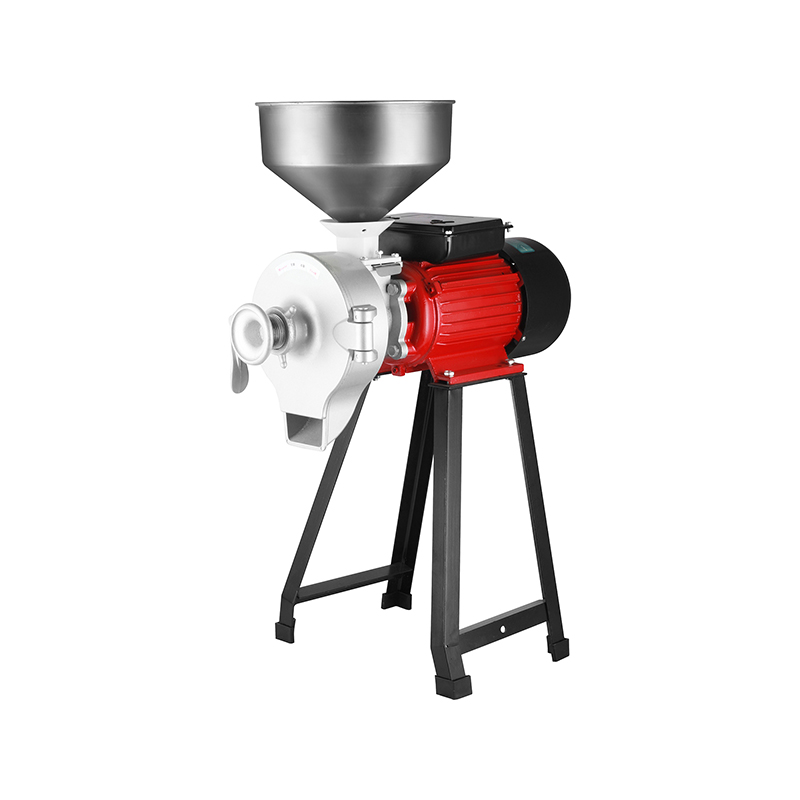
Different working environments require different machine behavior. A Grain Milling Machine for Sale may appear similar in structure, though internal handling capability can vary depending on how moisture conditions are expected during use.
In practical selection, attention is often placed on how the machine manages material flow rather than appearance.
Key points usually considered:
Machines used in mixed-condition environments often rely more on stable airflow and consistent internal movement than raw grinding force.
Repeated processing of grain with varying moisture levels slowly shapes how the machine behaves over time. Not through sudden change, but through gradual internal adjustment.
Common long-term effects include:
These effects do not appear instantly. They develop through repeated exposure to inconsistent material conditions.
Routine observation becomes important. Small changes in sound, flow, or discharge pattern often signal shifting internal conditions.
Feeding stability depends heavily on how grain enters the system. Moisture variation often introduces subtle differences in how material flows into the chamber.
Dry grain tends to move continuously. Damp grain may pause slightly or group together before entering.
When both conditions exist together:
Operators often adjust feeding rhythm manually based on visible flow behavior rather than fixed settings.
Grinding performance is not only about force applied to grain. Internal balance inside the machine plays a larger role in consistency. Moisture level influences how that balance forms during operation.
Stable flow conditions support:
Unstable flow conditions create:
Force alone cannot correct flow imbalance caused by moisture inconsistency.
As grinding continues, heat builds inside the chamber. Moisture level changes how grain responds over time.
With dry grain:
With damp grain:
Temperature does not replace moisture influence. Both factors work together and shape the final grinding condition.
Maintenance habits often reflect the type of grain processed. Damp grain leaves different internal traces compared with dry grain. Over time, those differences affect cleaning patterns and inspection needs.
Practical maintenance actions include:
Machines working with variable moisture benefit from regular light cleaning rather than occasional deep intervention.
Stable grinding performance depends more on consistency of input than any single machine adjustment. Moisture variation remains one of the main factors influencing that consistency.
When grain handling stays steady:
When handling fluctuates:
Even simple habits in storage and preparation often contribute to smoother grinding behavior.
Material moisture level influences every stage of grinding inside a Commercial Grinding Machine For Grain. From feeding entry to internal friction and final discharge, grain behavior shifts depending on its water content.
Dry grain supports faster movement and lighter resistance. Damp grain introduces slower flow and stronger internal interaction. Mixed conditions create variation that appears during continuous operation.
Stable performance often comes from consistent grain preparation, steady feeding rhythm, and attention to internal flow behavior rather than mechanical force alone.
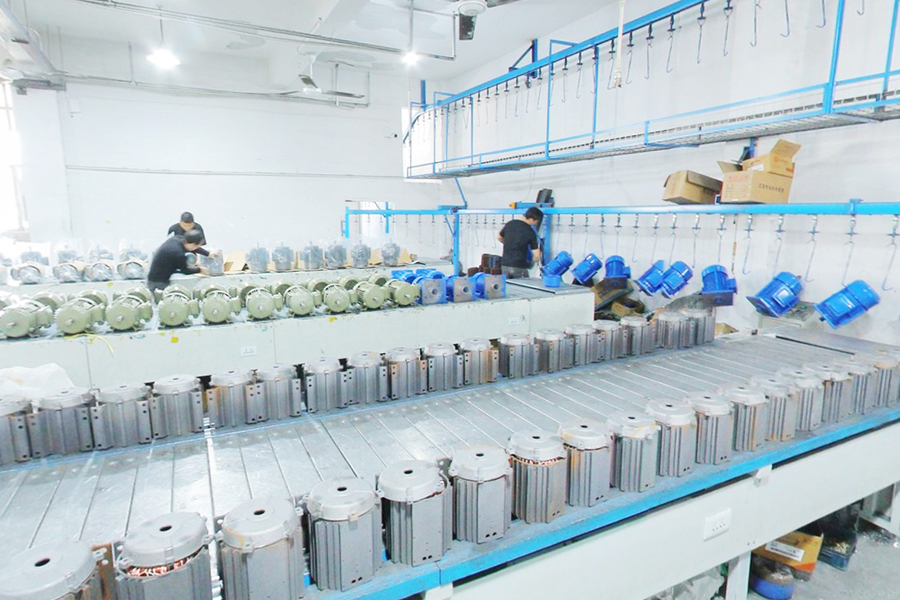
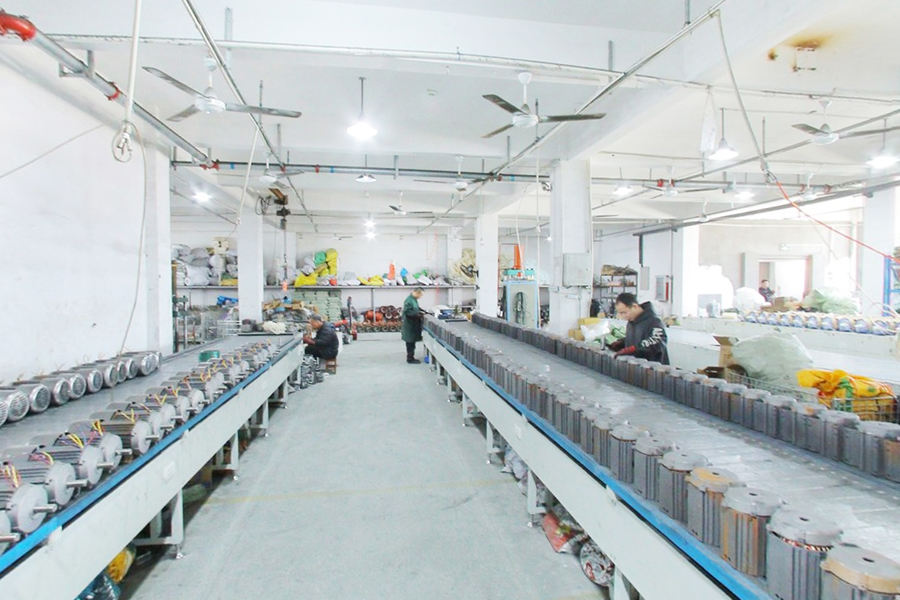
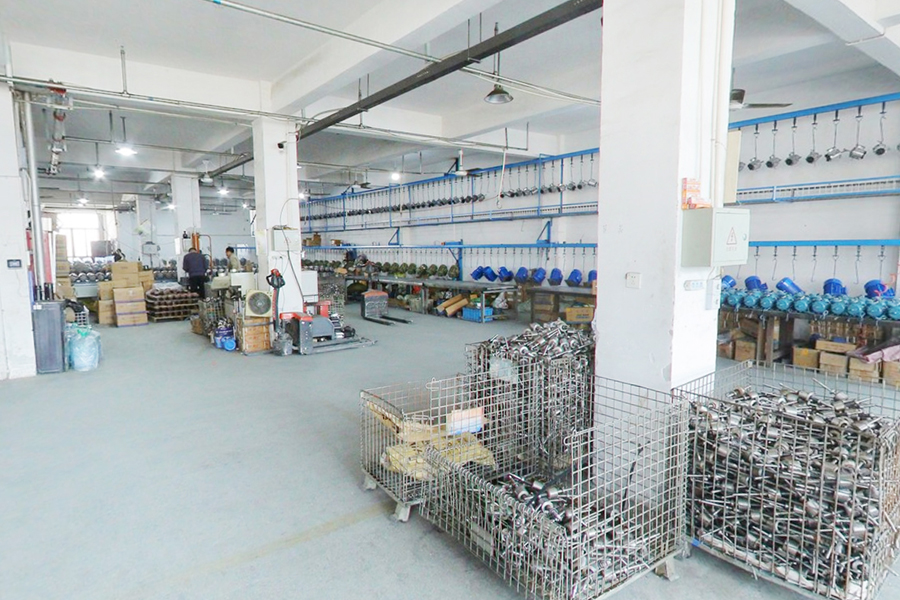
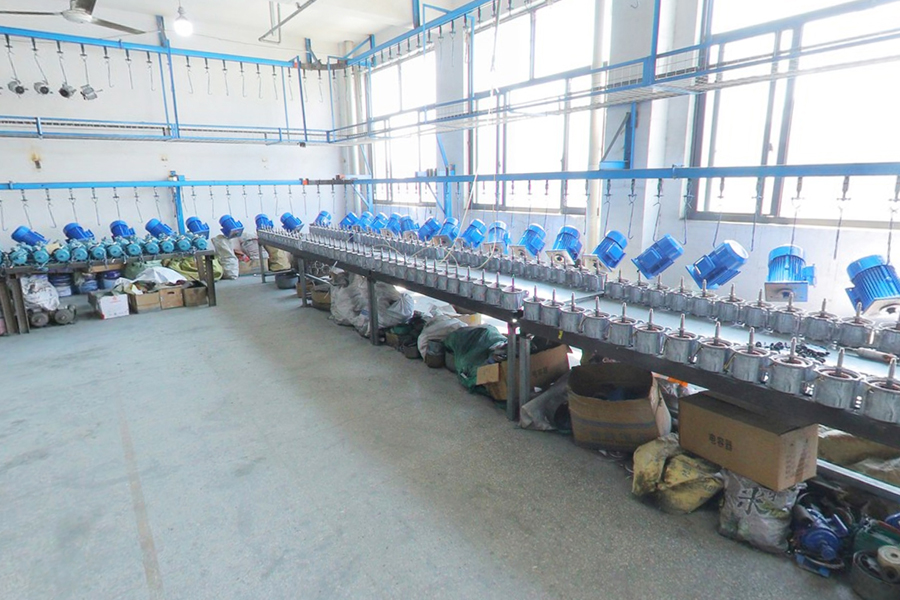

Asynchronous Motor Manufacturer



 English
 中文简体
中文简体