-
 [email protected]
-
 +86 15857619833
-
+86-18989628252
[email protected]
+86 15857619833
+86-18989628252

Pump Motor Performance in Industrial Environments
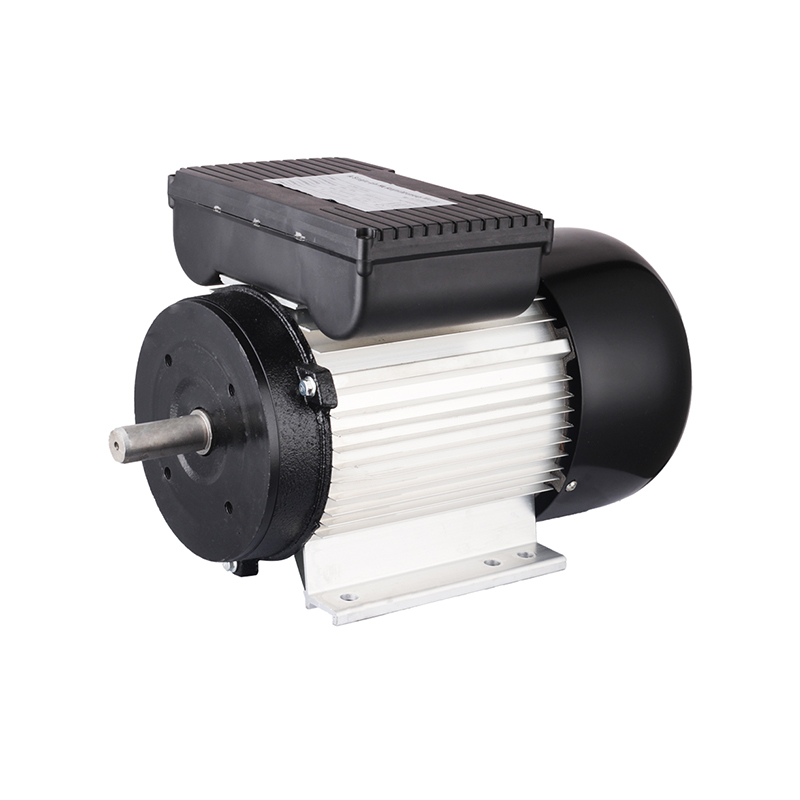
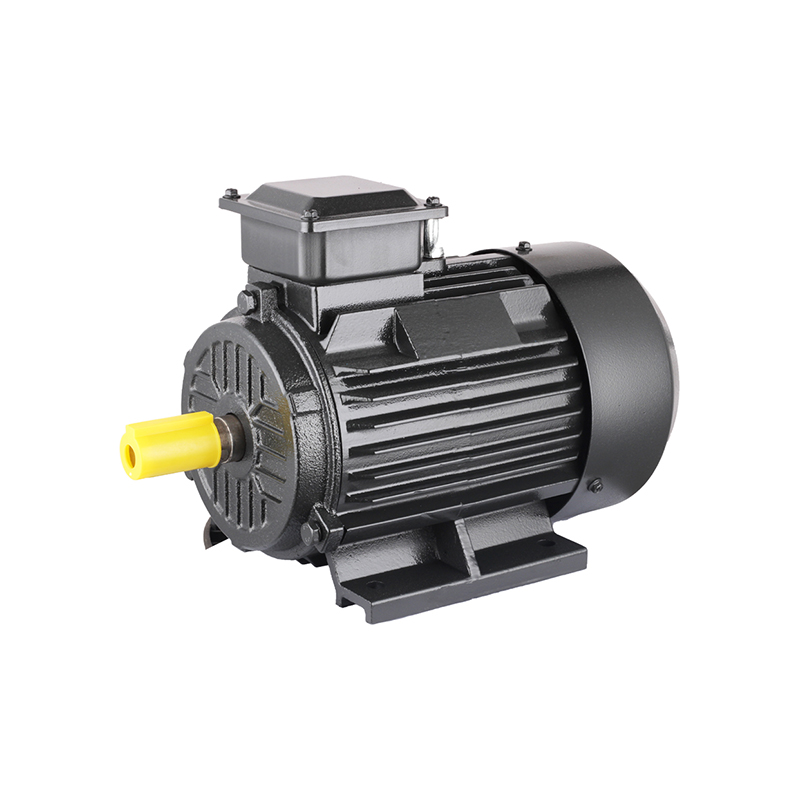
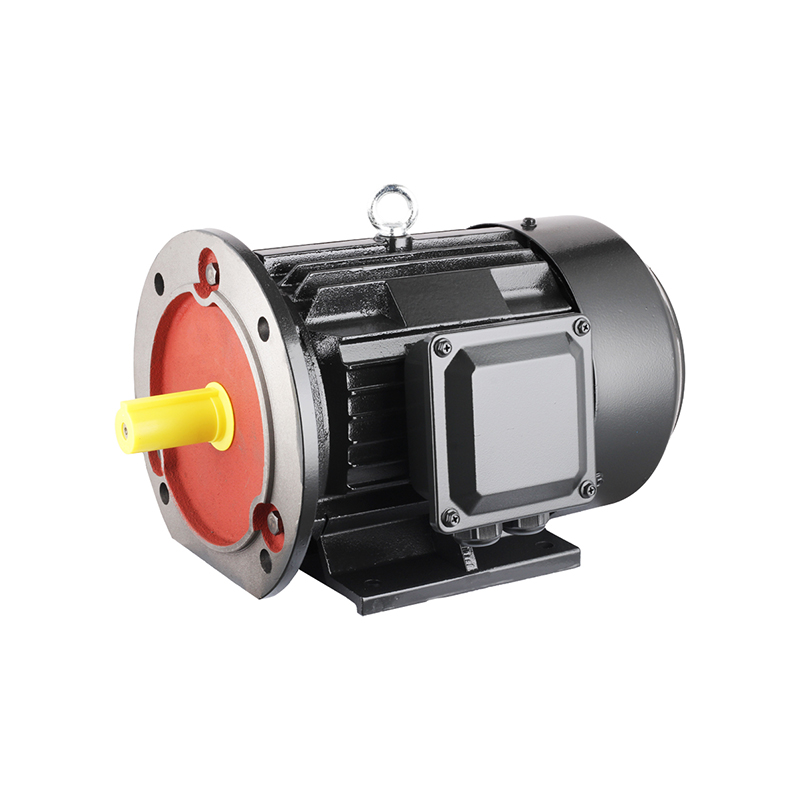
Factories across manufacturing, chemical processing, and water management sectors are paying increasing attention to the stability and energy performance of the Pump Motor. In continuous operation, a well-matched motor and pump system determines not only the output efficiency but also the reliability of the entire production line. Industrial engineers frequently discuss how ambient temperature, vibration levels, and fluid viscosity affect the real power consumption of a motor. In large-scale installations, a small imbalance in load distribution may reduce overall efficiency by 3–5%. Many factories now implement regular dynamic balancing and torque calibration to maintain consistent output across multiple shifts.
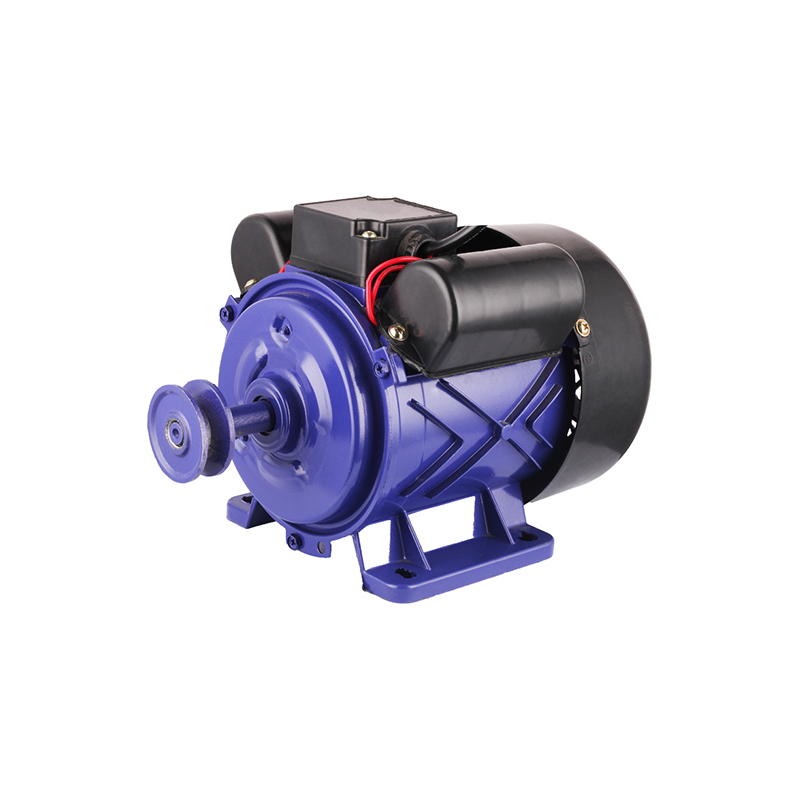
Long-term field data also reveal that operating motors within 90–95% of their rated load achieves the most balanced combination of performance and lifespan. When the load exceeds that range, winding temperature rises sharply, shortening service life. As a result, more factories are moving toward adopting smart control systems that automatically regulate current and torque under variable process conditions.
Pump Motor Efficiency Trends and Power Optimization
One of the main challenges faced by industrial buyers is identifying the right balance between power, speed, and flow rate. Engineers often raise a key question: How can a factory ensure the Pump Motor consumes less energy while maintaining stable pressure? Data comparisons among multiple industrial models indicate that high-efficiency motors can improve total system energy performance by up to 10%.
Motor size selection also affects hydraulic balance. A 22 kW motor may deliver 300 m³/h flow, while a 37 kW model can reach over 500 m³/h under identical pump head conditions. However, oversizing a motor leads to under-utilization and higher idle energy consumption. Many industrial planners now rely on flow sensors and digital control units to match motor output more accurately to system demand. This approach helps reduce power spikes, noise, and vibration, while keeping operational costs stable over time.
Pump Motor Maintenance and Lifecycle Management
In a modern factory environment, motor downtime directly translates into production loss. Maintenance teams are increasingly focused on predictive maintenance practices that extend the operating life of a Pump Motor. Sensors capable of monitoring temperature, bearing condition, and shaft alignment have become common in both new installations and retrofit projects.
Statistics from industrial operation audits suggest that improper alignment and lubrication account for nearly half of early mechanical failures in pump systems. Maintaining precision under 0.05 mm in shaft alignment and performing scheduled bearing inspections every 4,000 hours significantly reduces repair frequency.
Pump Motor Industrial Applications and Market Outlook
Across the industrial landscape, demand for robust pump systems continues to expand. Water treatment plants, HVAC facilities, and chemical factories increasingly rely on high-efficiency Pump Motors to handle varying flow conditions while meeting energy management goals. The global industrial motor market has shown steady growth, largely driven by automation and stricter energy-saving regulations.
From the perspective of factory managers, investment in higher-grade materials, tighter production tolerance, and digital control compatibility ensures better integration into modern automated systems.
Conclusion
The Pump Motor remains a cornerstone of industrial productivity, bridging the gap between mechanical energy and fluid transport. For factories aiming to optimize performance, the focus now lies on durability, precision maintenance, and smart power control. Selecting a motor aligned to process requirements, applying condition monitoring, and maintaining operational discipline together create a more stable and cost-efficient production environment.

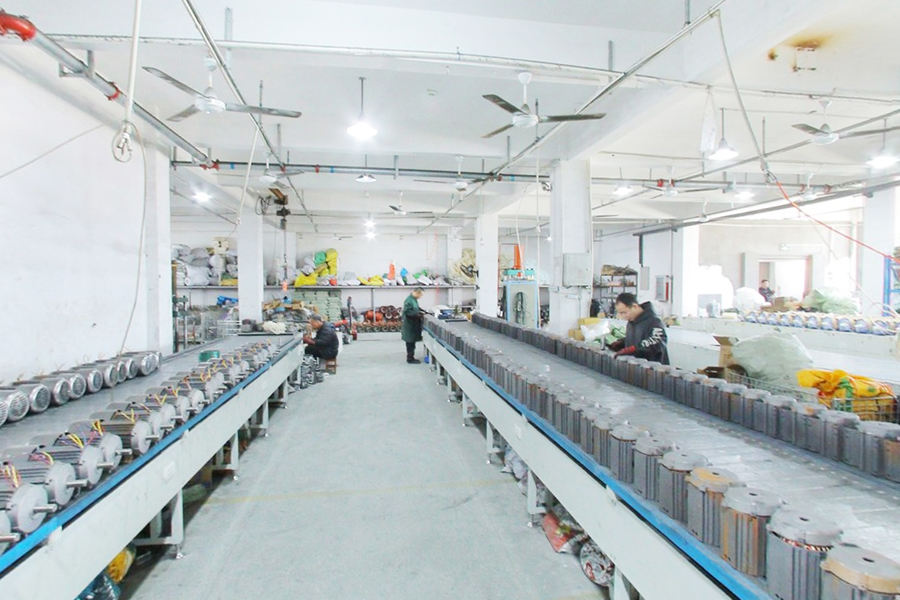
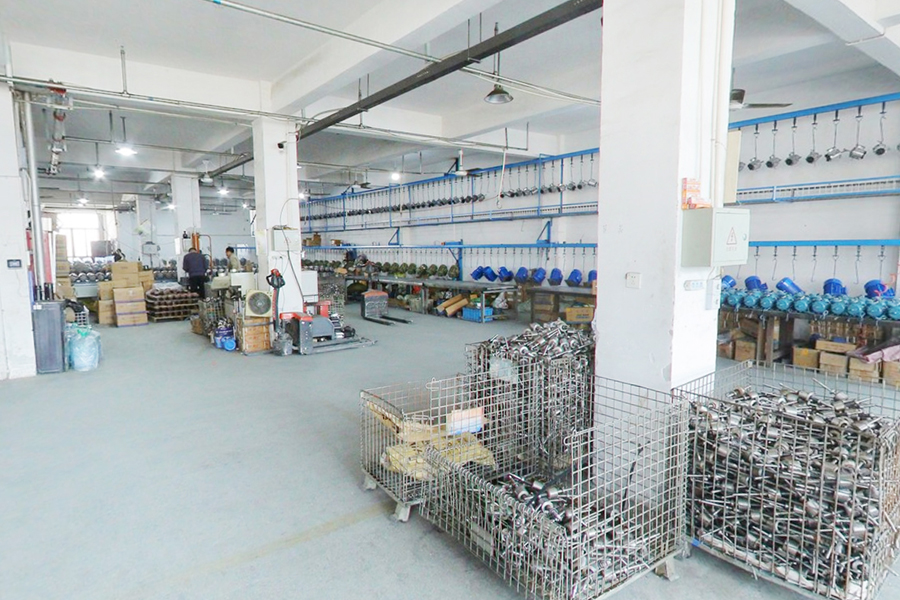
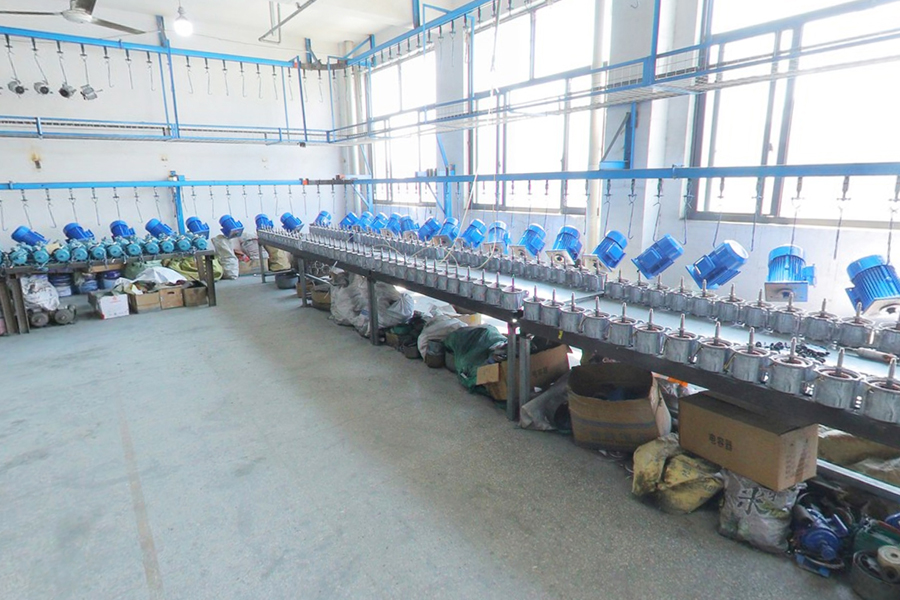
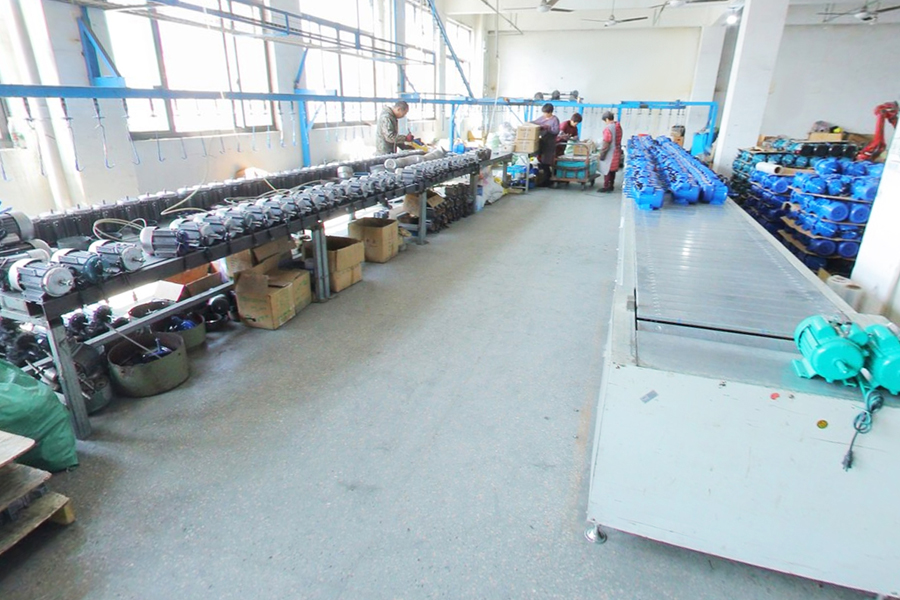
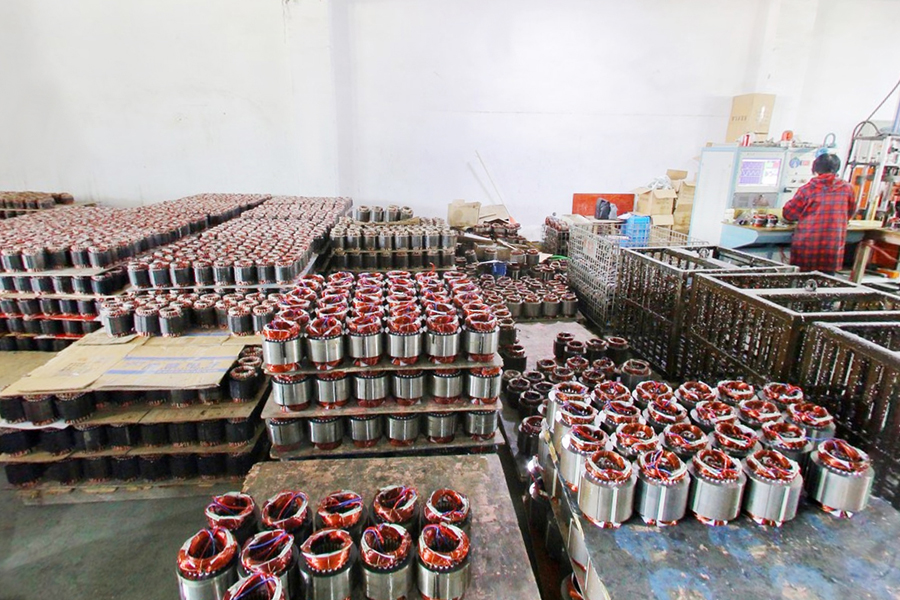
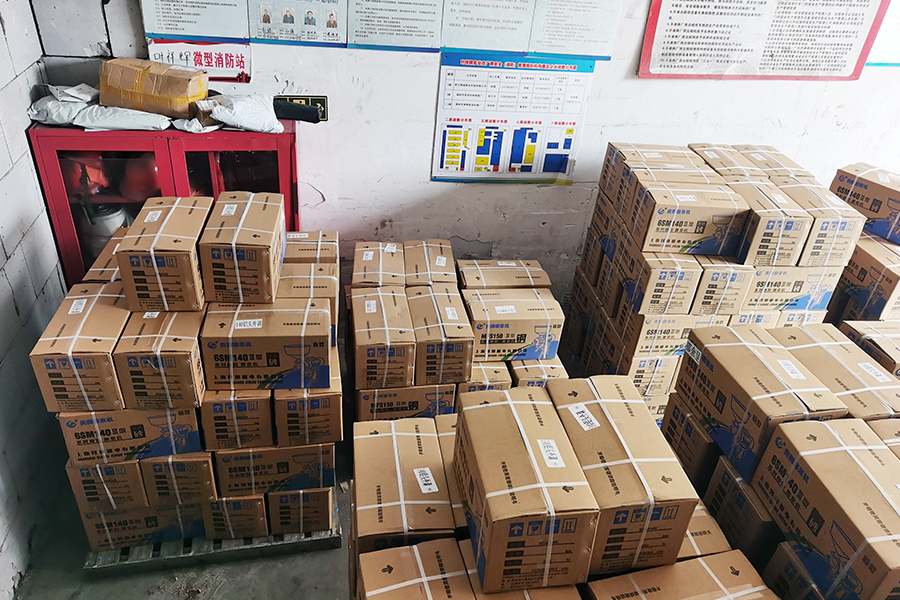

Asynchronous Motor Manufacturer



 English
 中文简体
中文简体