-
 [email protected]
-
 +86 15857619833
-
+86-18989628252
[email protected]
+86 15857619833
+86-18989628252

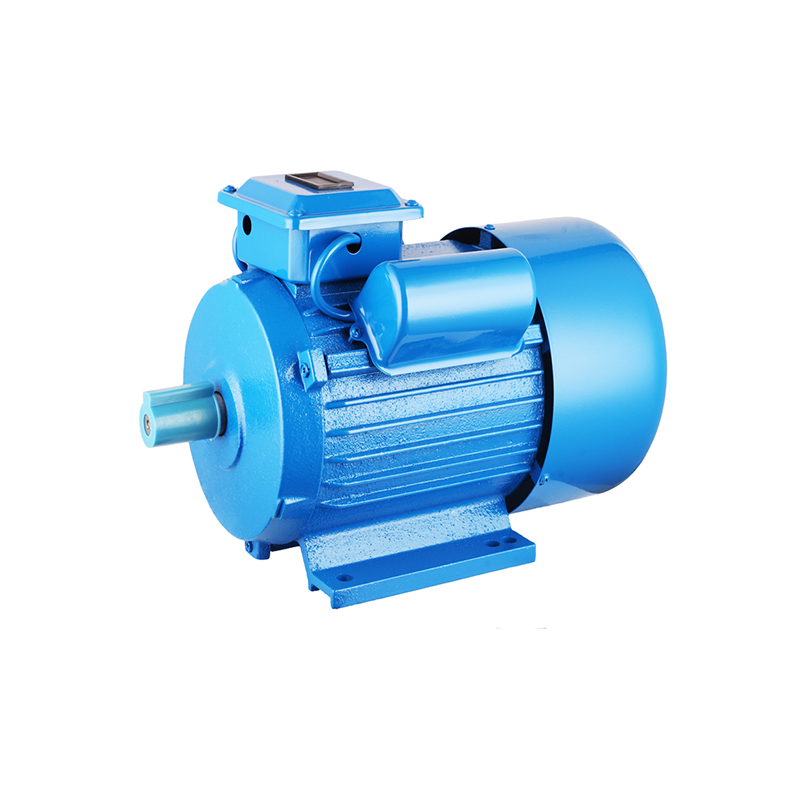
High-Torque Motor Technology Developments
Engineers are asking: What changes in motor architecture enable a High-Torque Motor to achieve far higher torque density than earlier models? Breaking from conventional radial-flux designs, some new architectures (e.g., axial-flux topologies) deliver up to four times the torque density for the same envelope size. These architecture shifts matter for applications where space, weight and torque all count.
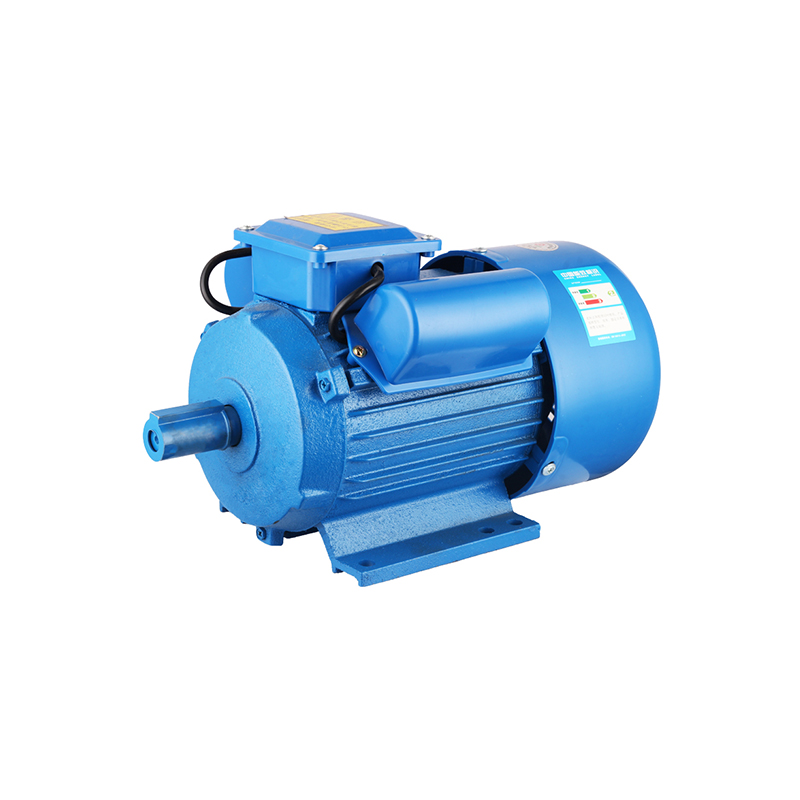
High-Torque Motor Performance Metrics
Another central question is: How should engineers compare the performance of a High-Torque Motor in terms of torque (Nm), rpm, power (kW), and size (kg)? For instance, in the “high torque stepper motor” market, the segment rated at 5–10 Nm dominates the current share, while the 10–15 Nm segment shows the fastest growth. Annual market size is around USD 1.21 billion in 2025, with projections reaching ~USD 1.94 billion by 2034. Engineers must examine torque-speed curves: higher torque at low rpm often comes at the cost of speed. A typical rule-of-thumb is that motor torque at stall or low speed should exceed required load torque by a safety margin of ~20-30 %.
Performance comparison: A motor that delivers 18.8 Nm in a package of 0.57 kg stands in contrast to standard servos of similar size delivering perhaps 4-5 Nm. That means for a given space and weight, the High-Torque Motor offers 3-4× torque. In industrial systems, that implies fewer gearing stages, lower cost, simpler integration.
High-Torque Motor Applications in Industry
From heavy machinery to precise robotics the demand for a High-Torque Motor is rising. Applications demanding high torque at low speed include conveyors, winches, robotic wrists, aerospace actuation, electric vehicle direct-drive systems and machine tools. One common engineering question: Can a High-Torque Motor handle load variations and rapid torque demand without risk of thermal or mechanical fatigue? The answer often rests on proper cooling, robust bearings and control strategy. Because torque output often trades off with speed, engineers must ensure the motor aligns to the specific duty cycle. In direct-drive machine tools, a motor rated for e.g. 15 Nm continuous at 100 rpm may outperform a 30 Nm motor rated only at 30 rpm when the application requires fast changes.
High-Torque Motor Challenges and Monitoring
A critical question from maintenance engineers: How can we monitor and ensure reliability of a High-Torque Motor under heavy duty loads? Key concerns include thermal management, bearing wear, vibration, alignment, and control harmonics. Some advanced High-Torque Motor systems integrate sensors and digital twin models to predict hot-spots, bearing fatigue or imbalance before failure. For example, AI-driven modeling shows promise in optimizing rotor and stator designs to reduce losses and increase torque density in synchronous high-torque motors. In practice, monitoring current draw, vibration amplitude and shaft temperature has become standard. If a motor rated for 10 Nm begins drawing 25 % more current under the same load, maintenance teams must suspect misalignment, increased friction or partial load mismatch. Vibration amplitudes rising by a small amount (e.g., 10 µm peak) may indicate bearing degradation. Early detection ensures the High-Torque Motor continues delivering performance without unexpected downtime.
Conclusion
The High-Torque Motor is a defining element of modern advanced motion systems and industrial machines. From new architectures that achieve higher torque density to rigorous performance metrics and advanced monitoring systems, engineers and buyers must evaluate torque, speed, size, cooling and integration carefully. In heavy-duty industrial use the right motor choice can reduce gearing, simplify control and lower lifetime cost. For future systems demanding high force, compact size and reliable continuous operation a High-Torque Motor offers a key competitive edge.



Asynchronous Motor Manufacturer



 English
 中文简体
中文简体