-
 [email protected]
-
 +86 15857619833
-
+86-18989628252
[email protected]
+86 15857619833
+86-18989628252

Grain moisture can change the way kernels behave once they enter a grinding chamber. A kernel that breaks readily under pressure may respond quite differently when it contains more water, since moisture can make the material softer and less brittle. Research on food grinding has shown that initial moisture condition can influence particle size, grinding energy, material flow, and other processing characteristics.
Such changes are easy to overlook during routine processing. Grain may look suitable for grinding from the outside, while its moisture condition still affects how it moves, breaks, and leaves the machine. A change in raw material condition can therefore appear as a machine problem even when the equipment itself has not changed.
Grinding depends on repeated mechanical action. Dry and relatively brittle kernels tend to fracture into smaller pieces when sufficient force is applied. Grain with greater moisture can become more flexible, allowing part of the applied force to deform the material rather than break it. Research on cereal grinding has associated higher moisture with larger ground particles and greater grinding energy requirements in many food materials.
Moisture also affects the way particles move through the grinding area. Dry material generally flows with less tendency to stick together, while damp material may become more cohesive. Once particles begin to gather around working surfaces or openings, normal material flow can change.
Several raw material conditions are worth checking before processing:
Checking grain before feeding can help distinguish a material issue from an equipment issue. A sudden change in grinding behavior does not necessarily mean a mechanical adjustment is needed. Raw material condition should be considered alongside machine settings and feeding behavior.
Moisture affects how much force a grain kernel needs to fracture. Water can alter the mechanical behavior of food materials, making them less brittle and more capable of deforming under pressure. Such behavior can influence both the size and shape of particles produced during grinding.
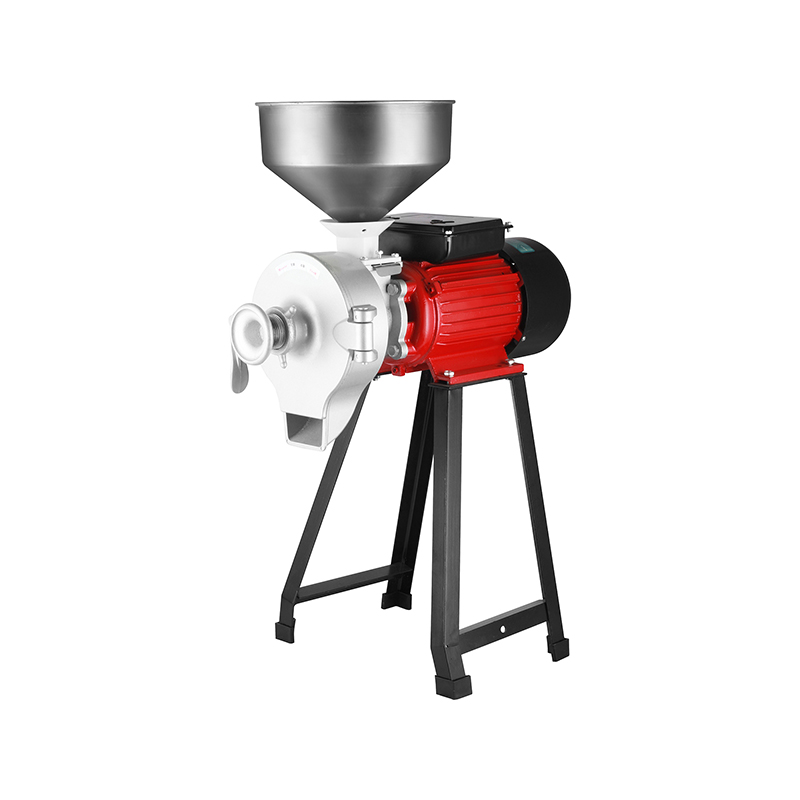
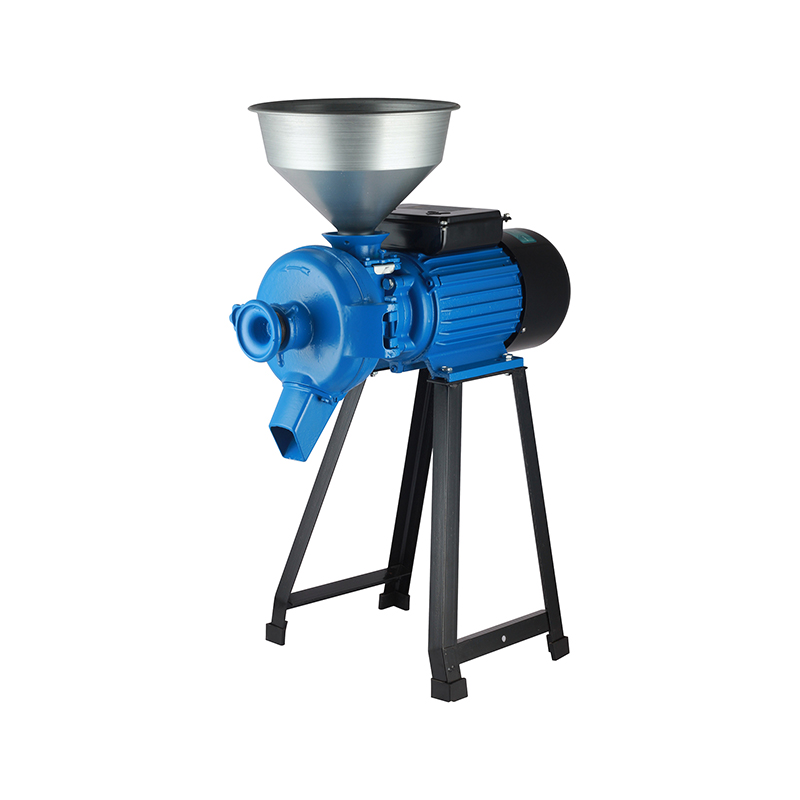
For a Commercial Grain Grinder Machine, changes in incoming grain can therefore affect the way material passes through the working area. A dry kernel may break into several pieces during contact with the grinding surface, while a damper kernel may resist fracture for longer and remain partly intact.
Material flow can change at the same time. Damp particles may gather together instead of separating naturally, creating a less consistent feed into the grinding chamber. An irregular feed can then produce variations in the amount of material being processed at any given moment.
Particle formation is also connected with moisture. Research involving cereal grinding has found that moisture content can influence particle size and particle size distribution, although the exact response varies with grain type and processing conditions.
Rather than treating moisture as a single fixed factor, operators can look at how it interacts with the complete grinding process:
| Grain Condition | Likely Grinding Behavior | Possible Processing Concern |
|---|---|---|
| Relatively dry and free flowing | Kernels fracture more readily | Fine material may increase |
| Slightly damp | Material may become less brittle | Grinding can require more effort |
| Uneven moisture | Kernels respond differently | Particle size may vary |
| Damp and clumped | Flow becomes less consistent | Material buildup may occur |
| Wet or sticky | Material may adhere to surfaces | Clogging and cleaning problems may appear |
No single moisture condition applies to every grain or grinding application. Grain type, intended particle size, machine design, feed rate, and processing method all influence the result. Moisture should therefore be considered together with the operating instructions for the equipment being used.
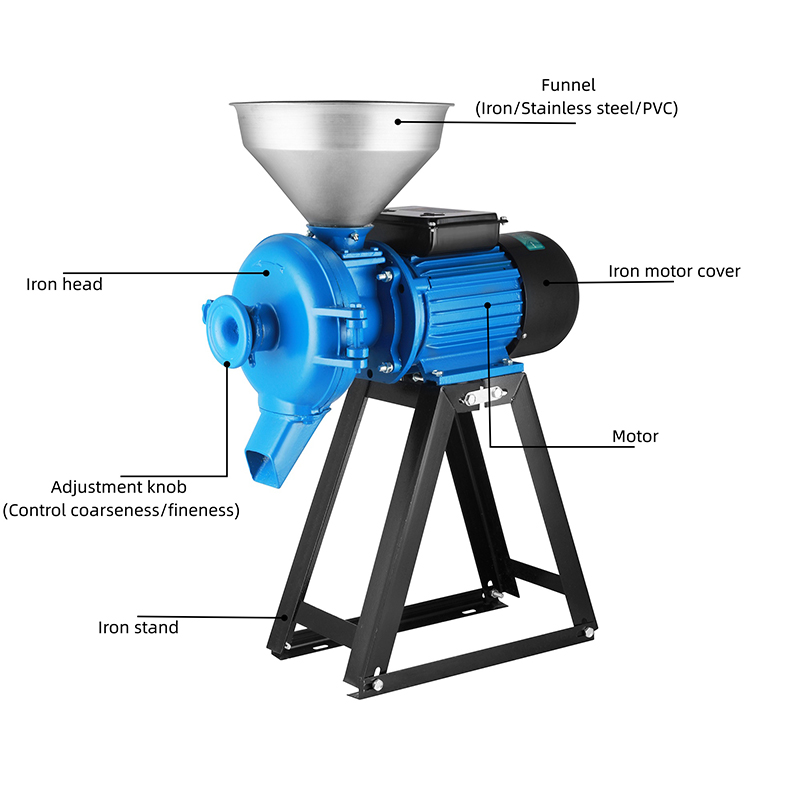
Clogging is one of the more noticeable problems associated with damp material. Moisture can increase cohesion between particles, allowing ground material to collect rather than move away from the grinding area. Agricultural processing guidance has also linked moisture released during grinding with clumping and screen blockage.
A blockage may begin with a small amount of residue. As more material reaches the same location, the buildup can become thicker and restrict the passage available for incoming and ground grain. Once normal discharge slows, additional material may remain inside the chamber, creating a cycle of accumulation.
Feeding behavior matters as well. When grain enters too quickly for the ground material to leave at a similar pace, clogging can develop even without excessive moisture. Higher moisture can make such a situation harder to manage because sticky material does not always move through the system as freely.
Common signs of moisture-related buildup include:
A clogged machine should not simply be forced to continue running. Accumulated material can increase resistance and make inspection more difficult. Following the equipment's shutdown and cleaning instructions provides a safer way to deal with restricted flow.
Cleaning frequency may also need attention when damp grain is processed. Residue that remains inside the grinding chamber can harden or collect additional material during later operation, making a small buildup harder to remove.
Heat is a natural part of mechanical grinding because some of the energy supplied to break and move grain is converted into heat. Moisture can influence how much mechanical resistance develops during processing, so grain condition can have an indirect effect on temperature changes inside the grinding area. Research on food grinding notes that mechanical energy is partly dissipated as heat during size reduction.
Damp grain may require more mechanical effort to fracture, especially when moisture makes kernels more flexible. Sticky material can also remain against working surfaces longer, increasing contact and restricting normal material movement.
Air movement can play a useful role in managing heat and moisture inside some grinding systems. Agricultural machinery guidance notes that suitable airflow can help remove accumulated moisture and reduce temperature rise during grinding.
Unusual warmth should therefore be treated as a condition worth checking rather than simply accepted as part of normal operation. Several factors may contribute to heat:
A temperature change by itself cannot identify the cause. Looking at moisture condition, material flow, buildup, and machine behavior together gives a clearer direction for inspection.
Particle uniformity depends on how consistently grain enters the grinding area and how consistently kernels fracture. Moisture can interfere with both parts of the process.
When kernels have different moisture conditions within the same batch, their response to mechanical force may vary. Drier pieces can fracture readily, while damper pieces may deform or remain larger for longer. Such differences can contribute to a wider range of particle sizes.
Grinding research has repeatedly connected moisture condition with changes in particle size and grinding behavior, although results can vary according to grain type and equipment configuration.
Feeding consistency adds another layer. A steady flow allows the grinding chamber to receive material in a relatively predictable manner. Clumped grain can enter unevenly, creating periods of heavier and lighter material flow.
For operators, uneven particle size can provide an early clue that raw material condition needs attention. A change in output should be considered alongside the grain's moisture, feeding behavior, and the condition of the grinding surfaces rather than being attributed to one factor immediately.
Particle size also matters because different processing applications require different degrees of grinding. When moisture changes the way kernels fracture, achieving a consistent output may require closer attention to the raw material before processing begins.
Moisture can influence equipment load through changes in how grain breaks and moves. When kernels become less brittle, more mechanical force may be needed before they separate into smaller particles. Material that sticks around the grinding area can create another source of resistance, especially when discharge becomes less free.
For a Commercial Grain Grinder Machine, such changes may appear through altered sound, slower material movement, or a noticeable change in operating behavior. Load should not be judged from one sign alone because feeding rate, grain type, particle size requirements, and machine condition can also affect the amount of work required.
Clogging can make the situation more difficult. As material accumulates, fresh grain continues entering the working area while processed material leaves more slowly. Resistance may rise as the available passage becomes restricted. A prolonged buildup can place additional stress on moving parts and increase heat.
Uneven feeding creates another pattern. A large amount of grain entering at once can produce a temporary increase in resistance, followed by a lighter period when the supply drops. When damp material tends to form lumps, such variations can occur more easily.
A simple observation routine can help identify changes:
Such observations do not replace equipment inspection. They can, however, help indicate when moisture and feeding conditions deserve closer attention.
Preparation begins before grain reaches the feed opening. Clean material with a reasonably consistent condition is easier to handle than a batch containing foreign material, wet clumps, or noticeable differences between individual portions.
Moisture should be considered according to the grain and intended grinding process. No single condition works for every application because different grains respond differently to mechanical force. Processing guidance for cereal grains also notes that moisture adjustment can influence grinding behavior and particle characteristics. (fao.org)
Visible water or heavily damp material deserves attention before processing. Feeding wet grain directly into equipment may increase sticking and residue, while unevenly conditioned grain can produce inconsistent grinding behavior.
Preparation can include:
Cleanliness is important for another reason. Foreign material can affect grinding surfaces independently of moisture, making it harder to identify the actual cause of a change in performance.
Raw material should also be stored in conditions that help prevent unwanted moisture changes. Grain that begins in a suitable condition can absorb moisture during poor storage, while material moved between different environments may experience changes that are not immediately visible.
A grinding machine responds to the material placed inside it, so changes in grain condition can produce changes in operation even when machine settings remain unchanged. Grain hardness, moisture, size, cleanliness, and feeding behavior all influence how the working parts interact with incoming material.
A Commercial Grain Grinder Machine needs a reasonably controlled feeding process when consistent output is required. Feeding too quickly can create temporary material buildup, while feeding too slowly may reduce the continuity of grinding.
Moisture can make feeding more difficult because damp particles may cling together. Operators may then notice uneven movement at the feed opening or changes in the amount of material leaving the machine.
Cleaning access also becomes important when damp grain creates residue. Material that remains around screens, passages, or grinding surfaces can affect later processing, especially when it dries and hardens.
Equipment instructions should guide operating adjustments, cleaning, and inspection. Making large changes based only on the appearance of the finished material can create another variable without addressing the underlying cause.
A better approach is to compare several conditions at once:
Looking at the complete process makes it easier to distinguish a raw material change from a mechanical problem.
Material used for equipment surfaces can influence cleaning and routine maintenance, especially where grain comes into regular contact with the working area. A Stainless Steel Grain Grinder is often considered in food processing environments where surface cleanliness and moisture exposure need regular attention.
Moist grain can leave more residue than dry, free-flowing material. Once residue remains around the grinding area, additional grain may attach to it, creating a layer that becomes harder to remove. Cleaning after processing can therefore become more important when damp material has been handled.
Surface condition should also be checked during maintenance. Scratches, residue, corrosion, loose parts, or damaged sections may affect cleaning and operation independently of grain moisture.
Routine care can include:
Moisture management is not simply a question of keeping the grain dry. Equipment itself needs suitable cleaning and storage conditions so that water and residue do not remain around working areas.
Moisture-related changes often appear through several small signs rather than one obvious fault. A shift in particle size may occur alongside increased buildup, altered sound, or slower discharge.
A useful set of warning signs includes:
No single symptom confirms that moisture is responsible. A worn grinding surface, incorrect feeding, foreign material, or another mechanical condition can create similar behavior. Checking the grain condition alongside equipment performance gives a more reliable direction for further inspection.
Preventive handling begins with raw material preparation. Grain should be checked before entering the grinding process, especially when storage conditions or surrounding humidity have changed.
Steady feeding can also help. A controlled flow gives material more consistent movement through the grinding area and reduces sudden accumulation. Damp grain may still require extra attention, although good feeding practice can prevent some avoidable blockages.
Cleaning should follow the equipment's maintenance instructions. Removing residue before it hardens can make later cleaning easier and reduce the chance of old material affecting a new batch.
Operators can keep a simple record of changes in:
Patterns can become easier to recognize when observations are made regularly. For example, repeated changes in particle size after grain has been stored in a humid area may point toward raw material condition rather than a sudden equipment fault.
Inspection should continue after grinding stops. Looking at the finished material provides information about how the process behaved, while checking the machine can reveal residue that may influence later batches.
Particle consistency can be assessed by observing whether the ground grain has a reasonably similar appearance throughout the batch. Noticeable clumps or large pieces may suggest changes in moisture, feeding, or grinding conditions.
Inside the equipment, accumulated material should receive attention. Damp residue can remain around working surfaces and discharge areas, especially when material has not moved through freely.
A post-processing check can include:
For grain processing, moisture is closely connected with material behavior. It can influence how kernels fracture, how particles move, how easily buildup forms, and how much mechanical effort the grinding process requires. A Stainless Steel Grain Grinder still depends on suitable raw material preparation and routine cleaning, while operators using a Commercial Grain Grinder Machine need to consider grain condition alongside feeding and equipment status.

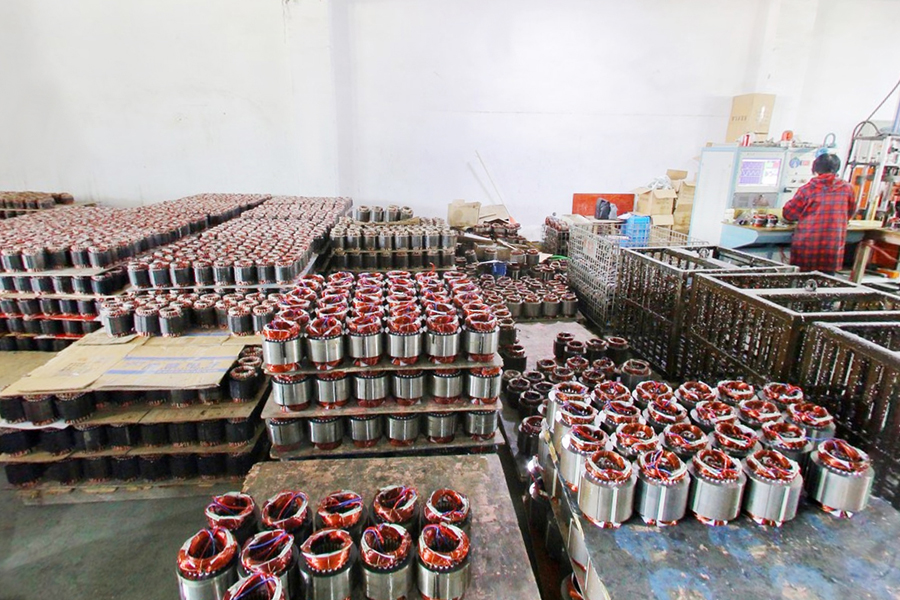
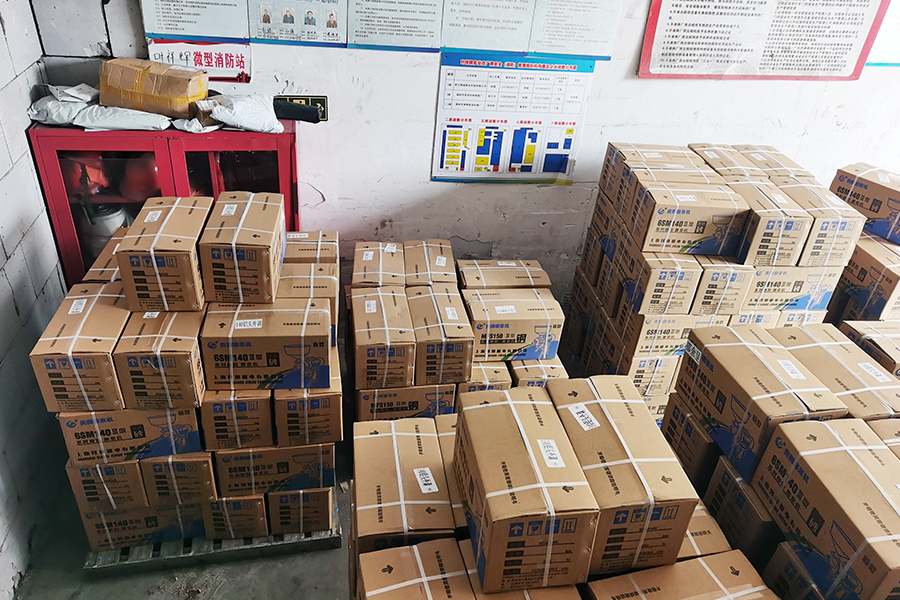

Asynchronous Motor Manufacturer



 English
 中文简体
中文简体