-
 [email protected]
-
 +86 15857619833
-
+86-18989628252
[email protected]
+86 15857619833
+86-18989628252

In grain processing work, grinding condition often shapes how smoothly materials move into later steps. A change in particle size can alter texture, mixing behavior, and overall handling, so stable output matters in everyday operation rather than only at the end of the line.
Grinding consistency rarely comes from one factor alone. Grain condition, equipment state, feeding rhythm, and operating habits all leave a mark on the final result. When any one of them shifts, the output may change in ways that are easy to notice during production.
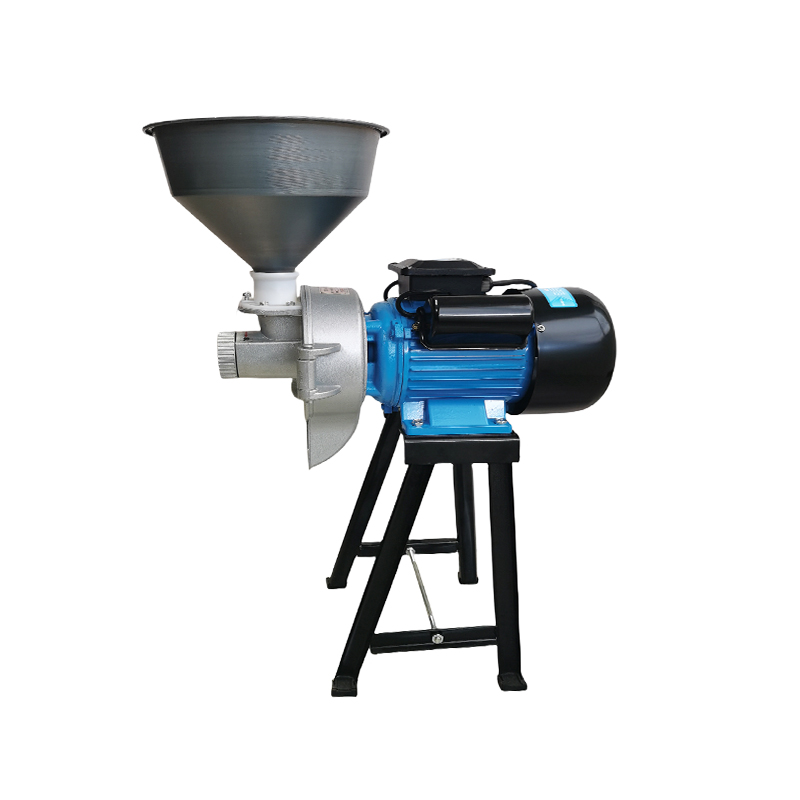
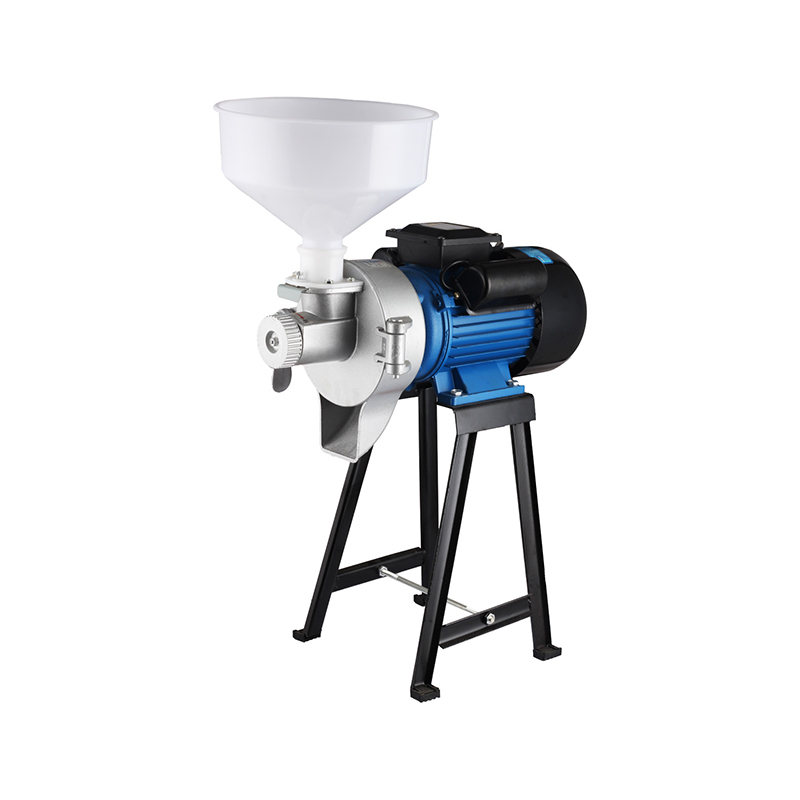
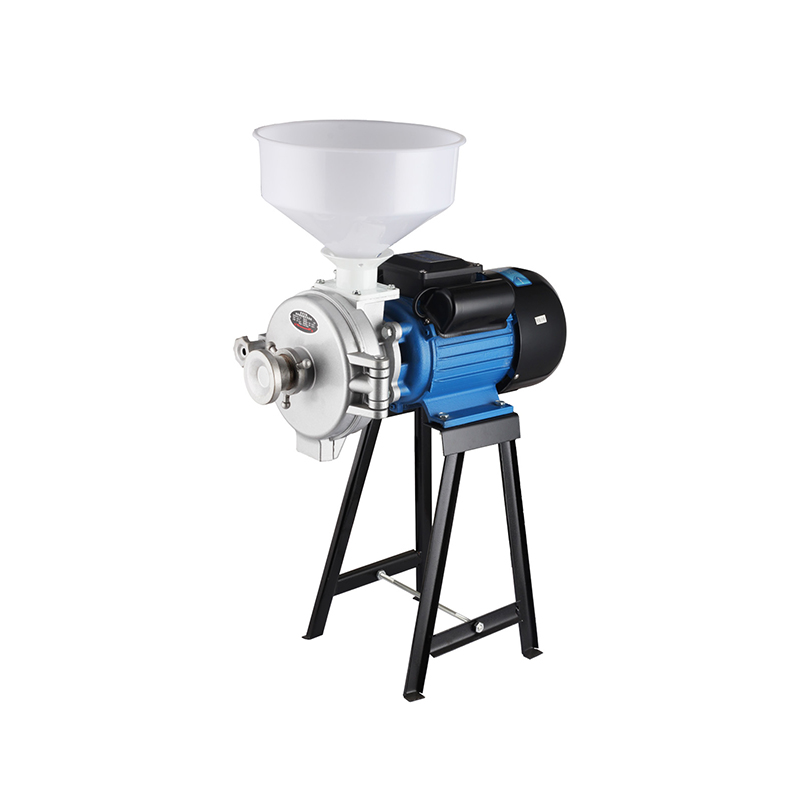
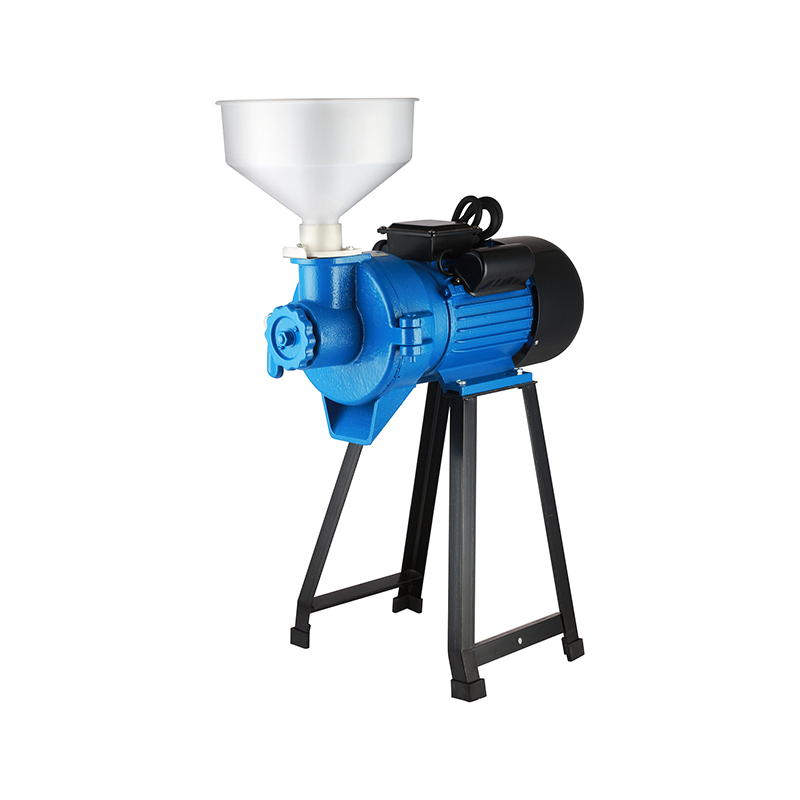
A Commercial Grinding Machine For Grain works best when material condition and operating control stay in balance. Once grain properties and machine settings move out of step, even a small change can show up in particle uniformity, flow, or processing stability.
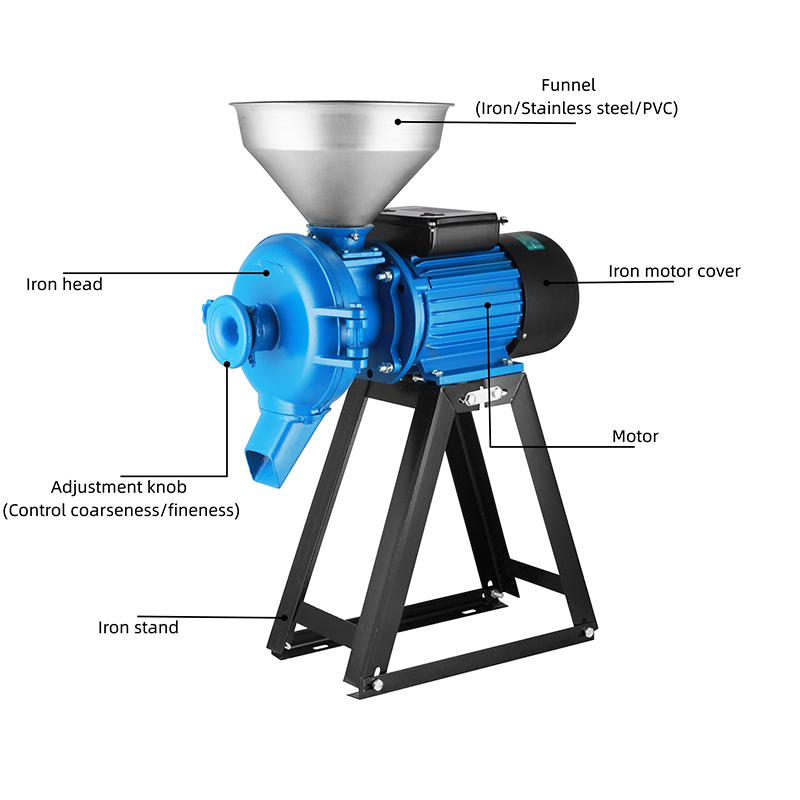
Consistent grinding gives grain materials a more even form, which helps later operations run with fewer surprises. Mixing becomes easier to manage, texture stays steadier, and material behavior remains more predictable from one batch to another.
Different uses call for different particle needs. Some processes work better with finer output, while others need a rougher feel or a less processed structure. When grind quality swings too widely, later handling may become uneven, and operators may need extra adjustment to keep production on track.
A few common results of unstable grinding are easy to spot:
Grinding consistency is not only about appearance. It also affects how grain behaves once it leaves grinding equipment, which is why operators often watch output quality together with feeding condition and machine response.
Grain does not enter processing in one fixed state. Moisture, hardness, size, and structure can differ from one load to another, and each of those differences may change how the material breaks apart.
Moisture is one of the clearest factors. Grain with more moisture often behaves softer, so its movement through grinding areas can change. Output may look less even, especially when material condition varies within the same batch.
Drier grain often behaves in another way. Harder material may break with a different pattern, and the result can shift if operating settings stay unchanged. A setup that works smoothly for one material condition may not hold the same result when grain becomes harder or more brittle.
| Grain Condition | What May Happen During Grinding | Practical Handling |
|---|---|---|
| Higher moisture | Flow may become less stable | Check condition before processing |
| Harder grain | Breakdown may change in pattern | Adjust machine setup carefully |
| Uneven grain size | Feeding may become irregular | Keep material preparation more even |
| Mixed material state | Output may vary across batches | Match operation to grain condition |
Grain type also matters. Different crops or feed materials do not react in the same way once they enter grinding equipment. Some release particles with less effort, while others need more controlled handling. That is why steady output usually depends on matching the process to the material, not on relying on one fixed setting for every job.
Even when grain stays similar, machine condition can still shift the result. Internal grinding parts change over time, and wear may affect how materials move, contact, and break apart inside the equipment.
When parts begin to wear or residue builds up inside the working area, grinding behavior may drift. Output can become less even, and the machine may need more attention to keep the same processing feel from one run to the next.
Daily checks help keep that drift under control. Operators often look at a few basic points:
Cleaning matters as much as inspection. Grain left inside the machine can change how fresh material moves through the system, and that can affect output without any obvious warning. Keeping the working area clear helps grain travel through the process in a more stable way.
A Commercial Grinding Machine For Grain depends on both structure and care. Good equipment design helps, yet regular use still shapes how well the machine holds its grinding pattern over time.
Internal design affects the path grain follows through the equipment. Feeding route, working space, component layout, and discharge behavior all influence how long material stays in the grinding zone and how evenly it is processed.
When movement through the machine is too quick, some grain may leave before it has been processed enough. When movement slows too much, material may stay longer than needed and create a different particle mix. In either case, uniform output becomes harder to maintain.
Machine structure usually affects several practical points:
A well-matched structure does not remove all variation, yet it can reduce unnecessary fluctuation. Once machine form fits the work it has to do, daily operation becomes easier to hold steady, and adjustment during production becomes less demanding.
Feeding control often decides whether grain moves through processing at a steady pace or enters in a way that keeps changing the working condition inside the equipment. Once the feed becomes uneven, the amount of grain inside the grinding area can rise and fall from moment to moment, and that shift usually shows up in the particle result, the flow pattern, and the overall steadiness of output.
A stable feed does not only mean keeping material moving into the machine, because the way grain enters also affects how long it stays under grinding action and how evenly internal parts handle the load. When grain comes in too quickly, contact space inside the working area becomes limited and some material may leave before receiving the same level of processing as other portions. When feed drops too low, working conditions change again, and the machine may no longer behave in the same way as it did under normal supply.
In daily operation, stable feeding usually depends on material preparation, flow control, and a clear view of how grain behaves before it reaches the grinding zone. Grain that arrives in a more even state tends to pass through the equipment in a calmer way, while irregular feed often creates small differences that are easy to see in the final output. For grain processors, feeding is not a side detail; it shapes the rhythm of the whole grinding process.
Grinding quality changes when operating conditions shift, even when grain type and equipment remain unchanged. Adjustment settings, working pace, and daily handling style all leave a mark on the final output, and a machine that behaves steadily under one condition may give a different result once those conditions change.
Adjustment matters because grain does not react in the same way all the time. Moisture, hardness, and internal structure may vary from one batch to another, so a fixed setting is not always enough to hold the same particle result. When settings are looser than needed, some grain may pass through without enough processing; when settings are tighter than needed, material may become finer or more uneven than expected.
Processing speed also shapes the final condition of grain particles. A steady pace gives material a more predictable path through the grinding area, while sudden changes in speed can disturb that path and create small but visible differences in output. Along with speed, handling habits matter as well, since repeated changes in operation often make particle control harder to manage.
A Commercial Grinding Machine For Grain performs with more stability when operating conditions stay close to the material requirement instead of changing without a clear reason. Output quality usually improves when adjustment, speed, and handling stay in line with the material being processed.
Maintenance has a direct connection with stable grinding because every working part inside the equipment changes gradually during long use. Internal surfaces collect residue, contact areas wear down, and small changes that seem minor at the beginning may become visible in output once they start affecting material movement.
Cleaning is one of the clearest parts of maintenance work. Grain residue left in internal spaces can change how fresh material moves through the machine, and once that flow becomes irregular, output consistency may shift as well. Inspection matters in the same way, since changes in sound, vibration, or discharge condition often appear before larger problems become obvious.
Regular maintenance usually includes attention to working parts, discharge areas, and places where grain tends to stay behind after operation. When those areas remain clean and functional, the grinding process usually holds a steadier pattern. Once wear or buildup starts to interfere with movement, output can change even if other conditions remain stable.
Long-term use without routine care often leads to more correction during production, while regular upkeep gives the machine a more stable base to work from. In grain processing, that stability often matters more than any short-term adjustment.
Environmental conditions around grain handling and processing can influence how materials behave before grinding even begins. Temperature, humidity, storage condition, and the general state of the working area all affect grain in different ways, especially when materials remain exposed for a period before use.
Humidity can change the way grain absorbs or releases moisture, and once material condition shifts, grinding behavior may also shift. Grain that has taken in extra moisture can respond differently from grain that has stayed dry and firm, so the state of storage and handling becomes part of the processing result. Clean working conditions matter as well, because dust, residue, and poor storage habits can make material preparation less stable.
Environmental control is not about removing every possible change from the process. Instead, it reduces unnecessary variation so that grain enters the equipment in a more manageable condition. When the surrounding environment stays more controlled, equipment operation becomes easier to predict, and output tends to remain closer to the expected range.
Stable grinding often comes from a combination of careful preparation, close observation, and steady operating habits rather than from one single adjustment. Grain condition should be checked before processing starts, since moisture level, texture, and size distribution all affect how the material will behave once it enters the grinding area.
During operation, small changes in output, flow, or machine response can signal that conditions inside the process have shifted. Paying attention to those changes allows adjustment before the result drifts too far from the expected state. Regular checks on material feeding, internal cleanliness, and working condition help keep the process under control.
Practical control usually grows from a few simple habits: preparing grain in a more even state, keeping feed movement stable, checking equipment condition on a routine basis, and making adjustments in step with material changes. When those parts work together, the process becomes easier to hold in a steady range, and output differences are less likely to build up without notice.
Stable grain processing depends on the way material, equipment, and operating routine interact throughout the workday. Grain condition affects breakdown behavior, machine structure shapes material movement, feeding control changes workload, and maintenance keeps the system ready for continuous use. Once those parts stay in balance, grinding output becomes easier to manage and less likely to shift without warning.
A Commercial Grinding Machine For Grain works with greater steadiness when operation follows material condition rather than relying on fixed habits alone. In many grain operations, the real cause of unstable output comes from small changes that build over time, not from one obvious fault. Careful preparation, steady feeding, regular inspection, and reasonable adjustment give the grinding process a more stable base, which is often what keeps daily production moving in a predictable way.

Asynchronous Motor Manufacturer



 English
 中文简体
中文简体