-
 [email protected]
-
 +86 15857619833
-
+86-18989628252
[email protected]
+86 15857619833
+86-18989628252

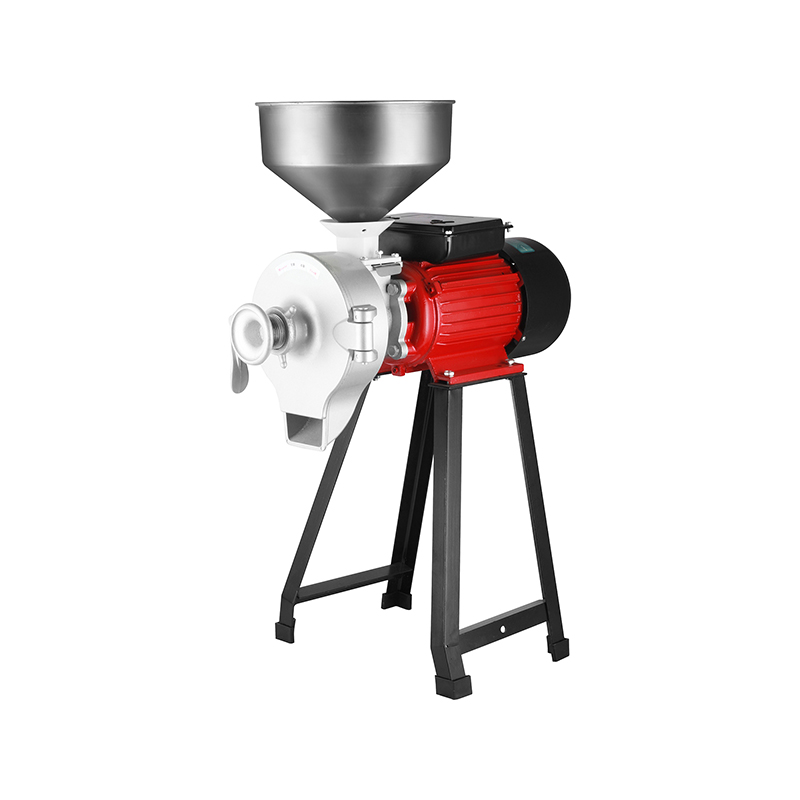
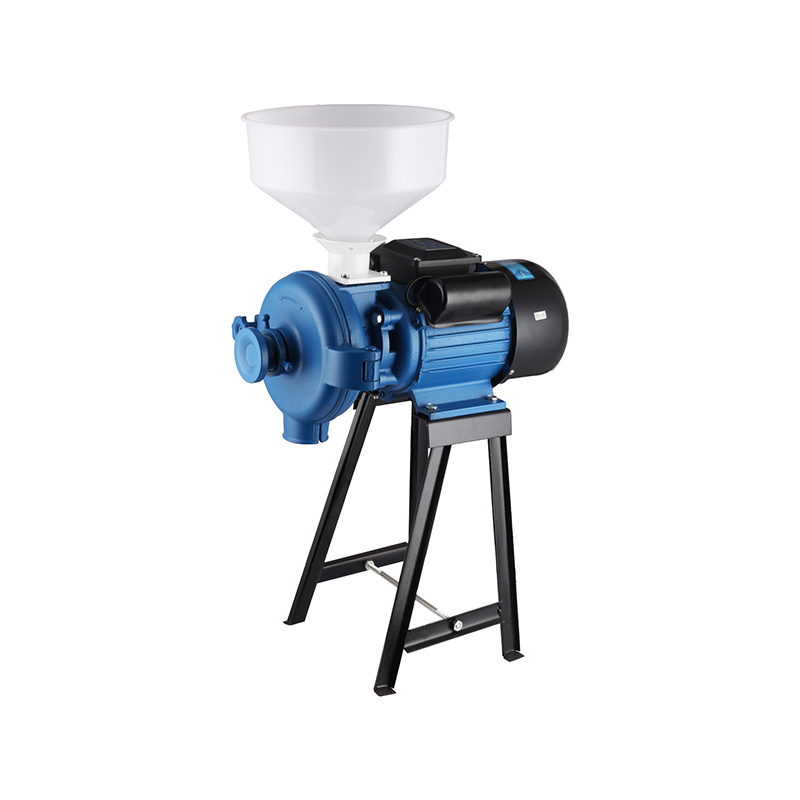
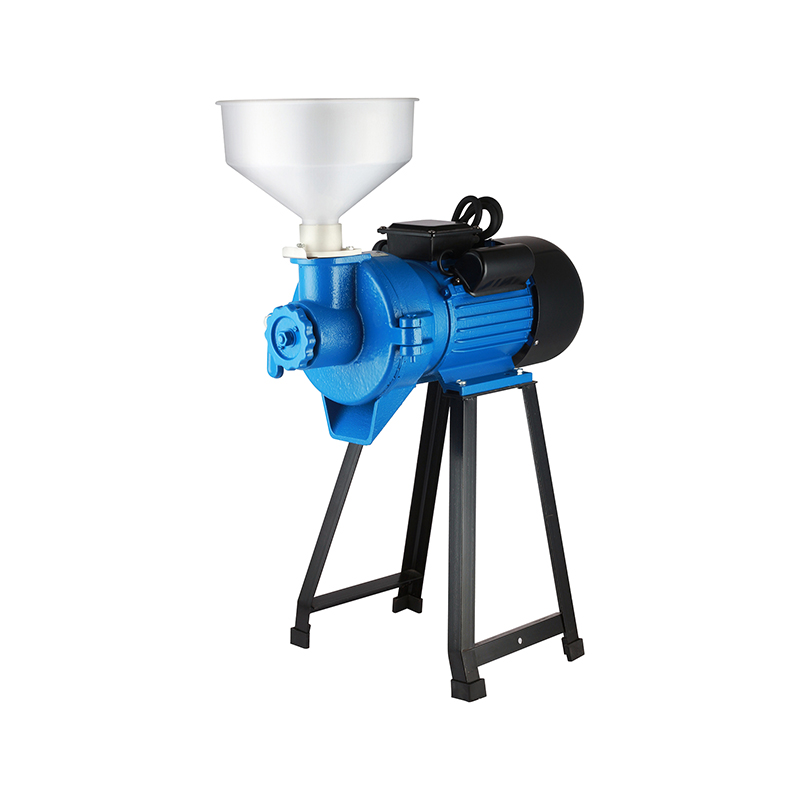
A baker pours wheat berries into the hopper, runs the mill for a few minutes, and finds the flour slightly warm in the bowl. That warmth is a normal result of friction, and it raises a fair question about what heat does to freshly milled flour. An Electric Home Grain Mill turns whole grain into flour on demand, which gives bakers control over texture and freshness. The grinding process also produces heat, and how much depends on the machine, the grain, and the way it is used.
A warm batch does not automatically mean damaged flour. Understanding where heat comes from and how to manage it helps preserve the aroma and character that make home milling worthwhile.
Grain passes through components that apply pressure, friction, or impact, and mechanical energy turns partly into heat. Several factors shape the amount:
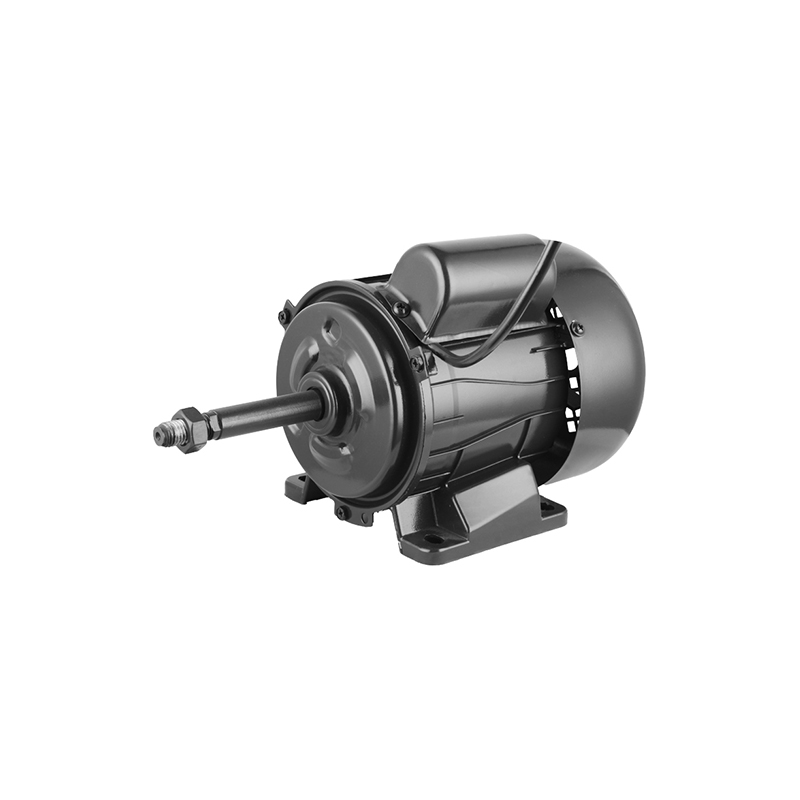
These factors work together. The motor also contributes, since a machine under heavy load warms the motor and chamber area. If the housing lets heat escape poorly, temperature builds gradually during long sessions. Ventilation pathways carry warm air away from internal parts and reduce accumulation.
Heat can influence aroma, some nutrients, enzyme activity, and baking behavior. The effect depends on the temperature reached, the length of exposure, the grain, and what happens after milling.
Whole grain contains vitamins, minerals, fiber, protein, and natural oils. Some heat-sensitive vitamins may respond to prolonged warmth, while minerals and fiber behave differently. The practical aim is to avoid unnecessary temperature rise instead of assuming every warm batch has lost value.
Freshly ground wheat smells distinctive, and excessive heat can alter some aroma compounds. Grinding only what the recipe needs, keeping components clean and dry, and avoiding long exposure to warm air all help.
Temperature is only part of the story. Particle size, starch damage, grain composition, and bran content also decide how flour behaves with water. Fine flour makes a different dough from coarse flour, and retained bran changes water absorption and crumb structure.
| Flour Characteristic | Possible Influence | What Bakers May Notice |
|---|---|---|
| Aroma | Changes in volatile compounds | Different grain fragrance |
| Nutrients | Sensitivity of some components to heat | Changes in heat-sensitive vitamins |
| Enzyme activity | Temperature-dependent | Differences in dough behavior |
| Particle size | Different absorption | Changes in dough texture |
| Starch condition | Mechanical processing effects | Differences in baking results |
Chamber shape, motor placement, grinding components, and ventilation determine how grain moves and how energy is applied.
A stone mill passes grain between grinding surfaces, and the gap sets the texture. An impact mill uses fast-moving parts to break grains through repeated strikes. Neither mechanism is automatically cooler or hotter. Actual temperature depends on the full machine design, operating conditions, grain, and airflow.
| Consideration | Stone Mill | Impact Mill |
|---|---|---|
| Mechanism | Contact between grinding surfaces | Repeated impacts |
| Texture adjustment | Grinding gap and design | Machine settings |
| Heat source | Friction and grinding pressure | Impact speed and load |
| Upkeep | Attention to grinding surfaces | Attention to internal parts |
A well-shaped chamber supports steady grain movement without extra resistance, and an open internal layout allows air to circulate. Separating heat-producing parts from the flour path also helps. When evaluating a mill, ask whether the motor housing is ventilated, whether the chamber airflow is considered, whether the machine suits continuous or intermittent use, whether cooling guidance appears in the manual, and whether internal parts can be reached for cleaning.
Longer sessions let heat accumulate in both the machine and the flour, especially with hard grain or heavy loads. The relationship is not simply proportional, because design, feeding, and cooling capacity all play a part.
A large batch for several loaves asks more of the mill than a cup for pancakes. To manage longer sessions, follow the recommended operating cycle, keep the hopper within the stated limit, split large jobs into batches, allow rest periods when the instructions call for them, and stop if sounds or motor behavior change.
Grind setting matters too. Cakes and soft sandwich bread often call for finer flour, while rustic loaves keep more grain character from a coarser texture. Finer grinding may need more mechanical work or an extra pass, so choosing the coarsest setting that suits the recipe avoids needless milling. Porridge works with coarse meal where the machine supports it.
Flour can feel warm straight from the mill, but touch is unreliable. A food thermometer gives a clearer reading. For consistent comparisons, collect flour right after grinding, measure promptly, note the grain and setting, and compare batches under similar conditions.
A burnt smell points to a problem with the machine or the milling process, so stop and inspect the appliance according to the manual. Clumping, uneven particles, or visible residue often indicate moisture, uneven feeding, or maintenance needs rather than heat alone. No single sign proves that flour was exposed to damaging heat.
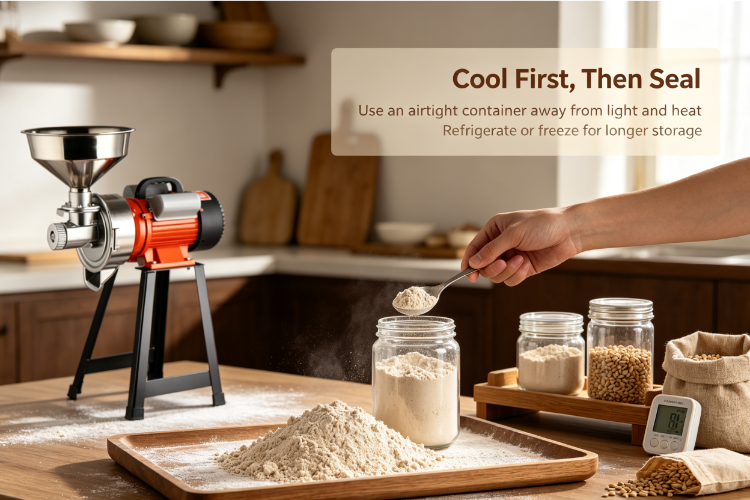
Grinding exposes the inside of the grain to air. Whole-grain flour keeps the germ, whose natural oils can oxidize and affect flavor over time.
Small habits make milling more consistent:
A mill should match how a household bakes. Motor power matters, though it does not alone decide temperature or flour quality. Grinding mechanism, chamber design, grain flow, and ventilation all contribute, and a motor should handle the intended workload without running past its recommended capacity.
Texture control deserves attention as well. Someone baking whole-wheat bread needs different settings from someone making pastry, and the mill should suit the grains planned. Finally, consider everyday upkeep, including access to the grinding chamber, ease of removing residue, clear cleaning instructions, housing design, guidance on continuous operation, and available maintenance support.
An Electric Home Grain Mill is best judged by its grinding mechanism, heat management, ease of maintenance, and ability to produce flour for different recipes, not only by speed. Readers interested in available grinding features and machine construction are welcome to explore the product range and choose a mill that fits their grains, recipes, and household milling habits.

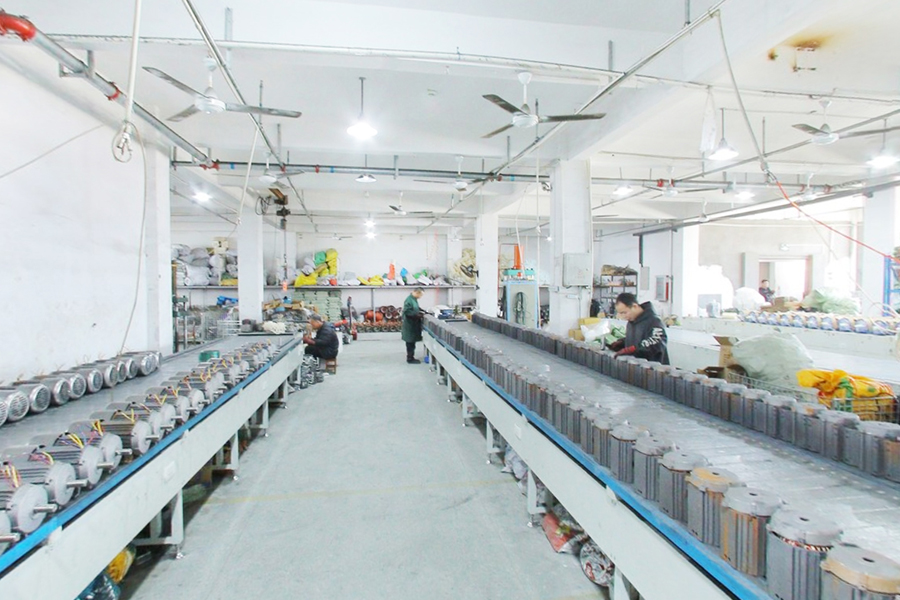
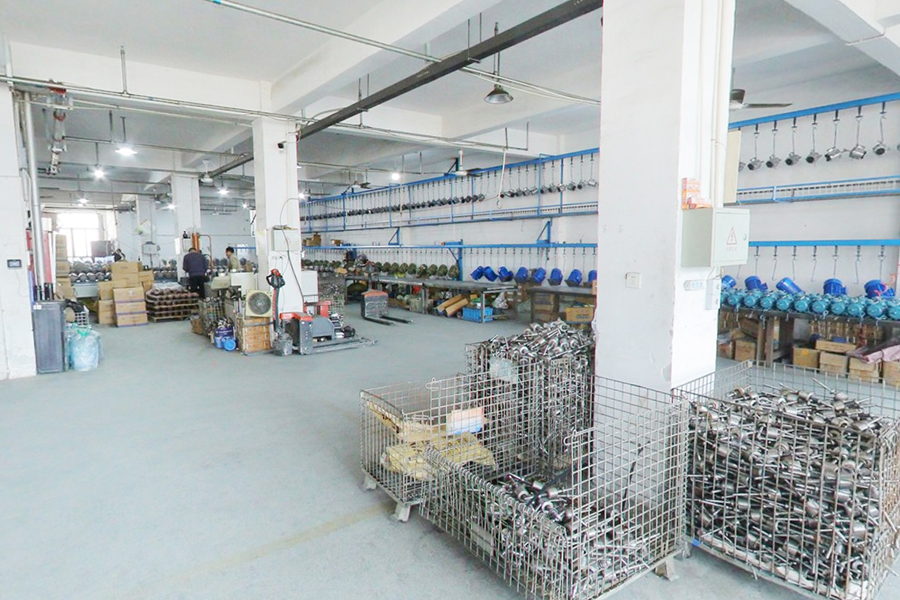
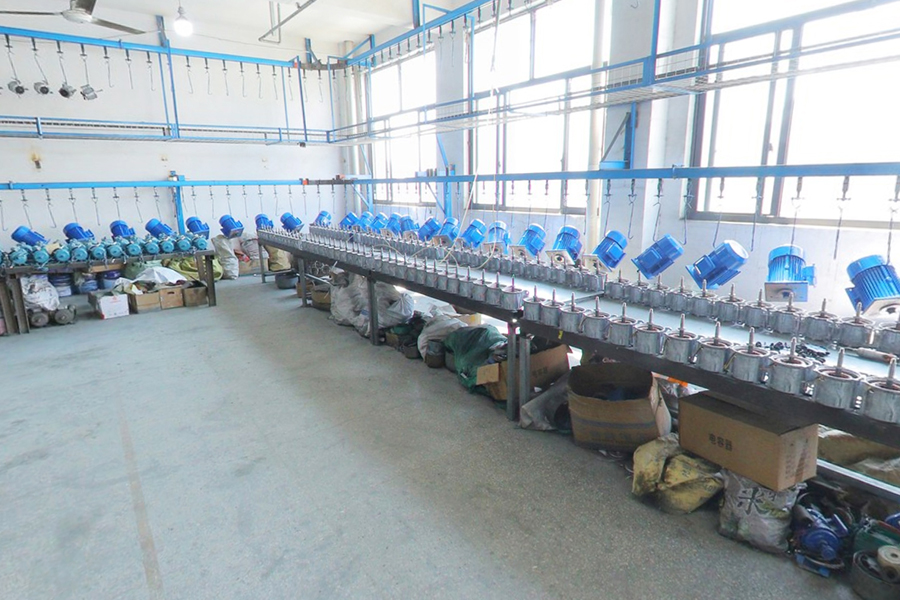
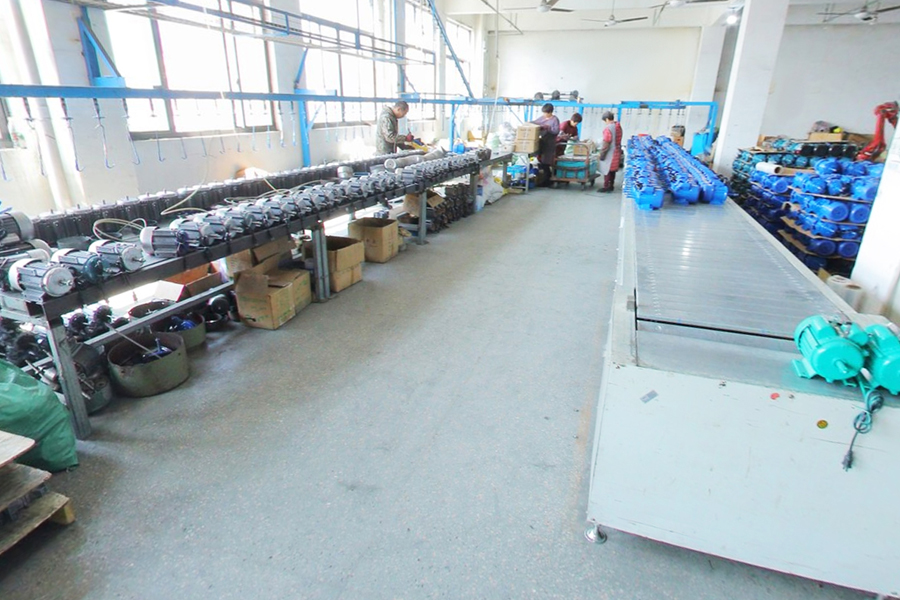
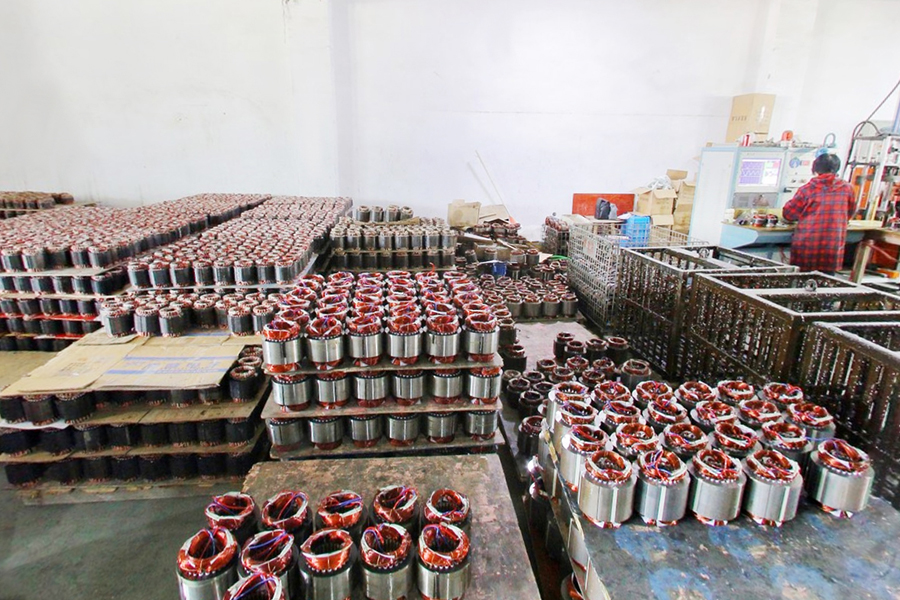
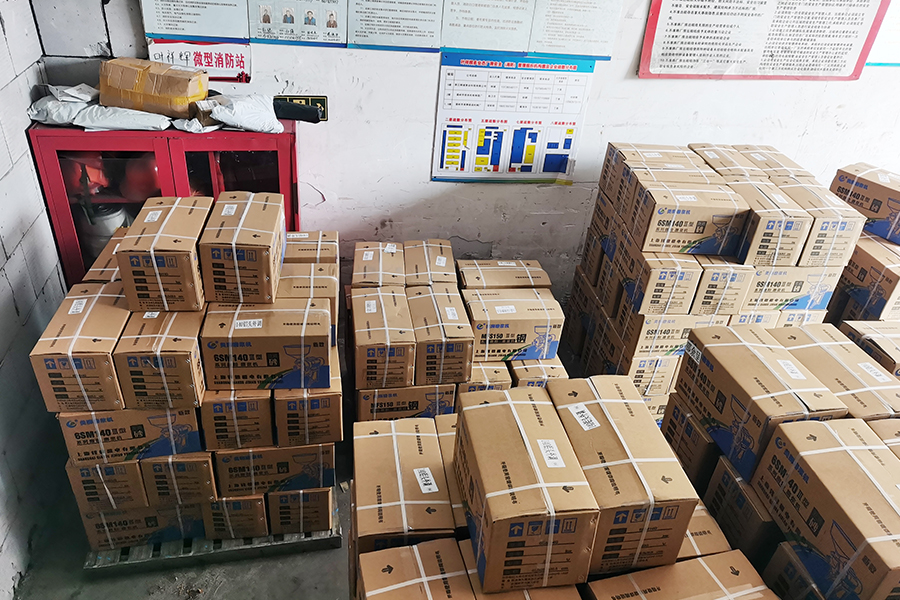

Asynchronous Motor Manufacturer



 English
 中文简体