-
 [email protected]
-
 +86 15857619833
-
+86-18989628252
[email protected]
+86 15857619833
+86-18989628252

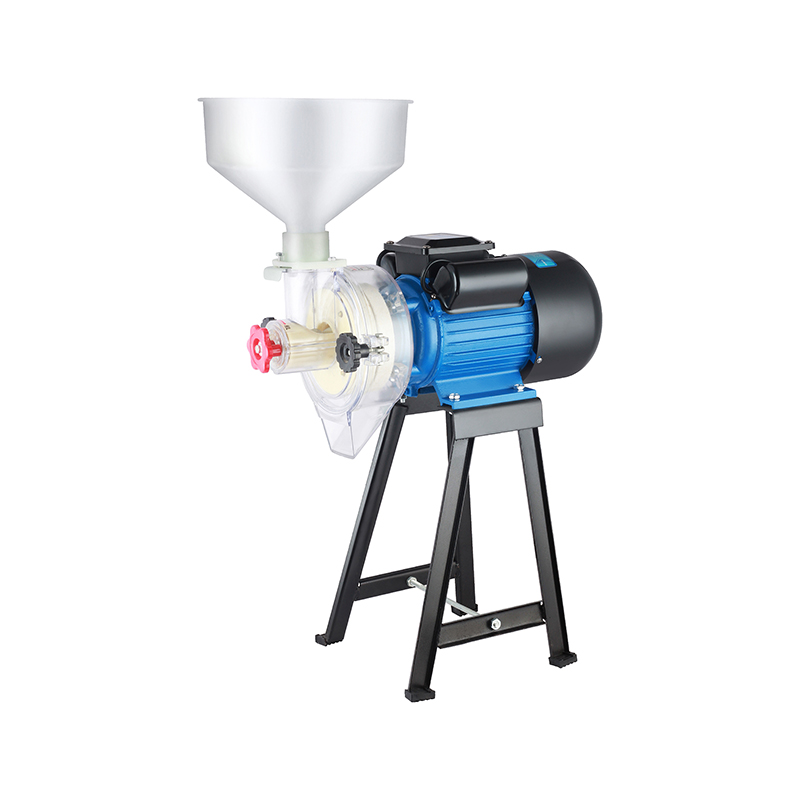
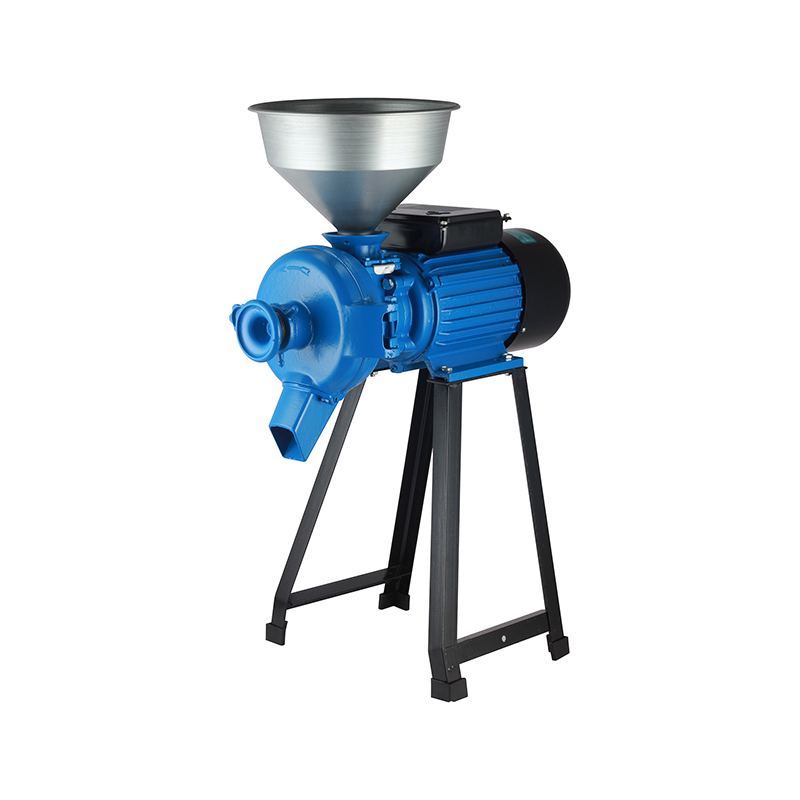
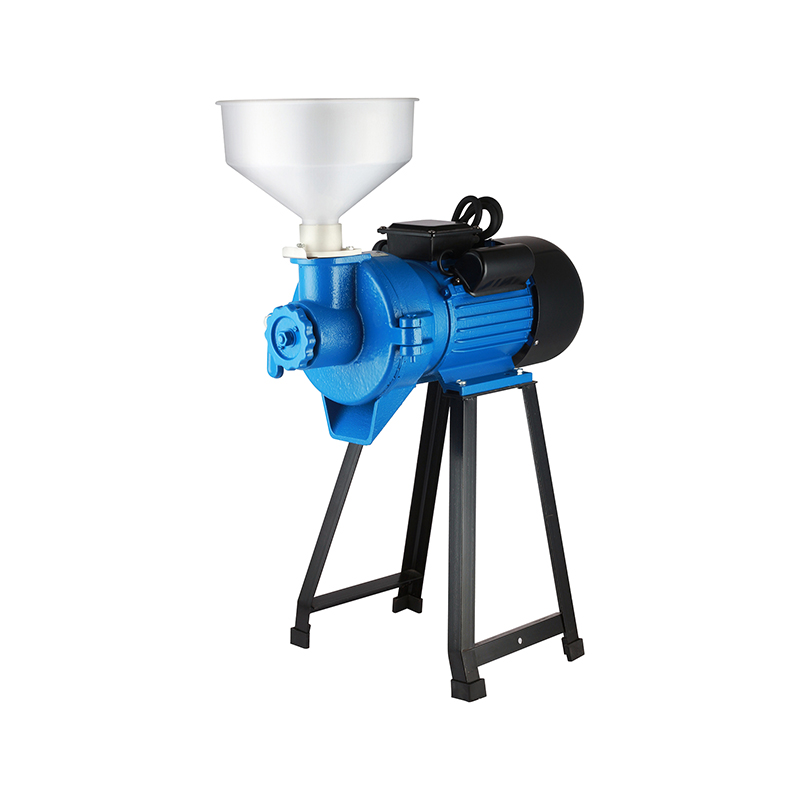
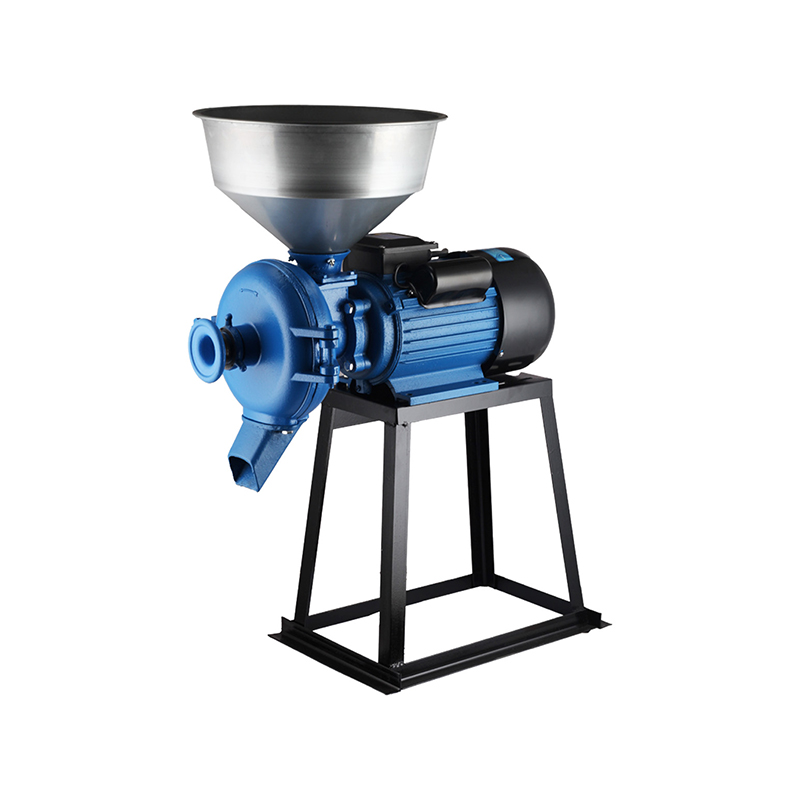
Milling grain at home changes how baking feels. You choose the grain, grind only what a recipe calls for, and adjust the texture to suit the dish. Still, the grinding stage tells only half the story. In an Electric Home Grain Mill, the way flour is collected decides how tidy the result is, how much dust drifts off, and how long cleaning takes afterward.
A mill can grind well and still be tiring to use. Flour lands on the worktop instead of in the container, packs into narrow gaps, or spills as the container is pulled away. Little problems like these turn a short task into a long cleanup.
The collection area is the link between grinding and whatever you do next. Its shape, position, opening, and connection to the body control how flour travels into the container. A practical design keeps collection steady, cuts down mess, and lets users remove and clean the container without a struggle.
Collection is the stage where ground grain becomes a usable ingredient. The flour needs a clear way out of the machine. If that route is poorly planned, powder builds up around the outlet or falls beside the container.
The outlet position carries real weight. It should send flour toward the collection area rather than letting it drift over the surface. A well-placed outlet also leaves room to slide a bowl underneath without fuss.
Distance matters too. When the opening sits high above the container, falling flour scatters. When the space is tight, placing or removing the container becomes awkward, so the design has to balance the two.
The layout should be readable at a glance. Users ought to see where flour exits and how the container sits. Clear arrangements remove guesswork and make the appliance feel natural to operate.
Households that mill regularly notice these details in daily routines. A smooth collection structure cuts the pauses between grinding, measuring, and mixing.
A container does more than hold finished flour. Its shape and its fit with the mill affect how easily users collect, move, and store the result.
A suitable opening lets flour in without much scattering. A small or hard-to-align mouth leaves powder along the rim. A wider mouth helps, although the container must still seat securely in the appliance.
Depth and form change the handling as well. A shallow container comes off easily but may fill quickly during a long session. A deeper one holds more, yet it should stay easy to lift and pour when full.
A stable base is useful. Users need to put the container down after removing it without worrying about tipping. A balanced shape also makes pouring into a mixing bowl, jar, or measuring cup more controlled.
Some designs use a removable container, and others guide flour into a separate bowl or tray. A removable container simplifies collection and cleaning if the connection is easy to operate. It should not rattle during milling or need heavy force to release.
Material deserves a look. The inner surface should be suitable for food contact and simple to wipe. Smooth walls let flour slide out, while deep corners and narrow grooves hold powder after emptying.
A practical collection container should support several everyday actions:
Each detail looks minor. Together they decide how willing people are to use the mill again.
Fine flour particles float into the air during milling and transfer. Some escape around the outlet, and more spread when flour drops into the container or gets poured out. A light film then settles on the appliance, nearby tools, and the counter.
Control begins where the grinding chamber meets the outlet. An uneven path or extra gaps let flour slip out before it reaches the container. A close-fitting structure keeps the powder moving in the right direction.
Outlet shape counts as well. A direct path leaves fewer places for flour to collect or leak. Sharp turns, mismatched joints, and exposed openings create pockets, so the inner layout should guide flour smoothly and avoid corners that are hard to clean.
Look closely at the link between outlet and container. When the two do not line up, flour drops into the gap, makes a mess during operation, and leaves residue once the container is removed.
A cover or enclosed collection area can limit loose particles. Users should still be able to see the container and take it out easily, because a structure that is hard to open loses convenience even if it looks neat.
The structure is only one factor. How users place the container, lift it away, and pour also matters. Moving a full container too quickly puts powder in the air, while a steady grip and a well-shaped pouring edge make the step calmer.
No household flour mill can be assumed to stop every airborne particle. Careful design aims to cut avoidable mess and make collection more controlled.
The outlet joins the grinding chamber to the container. Its design governs how flour moves and how easily users reach the surrounding area for cleaning.
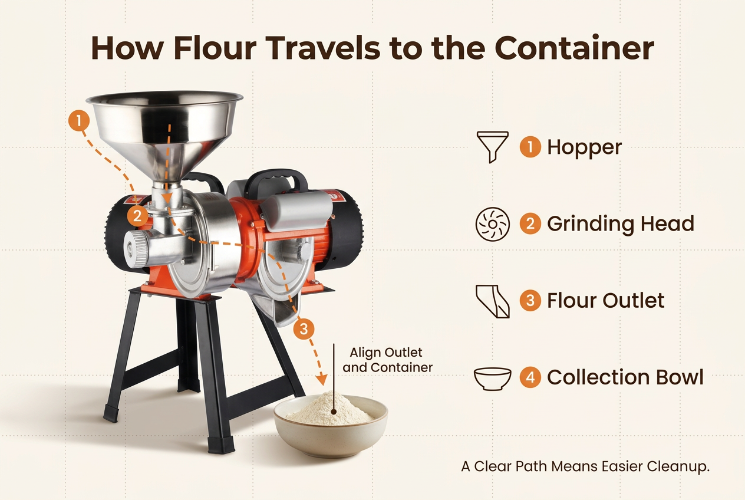
A narrow outlet aims flour at a specific spot, but powder can cling along the inner edges. A wider opening gives easier access, though it must still steer flour into the container instead of letting it fan outward.
The transition from chamber to outlet should avoid needless gaps. Small spaces around joints trap fine particles. Given time, that residue hardens and becomes harder to remove, especially when cleaning is delayed after use.
Inspection should be simple. Users benefit from seeing whether flour has gathered near the outlet or under a removable part. If the structure hides these spots, routine cleaning becomes harder.
Detachable parts improve access when they are built for safe, simple handling. A removable chute or guide opens up places that would otherwise stay hidden. These parts should click back firmly, because a loose fit changes how flour enters the container.
Users should not need sharp tools or complicated disassembly. Parts that come off according to the product instructions are easier to maintain. Anything needing technical knowledge belongs with qualified service staff.
A good outlet balances guiding flour, limiting residue, and allowing cleaning access. Focusing on only one of these causes trouble in the others.
Flour is a fine powder, so it settles in corners, around joints, and on surfaces out of sight. Even when nearly all of it reaches the container, a small amount stays inside the outlet or around the connection.
A simple collection area is easier to clean. Smooth surfaces and reachable corners leave fewer places to check. Deep grooves, tight gaps, and complicated joints trap residue and turn routine care into a chore.
The removable container should empty cleanly before washing. If flour clings to the inner edge or hides under a rim, extra effort follows. A plain interior shape reduces that problem.
Think about the outlet as well. If it can be inspected without taking apart the main grinding structure, users can spot leftovers quickly. Handle any removable component the way the manufacturer instructs.
Cleaning methods must suit the materials and construction. Do not assume that every part can go under running water. Electrical parts, motor housings, and areas not designed for washing should stay dry, and a soft brush or dry cloth may suit some accessible surfaces depending on the instructions.
A useful cleaning routine can follow these steps. Each one is simple, but the order helps keep the work safe.
Cleaning after each session stops flour from building up between uses. It also gives users a chance to notice cracks, loose fittings, or changes in the collection structure.
A home grain mill usually shares space with other appliances. Its collection system should fit that setting without demanding extra preparation or cleanup.
Container position affects counter space. One that sticks far out from the body is awkward on a narrow worktop. A compact arrangement suits varied layouts, provided the container stays easy to reach.
Height influences handling. Users should be able to place and remove the container without twisting their wrists. If it sits too close to the body, fingers have little room to grip, and if it sits too far away, flour scatters on the way in.
Visibility helps. A container that shows the collected flour lets users judge when to stop milling or empty it. A transparent section can provide this, though durability and ease of cleaning still need thought.
The grip area should support controlled removal. A full container is harder to carry than an empty one, so the grip has to feel secure. If users must tilt the container to detach it, the connection should allow that movement without spilling.
Noise and vibration shape the experience too. A poorly fitted container shifts or rattles while the mill runs. A stable connection keeps parts in place and spares users the distraction.
Small kitchens also need easy storage. A removable container that can be kept separately frees space when the mill is idle. Its shape should slide into a cupboard without leaving flour on other items.
Shoppers comparing an Electric Home Grain Mill usually look at grinding function, grain compatibility, and appearance. The collection structure deserves equal attention because it governs what happens once milling ends.
Judging by looks alone can mislead. A container may seem roomy yet be hard to remove, and an enclosed outlet may look neat while its inner surfaces stay out of reach. It helps to picture each part during ordinary kitchen tasks.
A hands-on inspection, where available, can answer practical questions. The table below lists points worth checking.
| Design Feature | What to Check | Why It Matters |
|---|---|---|
| Flour outlet | Is the opening easy to access and aligned with the container? | Helps guide flour into the collection area |
| Container opening | Can flour enter without frequent spilling? | Supports cleaner collection |
| Container connection | Does it fit securely and detach easily? | Makes handling more convenient |
| Interior surface | Are corners and edges easy to inspect? | Helps users remove leftover flour |
| Dust protection | Are unnecessary gaps around the collection path reduced? | Helps limit escaped powder |
| Grip and stability | Can the container be held and placed securely? | Makes transferring flour easier |
| Cleaning access | Can users reach accessible areas without complicated disassembly? | Supports regular maintenance |
| Storage arrangement | Can the container be stored without taking up excessive space? | Helps the appliance fit into a home kitchen |
Check what the manufacturer says about cleaning and replacement parts. Clear instructions show which components come off, which surfaces must stay dry, and how to handle the container.
For designers and manufacturers, these concerns offer direction. The collection area is not an accessory added after the grinding system is finished. It belongs to the complete product, and its shape, fit, material, and accessibility all shape the user's experience.
A carefully arranged collection system makes the step from grain to finished flour feel controlled. When the outlet directs flour into a stable container, the connection is easy to handle, and residue clears without complicated steps, the appliance fits comfortably into everyday food preparation.


Asynchronous Motor Manufacturer



 English
 中文简体