-
 [email protected]
-
 +86 15857619833
-
+86-18989628252
[email protected]
+86 15857619833
+86-18989628252

High‑torque motors are increasingly integrated into industrial machinery and robotic systems due to their ability to provide substantial torque at low speeds without requiring traditional gear mechanisms. These motors are changing the design and operation of equipment in manufacturing, automation, and precision motion control environments.
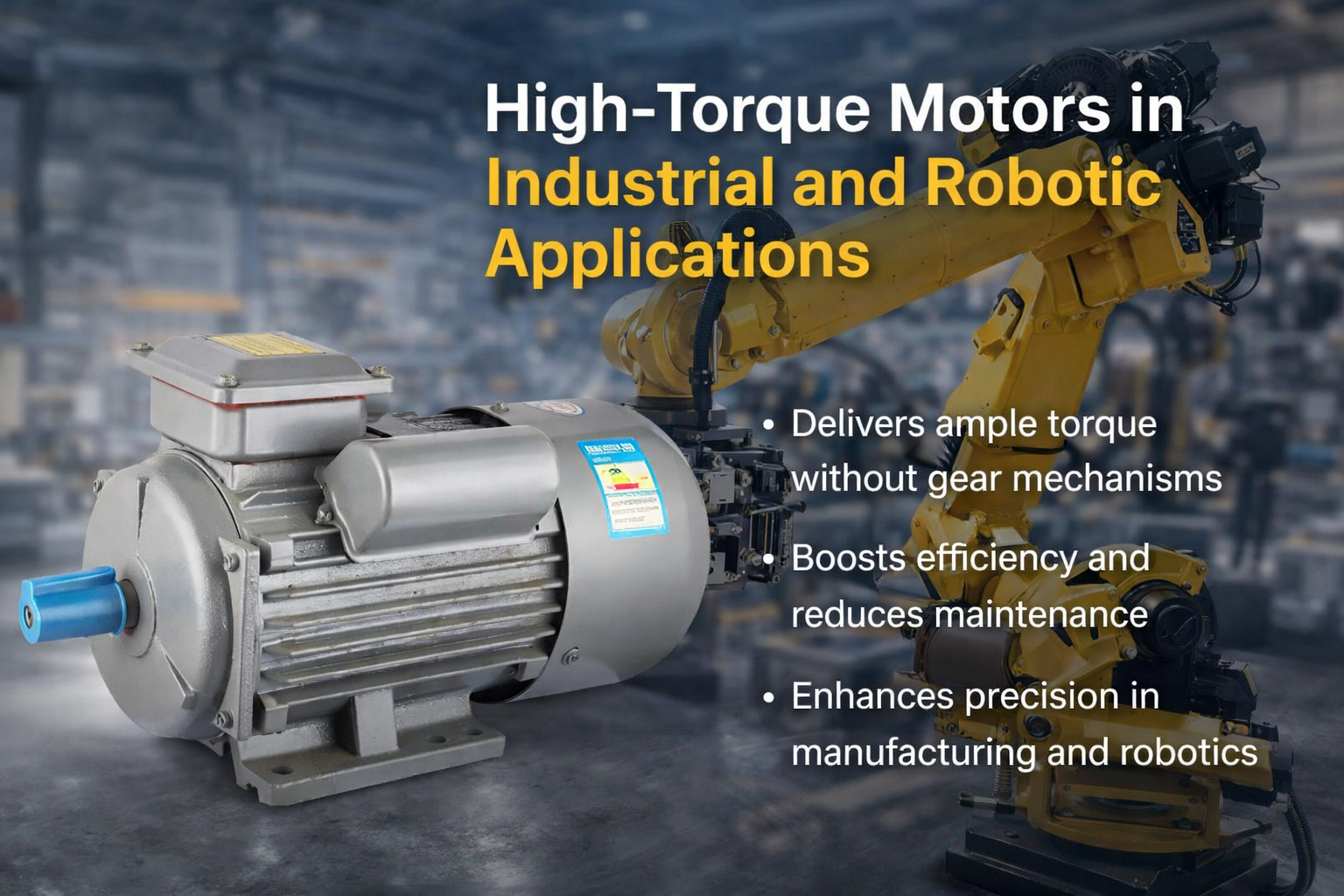
One of the main advantages of high‑torque motors is their capability to maintain continuous torque output over a wide range of speeds. Industrial models can provide torque ranging from several hundred newton‑meters to tens of thousands, with rated power from tens to thousands of kilowatts. This allows heavy machinery, such as presses, extrusion equipment, and shredders, to operate efficiently without the need for complex gearing systems. By eliminating gearboxes, these motors reduce maintenance requirements and improve overall reliability.
Robotics represents another key area of application. Industrial robots and collaborative robots often demand high torque with precise control to achieve smooth, accurate motion. Direct‑drive high‑torque motors are well-suited for these applications because they eliminate mechanical backlash and allow for rapid acceleration and deceleration. In robotic arms, even small positioning errors can significantly affect performance, making torque accuracy a critical factor. Motors in this category can deliver torque in a compact form factor while maintaining low vibration and consistent operation, supporting tasks such as assembly, handling delicate components, and high-speed pick-and-place operations.
Medium-sized high‑torque motors are also applied in automation platforms and machine tools. With diameters ranging from a few hundred millimeters, these motors can deliver continuous torque from tens to several hundred newton‑meters while maintaining smooth rotational performance. Their frameless or integrated designs enable flexible installation in rotary tables, conveyor drives, and electric actuators, where space and weight are limited.
Efficiency is another important characteristic. High‑torque motors often achieve high power density while minimizing energy losses. Even under low-speed conditions, they maintain effective performance and stable operation, which is essential in applications where machines operate continuously for extended periods. Their design enables reliable performance under variable loads, thereby reducing downtime and operational costs for industrial users.
As high‑torque motors are adopted across different sectors, they are enabling machines to deliver consistent output with greater precision. Direct‑drive designs enhance operational control and improve responsiveness, while reducing mechanical complexity. This combination of power, efficiency, and precision is shaping modern manufacturing and automation systems, making high‑torque motors a core component in demanding applications.
Frequently Asked Questions
Q1. What defines a high‑torque motor?
A high‑torque motor is designed to deliver significant torque at low speeds, often without a gearbox, using direct‑drive or high-efficiency electrical architectures.
Q2. Why are they preferred in industrial machinery?
They reduce the need for gear systems, lower maintenance requirements, and provide stable, efficient torque for heavy equipment.
Q3. Are high‑torque motors suitable for robotics?
Yes, they are used for precise motion control in industrial and collaborative robots, enabling accurate, smooth, and responsive movement.
Q4. What are typical applications?
Applications include machine tools, presses, conveyors, robotic arms, assembly lines, and other systems requiring high torque with precise control.
Q5. How do they compare to traditional geared motors?
High‑torque direct‑drive motors offer improved accuracy, reliability, and reduced mechanical wear compared to motors with gear reducers.

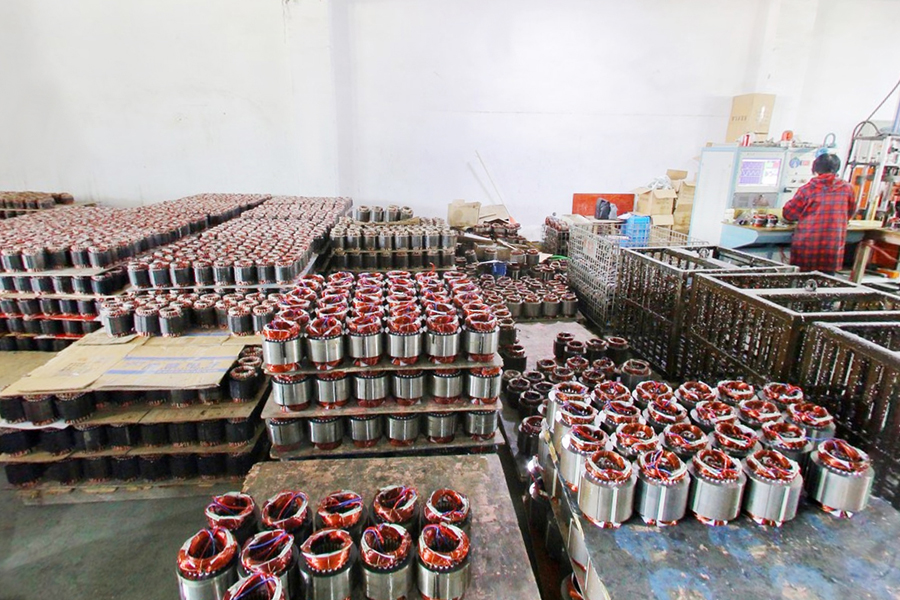
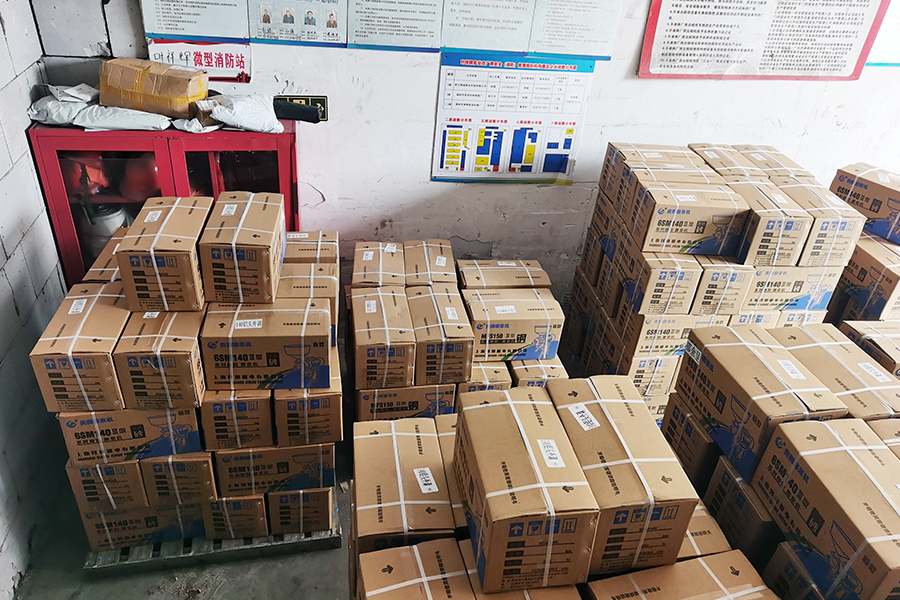

Asynchronous Motor Manufacturer



 English
 中文简体
中文简体