-
 [email protected]
-
 +86 15857619833
-
+86-18989628252
[email protected]
+86 15857619833
+86-18989628252

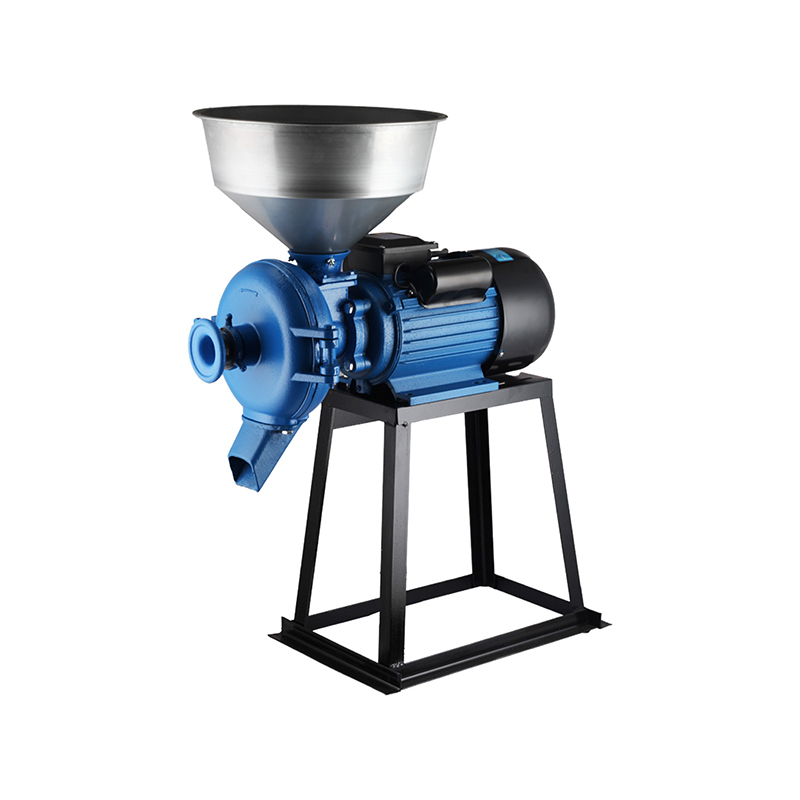
In many food service settings, the Commercial Rice Milk Grinding Machine has become an essential tool for producing rice beverages and other plant-based milks efficiently. Installed in cafes, health-focused eateries, and small-scale production facilities, these machines can handle between 50 kg and 200 kg of raw grain per hour, allowing operators to meet daily demand without manual processing.
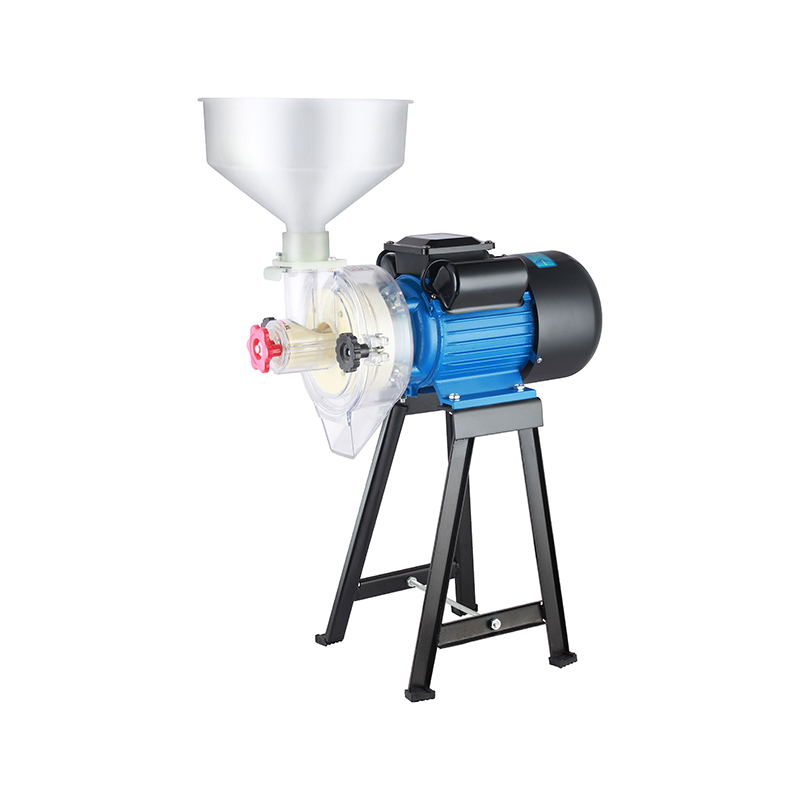
Machine design plays a key role in performance. Units with stainless steel housings and precision grinding stones create smoother textures and are easier to clean. Larger commercial models feature multiple grinding discs and reinforced motors to maintain consistent output over extended operating periods. Many facilities report that using a commercial grinder reduces preparation time by nearly half compared with traditional soaking and blending methods.
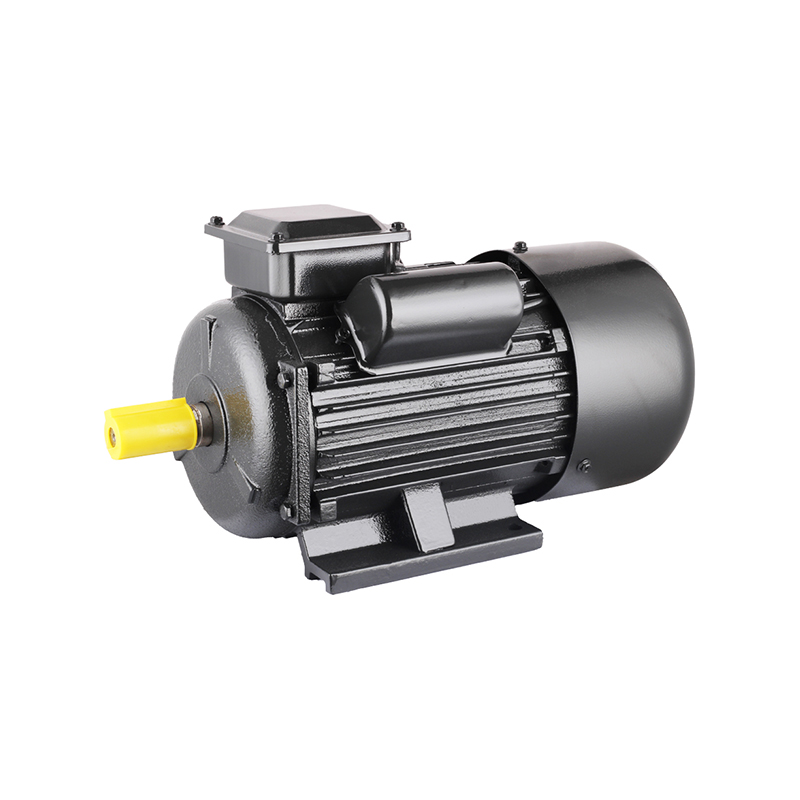
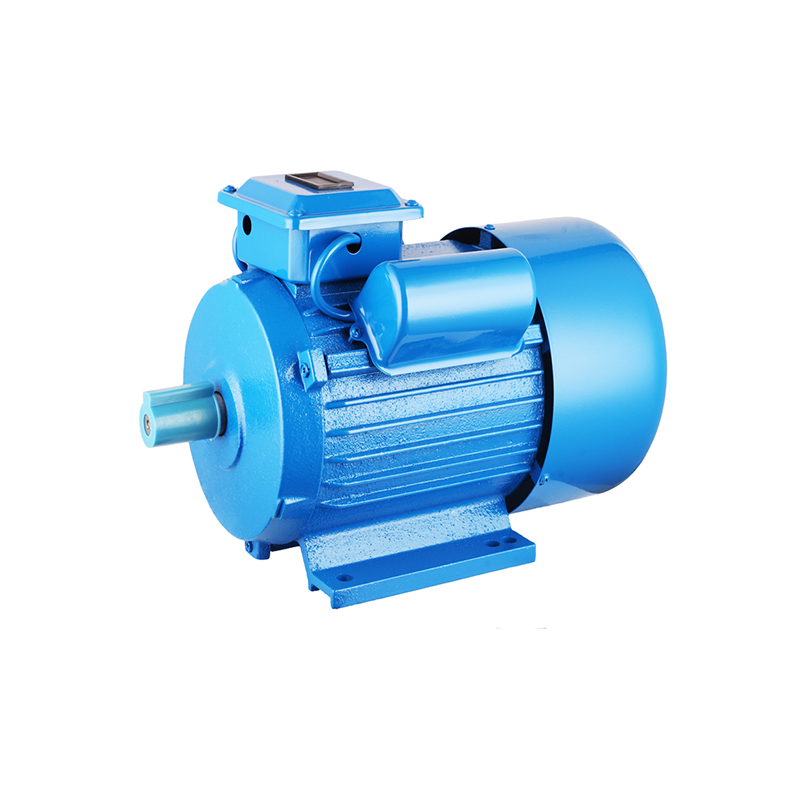
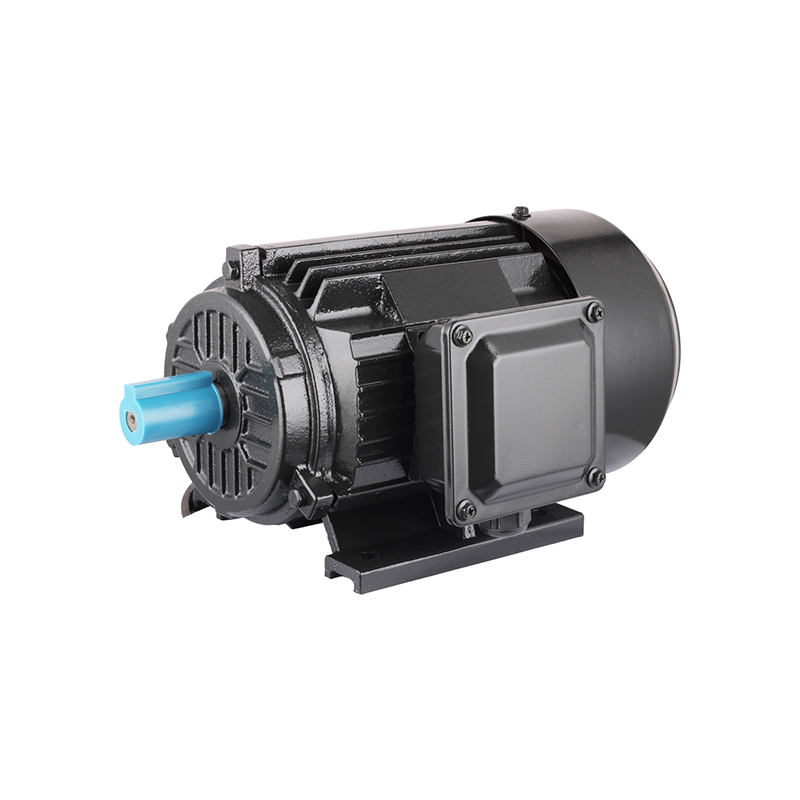
Technical considerations, such as motor power and shaft reinforcement, significantly influence performance under load. Motors in commercial models typically range from 2 kW to 3 kW, supporting continuous operation while reducing the risk of overheating. Adjustable grinding settings allow operators to process different grains, such as rice, soy, or oats, with consistent results.
Safety and sanitation are priorities in commercial kitchens. Machines often include interlocks and sealed lids to prevent splashing during operation. Removable components and smooth surfaces enable efficient cleaning routines, which is critical for compliance with hygiene standards. Some modern units incorporate automated cleaning cycles and sensors that detect motor overload, enhancing operational efficiency.
Beyond cafes and small restaurants, community kitchens and educational facilities have adopted these machines to produce large batches of plant-based beverages for daily service. In these environments, reliability and simple maintenance procedures are just as important as production capacity. High-capacity machines can produce hundreds of liters of rice milk in a few hours, supporting consistent service without overburdening staff.
Small-scale commercial manufacturers also benefit from precise grinding control. Uniform particle size and viscosity are important for downstream processes such as blending, bottling, or packaging. Machines with variable speed control allow operators to adjust grinding intensity, minimizing sedimentation and producing a smooth beverage.
Energy consumption is another consideration. Machines with 1.5 kW to 3 kW motors can draw significant power during continuous operation. Operators can optimize electrical load by scheduling batches or using settings that match motor torque to the grain type and quantity. Efficient energy use contributes to operational cost control without compromising throughput.
As demand for fresh, plant-based beverages grows, the Commercial Rice Milk Grinding Machine supports both product quality and operational efficiency. Its versatility, reliability, and user-friendly maintenance design make it suitable for a variety of food service and small production applications, demonstrating practical value in modern kitchens and production environments.
Frequently Asked Questions
Q: What defines a commercial rice milk grinding machine?
A: Machines are designed for larger capacity, durable components, and frequent use in professional settings.
Q: Can one machine process multiple grains?
A: Yes; most allow rice, soy, and oat grinding with adjustable settings.
Q: What is the typical processing capacity?
A: Between 50 kg and 200 kg per hour, depending on model size.
Q: Are these machines easy to clean?
A: Yes; most include removable components and smooth, sealed surfaces.
Q: What motor power is common?
A: Motors typically range from 2 kW to 3 kW for continuous commercial use.
Q: How can energy consumption be managed?
A: Batch scheduling and adjusting motor torque to grain type can reduce electrical load.
Q: Can these machines improve beverage consistency?
A: Yes; variable grinding settings allow uniform particle size and smooth texture.

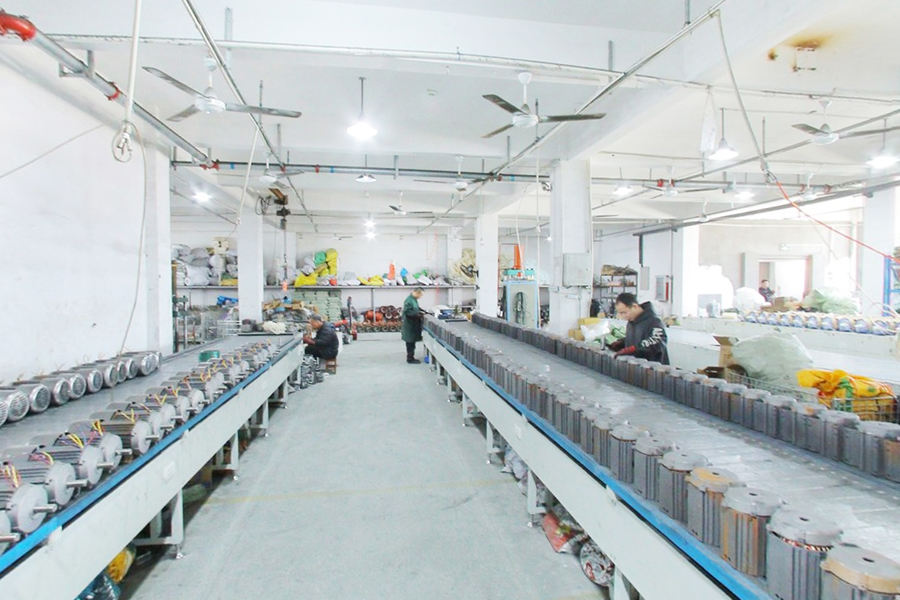
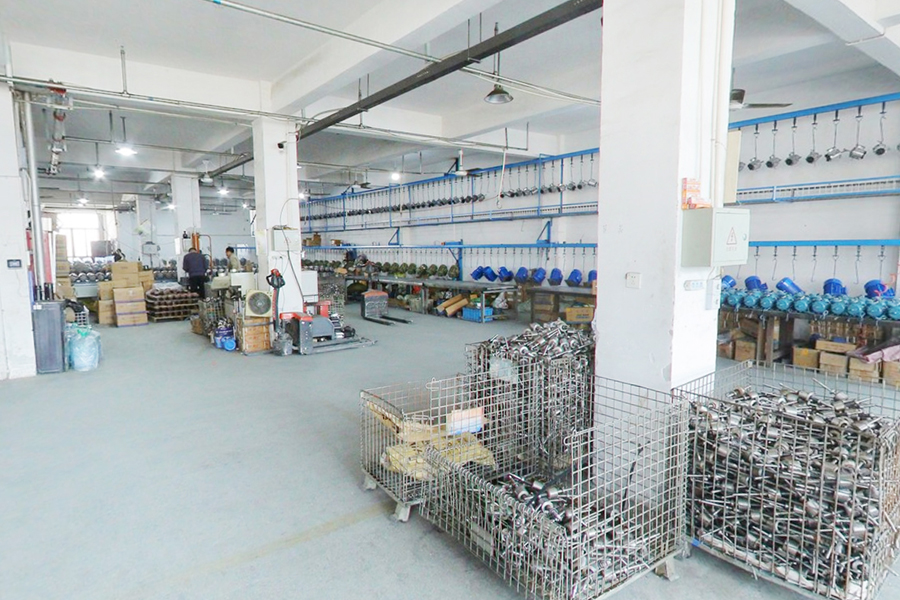
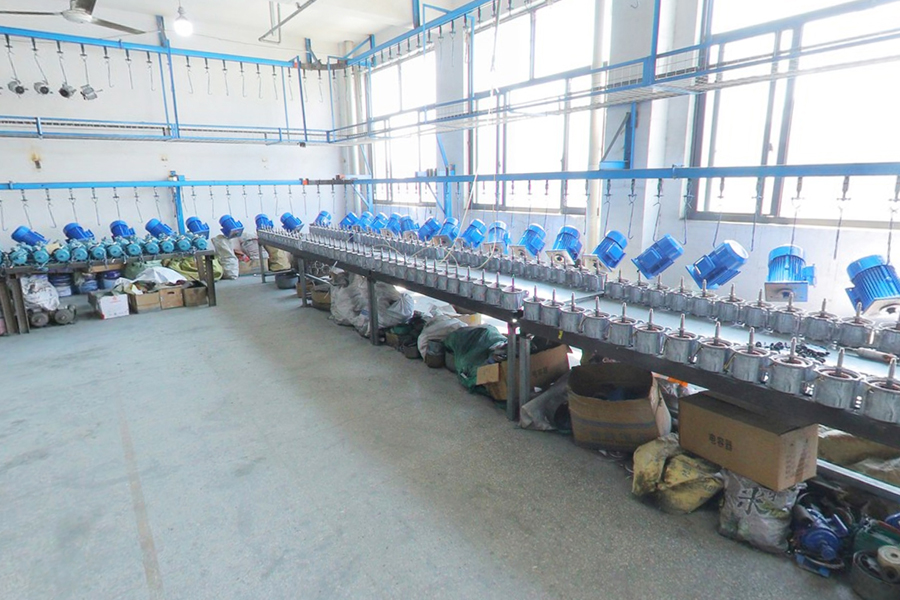
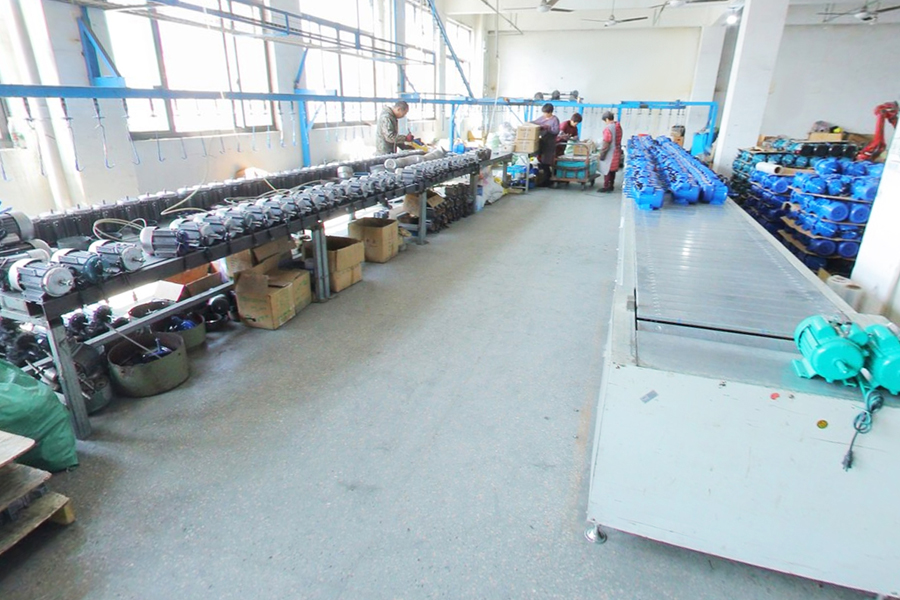
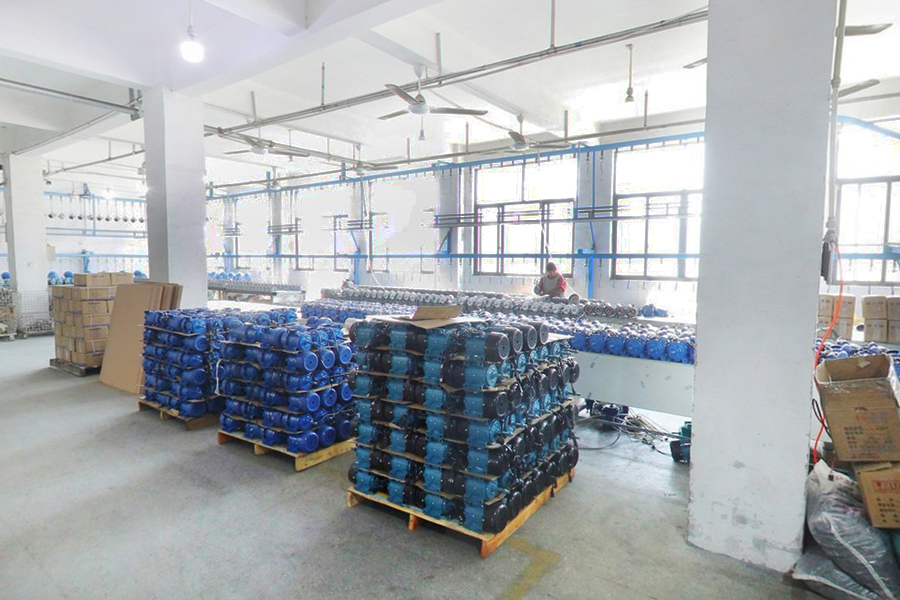
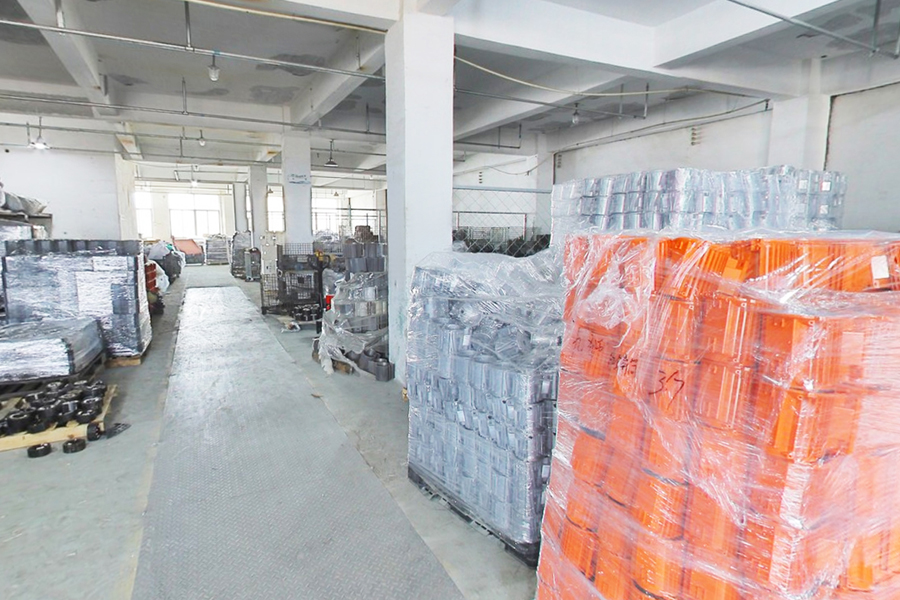
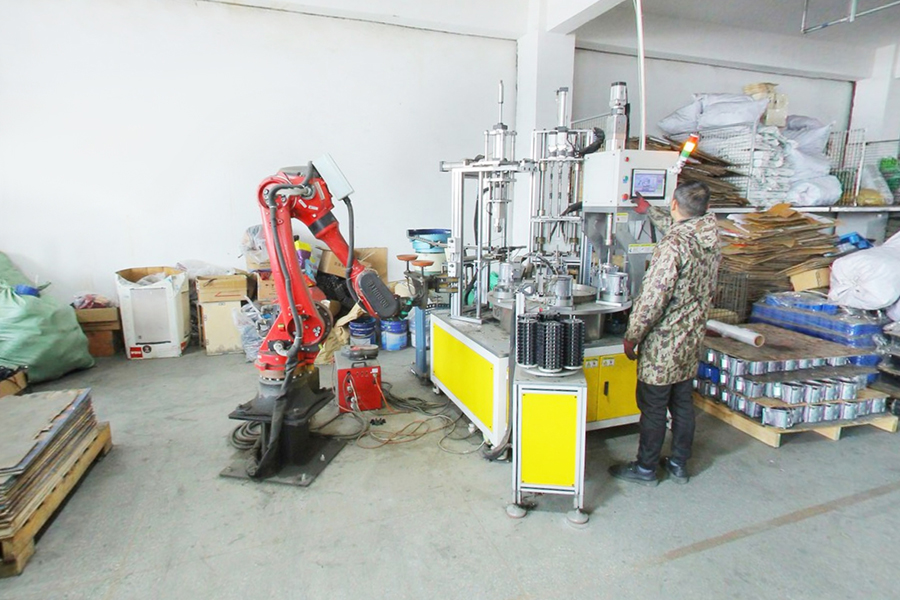
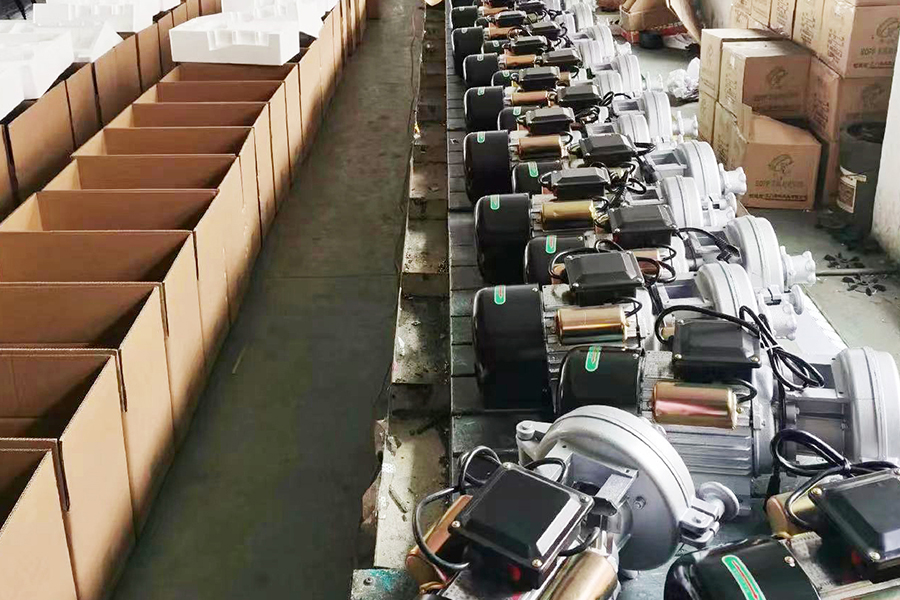
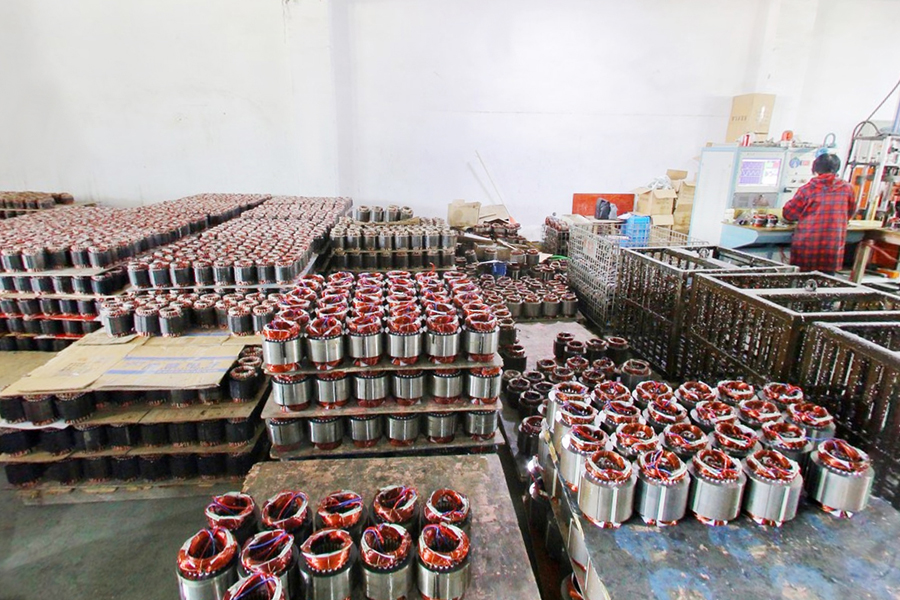
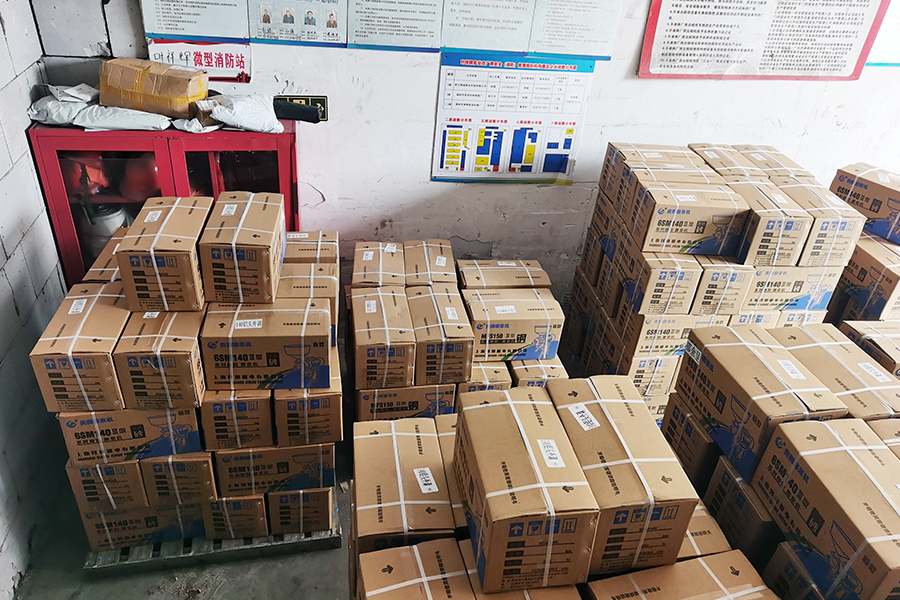

Asynchronous Motor Manufacturer



 English
 中文简体
中文简体