-
 [email protected]
-
 +86 15857619833
-
+86-18989628252
[email protected]
+86 15857619833
+86-18989628252

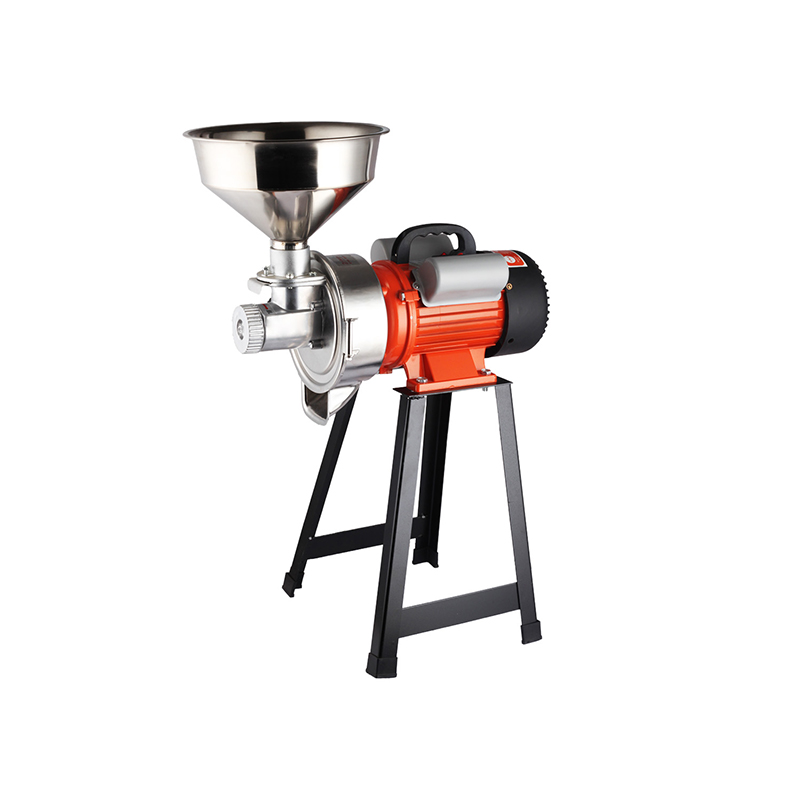
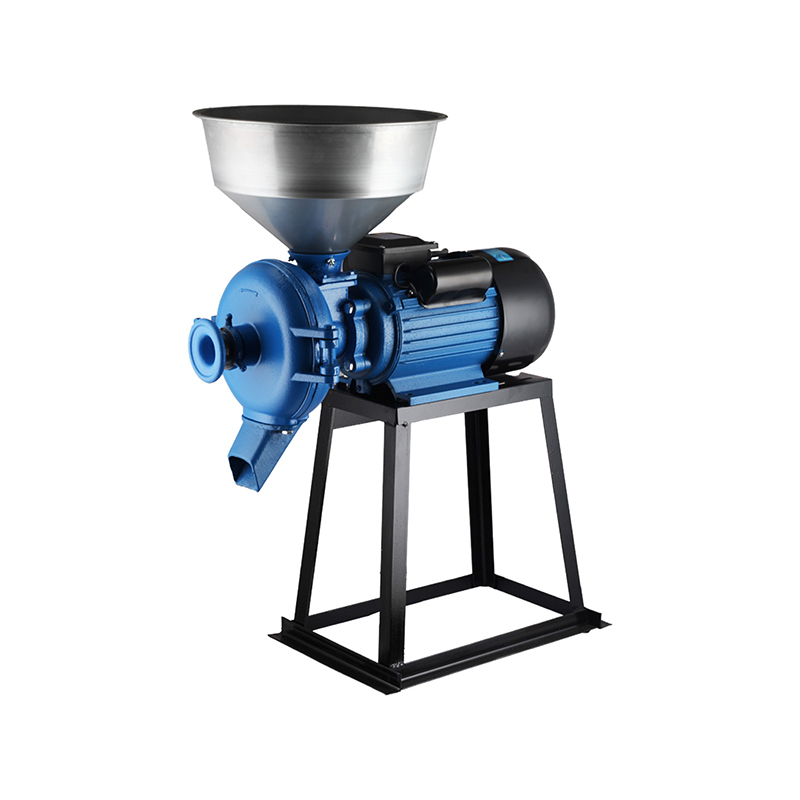
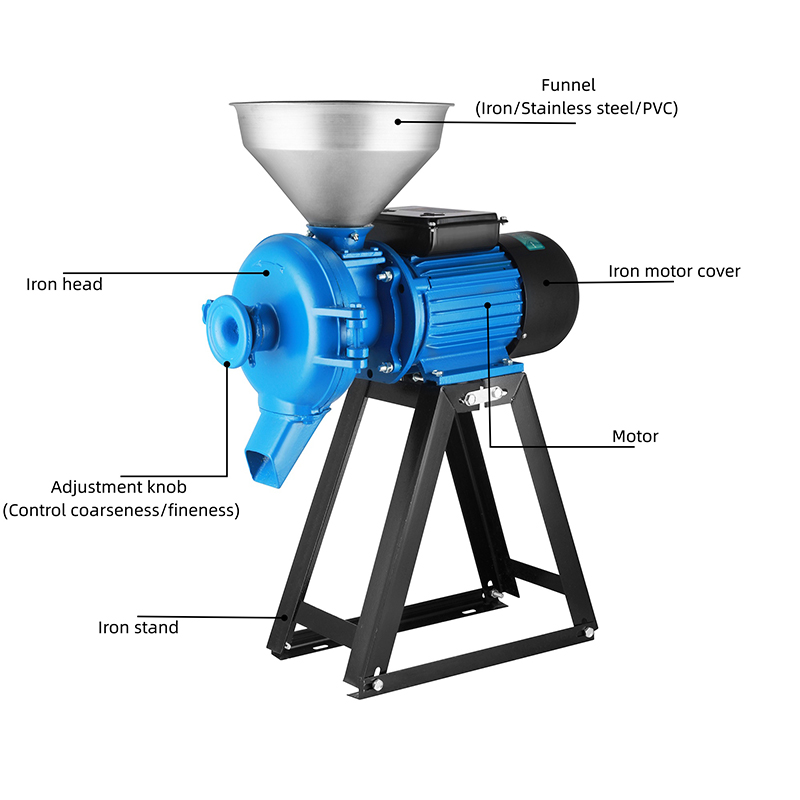
Walk into a bakery that mills its own flour, or a small farm that processes feed for livestock, and somewhere on the premises sits a piece of equipment that does the heavy work of turning whole grain into usable meal or flour. A Commercial Grinding Machine For Grain occupies a middle ground in the milling world. It handles more grain than a home countertop mill ever could, yet it does not approach the scale of the huge industrial installations that supply flour to large bakeries and food manufacturers. The construction uses heavier materials than domestic units, with stronger motors and grinding chambers built to withstand repeated use. Feed hoppers hold larger quantities, and discharge systems move the ground product away efficiently.
The grinding mechanism inside varies across designs. Some machines use flat burrs that crush grain between two textured plates. Others employ conical burrs that draw grain gradually into a narrowing gap. Hammer mills take a different approach, using swinging hammers that fracture grain through impact. Each of these designs handles grain differently and produces different textures. The choice of mechanism influences how well the machine adapts to changing workloads and grain types.
Production scale affects not just how much grain passes through the machine in an hour, but how the machine behaves during operation. A unit running for ten minutes at a time faces different stresses than one running continuously for eight hours. Heat builds up differently in longer runs. The grinding surfaces wear at varying rates. Feeding mechanisms that work well for small batches may jam or overflow when asked to handle larger quantities.
The relationship between scale and machine configuration shows up in several areas. Motor size affects throughput directly, but it also influences how the machine handles harder grains or wetter conditions. Frame rigidity becomes more important at higher output levels because vibrations increase with load. Cooling arrangements, whether passive or active, keep temperatures within acceptable ranges during extended operation. Facilities planning to increase their production over time need equipment that can grow with them, or they face the cost and disruption of replacing machines that have become inadequate.
Smaller operations value flexibility above raw throughput. A bakery making specialty breads might mill just enough flour for a day's production. A farm growing several grain varieties might need to process small quantities of each without cross-contamination. A Commercial Grinding Machine For Grain serving these users includes features that make frequent changes practical.
Quick-release hoppers and easy-access grinding chambers allow cleaning between batches. Removing residual grain dust prevents mixing and maintains product purity. Some machines use magnetic separators or screens that can be swapped out without tools. The grinding adjustment mechanism, whether a lever or a dial, should respond precisely so operators can return to previous settings after cleaning. Power requirements stay moderate because these machines run intermittently, often on standard electrical supplies without special installations.
Noise and dust control matter more in smaller facilities where the machine sits closer to other work areas. Enclosures and dust collection attachments reduce the impact of grinding on the surrounding environment. The physical footprint of the machine needs to fit into spaces that were not necessarily designed for heavy equipment. A unit that takes up too much floor area or requires excessive clearance for operation may not work well in cramped production rooms.
Stepping up to medium-scale production brings changes in several areas. The motor capacity increases to support longer running times and higher feed rates. Heavier construction absorbs vibrations that would shake a lighter machine apart over time. Feed mechanisms become more substantial, with powered augers or vibratory feeders that deliver grain to the grinding zone at controlled rates. Manual feeding no longer works well at this level because operators cannot maintain consistent throughput by hand.
Heat management becomes a real consideration in medium-scale operation. Grinding generates friction, and friction generates heat. Excessive heat affects flour quality and can damage the grinding surfaces over time. Some machines incorporate water jackets or air cooling around the grinding chamber. Others run at lower speeds to reduce heat generation while maintaining throughput through larger grinding surfaces. The operator needs to monitor temperature during runs and adjust feed rates or take breaks if the machine gets too warm.
Discharge systems at medium scale often include pneumatic conveying or mechanical elevators that move ground product to storage bins or packaging stations. Manual collection of ground grain becomes impractical when output reaches certain levels. These handling systems integrate with the grinder itself, and their design affects how smoothly the overall operation runs. A machine that produces grain quickly but cannot move it away from the grinding zone efficiently will bottleneck the process.
High-volume users run their Commercial Grinding Machine For Grain for extended shifts, often around the clock during peak seasons. These machines look different from their smaller counterparts. The frames use thicker steel and heavier castings. Bearings are sized for continuous duty with generous lubrication systems. Electrical components include thermal protection that shuts the machine down before damage occurs rather than allowing it to overheat gradually.
Automation features become more prominent at high volume. Sensors monitor temperature, vibration, and motor load. Control systems adjust feed rates automatically to maintain consistent grind quality as conditions change. If the grain moisture varies or the feed hopper runs low, the machine compensates without operator intervention. These automated responses reduce the skill level required to run the machine effectively and improve consistency across long runs.
Wear parts get particular attention in continuous operation. The grinding surfaces, whether burrs, hammers, or screens, wear at a predictable rate under steady use. High-volume operators track wear patterns and replace parts before they fail rather than waiting for a breakdown. Scheduling these replacements during planned downtime prevents unexpected interruptions. The machine design supports easy access to wear parts so replacement takes minutes rather than hours.
| Production Scale | Typical Operation Pattern | Key Machine Features | Primary User Concerns |
|---|---|---|---|
| Low volume | Intermittent, short runs | Easy cleaning, quick adjustment, compact size | Flexibility, product purity, ease of use |
| Medium volume | Several hours daily | Powered feeding, cooling system, sturdy frame | Consistent output, heat management, reliability |
| High volume | Continuous, multi-shift | Heavy construction, automation, wear monitoring | Uptime, maintenance scheduling, energy efficiency |
Each scale places different demands on the equipment and on the people running it. A machine that serves one scale well may struggle in another context, and operators who understand their production requirements can select equipment that matches their actual needs rather than an idealized version of what they might someday need.
Walk into any mill room and look at what sits in the hopper. One day it might be wheat, the next day corn, the day after that a mix of rye and barley. Each grain type brings its own personality to the grinding process. Hard grains like corn put more strain on the grinding surfaces and demand more power to break down. Soft grains like wheat create more dust, which means the machine needs better sealing around moving parts. Oily grains like flax or sunflower seeds can coat the grinding surfaces and cause clogging if the machine is not designed to handle that kind of material.
Texture requirements vary just as much. A baker making bread flour needs a fine, even grind. A farmer cracking grain for chicken feed wants something coarser. The machine has to let the operator change the gap between grinding surfaces quickly and accurately. Wide gaps produce coarse particles; narrow gaps make finer flour. Some operations switch back and forth several times a day. A Commercial Grinding Machine For Grain that forces the operator to spend twenty minutes adjusting settings between batches slows down the whole workflow.
Seasonal changes introduce another layer of variation. Freshly harvested grain holds more moisture than grain stored for months. Wet grain grinds differently and can clog cooling passages or stick to grinding surfaces. Later in the year, dried grain becomes more brittle and grinds faster but produces more dust. Operators learn to adjust feed rates and cooling as the seasons turn.
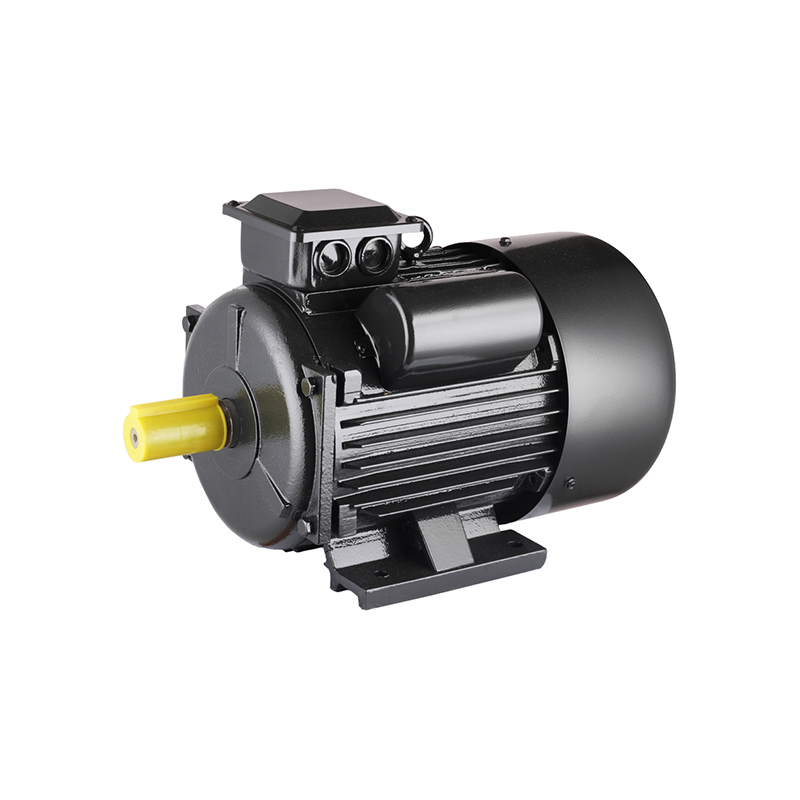
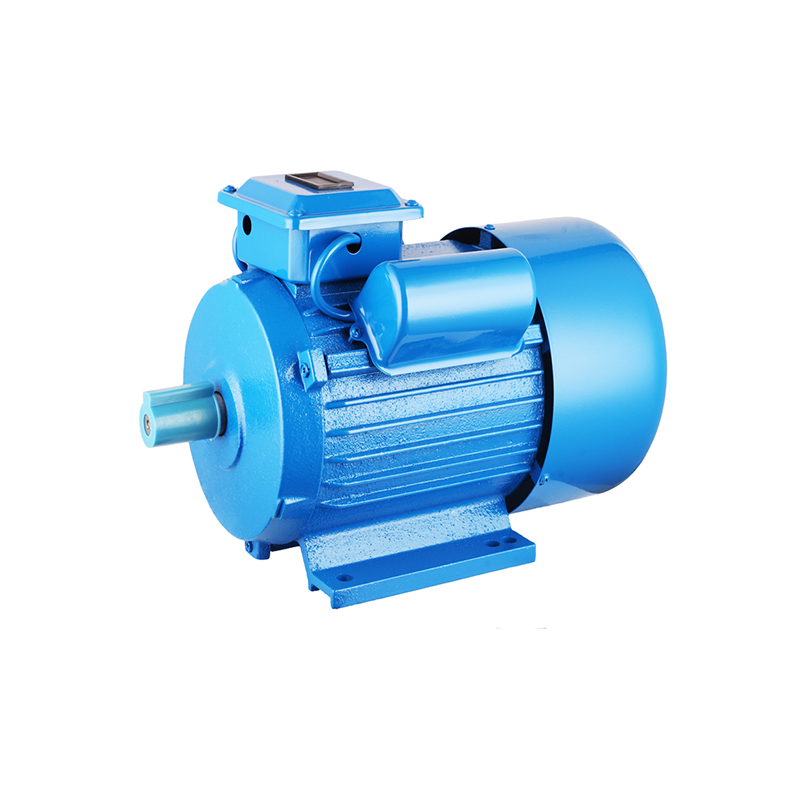
The motor does more than spin the grinding mechanism. Its characteristics shape how the machine performs across different loads. Fixed-speed motors work fine for processors who grind the same grain at the same rate every day. But variable-speed drives give operators more control. Running slower produces finer grinds because the grain stays in the grinding zone longer. Running faster increases throughput but may sacrifice some fineness.
Power delivery deserves attention across the entire operating range. A motor that loses torque at lower speeds may stall when processing hard grains. One that maintains torque across its speed range handles whatever the operator throws at it. Thermal protection keeps the motor from cooking itself during heavy loads. Some machines shut down completely when temperatures climb too high. Others simply reduce speed to let things cool off while continuing to run.
A machine that runs two hours a week requires much less attention than one running two shifts daily. The small operator cleans the grinding chamber after each use and checks fasteners occasionally. The grinding surfaces might last for years. Bearings need grease maybe twice a year. The daily operator replaces grinding surfaces more often because wear accumulates faster. Belts stretch and need adjustment. Bearings run warmer and demand more frequent lubrication.
Continuous operation pushes maintenance into a structured routine. The operator cannot afford surprise breakdowns because production stops completely when the machine goes down. Wear parts get replaced based on hours of operation rather than visual inspection. A set of burrs might get changed at a set interval even if they still look usable. The cost of a breakdown during a busy week exceeds the cost of early replacement.
Daily cleaning keeps dust from building up around moving parts. Dust accumulation affects cooling and can create fire hazards in extreme cases. Keeping the machine clean also makes inspection easier. A loose bolt or worn bearing shows up more clearly on a clean machine than on one caked with grain dust.
Space constraints shape machine selection in every setting. A large machine that fits comfortably in a processing plant may not even get through the door of a small bakery. The footprint includes clearance for maintenance access, feeding equipment, and discharge connections. Operators who ignore clearance requirements sometimes discover they cannot open access panels or remove grinding parts for cleaning.
Floor loading matters too. Heavy machines need floors that support their weight without cracking. Older buildings with wood floors or un-reinforced concrete may not handle the weight of high-capacity equipment. Some operators choose lighter machines specifically because their floors cannot support heavier alternatives. The trade-off usually means lower throughput or more frequent maintenance.
Selecting equipment involves looking at several factors together rather than focusing on any single detail. Current production volume matters because a machine that barely meets today's needs will struggle tomorrow. Operators who expect growth often choose machines with some spare capacity. But buying too much machine wastes money and floor space.
The types of grain processed influence mechanism choice. Hammer mills work well for dry grains and produce consistent results across a range of particle sizes. Burr grinders offer finer control over texture and generate less heat. The cost of replacement parts also enters the picture. A machine with expensive grinding surfaces may cost less to buy but more to maintain over time. The choice comes down to matching the equipment to the operation's specific mix of volume, grain types, and available space.

Asynchronous Motor Manufacturer



 English
 中文简体
中文简体