-
 [email protected]
-
 +86 15857619833
-
+86-18989628252
[email protected]
+86 15857619833
+86-18989628252

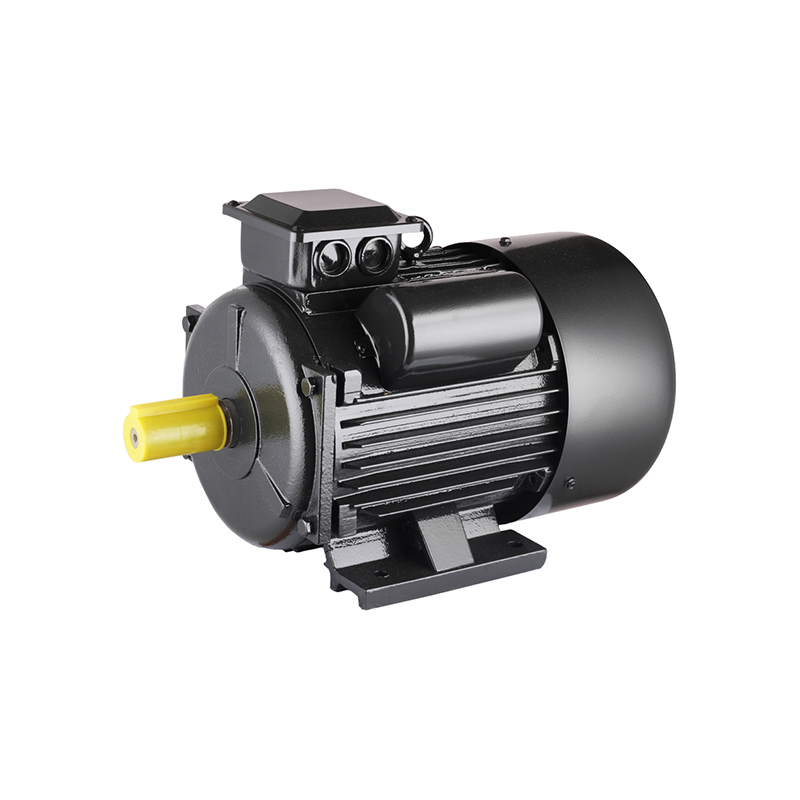
Single-Phase Capacitor Start Induction Motor Principles and Design Focus
A Single-Phase Capacitor Start Induction Motor continues to attract attention in engineering circles for its ability to deliver strong starting torque under single-phase power conditions. Unlike a simple split-phase motor, it uses a start capacitor that creates a phase shift, giving the rotor an immediate push from a standstill. Engineers often ask: How much difference does the capacitor make in terms of torque and current balance?
Recent testing in small industrial applications shows that capacitor-start motors can reach a starting torque that is nearly 2.5 times higher than their running torque, while the current surge remains manageable through improved capacitor materials. Design improvements now include more compact windings, higher-grade laminations, and low-loss magnetic steel, contributing to reduced temperature rise and smoother performance during repeated starts.
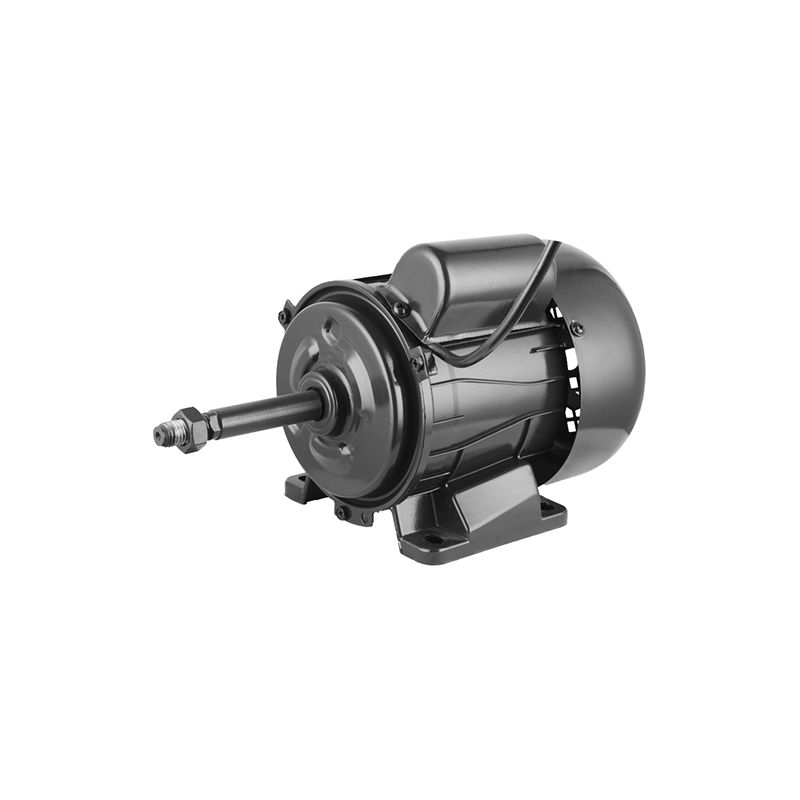
Single-Phase Capacitor Start Induction Motor Performance Data and Market Insights
A 1 HP capacitor-start motor operating at 220 V often produces around 3.6 A rated current and achieves efficiency near 75 %, while higher-end models reach 80 %. The torque density per kilogram has improved by nearly 15 % compared to models from five years ago.
Studies show that for motors in the 0.75–3 HP range, this configuration remains the preferred choice for small compressors, pumps, and machine tools. In 2025, the single-phase motor segment accounts for nearly 40 % of small-motor installations worldwide, and capacitor-start types lead the segment thanks to their balance between cost, torque, and startup reliability.
Single-Phase Capacitor Start Induction Motor Control and Reliability
From a maintenance viewpoint, experts highlight that the health of the start capacitor determines 80 % of startup reliability. Engineers on industrial boards often report that a motor humming or failing to accelerate usually indicates a weak or failed capacitor or an open auxiliary circuit. The centrifugal switch, which disconnects the start winding at approximately 75 % of full speed, is another key component that needs monitoring.
Thermal management also shapes the conversation. Under continuous operation, maintaining motor surface temperature below 90 °C can extend insulation life by almost 40 %. Bearings and rotor balance checks every 5,000 working hours prevent mechanical vibration that may otherwise double power consumption and shorten operational lifespan. These technical practices ensure consistent startup torque and extend service intervals in demanding workshops or light-industrial setups.
Single-Phase Capacitor Start Induction Motor Applications and Comparative View
In markets where single-phase electricity dominates—such as rural installations, small factories, and portable machinery—capacitor-start induction motors remain indispensable. Engineers often compare them to permanent-split capacitor (PSC) motors. While PSC motors operate more quietly, their starting torque typically reaches only about 50–60 % of that achieved by a capacitor-start type. For applications requiring immediate acceleration, such as air compressors or belt-driven tools, the capacitor-start configuration remains unmatched in practicality.
Industry data from recent technical conferences show increasing adoption of these motors in agricultural irrigation systems, compact woodworking tools, and commercial refrigeration units. Manufacturers have also begun introducing designs that meet IE2 and IE3 energy efficiency targets, improving torque-to-watt ratios by nearly 10 %.
Conclusion
From an engineering and market perspective, the Single-Phase Capacitor Start Induction Motor remains a dependable and evolving solution for single-phase environments. Its combination of starting torque, manageable maintenance, and moderate efficiency makes it the cornerstone of many compact machines.

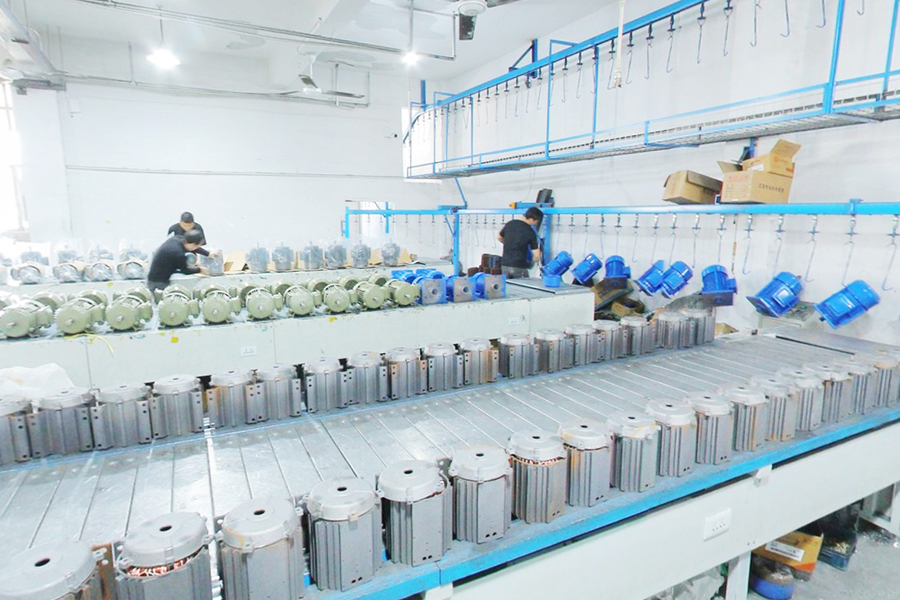
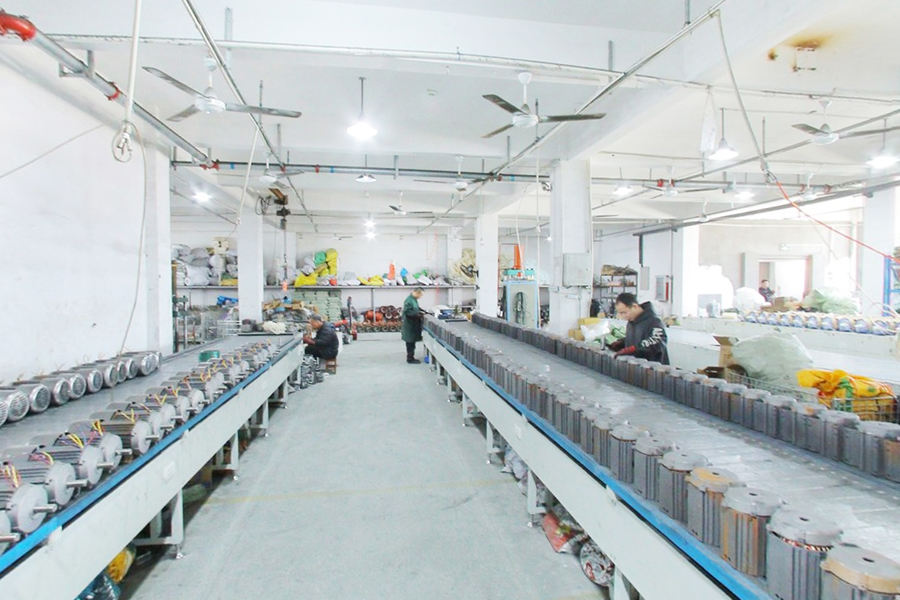
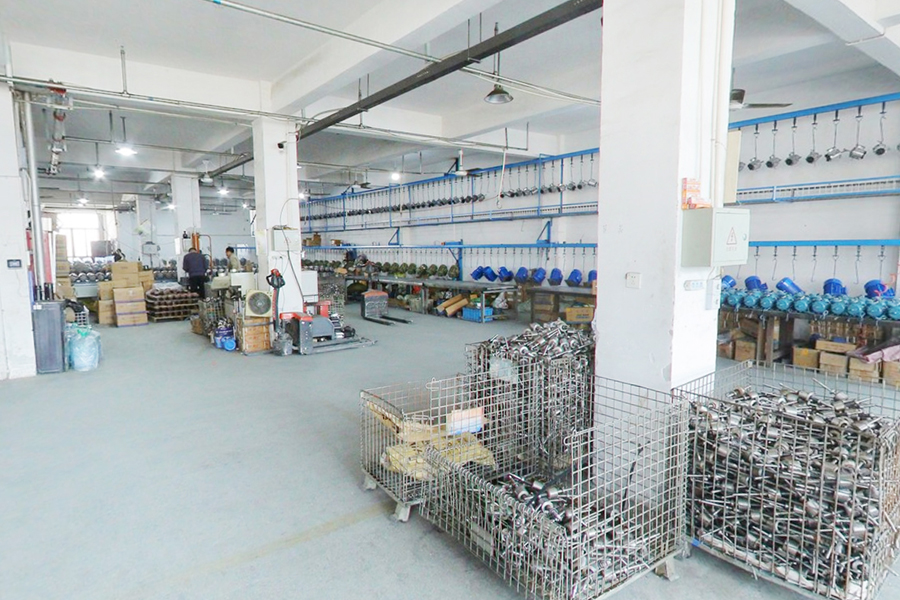
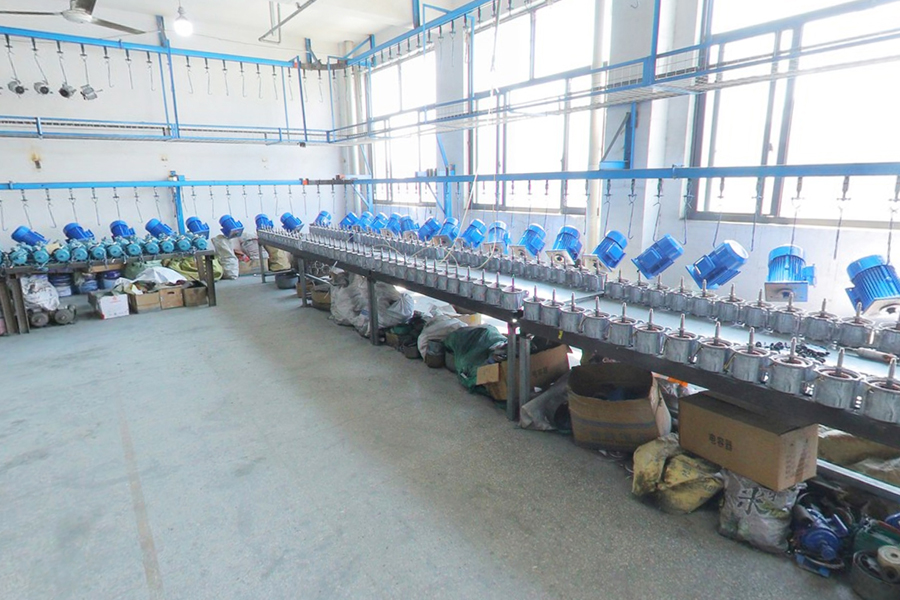
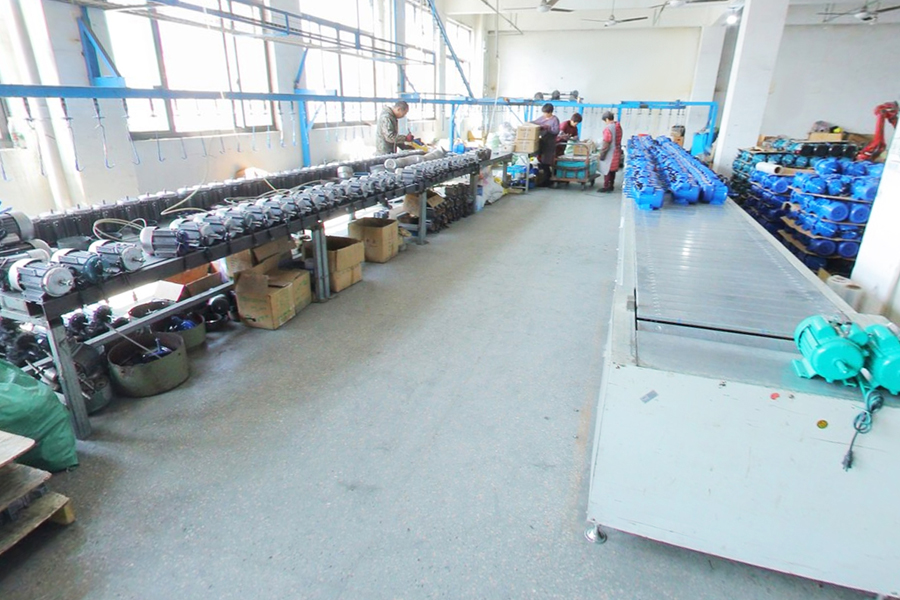


Asynchronous Motor Manufacturer



 English
 中文简体
中文简体