-
 [email protected]
-
 +86 15857619833
-
+86-18989628252
[email protected]
+86 15857619833
+86-18989628252

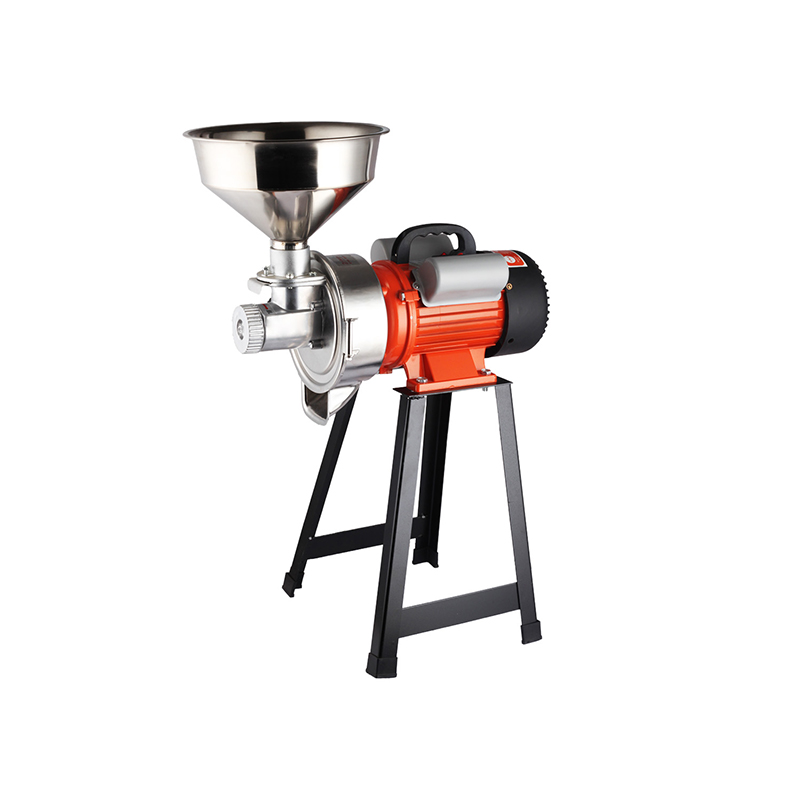
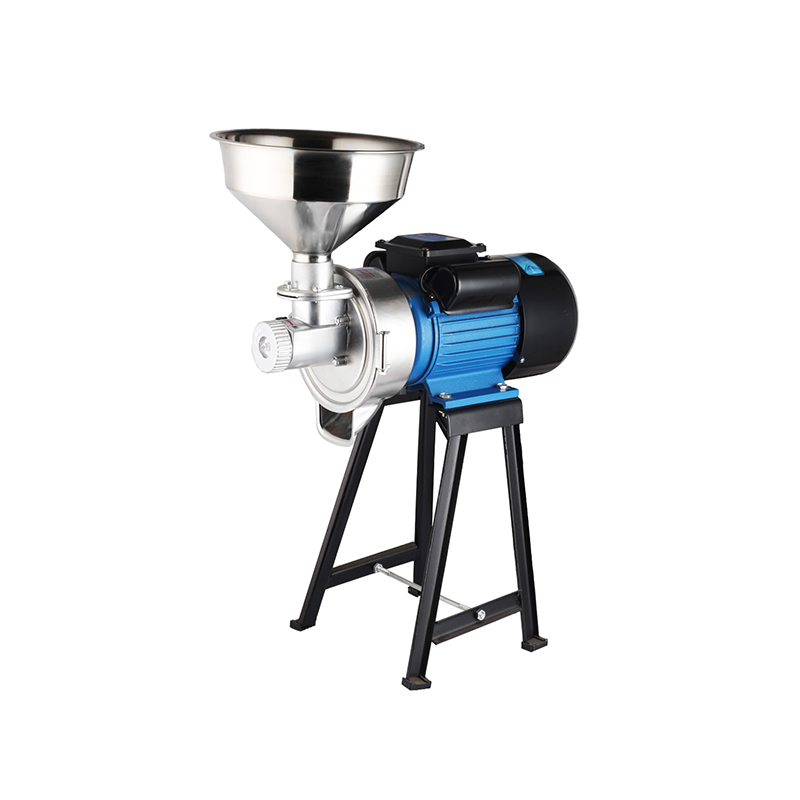
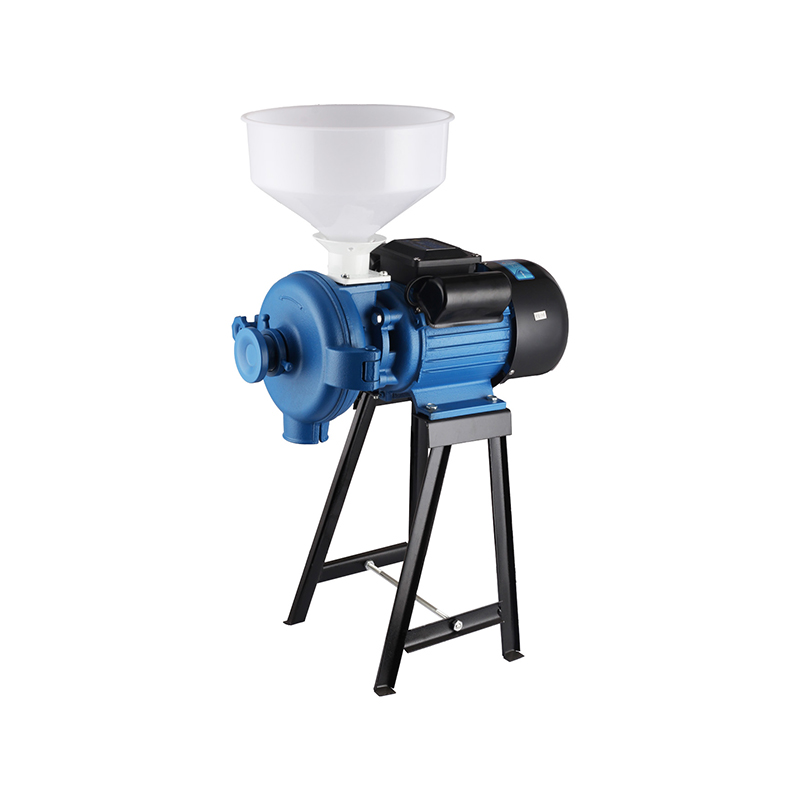
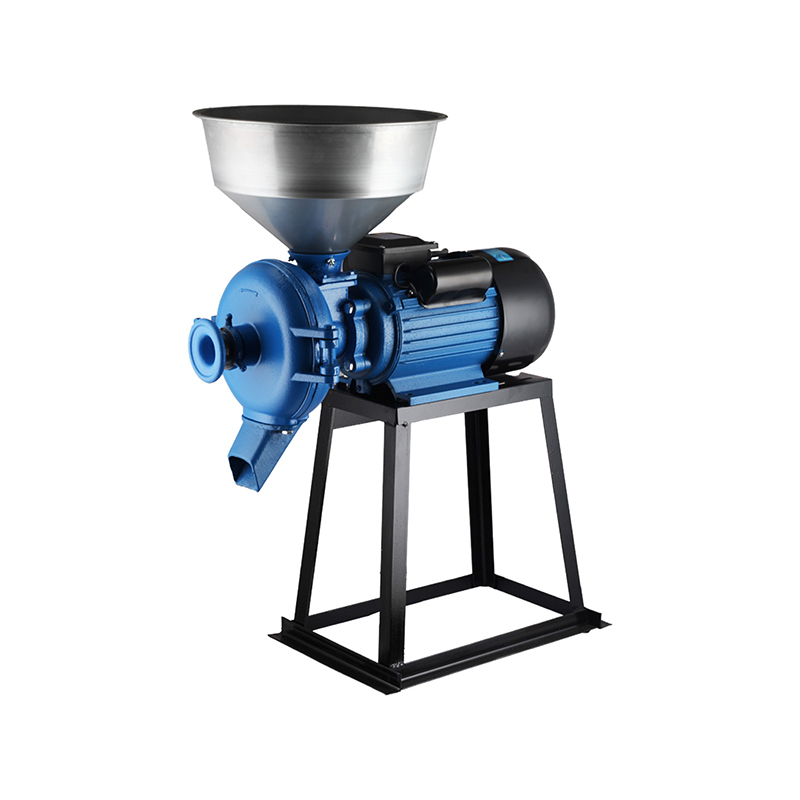
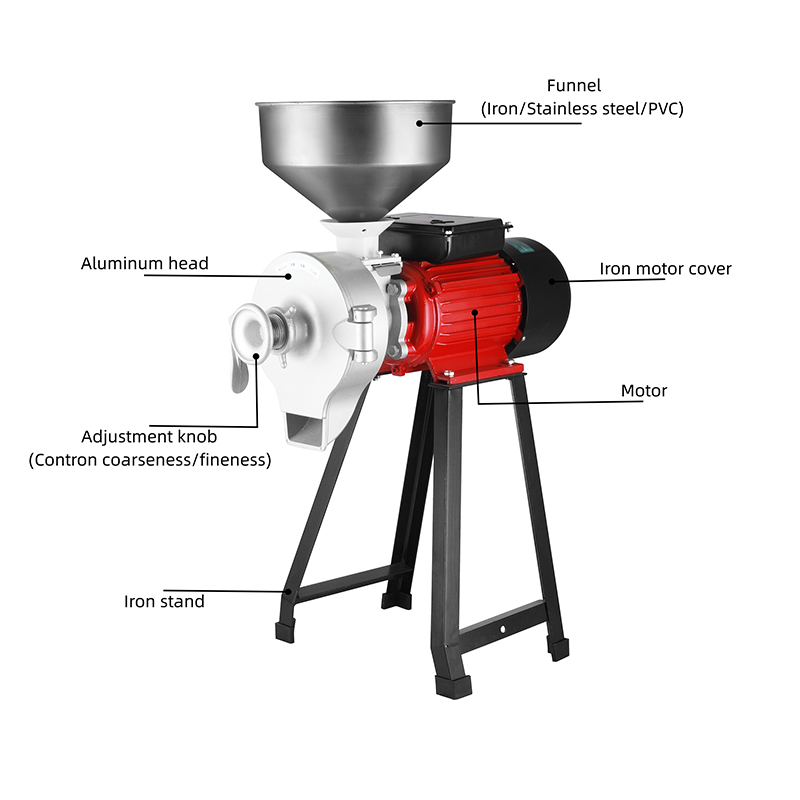
The Grain Grinding Machine is a highly versatile and essential tool that serves a wide spectrum of users, ranging from individual home kitchens to large-scale industrial processing facilities. Its capacity to grind and process a variety of grains, including wheat, corn, barley, oats, and specialty cereals, efficiently and consistently has positioned it as a central component in modern food preparation, commercial feed production, artisanal baking, and both small-to-large-scale grain milling operations, supporting nutrition, convenience, and productivity across diverse applications.
Applications Across Different Scenarios
1. Home Use:
Home bakers and small households increasingly use grain grinding machines to produce fresh flour from wheat, corn, rye, or other grains. Benefits include:
2. Commercial Grain and Feed Processing:
Small businesses, bakeries, and feed producers utilize machines designed for higher throughput. Typical applications include:
3. Industrial Food Processing:
Large-scale food manufacturers rely on heavy-duty grain grinding machines to meet stringent production requirements:
4. Feed and Livestock Operations:
In agriculture and livestock production, feed mills use grain grinding machines to prepare animal feed efficiently:
Home vs Commercial Machines: Pros and Cons
Home Machines:
Commercial / Industrial Machines:
| Feature | Home Use | Commercial / Industrial Use |
|---|---|---|
| Output Capacity | Low | High |
| Noise Level | Low | Moderate to High |
| Maintenance | Simple | Requires trained staff |
| Grind Consistency | Adjustable | Very consistent |
| Durability | Moderate | High, built for long hours |
| Grain Types | Limited | Multi-grain capable |
Choosing the Right Machine
Choosing the right grain grinding machine largely depends on the user’s specific needs and intended applications. For home users, versatile machines are ideal, providing convenient, small-batch flour production or specialty grain milling. These units are easy to operate, simple to clean, and suitable for occasional use, allowing households to enjoy fresh, nutrient-rich flour with minimal effort.
In contrast, businesses and industrial operators require machines built for higher capacity and continuous operation. Such equipment must offer consistent grind quality, accommodate multiple grain types, and withstand extended hours of use without frequent maintenance. Investing in durable, reliable machines ensures efficiency, reduces downtime, and supports large-scale production demands, whether for commercial bakeries, feed mills, or food processing facilities.
Ultimately, Grain Grinding Machine technology is adaptable across a wide spectrum of applications. From home kitchens producing fresh, artisan flour to industrial operations handling tons of grains daily, selecting the appropriate machine for the specific scenario ensures optimal performance, high-quality output, and long-term reliability.
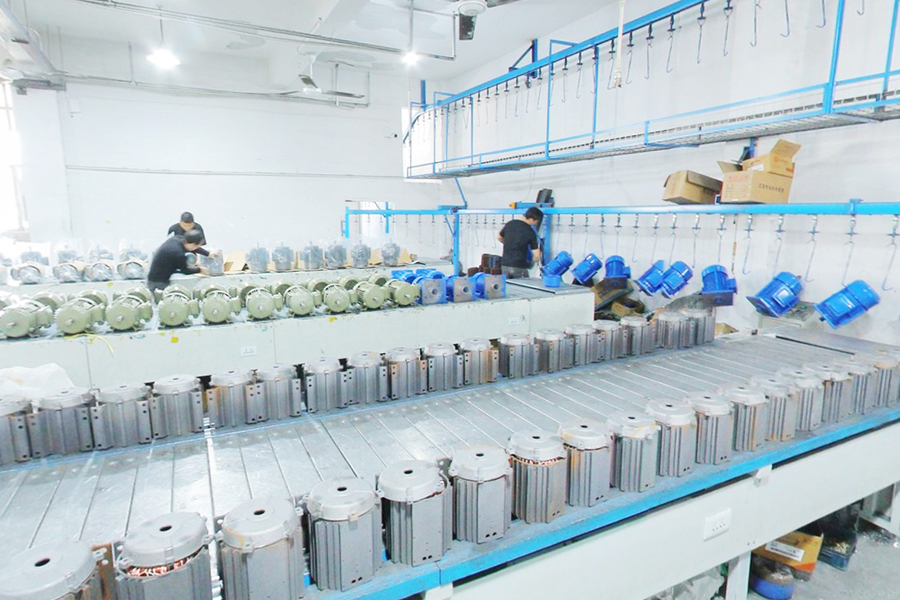
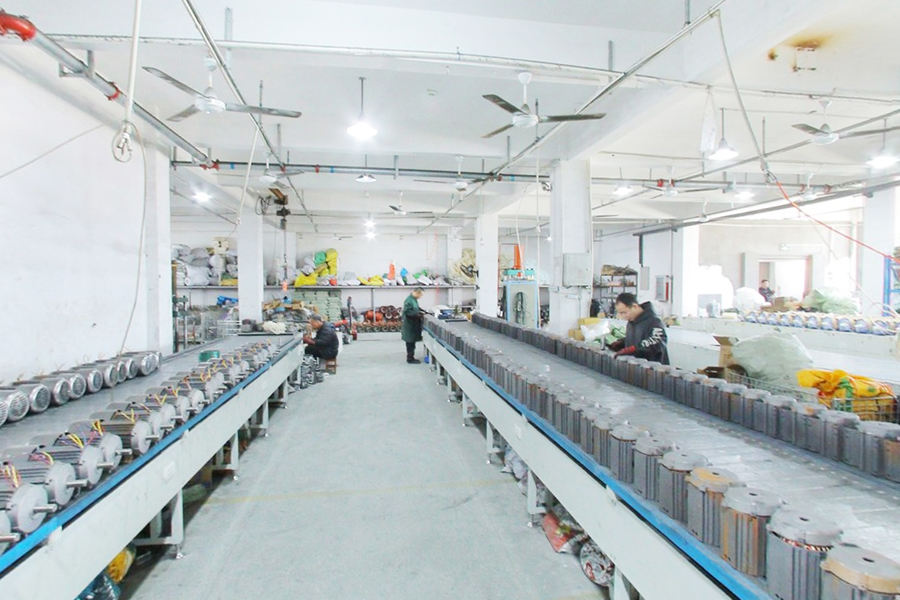
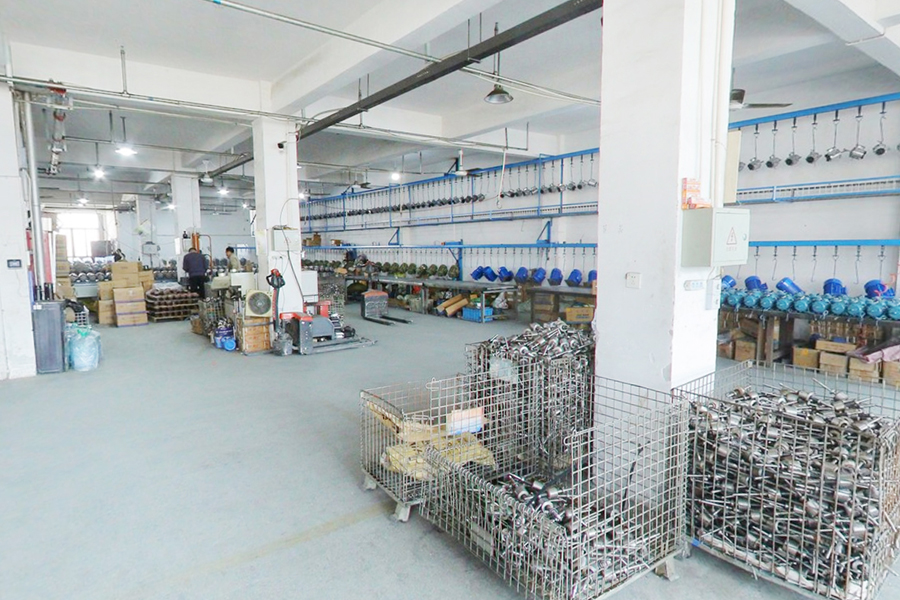
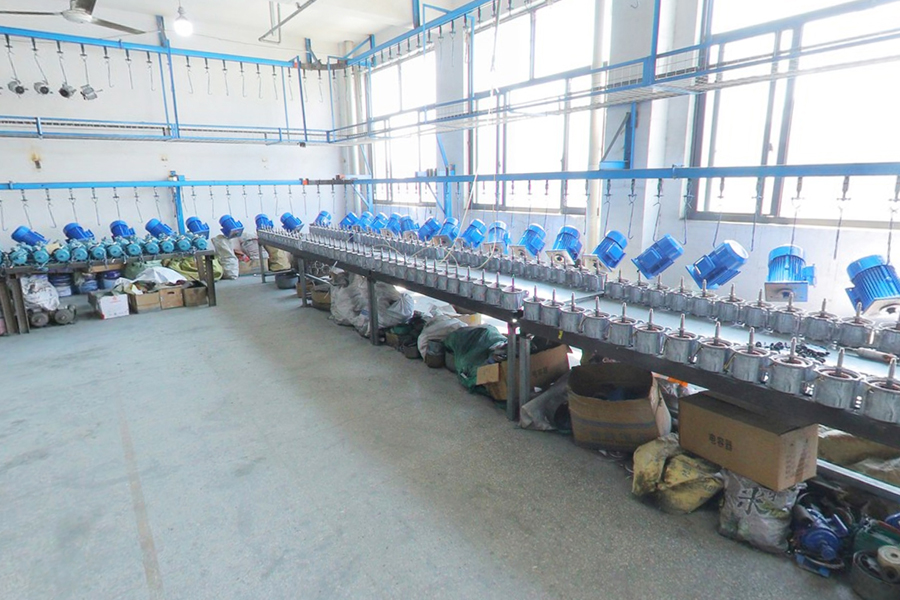
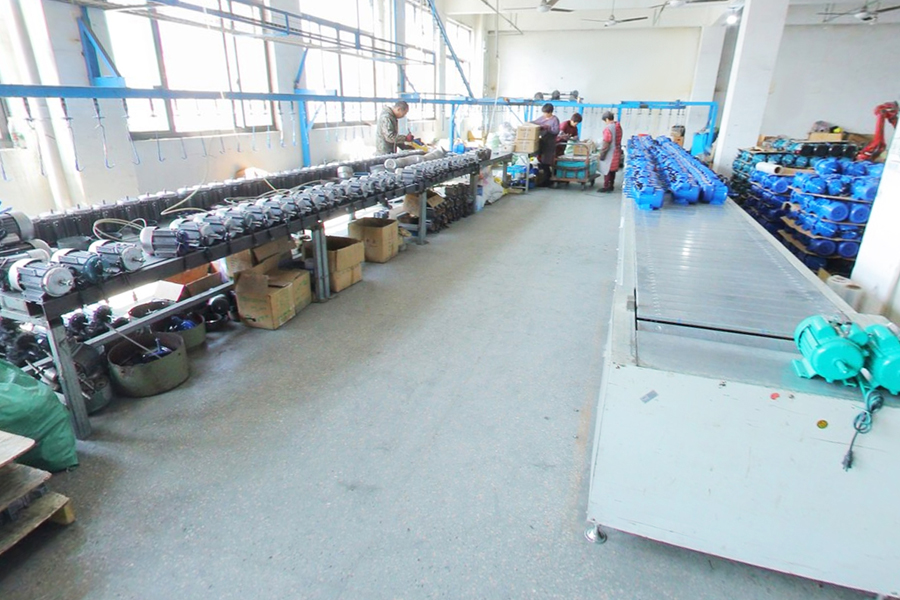
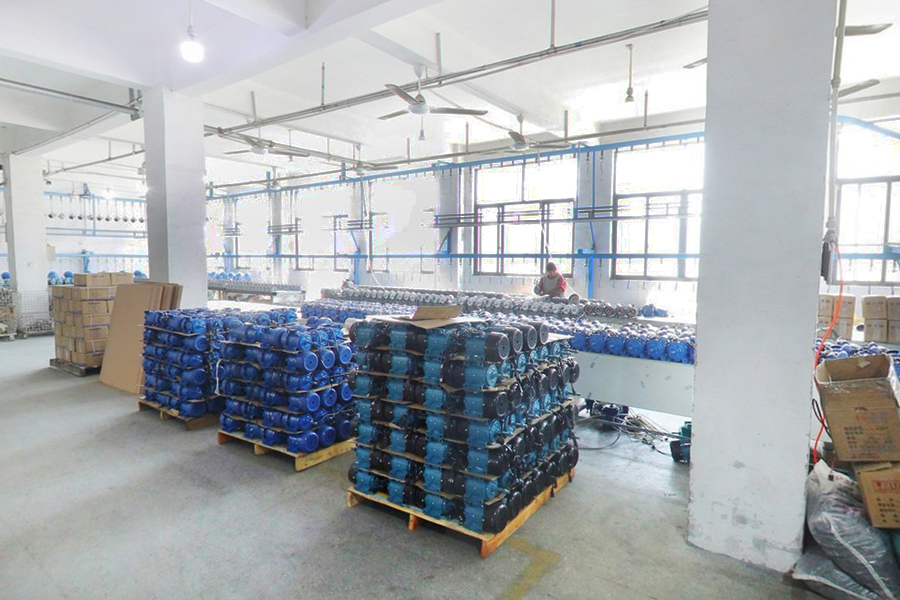
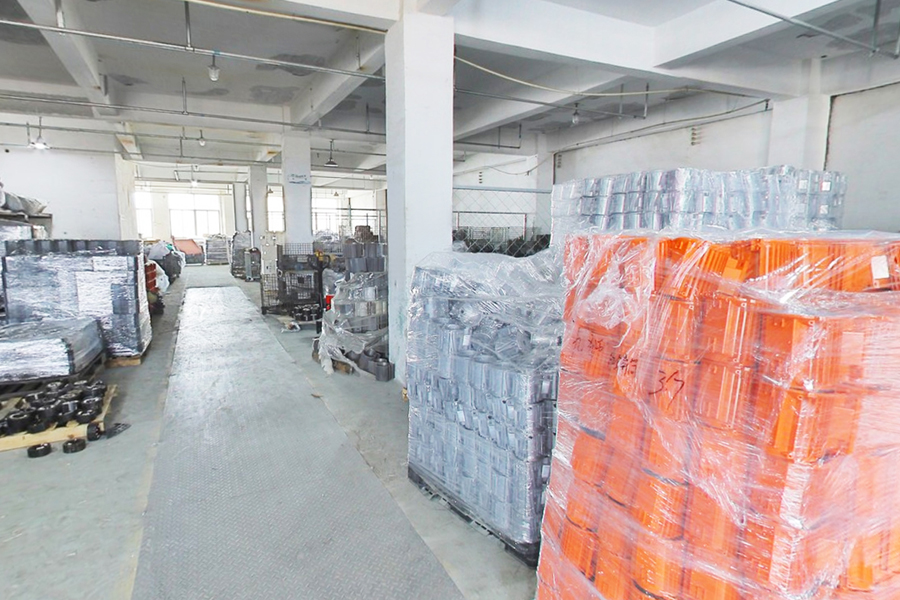
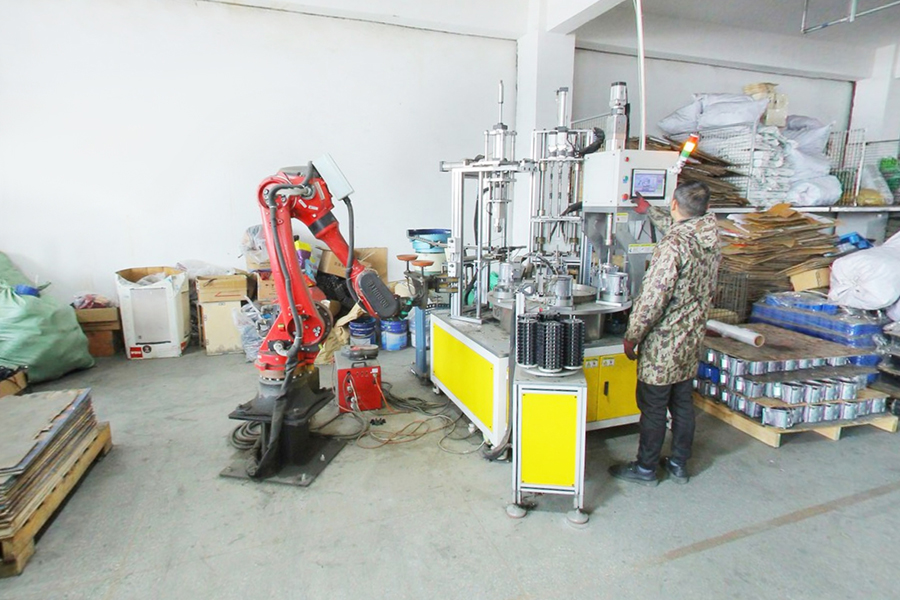

Asynchronous Motor Manufacturer



 English
 中文简体
中文简体