-
 [email protected]
-
 +86 15857619833
-
+86-18989628252
[email protected]
+86 15857619833
+86-18989628252

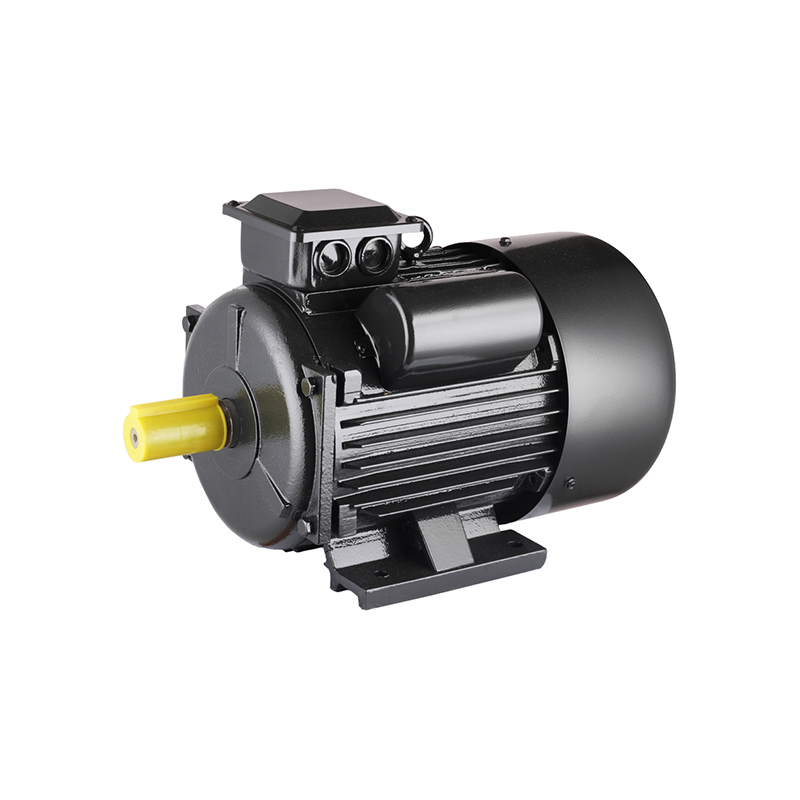
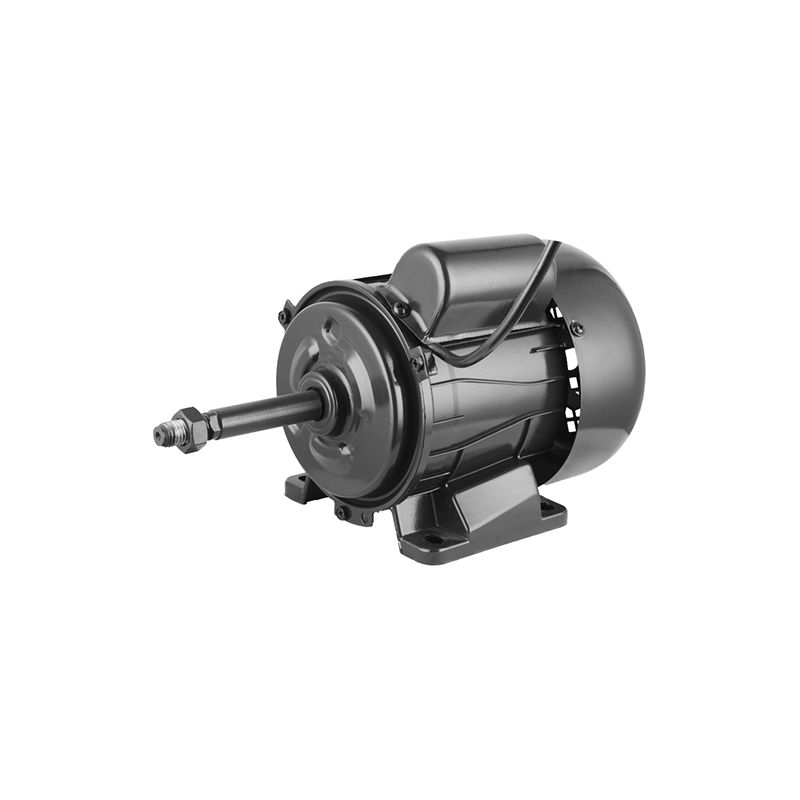
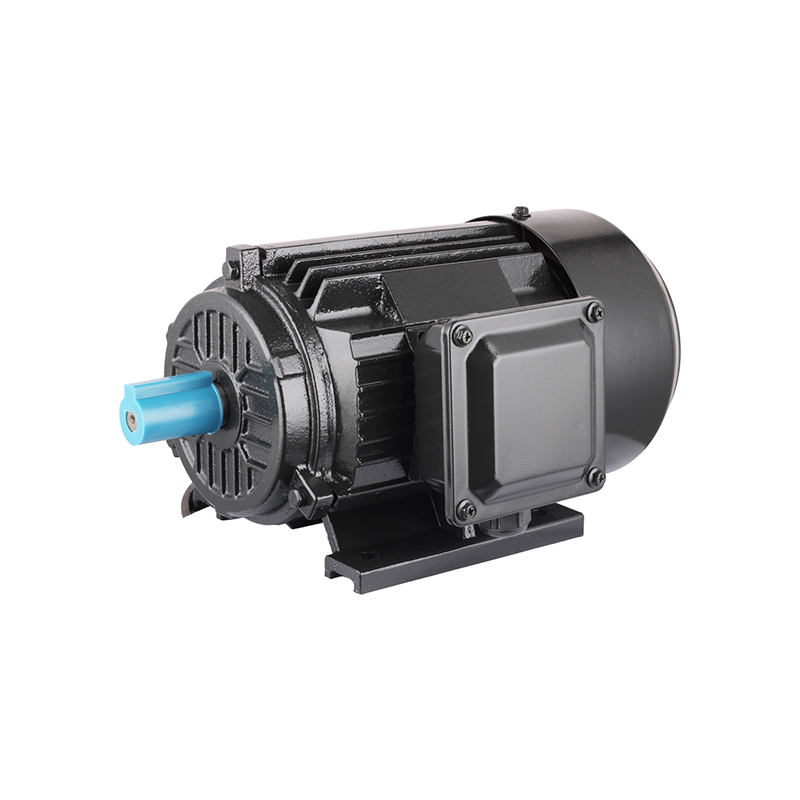
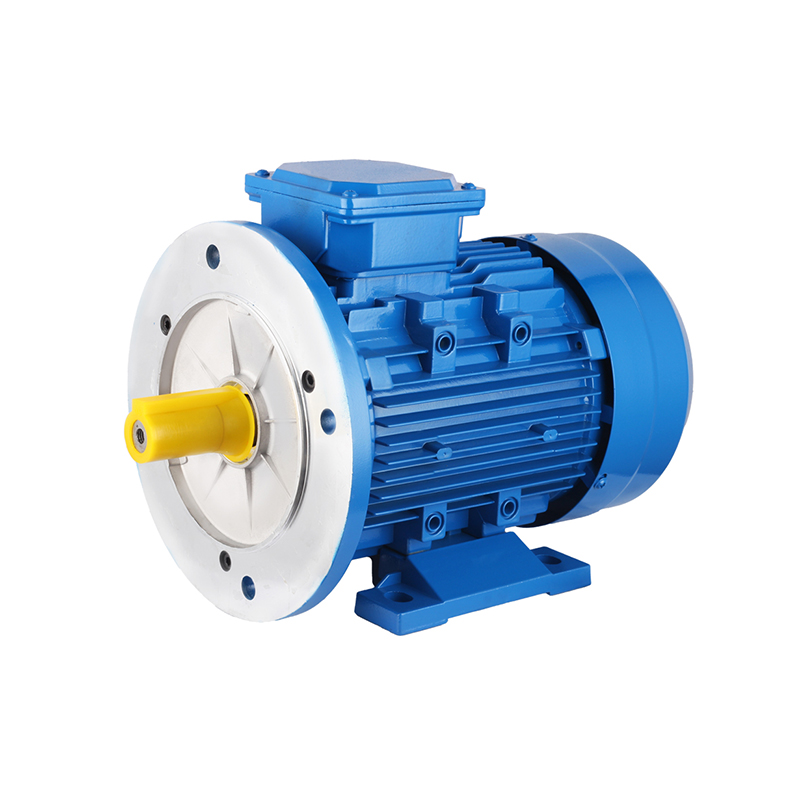
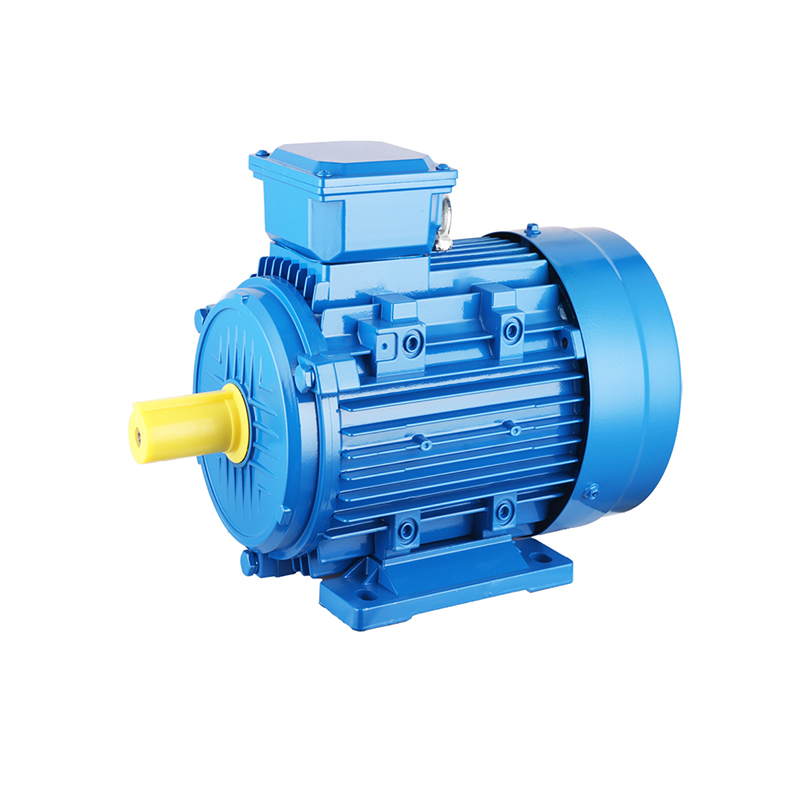
IE2 three-phase asynchronous electric motors are commonly used in industrial and commercial applications due to their combination of efficiency, durability, and adaptability. Classified under international efficiency standards, IE2 represents a high-efficiency level above basic motors but below premium classifications. These motors are designed for reliable operation across a variety of industrial settings.
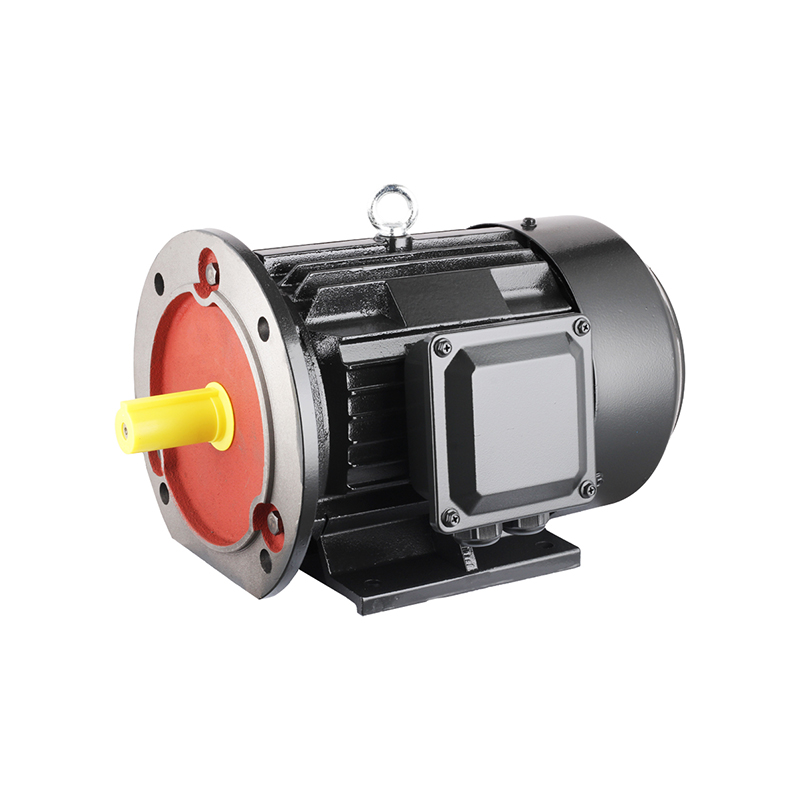
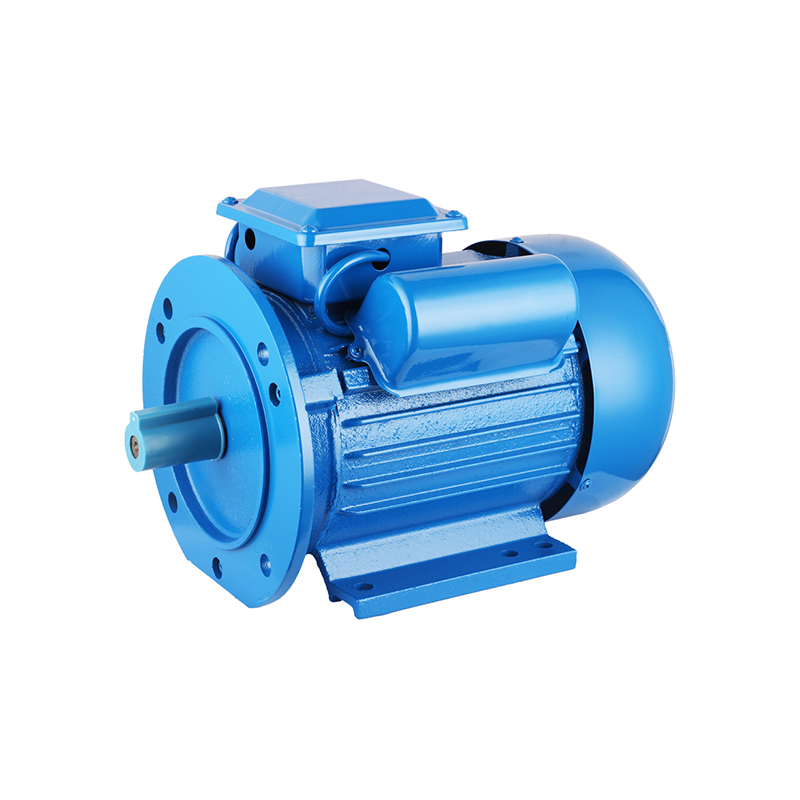
Structurally, IE2 motors are typically squirrel-cage induction machines. They operate on a three-phase AC supply at standard frequencies and are suitable for continuous duty operation. The motor housing is often made of cast iron or aluminum, providing both structural stability and heat dissipation. Cooling is generally achieved through a fan-cooled, fully enclosed design, which helps maintain performance under extended operation. Motors are available in a range of frame sizes and mounting types, including foot-mounted, flange-mounted, and combined configurations, allowing flexibility in installation. Standard protection levels ensure resistance to dust and moisture, making these motors suitable for many work environments.
Performance-wise, IE2 motors offer improvements over standard efficiency designs. Efficiency increases with motor size and power rating, which helps reduce energy losses during operation. Improved efficiency also contributes to lower operating temperatures, reduced vibration, and quieter operation. These characteristics make IE2 motors suitable for applications where moderate energy savings and reliable performance are desirable without significantly higher initial costs.
IE2 motors are commonly applied in systems such as pumps, fans, conveyors, compressors, and other mechanical equipment. They are suitable for continuous operation and can handle varying load conditions within defined ranges. The ability to operate under stable temperatures and moderate mechanical stress makes them a practical choice for both new installations and retrofit projects. Their mechanical simplicity and robustness also facilitate maintenance and long service life.
From an operational perspective, IE2 motors allow for flexible electrical connections, including star and delta configurations, depending on installation and load requirements. Their thermal and insulation design ensures safe operation in environments with moderate ambient temperatures. Additionally, the motors’ construction allows for integration with variable frequency drives under suitable conditions, further enhancing operational flexibility.
In summary, IE2 three-phase asynchronous electric motors offer a balance of efficiency, durability, and installation flexibility. They are widely used in industrial and commercial applications, providing reliable performance across a variety of operational conditions. Their design supports moderate energy savings while maintaining simplicity and ease of maintenance, making them a practical choice for many engineering applications.
Frequently Asked Questions
Q1: What defines an IE2 motor?
A: IE2 indicates a high-efficiency motor level above standard efficiency but below premium levels.
Q2: Where are IE2 motors typically used?
A: They are commonly applied in pumps, fans, conveyors, compressors, and similar industrial equipment.
Q3: Can IE2 motors operate with variable frequency drives?
A: Yes, if designed with suitable insulation and cooling. Manufacturer specifications should confirm compatibility.
Q4: How do IE2 motors differ from standard efficiency motors?
A: IE2 motors offer higher energy efficiency, lower operating temperatures, and reduced vibration compared to standard designs.
Q5: What mounting options are available for IE2 motors?
A: Common options include foot-mounted, flange-mounted, and combined configurations to suit different installation requirements.
Q6: What is the typical cooling method for IE2 motors?
A: Most IE2 motors use a fan-cooled, fully enclosed design to maintain stable operating temperatures and prevent overheating.
Q7: How is the efficiency of IE2 motors affected by size and load?
A: Efficiency generally increases with motor size and is highest at or near rated load, while efficiency can decrease under very low or fluctuating loads.
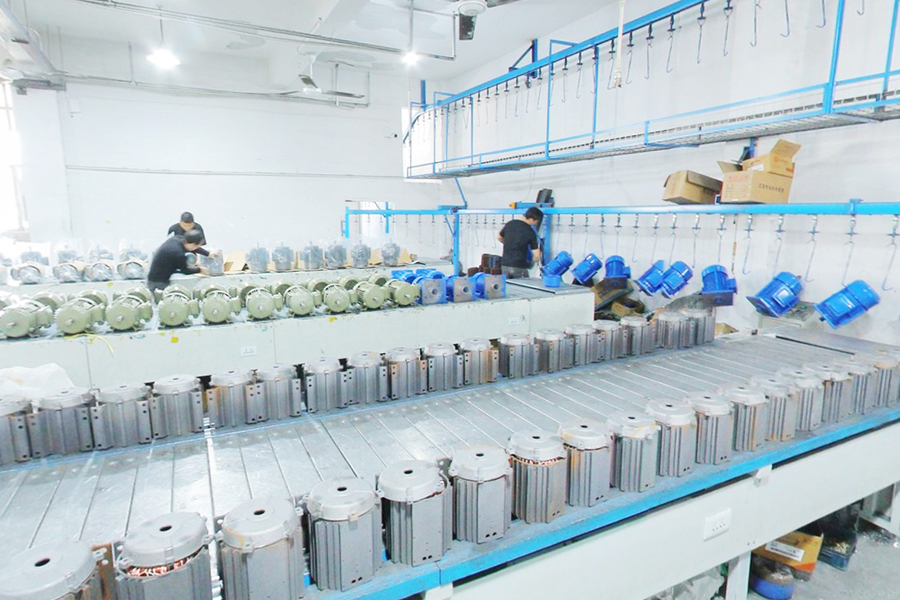
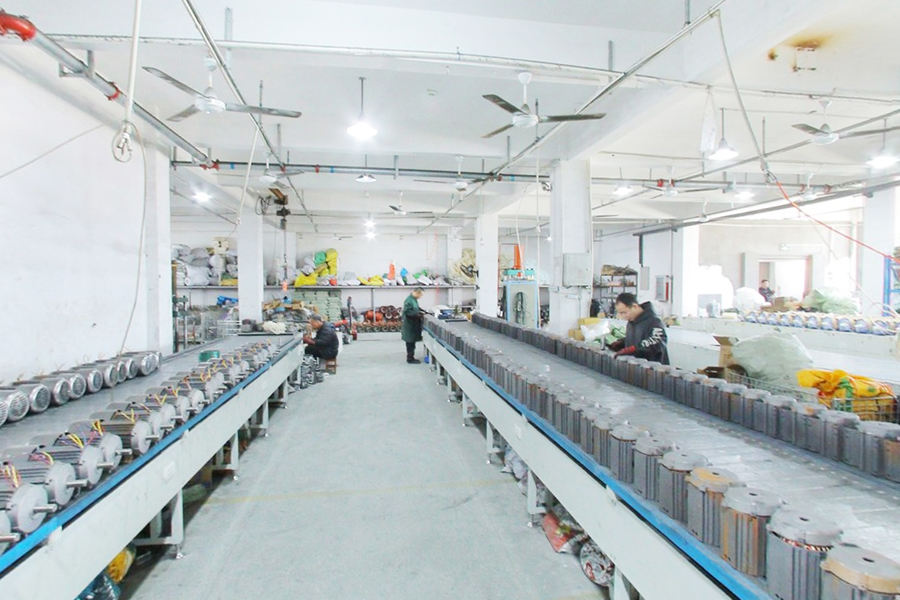
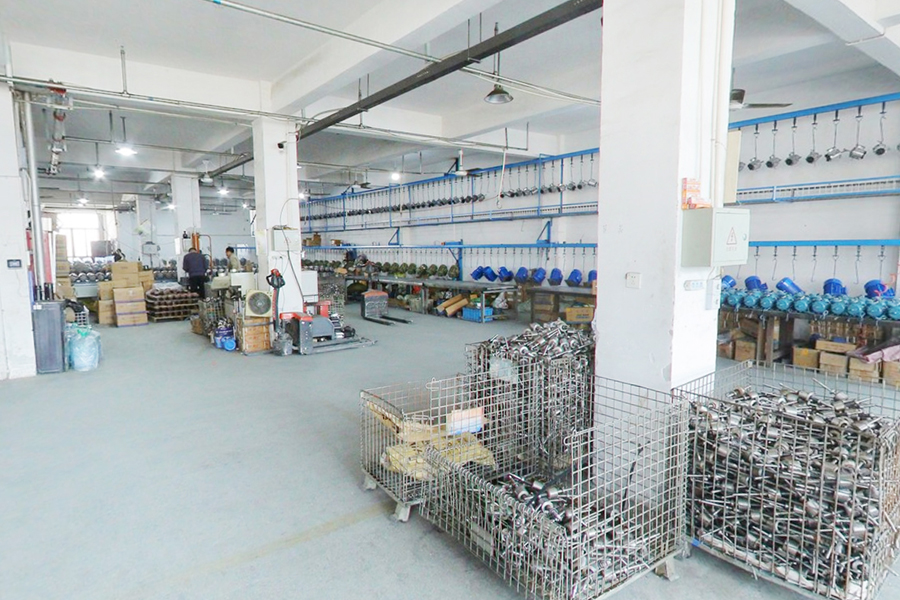
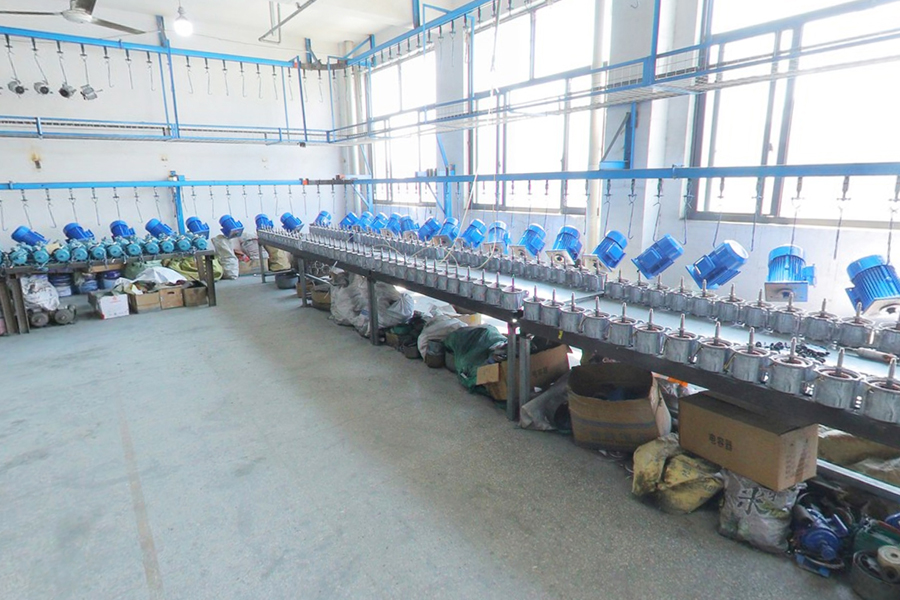

Asynchronous Motor Manufacturer



 English
 中文简体
中文简体