-
 [email protected]
-
 +86 15857619833
-
+86-18989628252
[email protected]
+86 15857619833
+86-18989628252

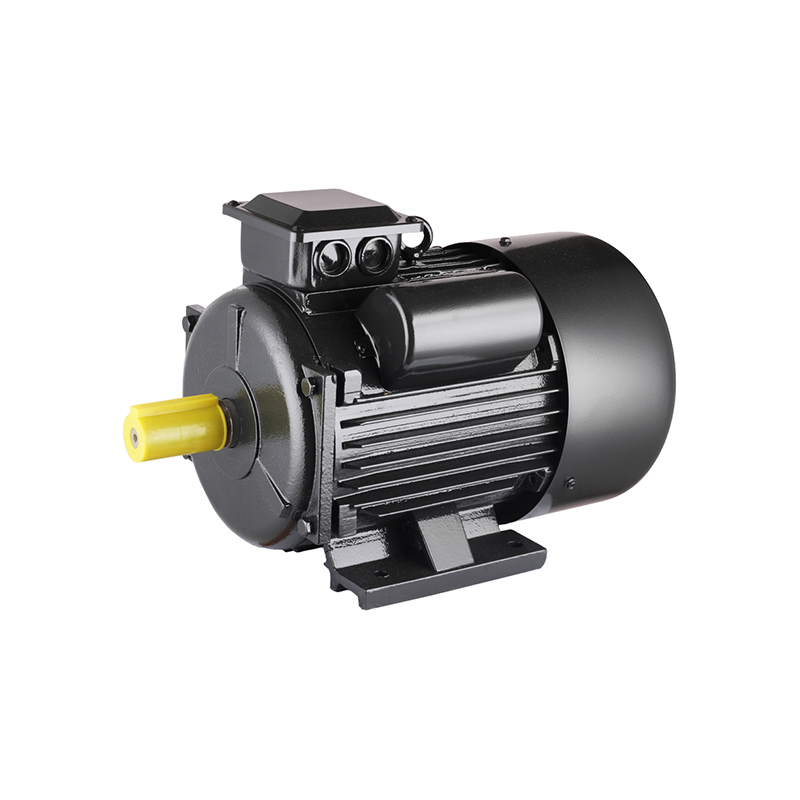
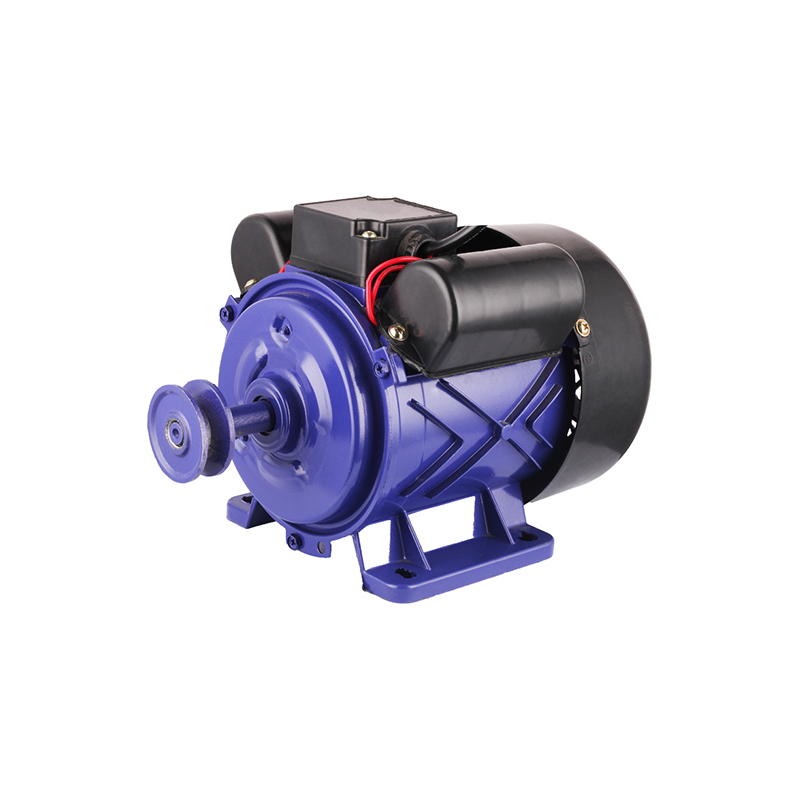
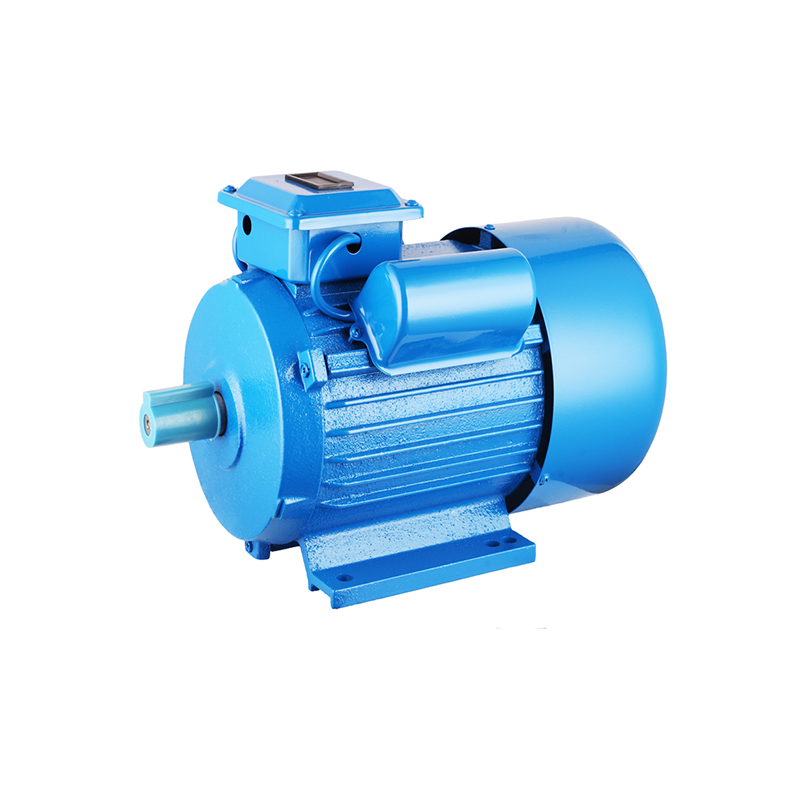
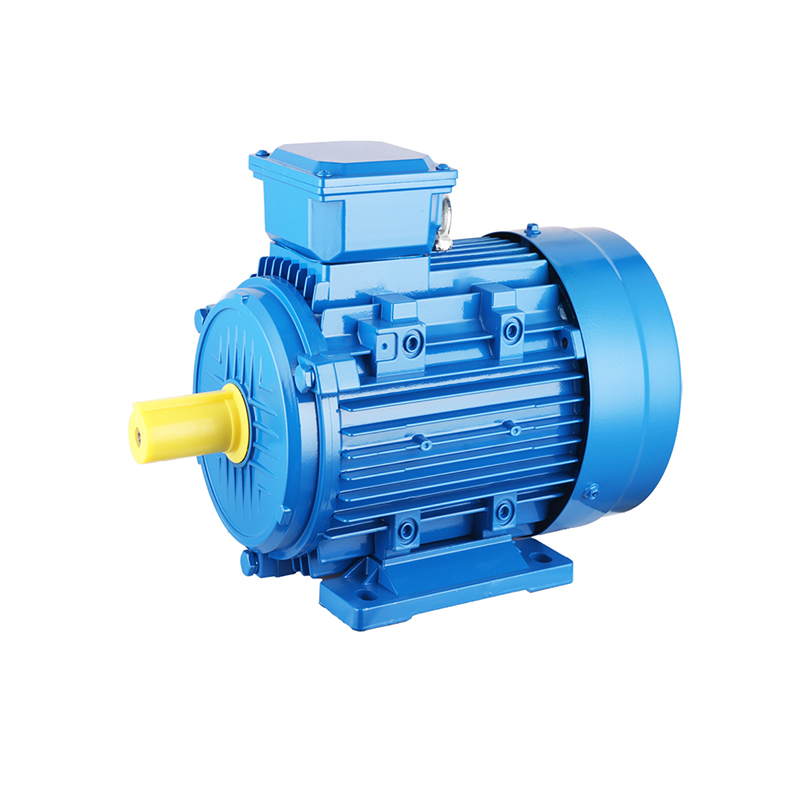
The Electric Motor is a fundamental element in industrial facilities, powering machines that perform diverse functions, including pumping, ventilation, conveyor movement, and automated production. Its reliable operation ensures that manufacturing, processing, and service systems maintain productivity. Across a wide range of industries, from food and beverage processing to material handling, electric motors serve as the primary means of converting electrical energy into mechanical motion.
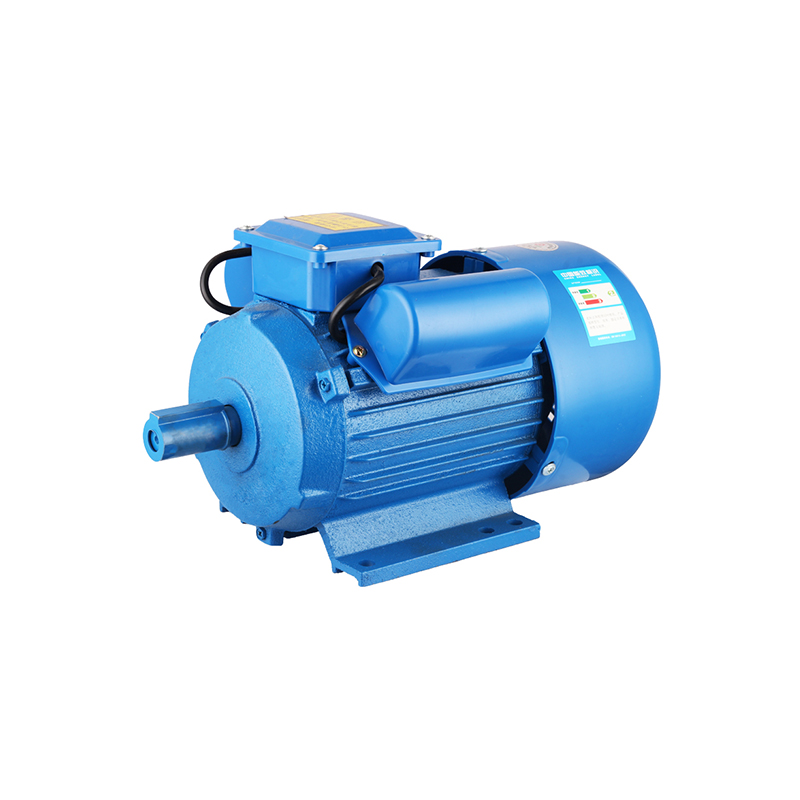
Modern electric motors are built with improved winding insulation, precision components, and optimized magnetic circuits, allowing for stable operation under variable loads. Efficiency ratings indicate that newer designs can operate 10–15 percent more efficiently than older models of the same size, reducing energy losses and heat generation. This improvement not only lowers electricity costs but also helps extend the lifespan of connected equipment, as less heat and vibration contribute to reduced wear on shafts, bearings, and couplings.
In industrial applications, motors are often paired with control systems such as variable frequency drives (VFDs) or programmable logic controllers (PLCs). These systems allow speed and torque to be adjusted dynamically according to operational requirements. For example, a conveyor system transporting materials of varying weight may benefit from reduced speed during light loads and higher torque during heavier loads. This flexibility improves energy efficiency and reduces mechanical stress on belts, rollers, and pulleys.
Environmental conditions are another factor influencing motor selection and performance. Motors in dusty, humid, or temperature-sensitive areas may require enhanced enclosures, additional cooling, or monitoring systems. Sensors measuring vibration, current, and temperature can help maintenance teams detect issues before they become critical. Predictive maintenance using these signals allows for timely interventions, improving reliability and reducing unplanned downtime.
Operational versatility is a key advantage of electric motors. They can handle frequent starts and stops, intermittent duty cycles, and varying torque demands without significant performance loss. Facilities with multiple production lines or flexible manufacturing setups often rely on this adaptability to maintain smooth operations. Furthermore, motors can be installed in series or parallel to drive multiple components simultaneously, providing consistent rotational motion across complex systems.
Energy management is a growing concern in industrial settings. By integrating motors with smart control systems, operators can reduce energy use by matching motor output to actual load. For instance, in pumping systems, adjusting motor speed according to fluid demand can cut unnecessary energy consumption without affecting process performance. Efficient motor operation also reduces heat buildup, which can lower cooling costs and contribute to longer insulation and component life.
Training and monitoring also play a role in motor efficiency. Operators who understand torque requirements, load conditions, and maintenance schedules can prevent overloading and minimize wear. Structured maintenance routines, including lubrication, alignment checks, and inspection of winding insulation, ensure that motors continue to perform optimally throughout their service life.
In summary, the Electric Motor remains indispensable in modern industry. Its ability to deliver controlled motion, integrate with digital control systems, and operate efficiently under variable conditions makes it a cornerstone of production reliability and energy management. Facilities that optimize motor selection and monitoring can achieve measurable improvements in uptime, energy usage, and equipment longevity, while maintaining operational flexibility.
Frequently Asked Questions (FAQ)
Q: Where are electric motors commonly applied?
A: They are used in pumps, fans, conveyors, and various automated machinery requiring rotational motion.
Q: How can energy use be reduced?
A: Pairing motors with variable frequency drives and adjusting speed according to load energy consumption.
Q: How do environmental factors affect performance?
A: Temperature, dust, humidity, and airflow can impact cooling and protective requirements.
Q: What maintenance tasks improve reliability?
A: Monitoring vibration, temperature, electrical load, and performing lubrication and alignment checks.
Q: Can motors handle variable loads?
A: Yes; modern designs maintain stable operation under fluctuating torque and intermittent duty cycles.
Q: How does predictive maintenance help?
A: It identifies potential issues early, reducing downtime and maintenance costs.

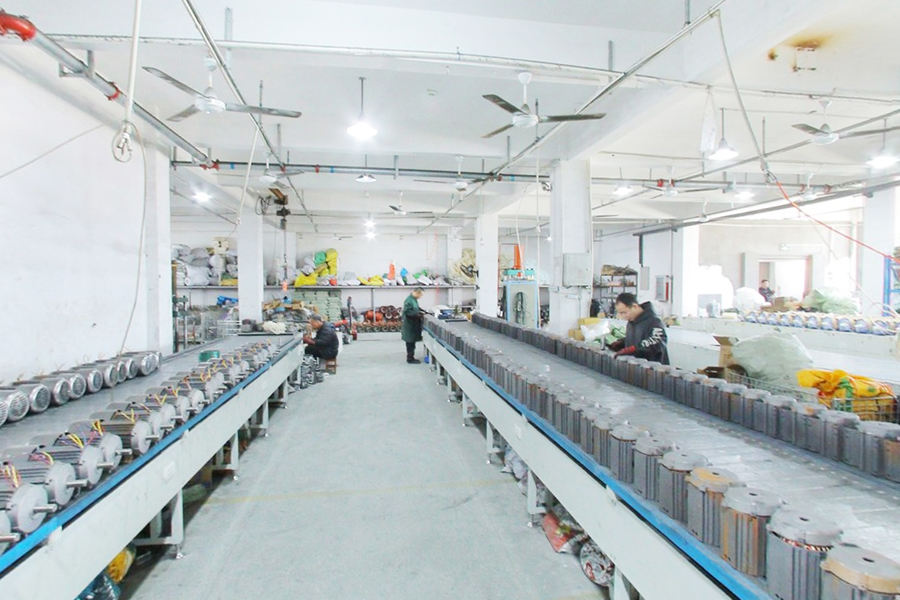
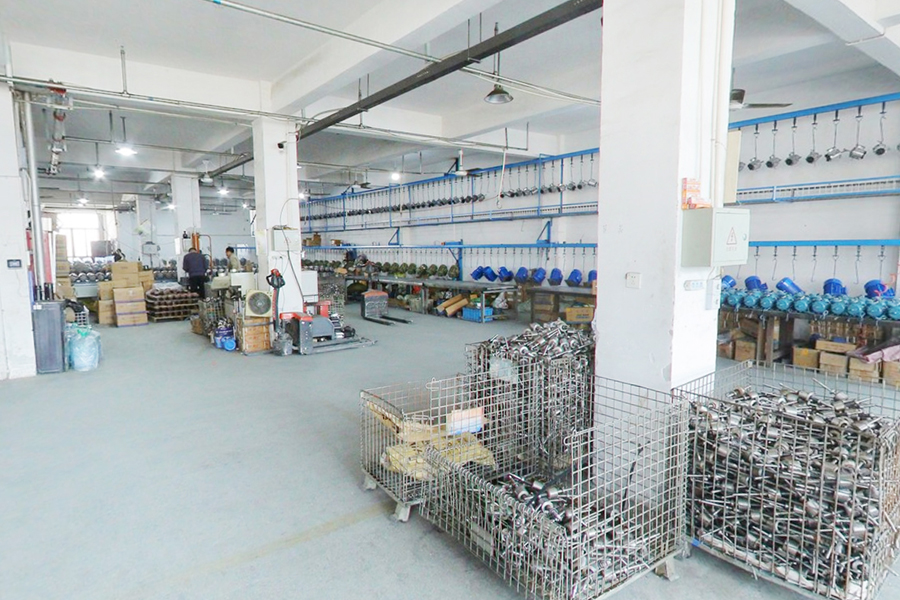
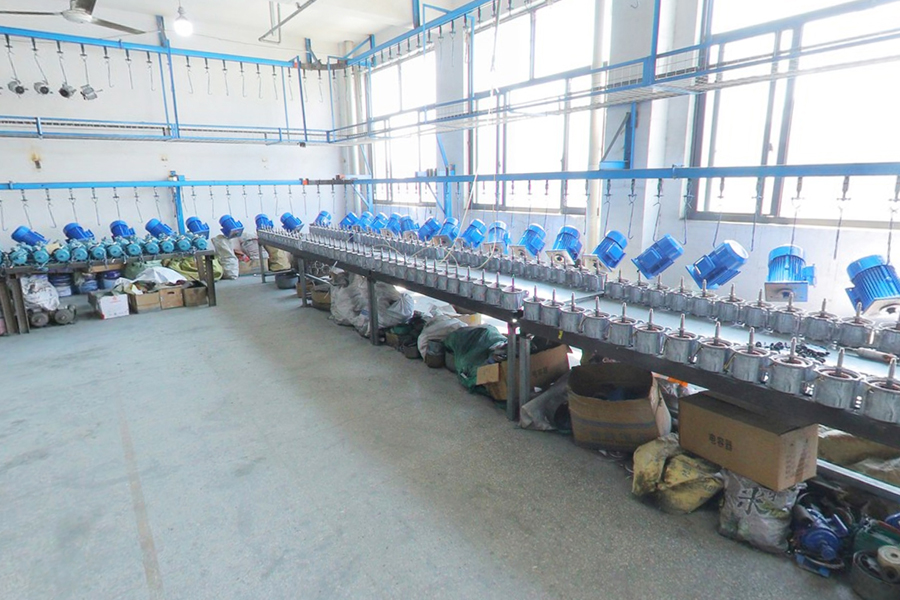
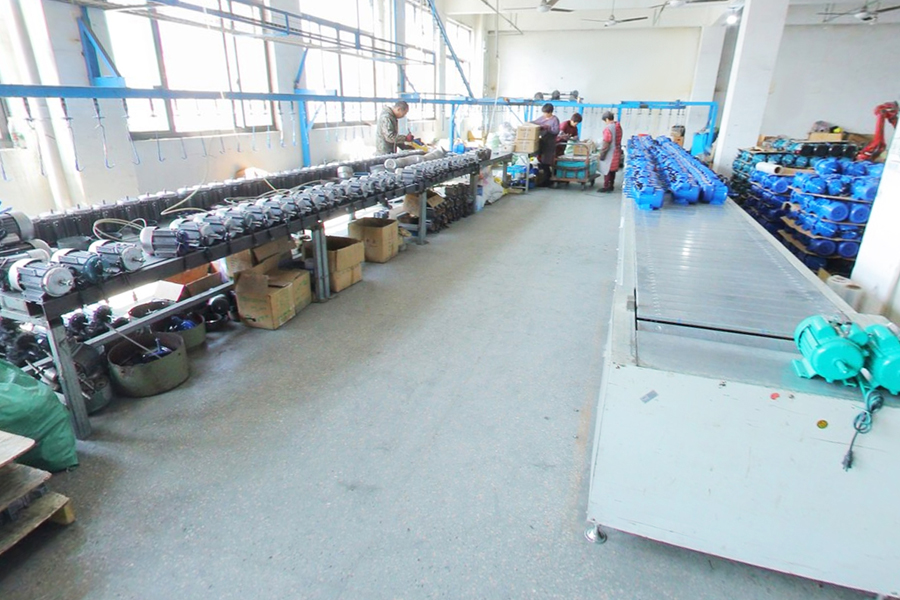
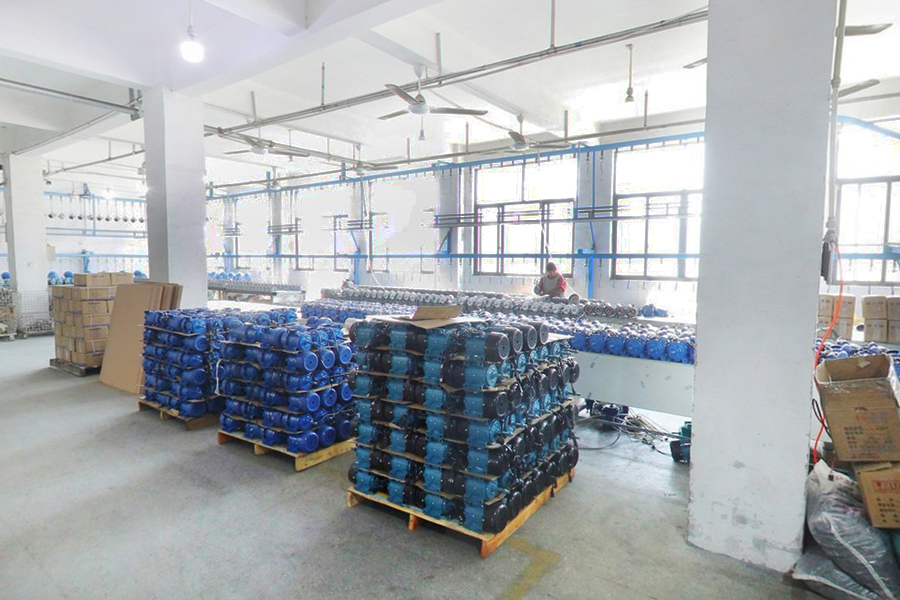
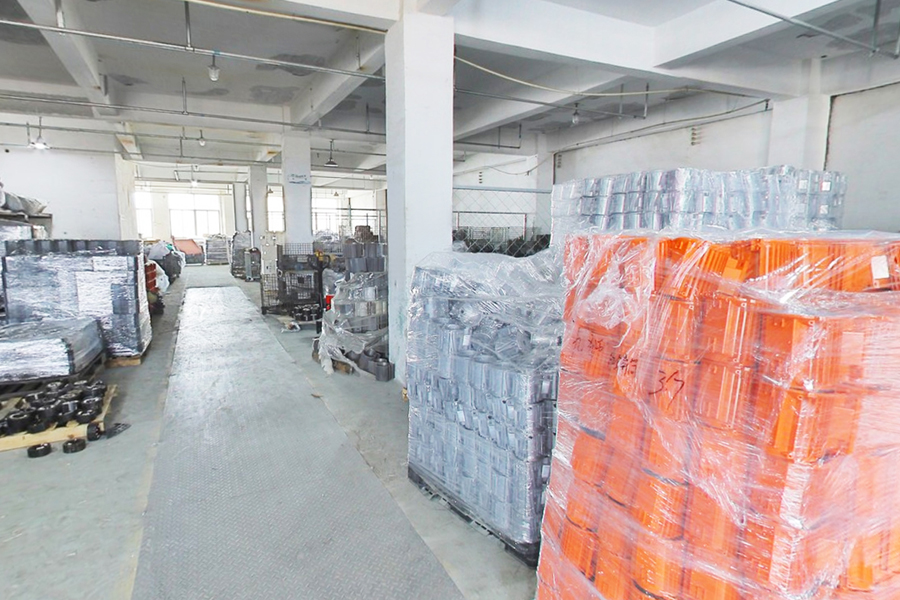
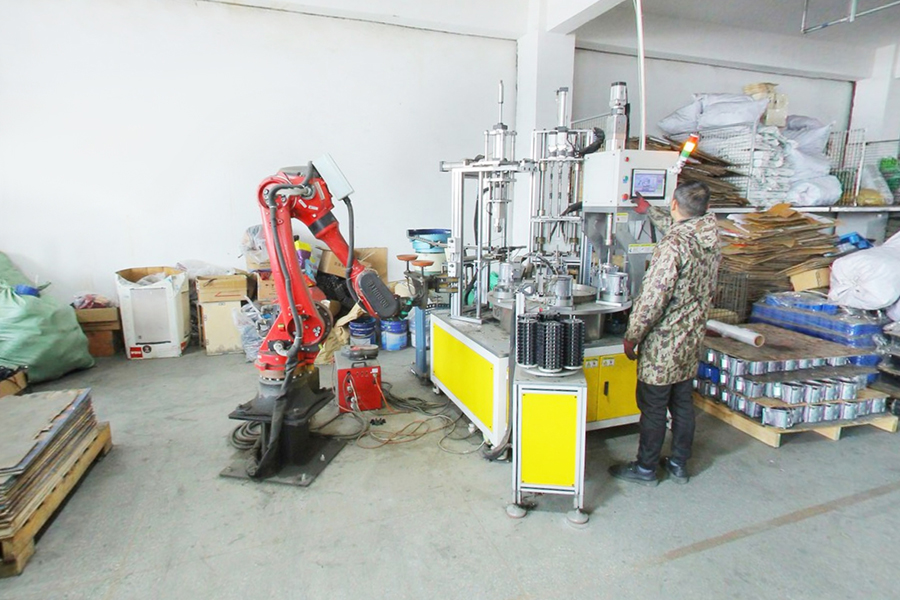
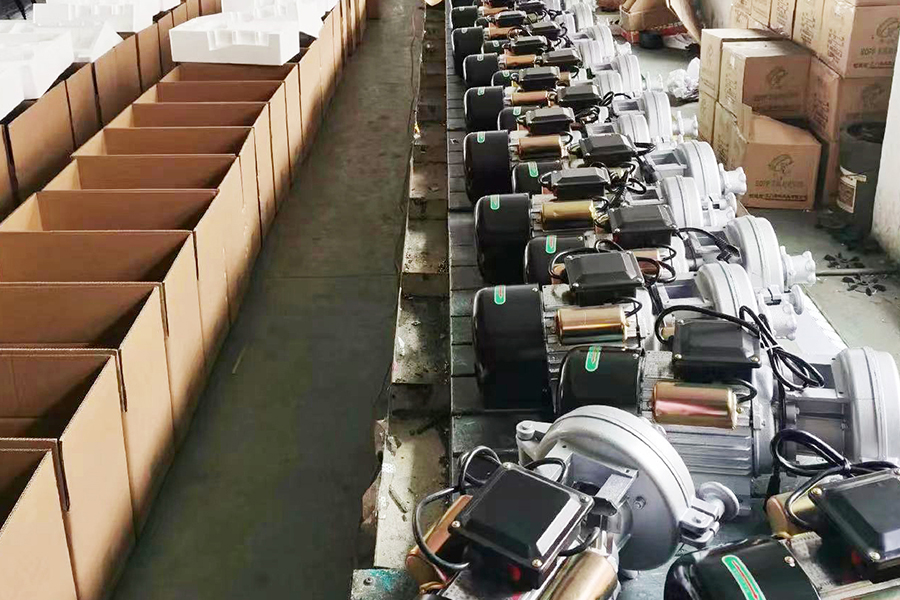
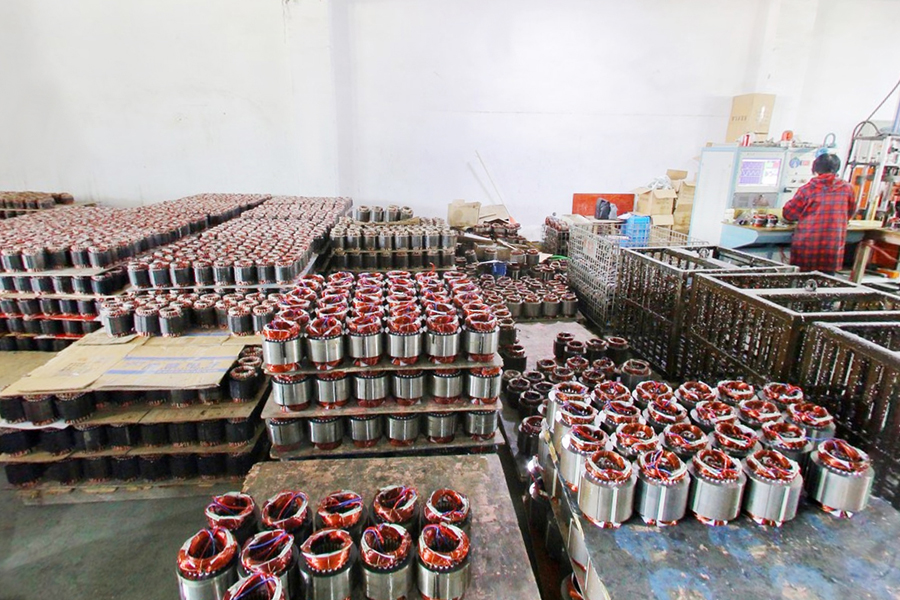
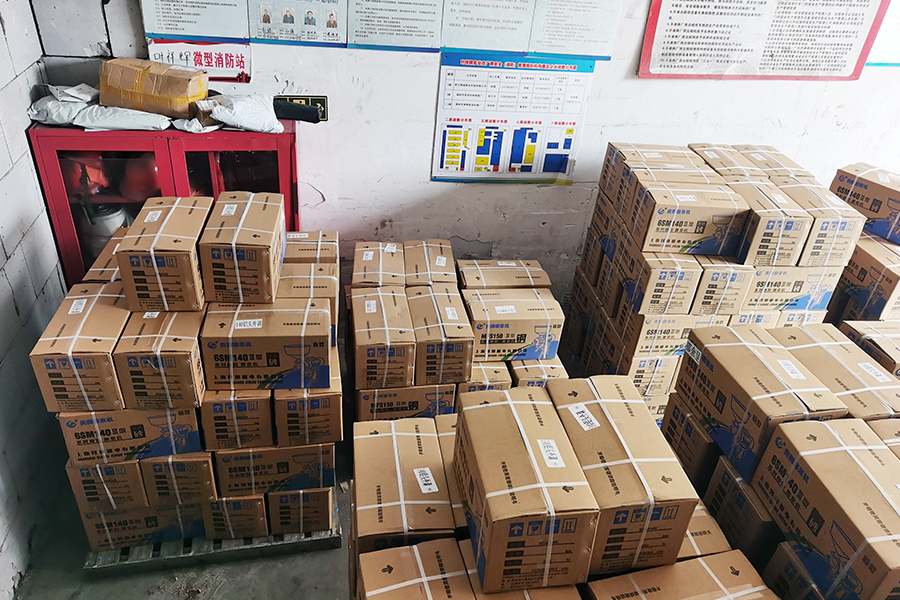

Asynchronous Motor Manufacturer



 English
 中文简体
中文简体