-
 [email protected]
-
 +86 15857619833
-
+86-18989628252
[email protected]
+86 15857619833
+86-18989628252

In industrial environments, Electric Motors are usually not noticed during daily operation, but they quietly determine how stable a system behaves. Once a motor starts running, it becomes part of a continuous energy chain, converting electrical input into mechanical movement that keeps machines working.
High-efficiency IE3 Industrial Electric Motor is often discussed in this context because it is designed with a focus on how energy behaves during long operation periods rather than only short bursts of output. In many equipment supply and integration scenarios, technical direction and product planning from Wenling Guanfeng Electromechanical Co., Ltd. can be found in developments related to this type of motor structure.
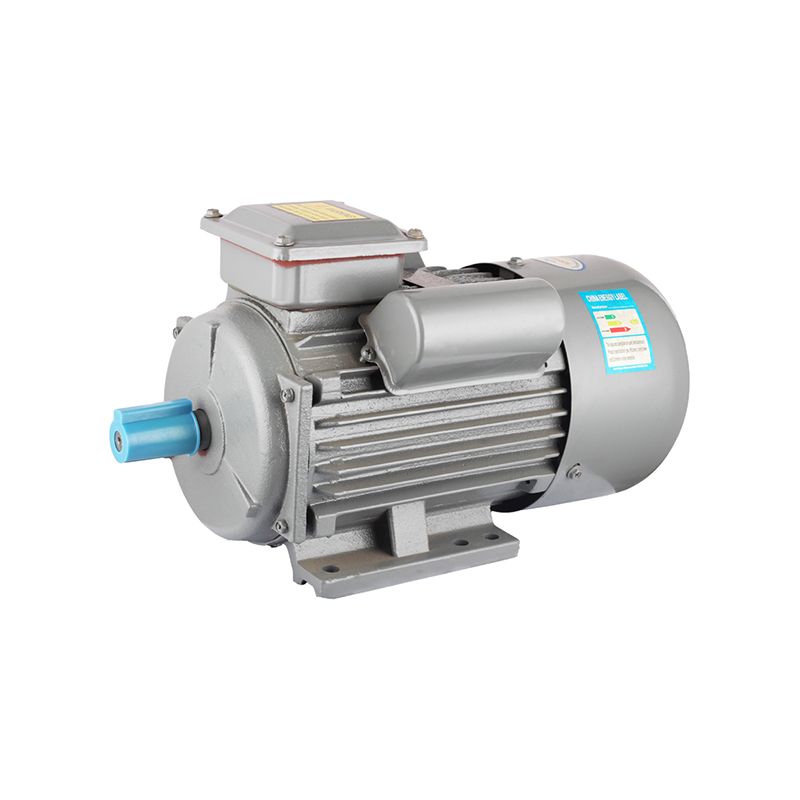
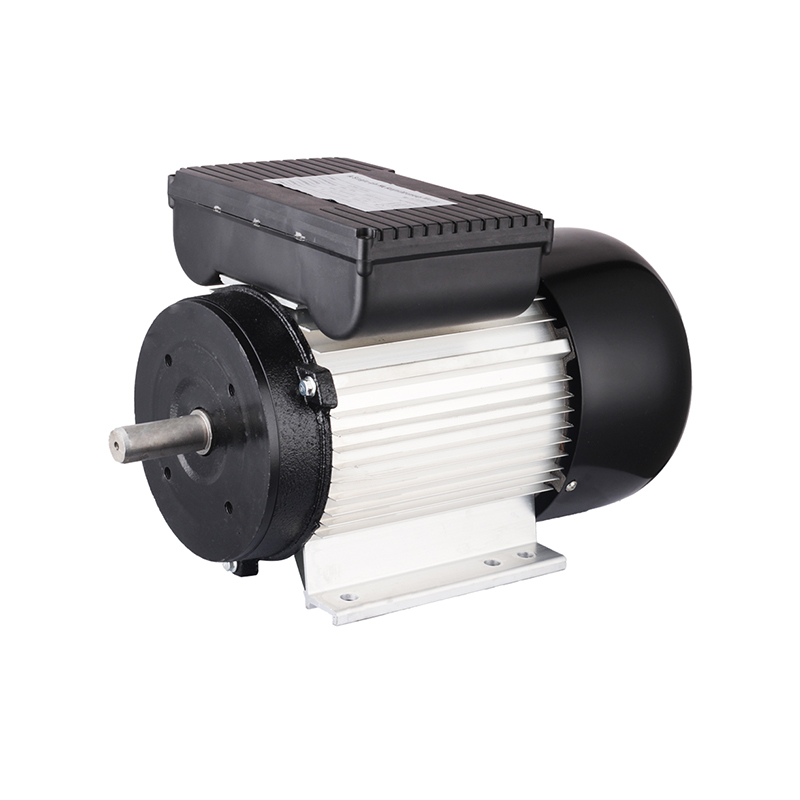
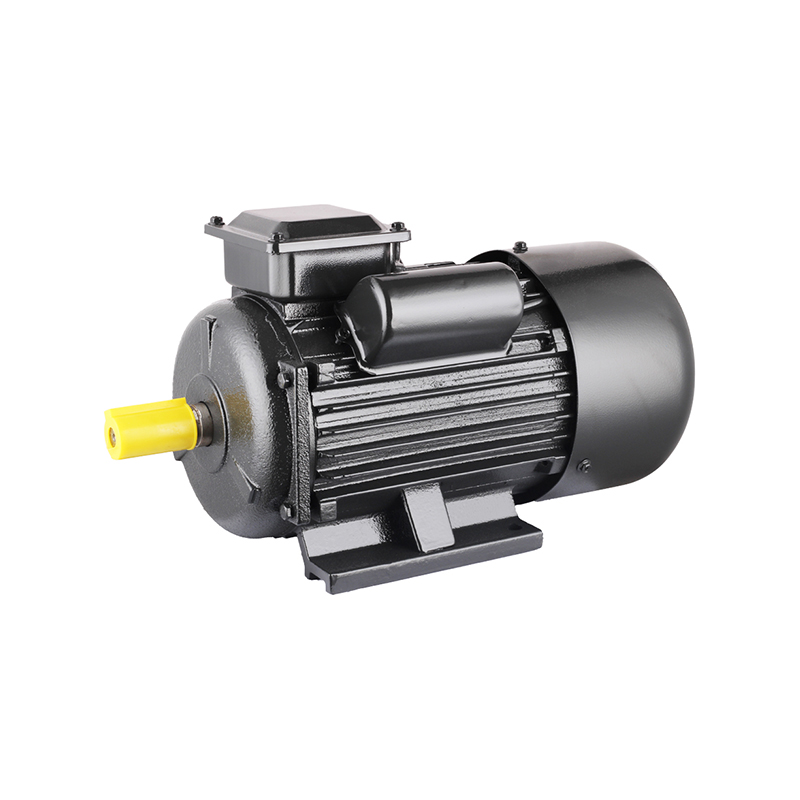
A High-efficiency IE3 Industrial Electric Motor is basically an Electric Motor designed to work within a defined efficiency range while handling continuous industrial tasks. It is not a different working principle, but a different way of managing how energy is used during operation.
Inside an industrial system, the motor usually connects to equipment such as pumps, conveyors, fans, or processing machines. Once installed, it becomes part of a larger movement system where electrical energy is turned into rotation and then transferred into mechanical work.
In practical use, the motor is expected to maintain a steady output even when the load is not completely stable. That is where IE3 type motors are often placed, especially in systems that run for long periods without frequent stopping.
Typical roles include:
The working process of this motor is based on electromagnetic interaction. When electrical energy enters the stator, it creates a rotating magnetic field. This field then interacts with the rotor, producing mechanical motion.
Although the principle is similar to other Electric Motors, the internal design of IE3 models is adjusted to manage how energy moves inside the system. The goal is not to change the function, but to control how energy is distributed during conversion.
During operation, several internal behaviors can be observed:
| Aspect | IE3 Industrial Electric Motor | Standard Electric Motor |
|---|---|---|
| Energy Flow | More controlled movement of energy | Less controlled variation |
| Heat Behavior | More balanced under steady load | More noticeable fluctuation |
| Load Reaction | Adjusts with smoother transition | Changes feel more direct |
| Operation Pattern | More stable during long running | More variation over time |
These differences are not about appearance or size, but about how internal energy paths behave during real use.
When placed in actual industrial systems, differences between IE3 motors and standard motors become easier to notice during operation rather than during installation.
Standard motors usually focus on basic conversion of energy without much adjustment to how losses occur inside the system. IE3 motors, on the other hand, are structured in a way that influences how energy is handled during continuous running.
In real usage, this leads to differences in several areas:
In systems where operation is continuous, these differences become more noticeable because the motor is working under consistent demand rather than short intervals.
IE3 motors tend to show a more even operating pattern when conditions vary, while standard motors may react more directly to those changes.
The IE3 efficiency level describes how effectively electrical energy is turned into mechanical output during operation. It does not change the basic structure of the motor, but it affects how energy loss is managed inside the system.
In practical terms, this shows up in everyday industrial use in a few ways:
Instead of focusing only on peak output, IE3 motors are often evaluated based on how they behave over time. In systems that run for long cycles, this steady behavior becomes more important than short-term performance changes.
Over time, users tend to notice that the motor's behavior is less affected by small changes in load compared to lower efficiency types. This makes system operation feel more predictable in continuous working environments.
In actual plant environments, motors rarely get the luxury of short, clean working cycles. They are usually switched on, left running, and expected to keep behaving in a steady way for long stretches of time. What becomes noticeable over time is not the startup moment, but what the machine "settles into" after it has been running for a while.
A High-efficiency IE3 Industrial Electric Motor is often selected for this kind of situation because its behavior during long operation is relatively calm compared with older or basic designs. It does not mean the output is fixed all the time. Inside the motor, things are always adjusting, but those adjustments tend to stay within a narrow and predictable range.
Once the system warms up and reaches a normal working condition, the energy flow tends to smooth out. Small changes in load are handled without creating obvious jumps in speed or torque. The motor keeps correcting itself in small steps rather than reacting in a sharp way.
This kind of behavior matters more in systems that are not frequently stopped. Conveyors, pumps, and ventilation equipment often run for long periods, so the consistency of motion becomes more important than short bursts of performance.
There is also the case of partial load, which is more common than full load in many factories. Machines often work below their maximum capacity. In these moments, IE3 level motors tend to spread energy in a more even way, avoiding unnecessary swings in behavior. The result is not a change in capability, but a more controlled working rhythm.
In practice, this type of motor shows up across a wide range of equipment, especially where rotation needs to continue for long periods without interruption. The role is simple in concept: keep things moving in a stable way, no matter how the load shifts slightly during operation.
In pumping systems, the motor keeps fluids moving through pipes. Even small irregularities in rotation can affect how flow behaves, so the motor is expected to stay steady for long durations.
In ventilation systems, airflow depends directly on how consistent the motor speed is. If rotation drifts too much, the air movement becomes uneven, which can be noticeable in enclosed working spaces or process areas.
In conveyor systems, the motor controls material movement. Here, timing and spacing matter. If speed is not consistent, items may not move in a clean sequence, which can disturb downstream steps.
Typical usage environments include:
A simple breakdown of how different systems rely on motor behavior:
| Application Type | What The System Needs | What The Motor Focuses On |
|---|---|---|
| Pump Systems | Steady flow movement | Continuous torque balance |
| Ventilation Systems | Even airflow | Stable rotational speed |
| Conveyor Systems | Smooth transport flow | Consistent motion control |
| Processing Lines | Repeated operation cycles | Load adaptation over time |
Even though each application looks different, they all depend on the same thing in practice: the motor needs to behave in a predictable way over long running periods, without sudden changes that disrupt the system rhythm.
Before a High-efficiency IE3 Industrial Electric Motor is put into operation, it usually goes through a matching stage with the equipment it will drive. This step is often underestimated, but it has a direct influence on how stable the system feels once everything is running.
Load matching is one of the key points. If the motor is paired with equipment that puts too much or too little resistance on it, the running behavior can feel uneven over time. It may still work, but the rhythm is not as smooth as expected in continuous operation.
Another part is how the motor interacts with control systems. In many setups, motors are not run directly but are connected through controllers that adjust speed or switching cycles. The motor needs to follow these changes without lagging or reacting in a jerky way, otherwise the whole system feels less coordinated.
The installation environment also plays a quiet but constant role. Heat in the surrounding area, dust in the air, or moisture in the space does not always cause immediate issues, but over time it can influence how stable the motor feels during long runs.
In real installation work, engineers usually pay attention to things like:
When these points are handled properly, the motor tends to run in a more settled pattern during long operation periods. In systems that are expected to keep moving without frequent stops, that kind of steady behavior often matters more than anything else.

Asynchronous Motor Manufacturer



 English
 中文简体
中文简体