-
 [email protected]
-
 +86 15857619833
-
+86-18989628252
[email protected]
+86 15857619833
+86-18989628252

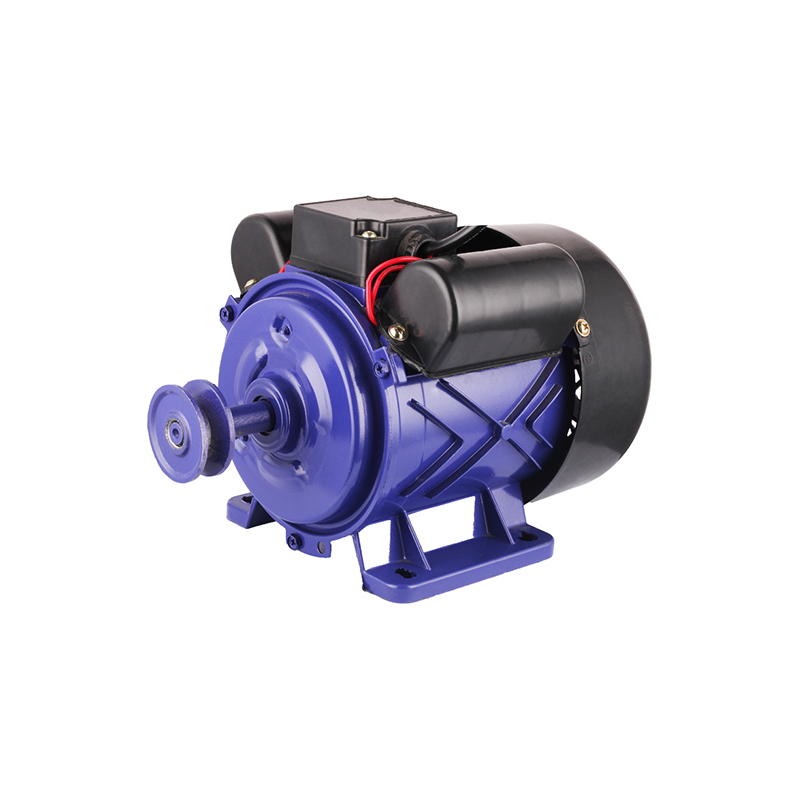
The High-efficiency IE3 Industrial Electric Motor is designed to operate with reduced electrical losses compared with older standard motors, which can support long-term reliability and stable performance. These motors are frequently used in industrial applications such as conveyor systems, pumps, ventilation units, and other continuous-duty machinery where consistent operation and energy management are important considerations.
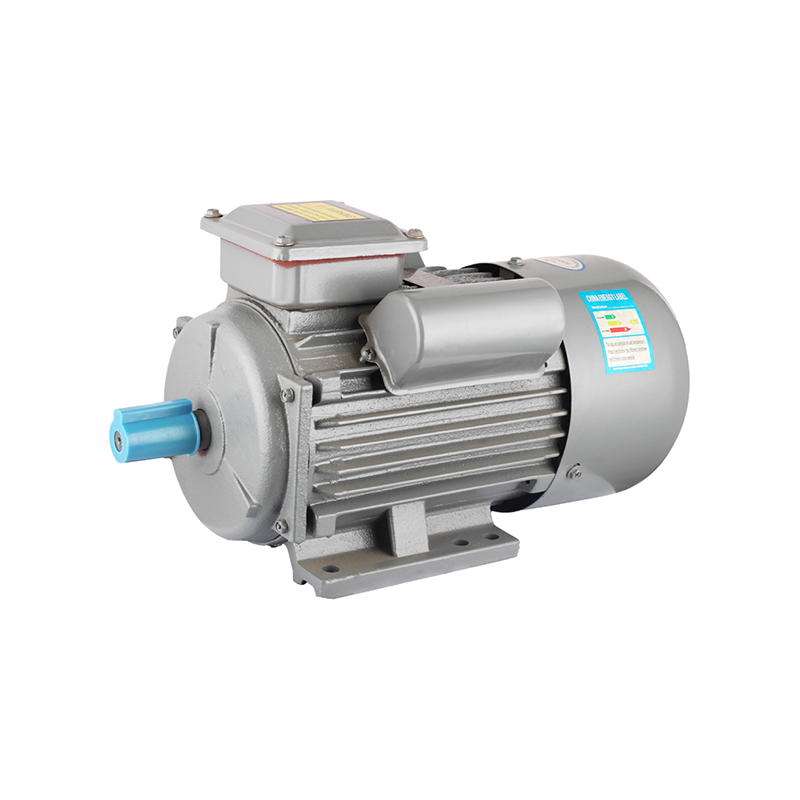
IE3 motors are built with optimized winding arrangements, improved magnetic circuits, and enhanced cooling features. These characteristics help reduce heat buildup and allow the motor to maintain steady operation under variable load conditions. Reduced electrical loss also contributes to lower operating temperatures, which can extend the life of insulation materials and associated components such as bearings and shafts. Additionally, the improved thermal management supports more consistent torque output and reduces mechanical stress on connected equipment, helping maintain operational stability over extended periods of continuous use.
In industrial facilities, IE3 motors are often integrated with control systems, including variable frequency drives or automated controllers. This setup enables operators to adjust speed and torque according to process requirements. For example, conveyor lines transporting materials of varying weight may use adjustable motor speeds to match load conditions. This approach helps maintain smooth operation without placing additional stress on mechanical components.
Mechanical and thermal reliability is a key factor in adopting IE3 motors. Optimized designs reduce vibration and heat, which helps maintain consistent torque output and operational stability. These features are particularly useful in continuous production environments or locations with challenging ambient conditions, such as elevated temperatures or dust exposure. Periodic maintenance, including inspection of bearings, vibration monitoring, and checking insulation resistance, ensures ongoing performance.
IE3 motors also support operational planning and energy management. With predictable performance characteristics, operators can estimate electricity usage and schedule maintenance activities in advance. Adjusting motor speed, monitoring load conditions, and planning operational cycles helps facilities manage energy consumption while maintaining stable production output.
These motors are suitable for a wide range of applications. In manufacturing and processing plants, they drive pumps, conveyors, and ventilation systems. In production environments that require automated monitoring or remote supervision, IE3 motors integrate well with digital controls, allowing performance tracking and early detection of deviations in operational parameters.
The High-efficiency IE3 Industrial Electric Motor provides advantages in terms of reduced electrical losses, consistent torque output, and integration with modern control systems. By supporting stable operation and predictable performance, these motors contribute to operational routines and energy management strategies across industrial settings.
Frequently Asked Questions
Q: What does IE3 indicate?
A: It represents a defined efficiency classification for industrial motors.
Q: How does IE3 affect electricity use?
A: It reduces electrical losses and heat generation, which can support stable long-term operation.
Q: Can IE3 motors operate under varying loads?
A: Yes; they maintain steady torque and speed under different load conditions.
Q: Which industrial applications use IE3 motors?
A: Conveyor systems, pumps, ventilation, and continuous-duty machinery.
Q: What maintenance is required?
A: Regular inspection of bearings, vibration monitoring, and checking insulation resistance.
Q: Can they work with control systems?
A: Yes; pairing with variable frequency drives or automated controllers allows adjustable speed and torque.
Q: How do they support production planning?
A: Predictable performance helps estimate electricity use and schedule maintenance activities.

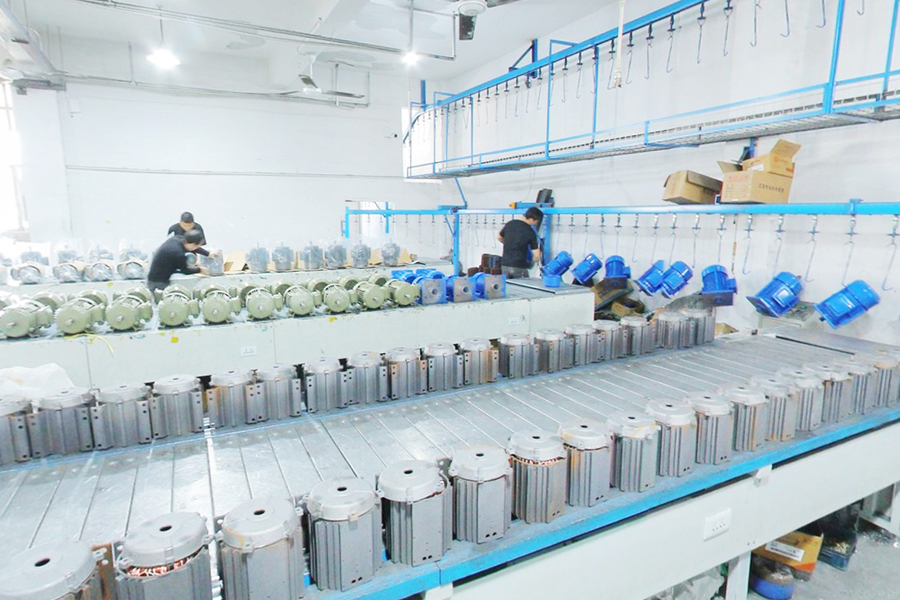
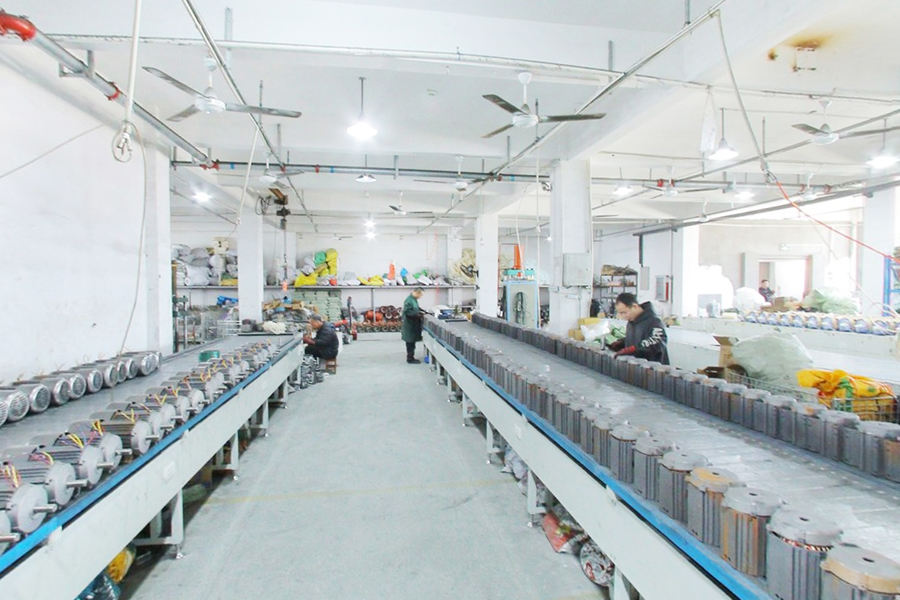
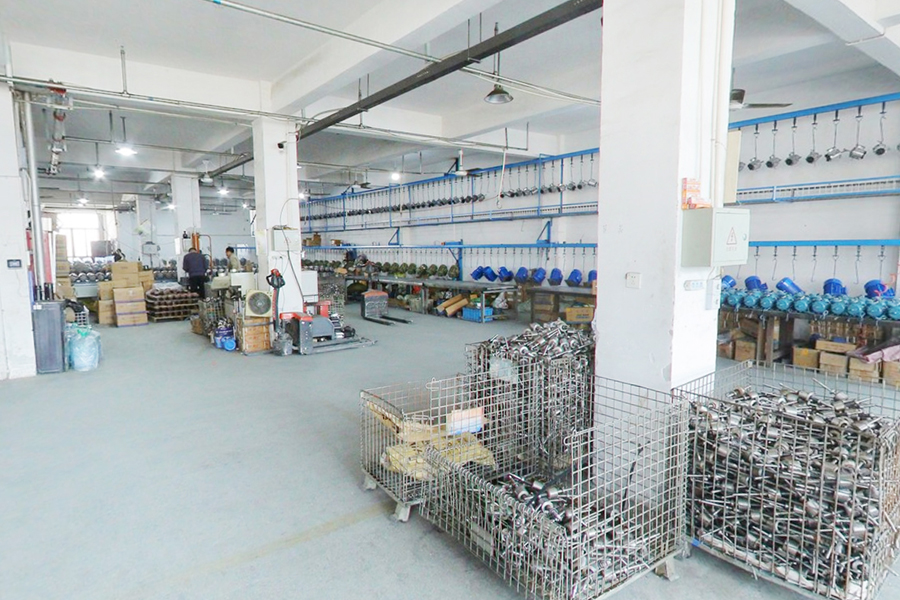
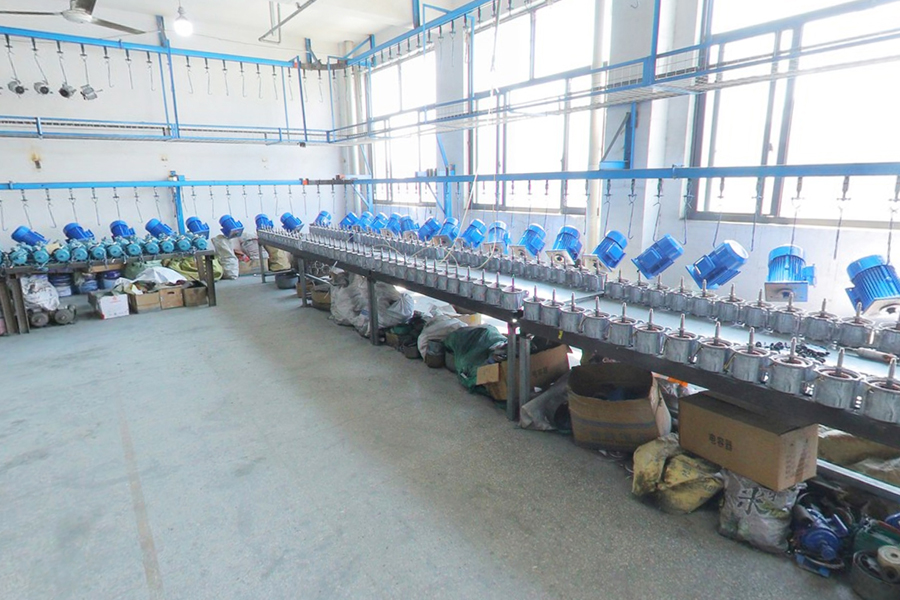
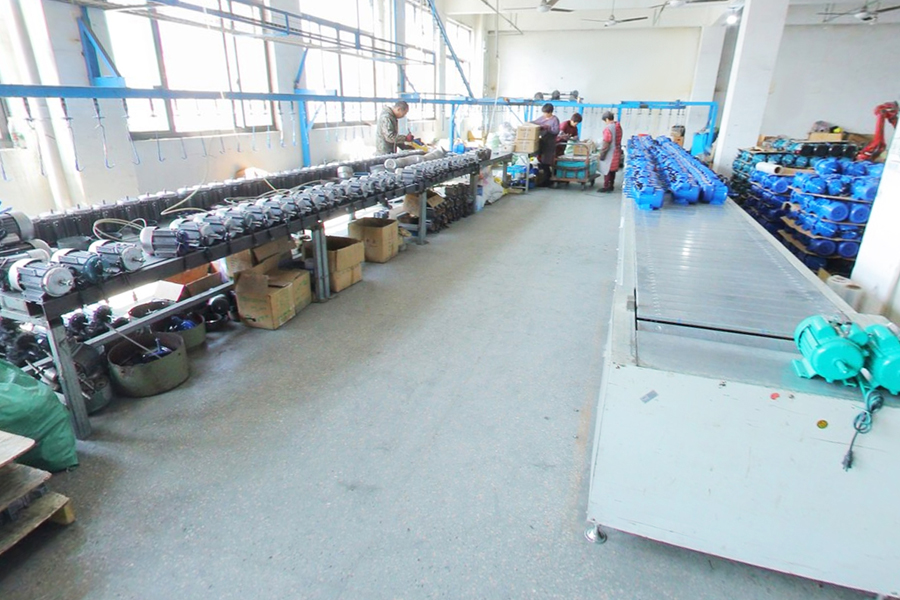
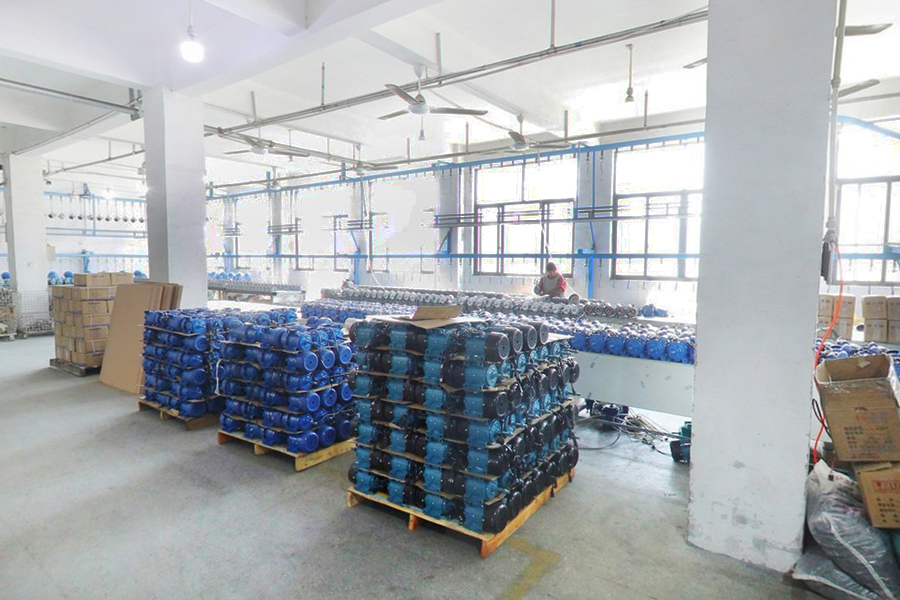

Asynchronous Motor Manufacturer



 English
 中文简体
中文简体